September 10, 2015
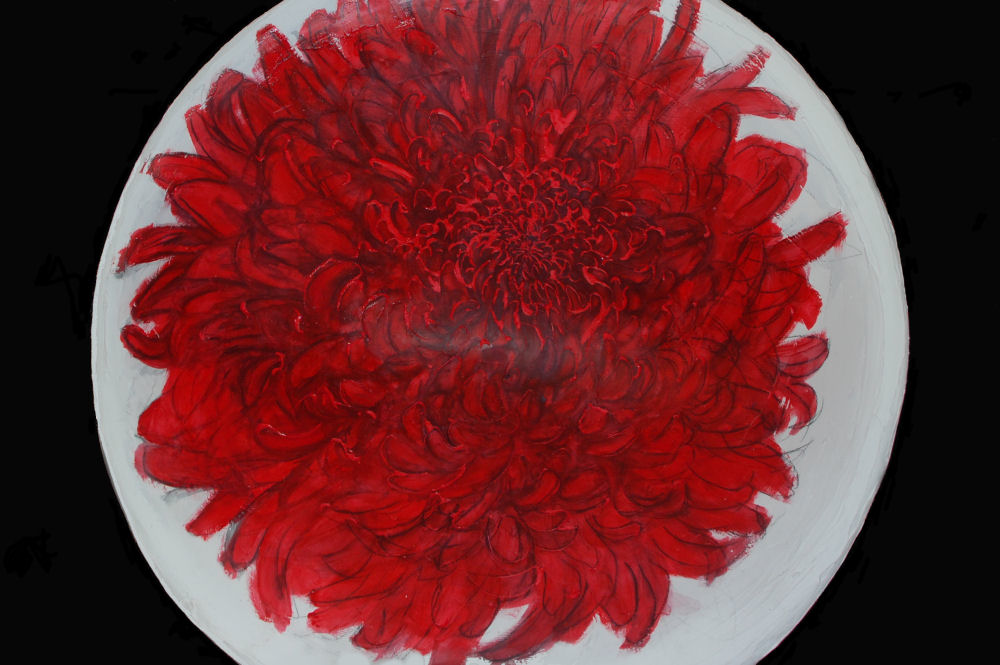
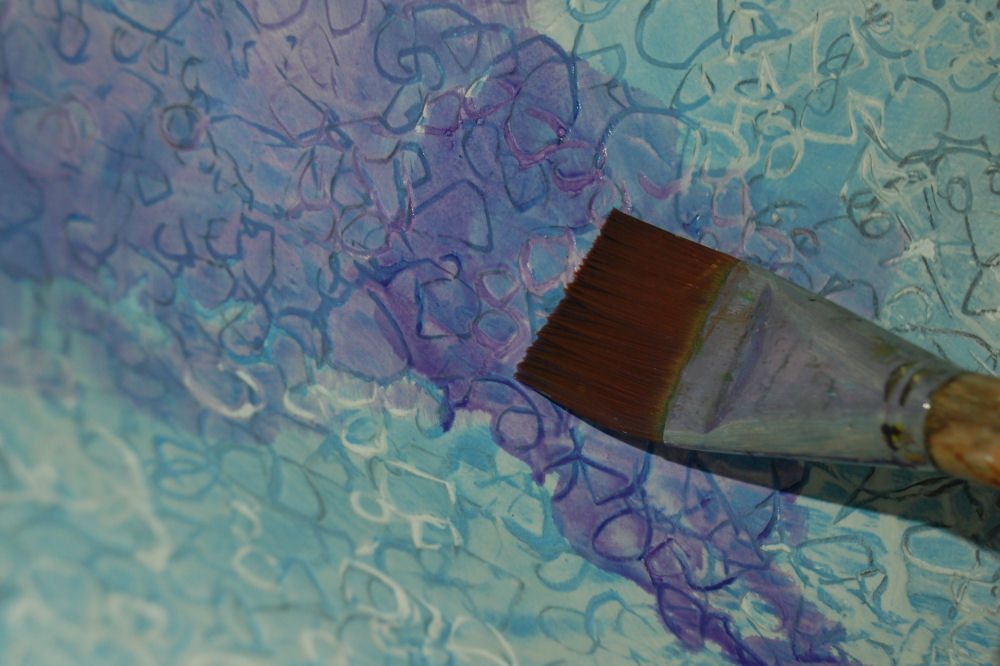
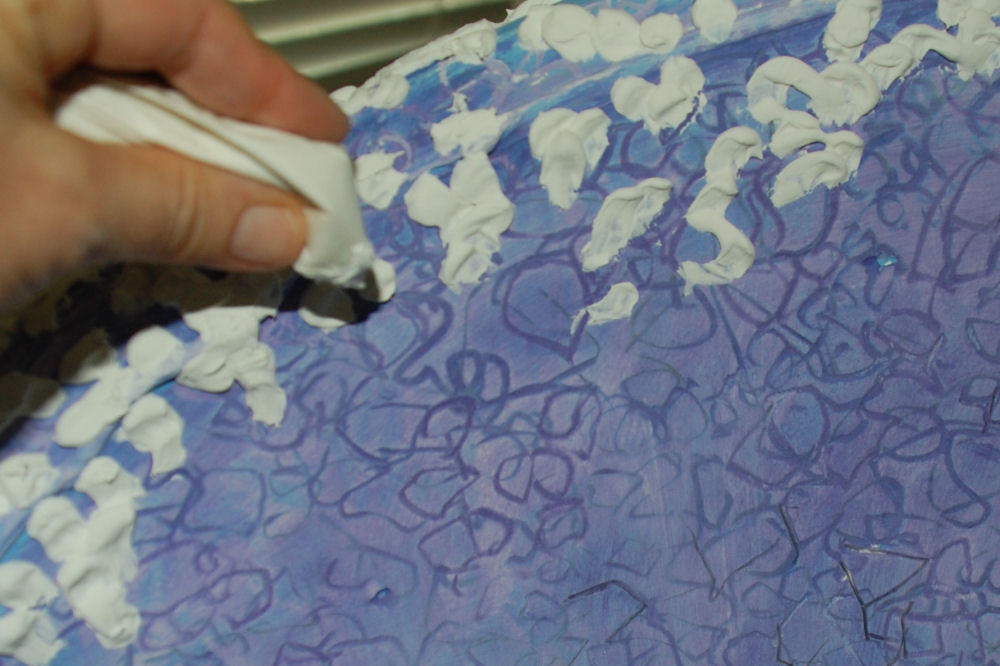
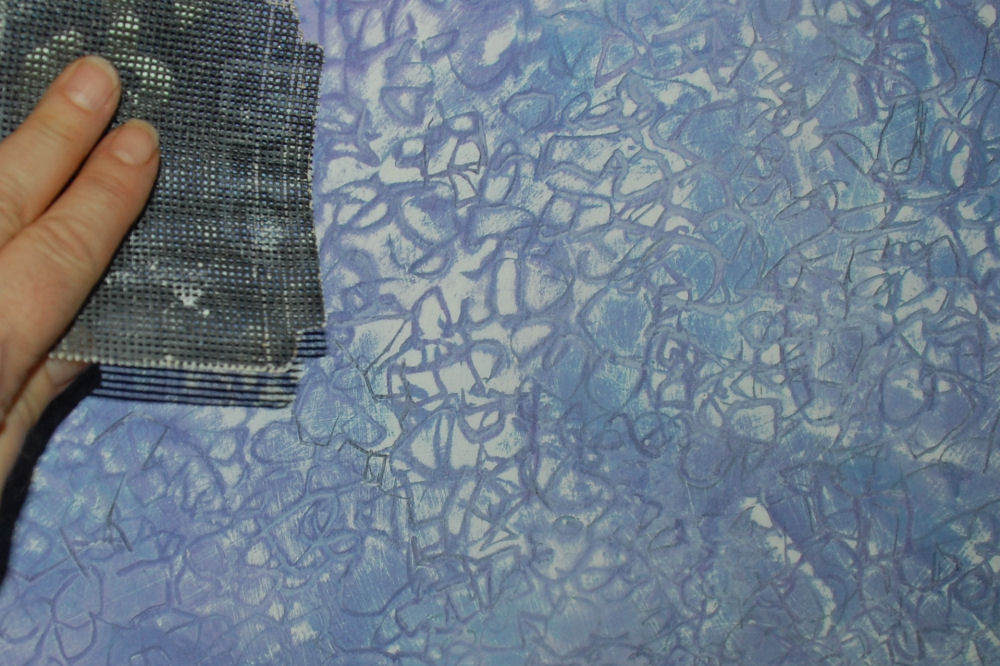
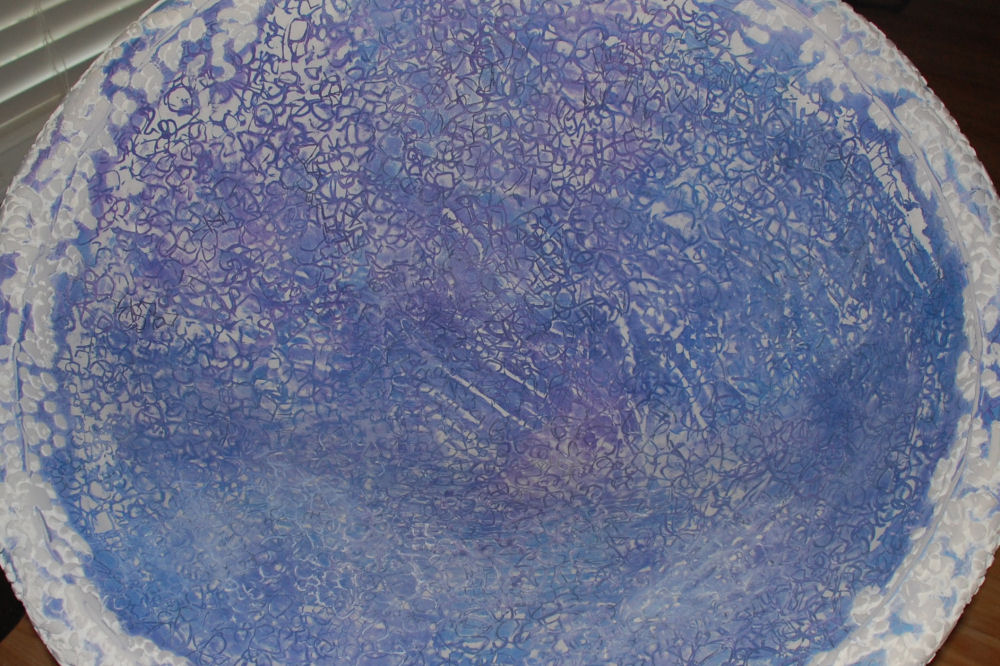
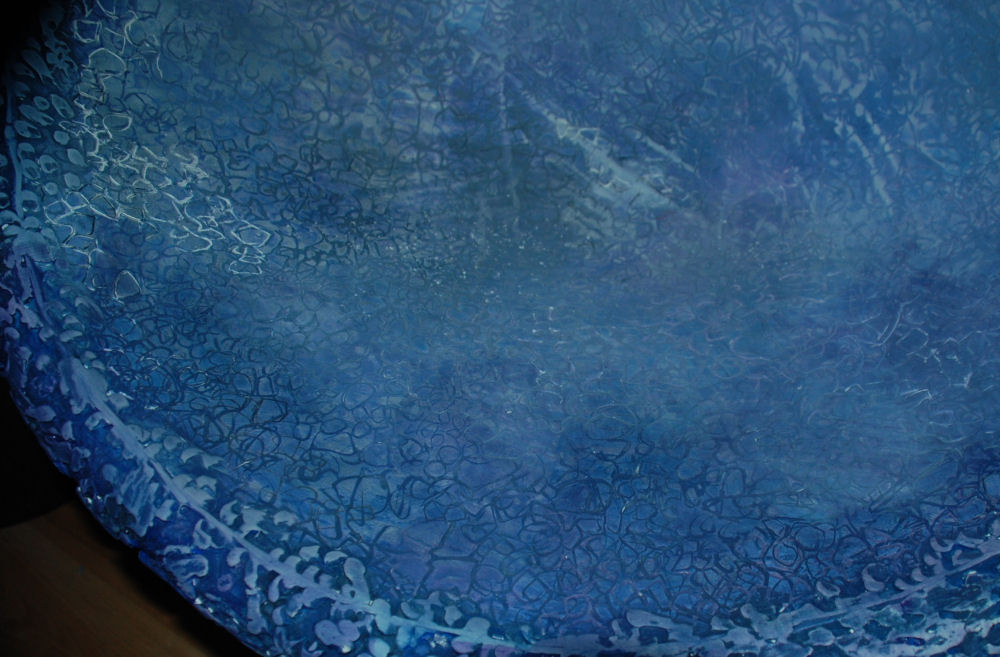
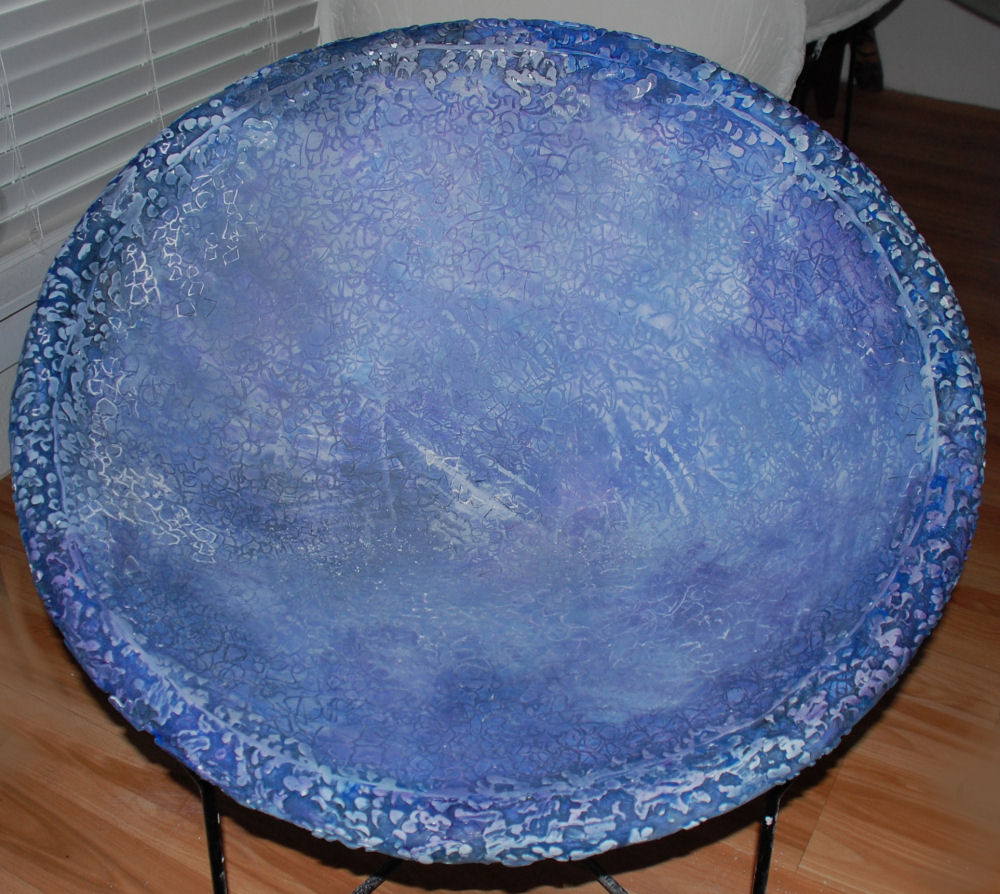
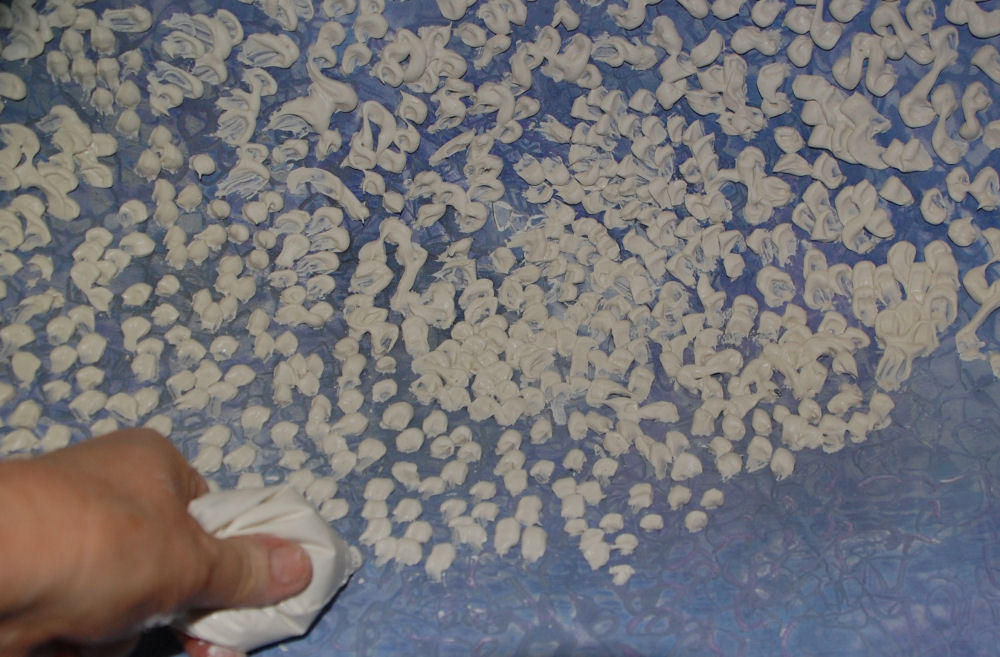
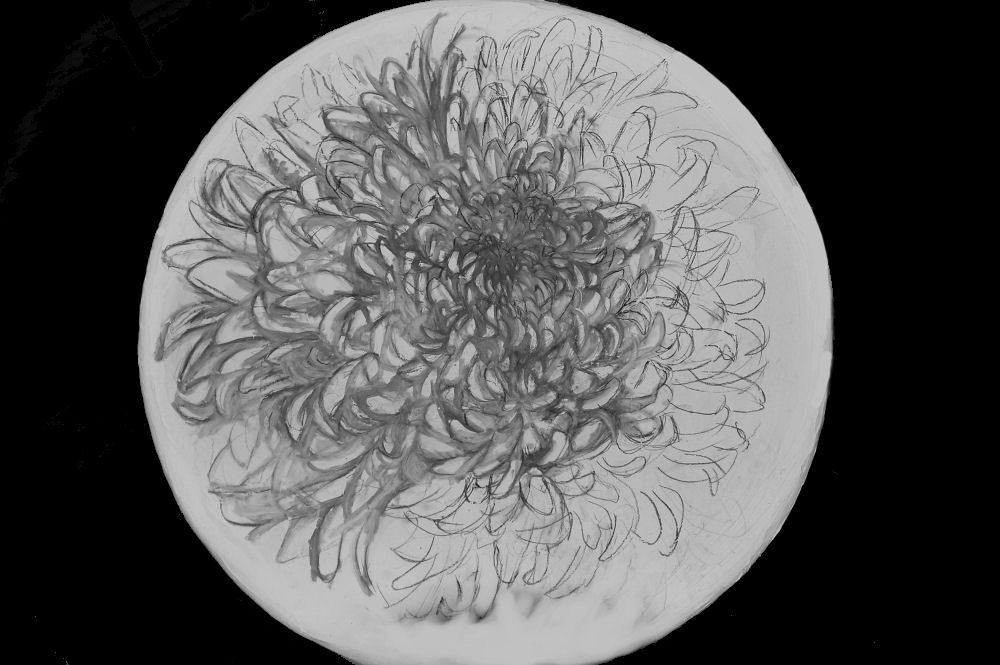
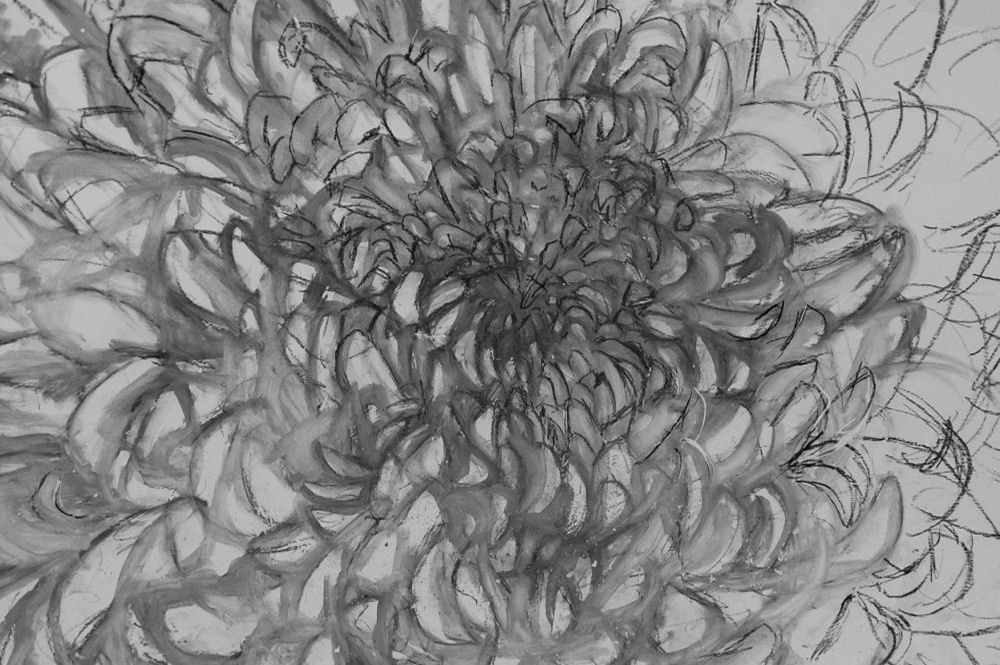
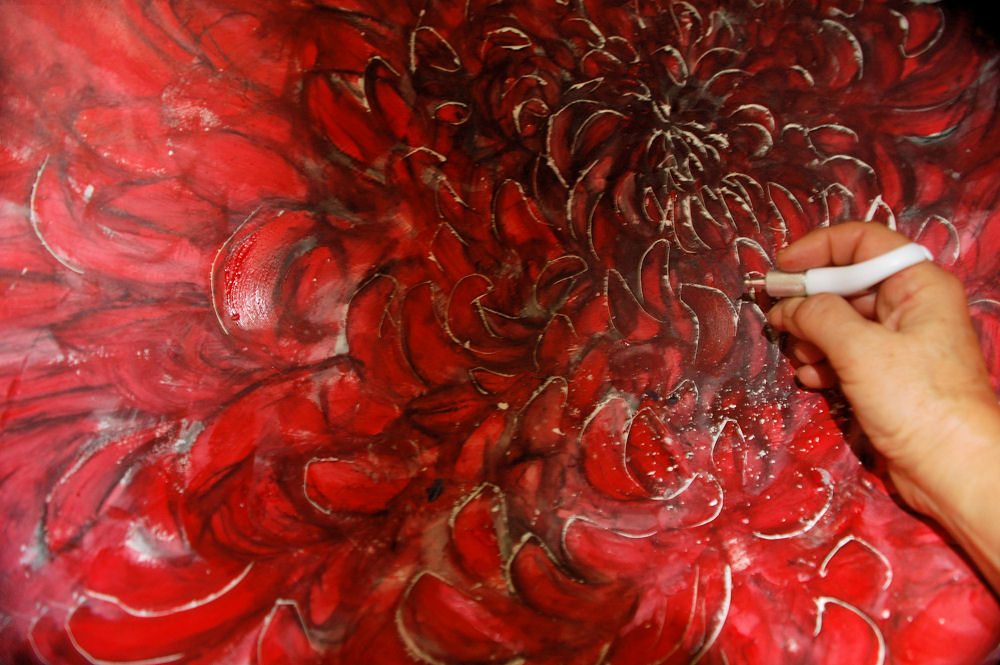
Chrysanthemums Chair Work in progress. 29L x 29W x 29D inches refurbished chair, canvas, plaster, acrylics. Thumbnails: graphite sketch, acrylics, carving detail. Above: first application of paint over carved surface. Next, plaster will be applied to petal areas to raise the surface. When dry, the whole process will be repeated; sanded, carved and painted again. I like the white background, so may not add much green or any other color except as contrast and in shadows. This chair will coordinate with the large Chrysanthemums painting.
Symbolism and Significance of Chrysanthemums
With a history that dates back to 15th century B.C., first cultivated in China, where it is symbolic of honesty. In Egypt, Tutankhamen was reportedly buried with chrysanthemums. The plant is thought to have been introduced in Japan by Buddhist monks around the fifth century. Initially forbidden to grow except by nobility, the chrysanthemum is now a showy garden perennial common in gardens the world over, in a vast array of cultivars, shapes and sizes, with colors ranging in shades of purple, pink, red, white, yellows and greens.
In terms of design, the mandala formation demonstrates unfurling petals spiraling outward in succession from the center, like fireworks. It is easy to see why chrysanthemums symbolize optimism and joy.
A few states and sororities in the U.S. claim it as their official flower. Many European countries and parts of North America use white chrysanthemums in funeral arrangements, as they are associated with grief and mourning, whereas in Japan holds a “Festival of Happiness” to celebrate this flower each year, attributing it to the sun and happiness. There, it is a symbol of the Emperor and the Japanese Imperial Family. In Canada and the United States, the floral industry thrives on the notion that every flower has unique characteristics, and we communicate our sentiments through specific bouquets according to occasion. For example, the chrysanthemum is the November birth flower and also appointed to the 13th wedding anniversary.
Certain species of the plants are edible and contain medicinal properties. Leaves and roots can be cooked, used mainly in Asian dishes, and flower petals are boiled to make tea. Extracts of the plant, pyrethrins, are processed and preferred as an earth-friendly, biodegradable commercial insecticide.
In cold northern climates they are planted as annuals, whereas here in the Pacific NW coast they are winter- hardy, blooming each Fall. If the plants get leggy before blooms appear, they benefit from being cut back and are easily propagated. Colorful new “mums” add liveliness to flower gardens as seasons change, and they are some of the first to entice us at stores during Spring. Chrysanthemums are perfect in home bouquets, lasting longer than any other cut flower.
Categories: 3D, contemporary, flowers, furniture, innovation, mixed media, series, The Chairs series, work in progress | Comments Off on Chrysanthemums Chair
May 2, 2015
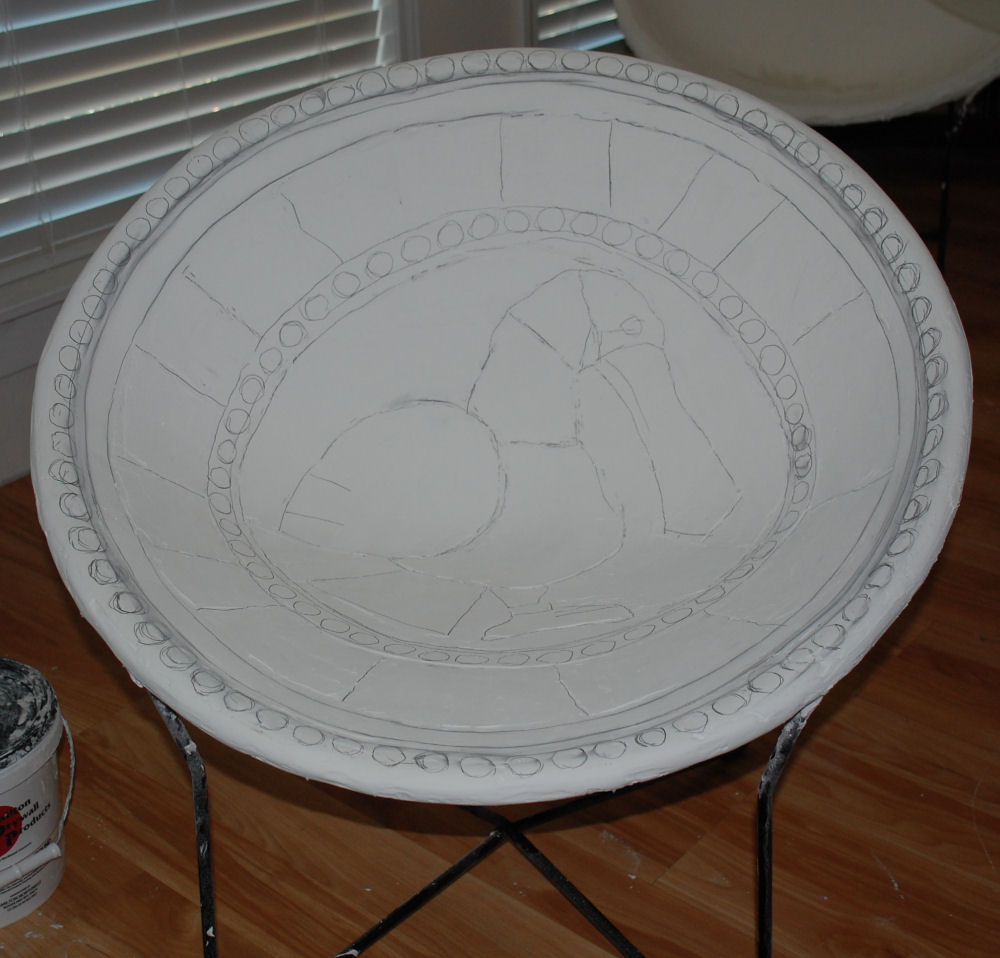
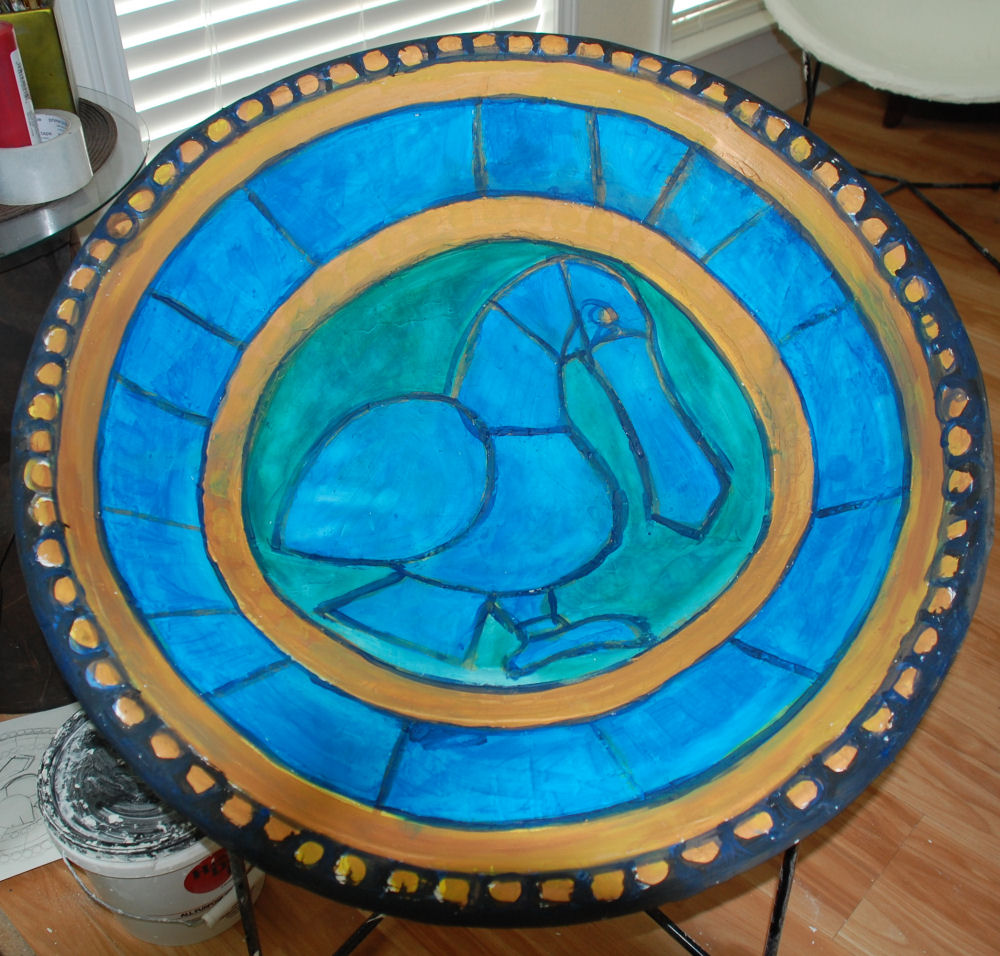
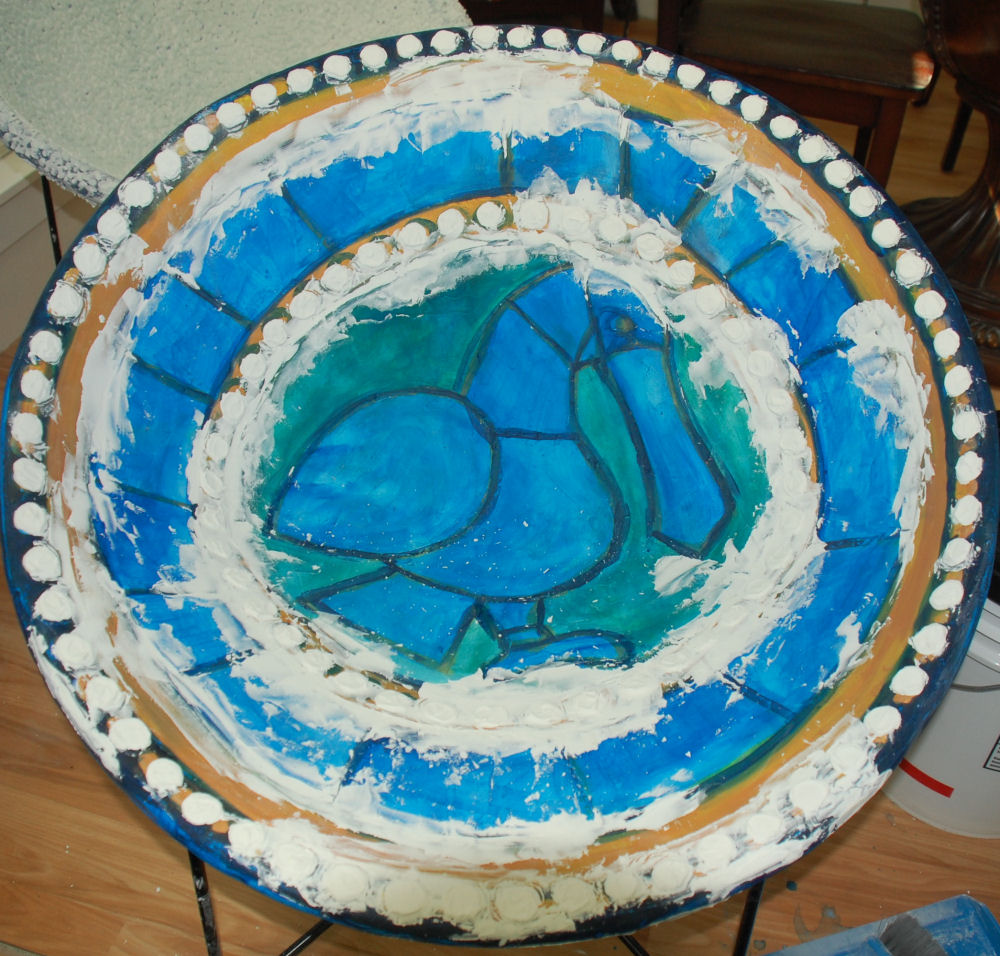
Started Moche Ear Plug replica chair, faux turquoise and gold, 29 x 29 x 29 inches mixed media furniture.
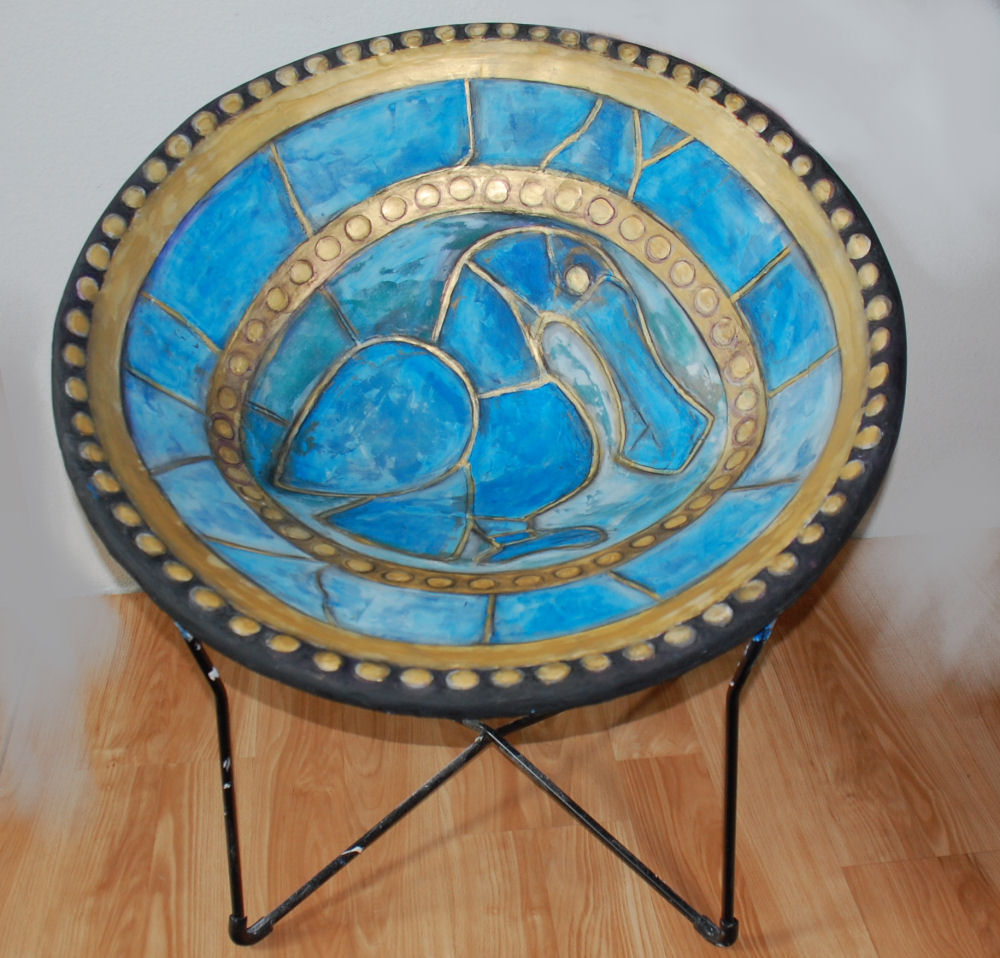
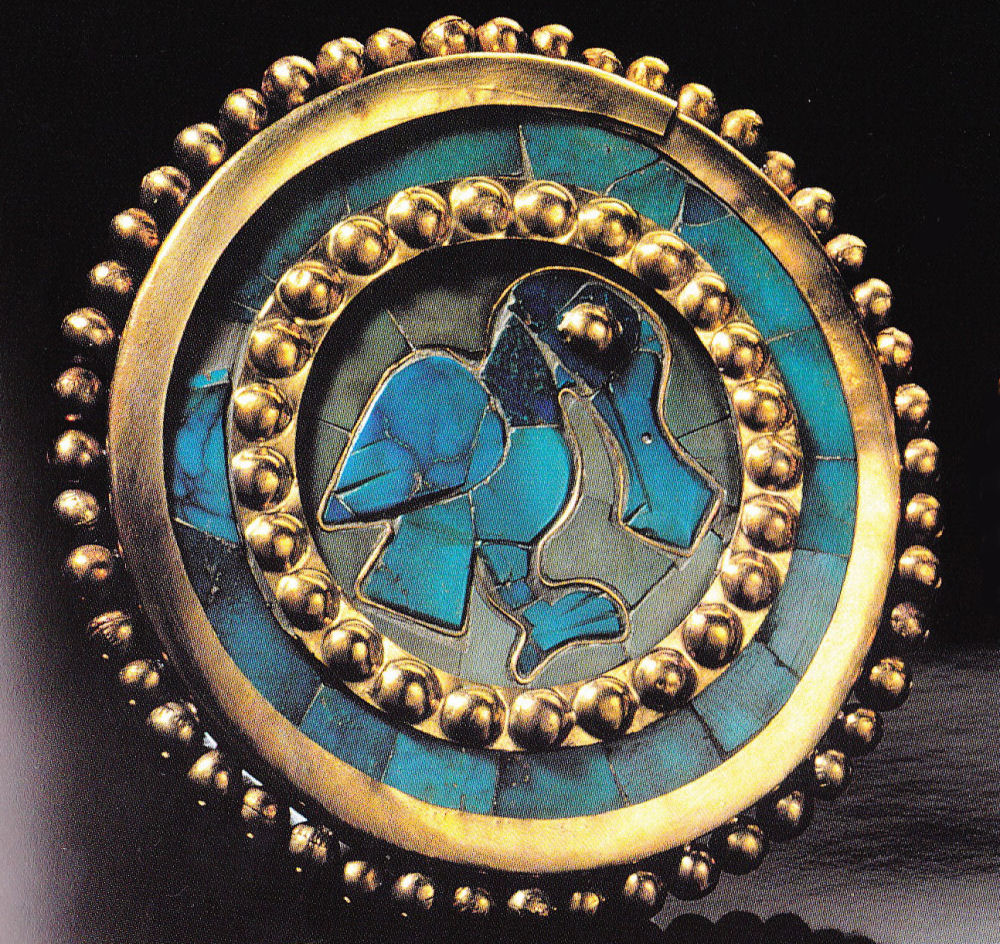 The Moche culture lived on the north coast of Peru between 100 BC and AD 700. With no writing system, they left incredible representations of their activities through art on clothing, pottery, jewelry, architecture, and hunting weapons, illustrating themes like ceremonies, supernatural beings and warfare. This chair is a replica of an Ear Plug – one from a pair found in the tomb of the Lord of Sipan, one of two large tombs discovered in 1987 just north of the village with the same name. Accompanied by sacrificed members of his court and wearing beautifully crafted cotton garments, the highly regarded king died at 30 years of age and was buried with ornaments, carefully placed crowns and various types of jewelry made of gold, gilded copper, shell, feathers, and precious gems. Over 250 ceramics were found, as well as figurines, banners, helmets, scepters and rattles.
The Muscovy duck was a symbol of water abundance to Moche society, and they revered gold as symbol of the light and sun. The color gold is associated with higher ideals, spirituality, wisdom and understanding. For thousands of years, Turquoise mining and adornment has spanned all cultures, prized as a symbol of nobility, invoking luck, protection, and the power of immortality.
I love the idea of incorporating arts and cultural history in my work somehow. The up-cycled chairs are the perfect place to do this. Here are some examples of the influence of history on previous art work.
Categories: experimental, furniture, history/multicultural theme, innovation, mixed media, series, The Chairs series, work in progress | Comments Off on Moche culture jewelry: Ear Plug replica Chair
May 1, 2015
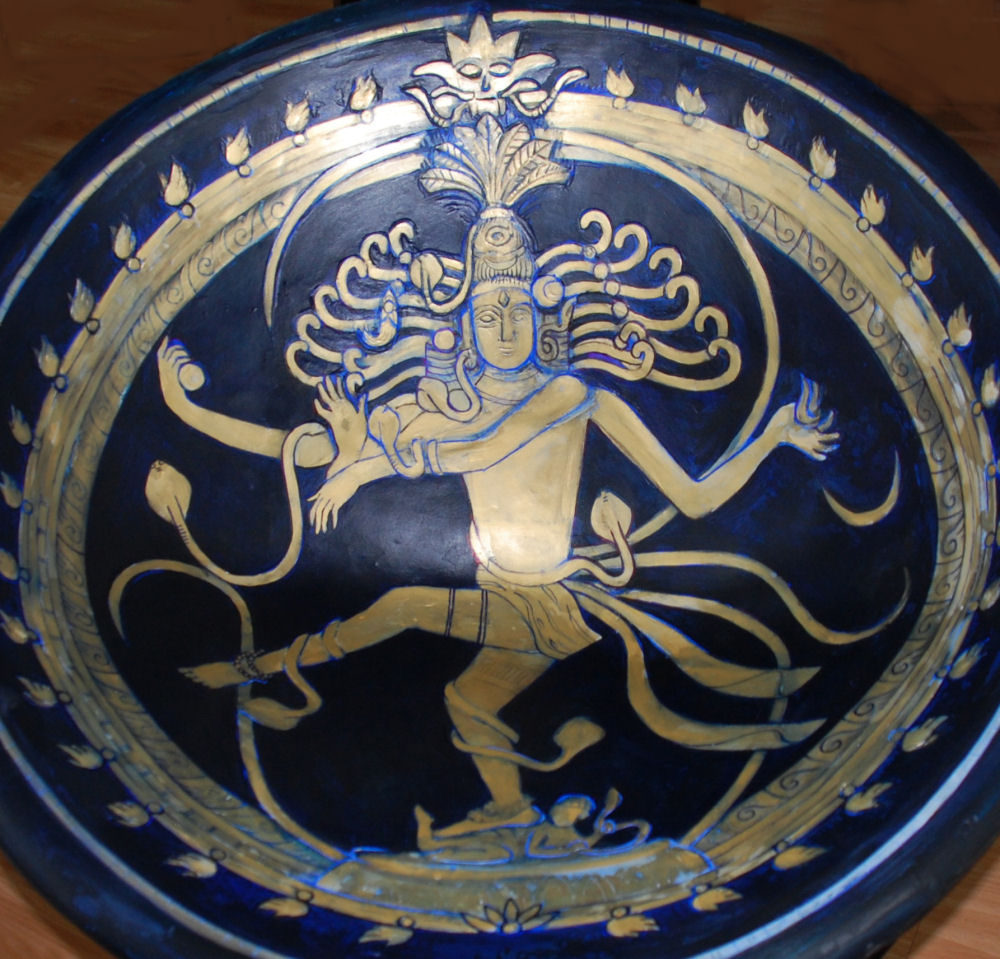
Shiva as Nataraja chair in progress
The Lord of Dance symbolism
Eastern philosophy is full of symbolism for concepts much deeper than words could ever express. The teachings are so complex but beautifully simple at the same time. Divine concepts are depicted in human forms with worldly items to help us identify somewhat, and increase our understanding toward making healthy decisions in our lives – for mind, body, and soul.
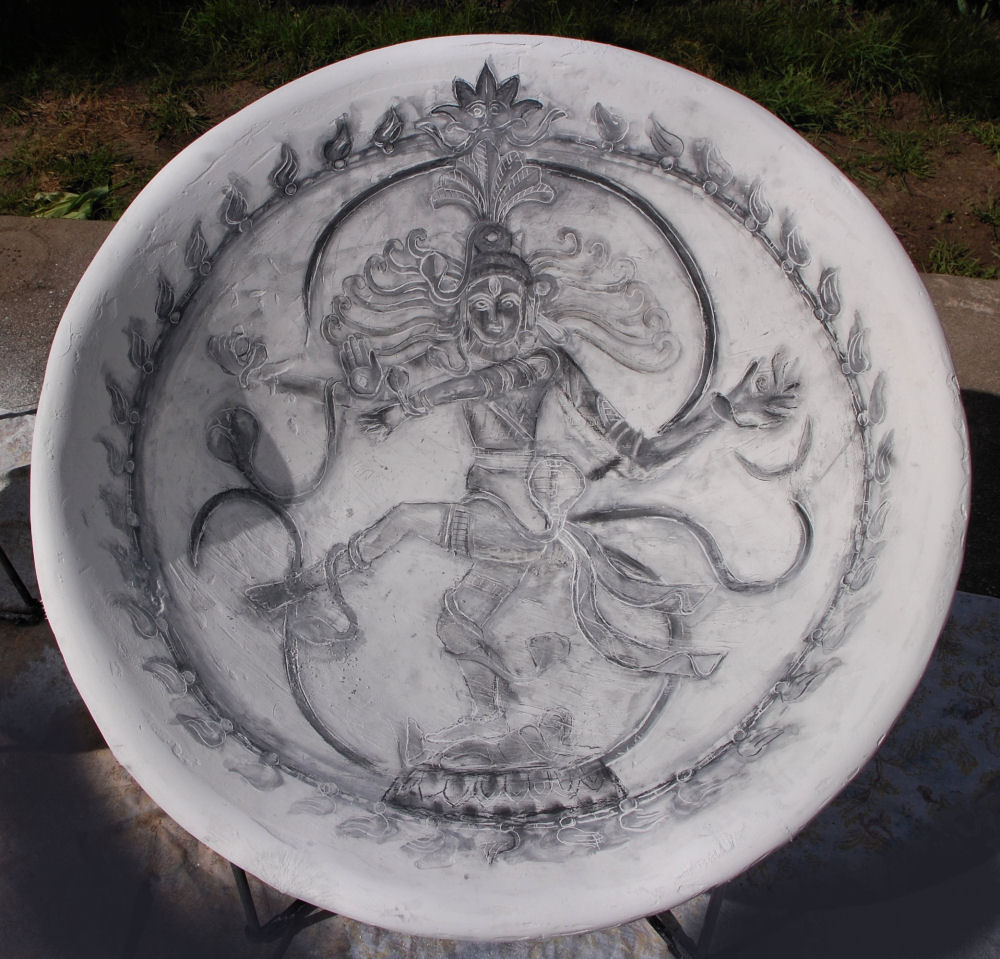 Sculptures, pictures, and literature are charged with multiple meanings and contradictions conveying the extremes in Life, like the existence of intense joy and pain, and the importance of balance in day to day living, and practicing a middle road of contentment. The interpretations here only outline the more prominent symbolism of this famous icon. As research continues, this article will elaborate on the most important symbols of this sculpture.
The purpose of the dance is to release us from our ignorance and entanglement in the world of opposites, all set within the circular, rhythmic motion of the universe. We are to acknowledge, yet remain detached by their effects. It is said that Truth requires detachment and at the same time, knowledge and acceptance.
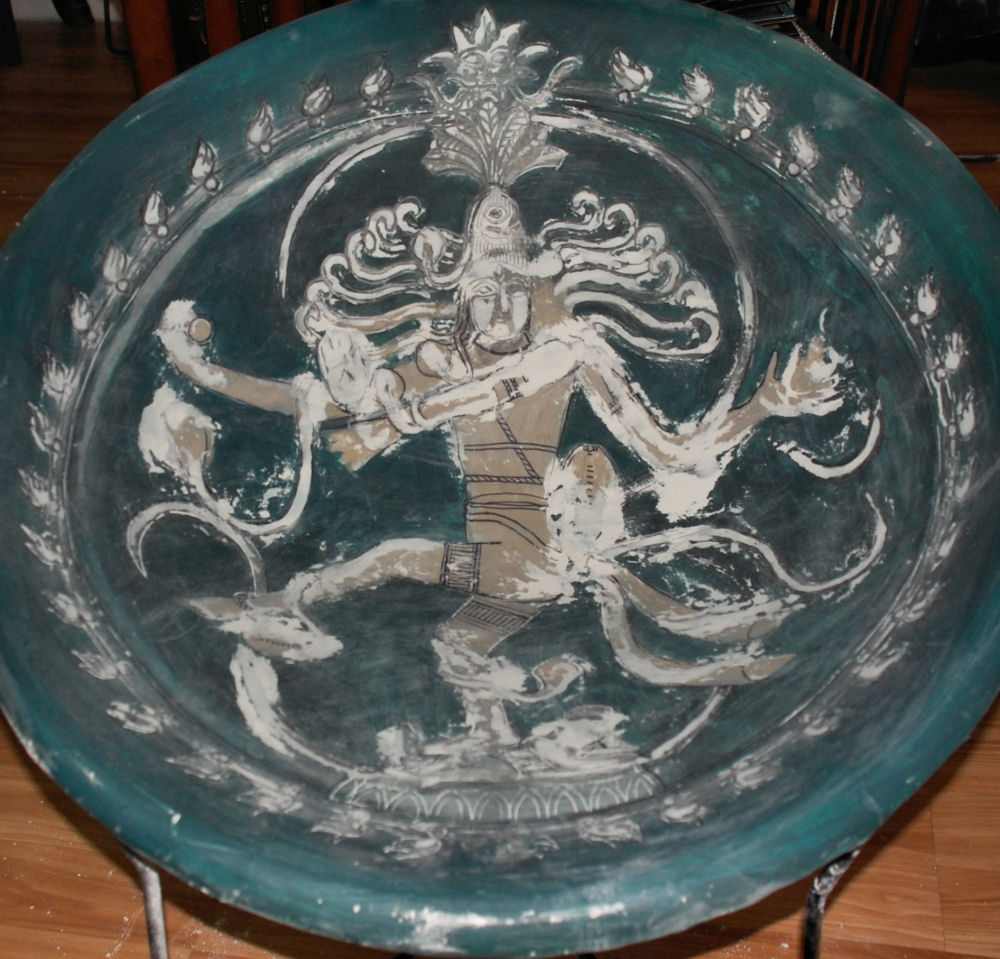 There are different names for the Hindu god, Shiva in his various forms. Though an ascetic, Shiva’s role is as householder, implying that we need not leave society to be devoted to following principles of Dharma; conduct; right way of living. In the aspect depicted here, Lord Shiva creates, sustains, and destroys life. As The Nataraja, he dances within the world of illusion, represented by an outer ring of fire. There is an inner ring of water, and some statues show multiple rings of fire and water. As he victoriously dances upon the demon of ignorance, Shiva’s matted dreadlocks whirl about him, capturing a number of heavenly bodies, like the physical representation of the sacred river Ganges, which fell from heaven to earth, first landing in Shiva’s hair so as not to destroy it. The moon is symbolic of many things, such as seasonal changes, life’s rejuvenation and love, all kept active with this dance.
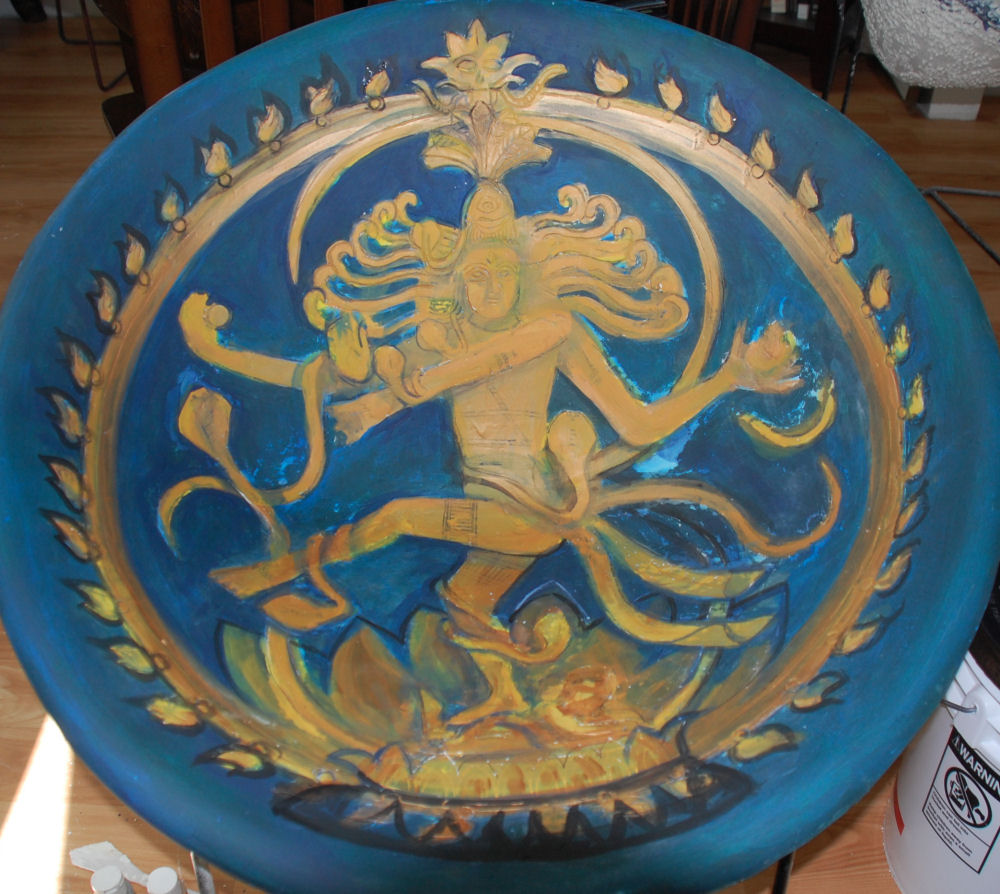 The gestures of the dance represent Shiva’s five activities: creation – symbolized by the drum, protection – the “fear-not” pose of the outward-facing hand, destruction – by the fire, embodiment – by the foot planted on the ground, and release – by the foot held above ground. Snakes coiling about his body symbolize the life force within all of us – the Shakti or kundalini – and display his power over the most deadly of creatures. Also, as snakes shed their skin, so do our souls reincarnate, according to Hindu beliefs.
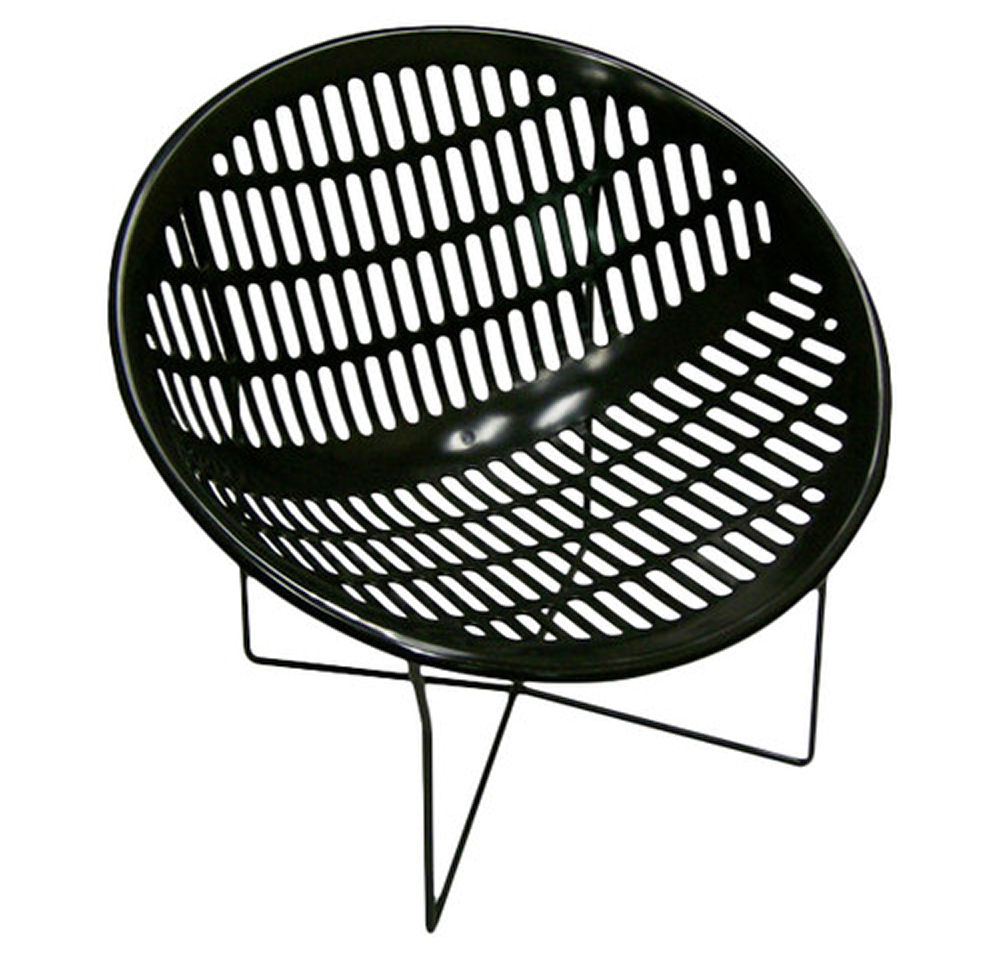
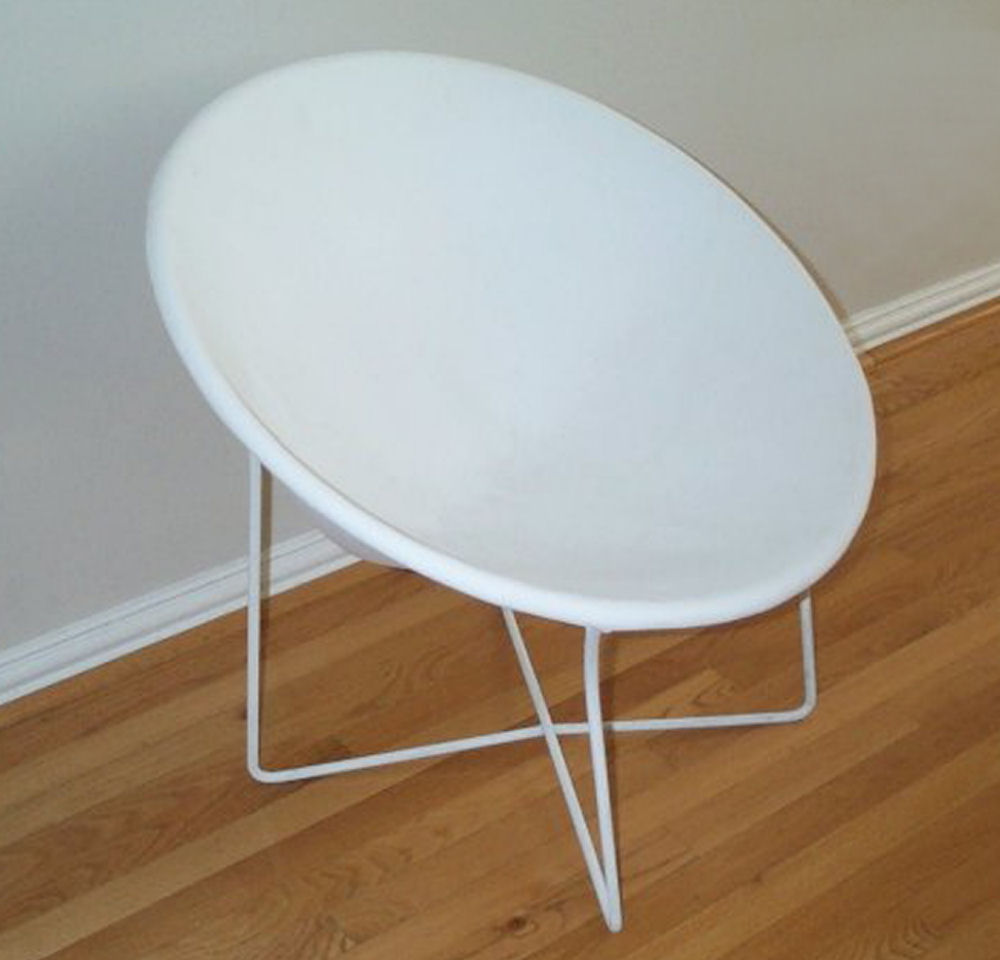
The first four first four Chairs were up-cycled second-hand store original Solaire Chairs, but I have found a decent source for newer ones, so finally some ideas I’ve had for years can be realized, and special orders can now be filled. With thin applications of plaster then sanding and waiting for successive layers to dry, four new Chairs, 29H x 29W x 29D inches, started April 5th are now in progress, concentrating on the details of two while the others cure. One chair, the priority, is of Shiva as The Lord of Dance, and one chair is an addition to the Zen Garden series. The third is a large replica of a Moche culture (1st century Peru) earring/ear plug, and the fourth chair will portray an Easter Island theme, something I’ve had in mind since I bought the very first chairs in the 1990’s. Until refining stages, the four can be worked at the same time while plaster is added, cures and is sanded down.
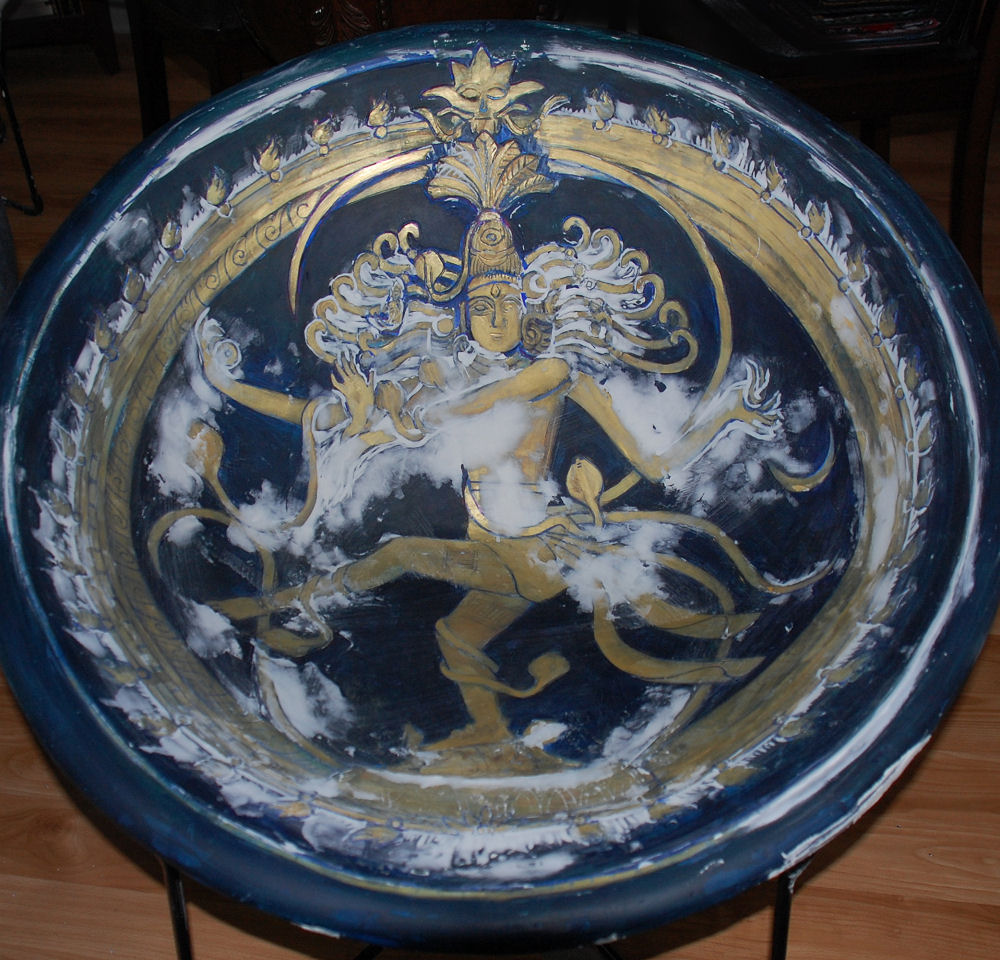 In this visual translation, the symbol of Om, first sound uttered in the Universe, weaves throughout, as if to involve a complete sensory understanding. All hand gestures have specific meanings, like the open front right hand facing us in “abhayamudra” gesture, denoting reassurance and safety for all who follow a righteous path. The drum in his right hand beats ceaselessly and infinitely, “Om”, while the universe is created, destroyed and recreated. The back left hand holds flames of fire, with both destructive and cleansing properties. The front left arm is held across the chest like an elephant’s trunk, with the hand pointing to the left leg and foot, lifted as a sign of liberation as the sacred elephant leads the way through jungles of ignorance.
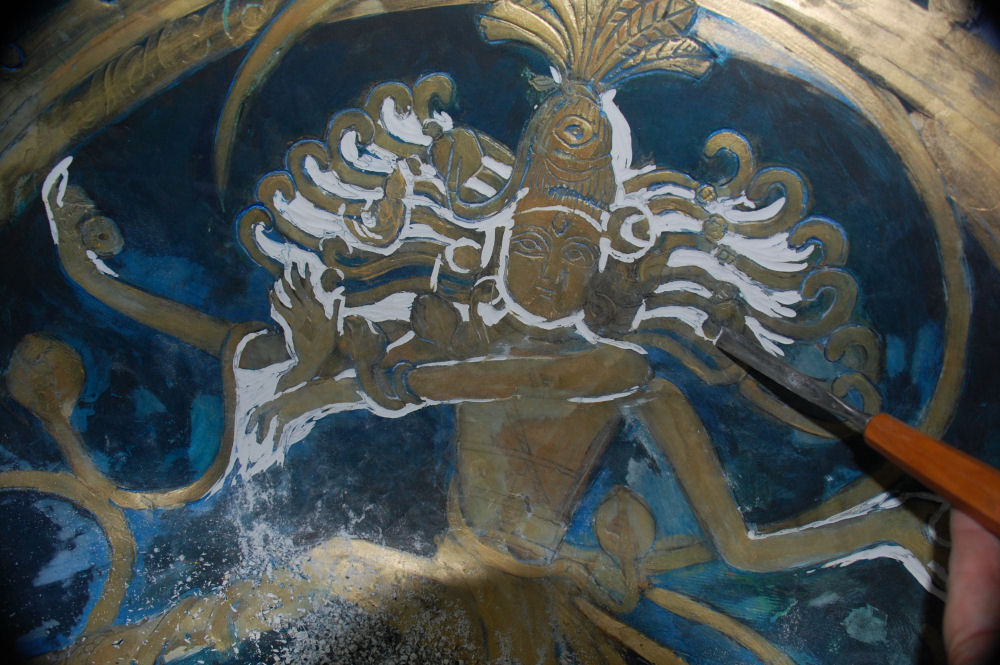
The graphite design is first partially engraved with pencil in damp plaster, helping to show which areas to raise and hwich to recede. The addition, removal by sanding and carving gradually refine the design along with successive layers of paint which, when finished, the combination shows through as a mottled sort of patina, perfect for this subject. The icon on the finished chair will be gold-bronze colors, as the Shiva as Nataraj sculptures are traditionally made of bronze. Plans are for the background to be antiqued cobalt blue or teal.
Categories: 3D, design, furniture, history/multicultural theme, innovation, mixed media, series, The Chairs series, work in progress | Comments Off on New Chairs in progress – first, Shiva as Nataraja
April 6, 2015
Categories: 3D, design, furniture, innovation, mixed media, series, The Chairs series, Zen Garden series | Comments Off on Zen Garden #16 Chair started
March 19, 2015
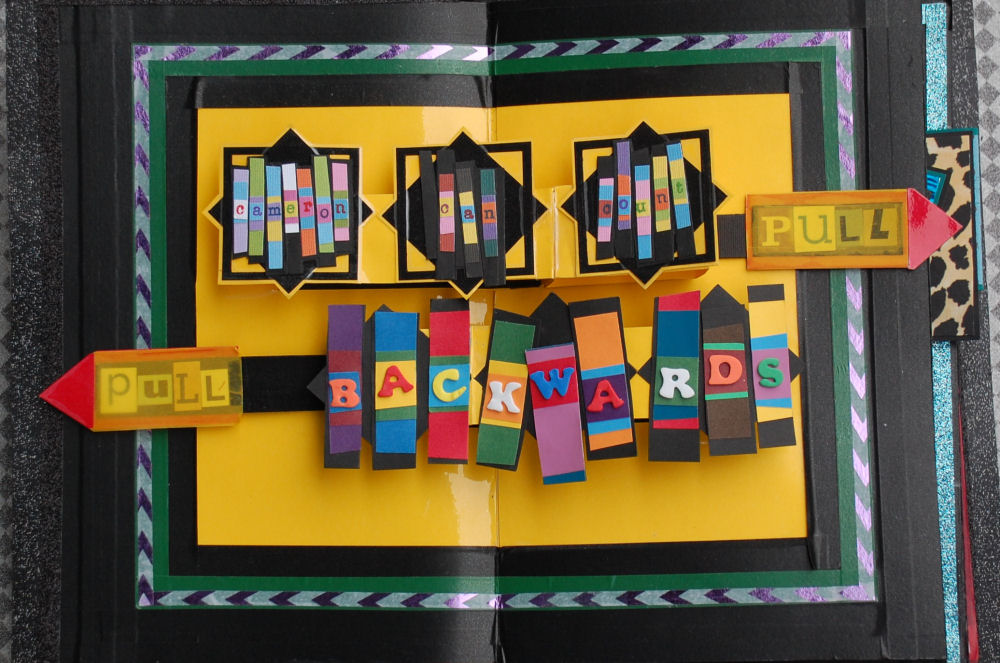
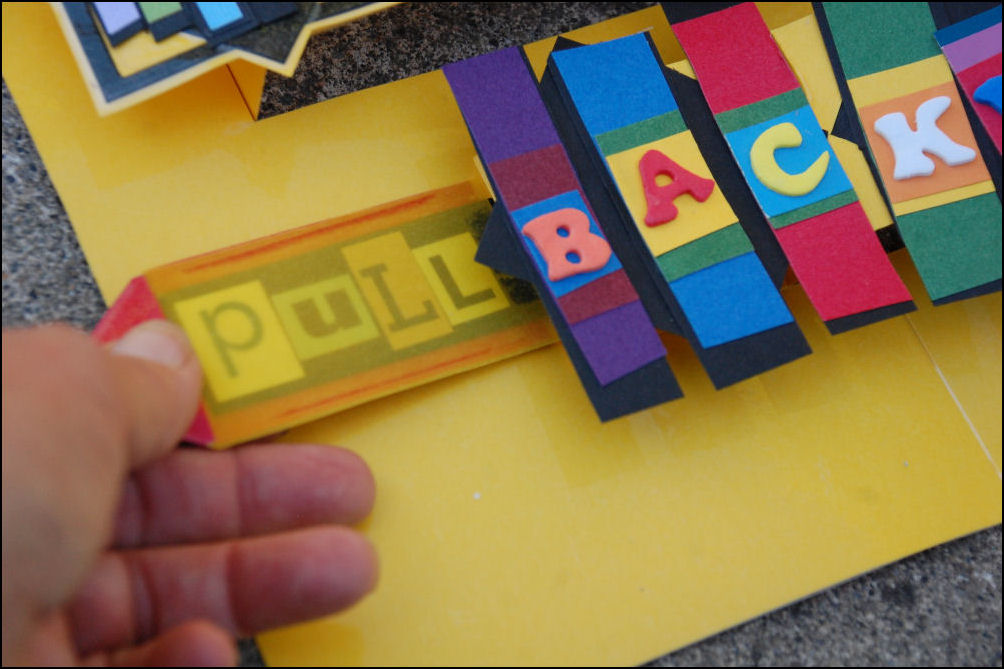
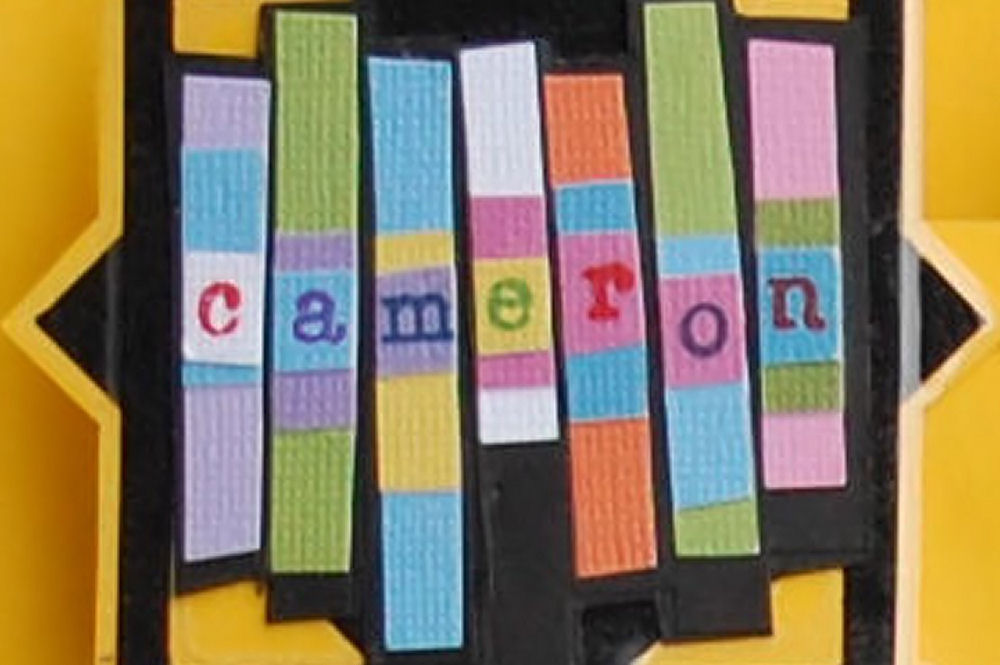
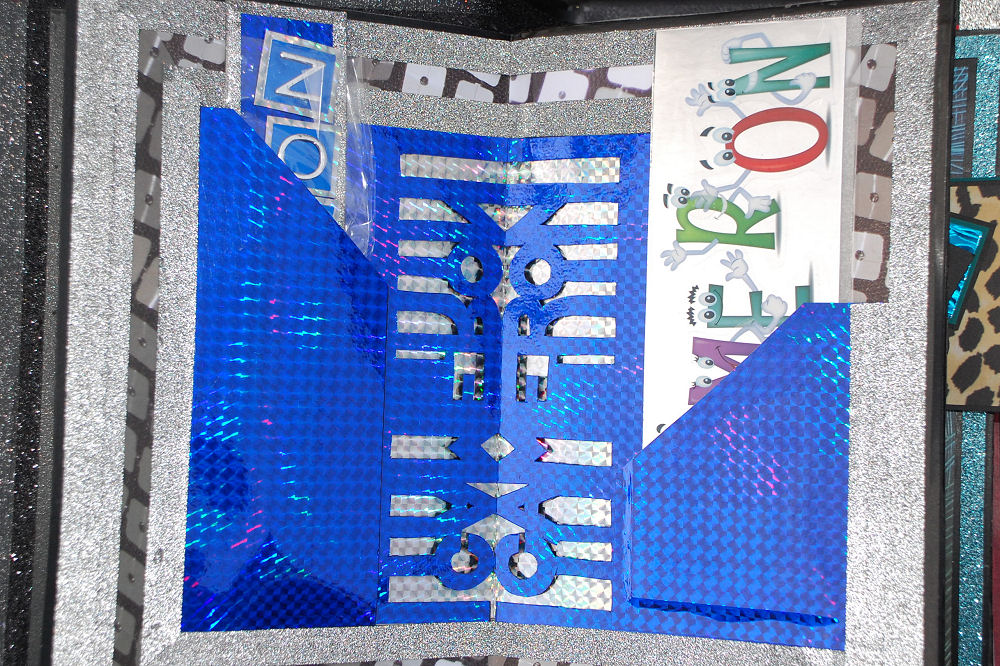
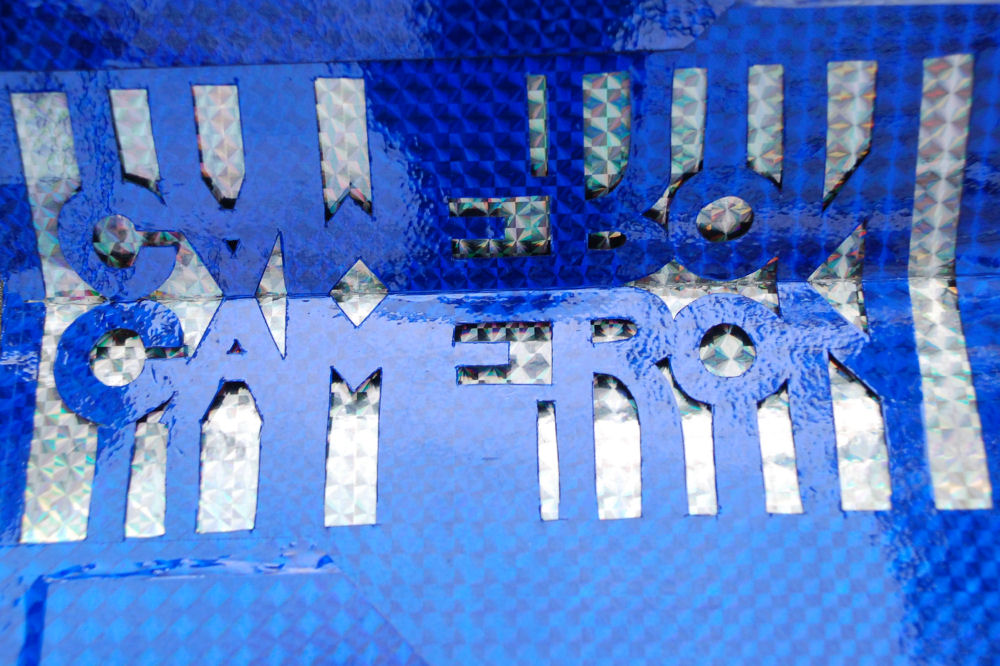
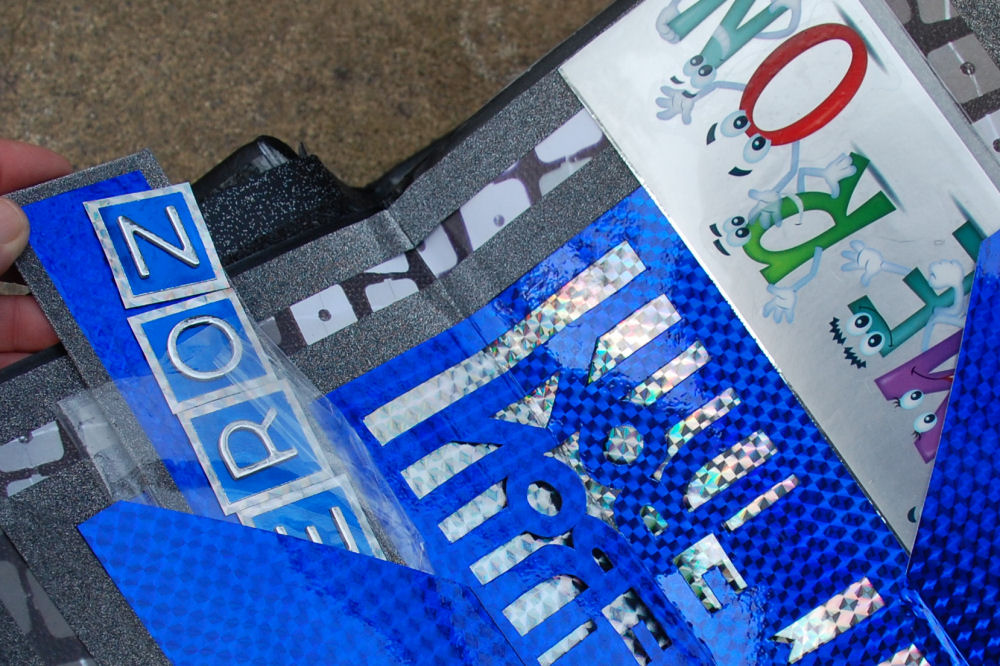
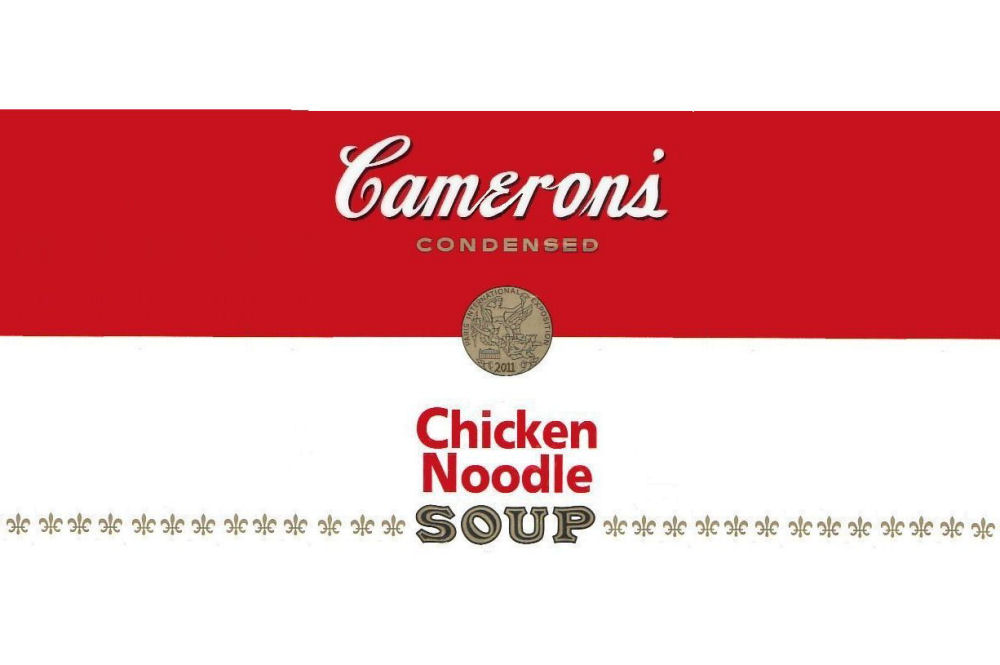
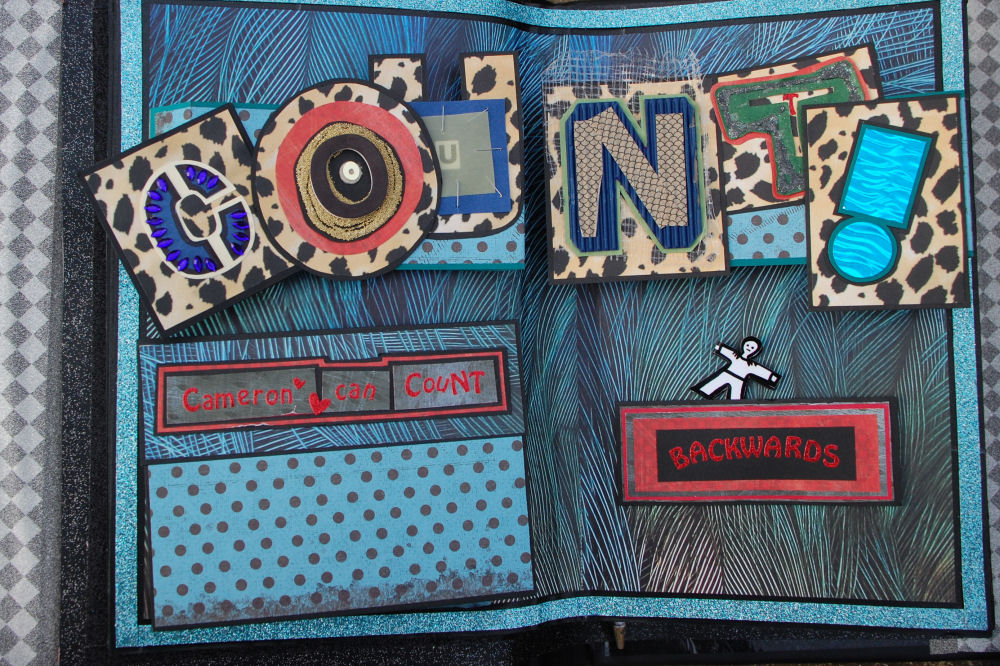
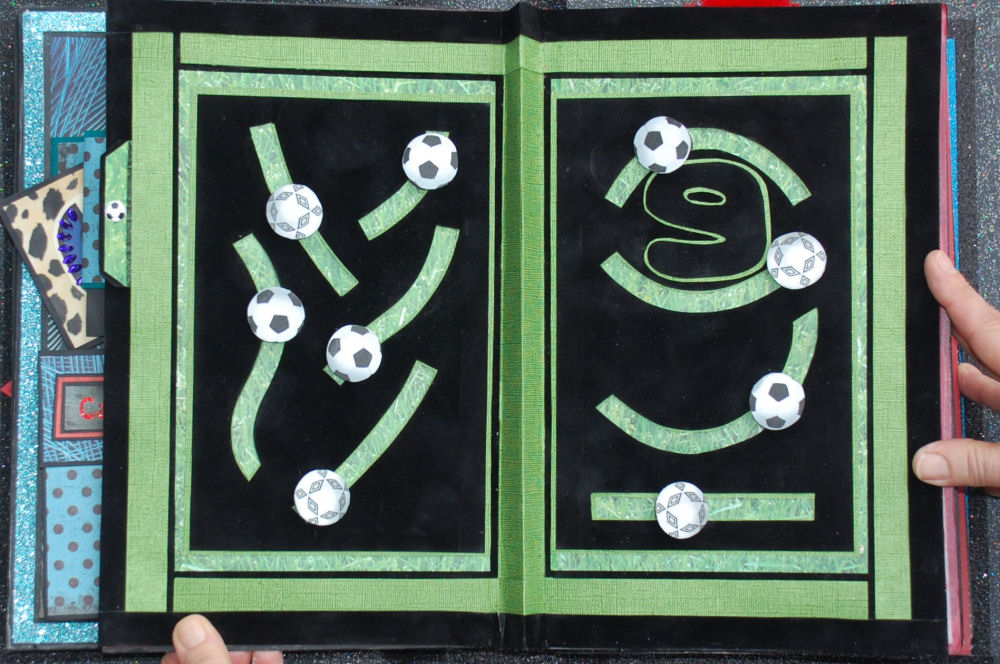
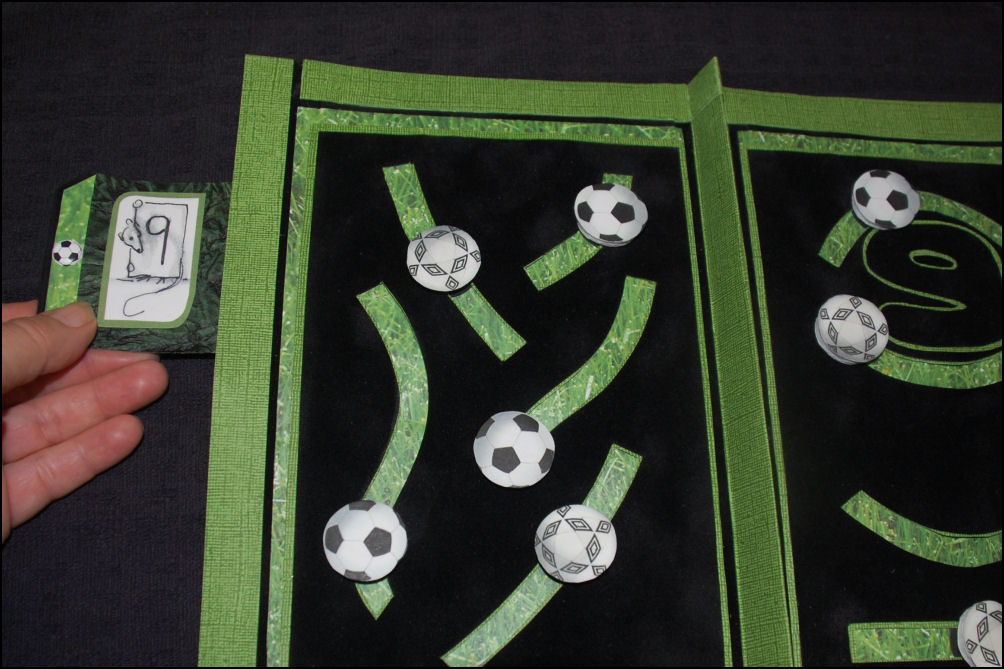
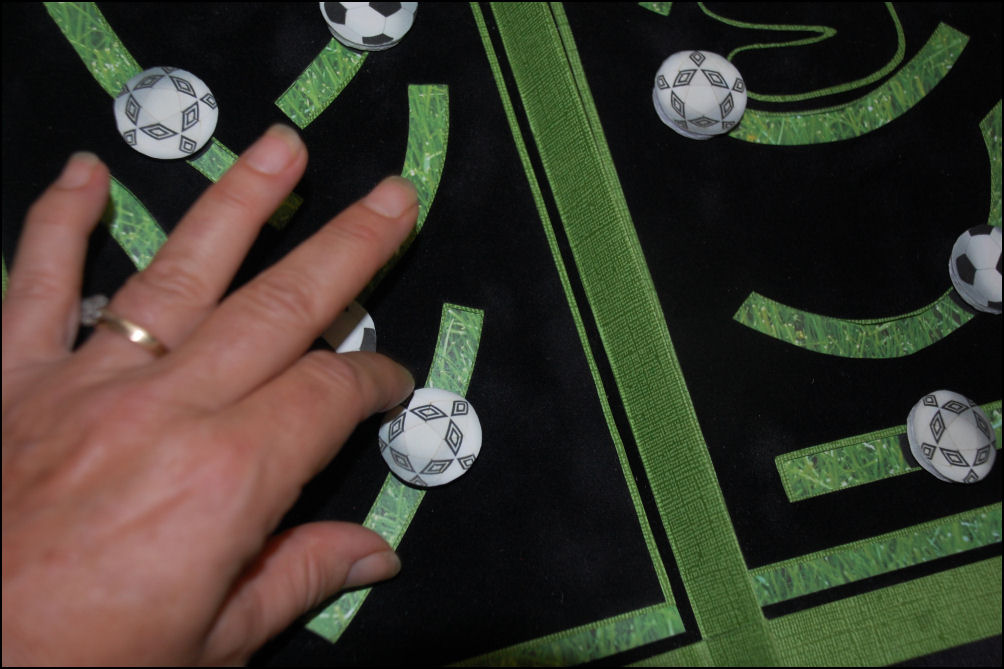
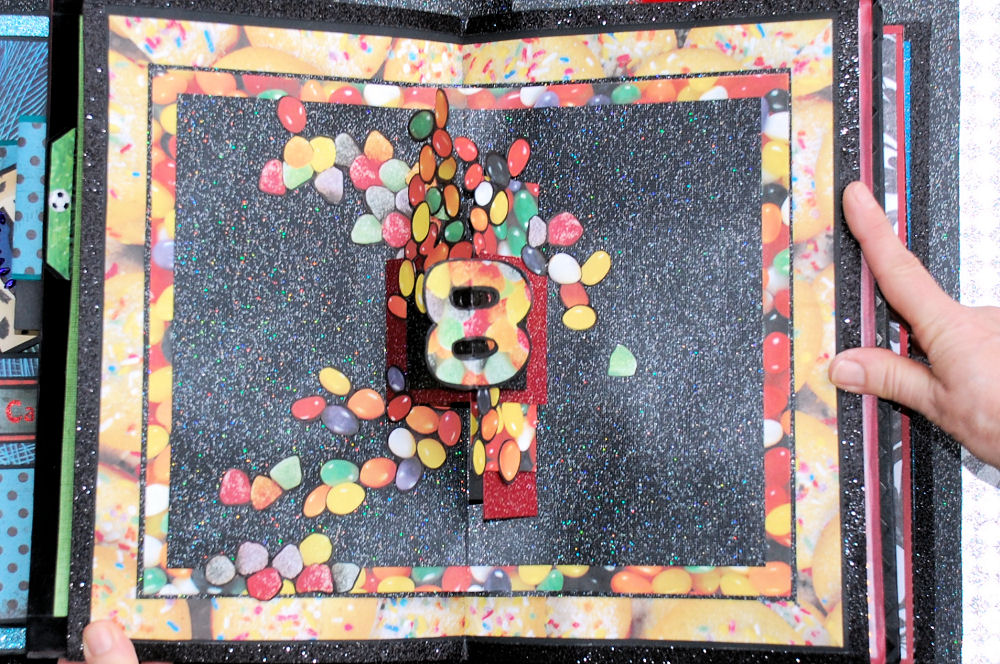
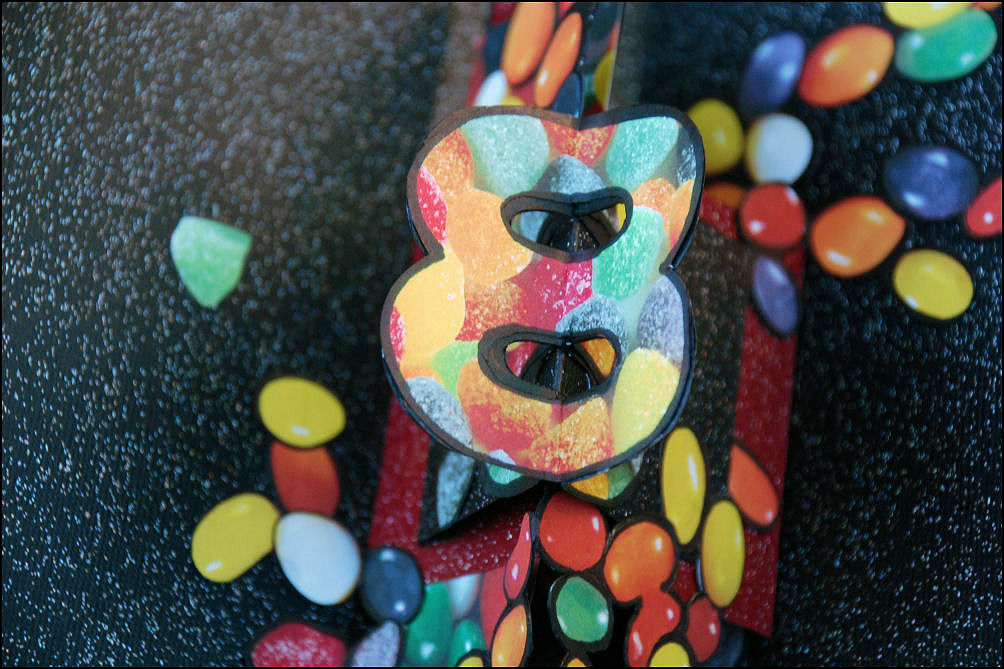
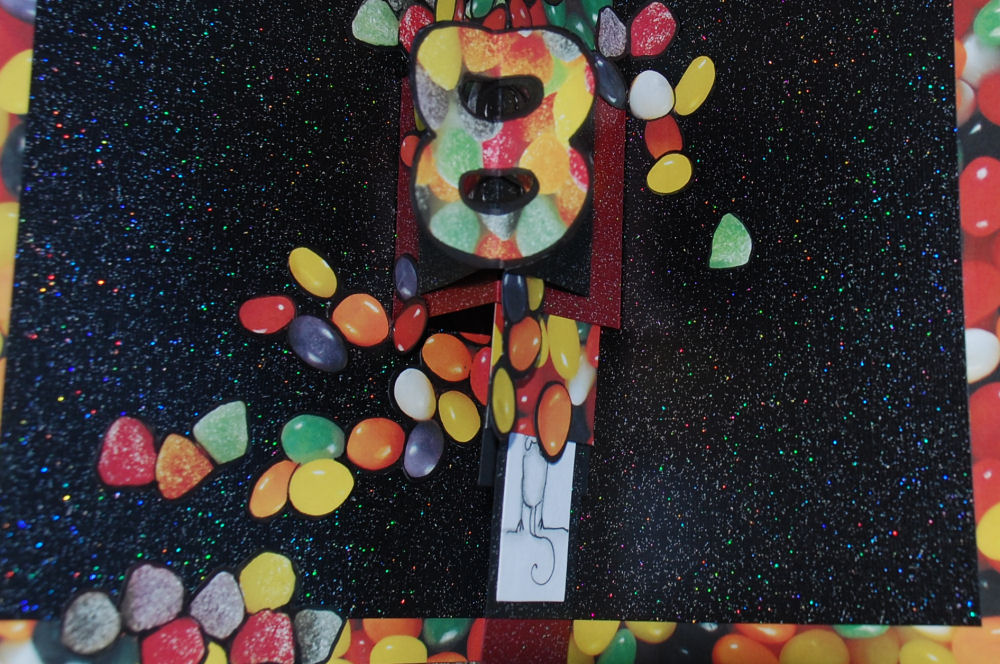
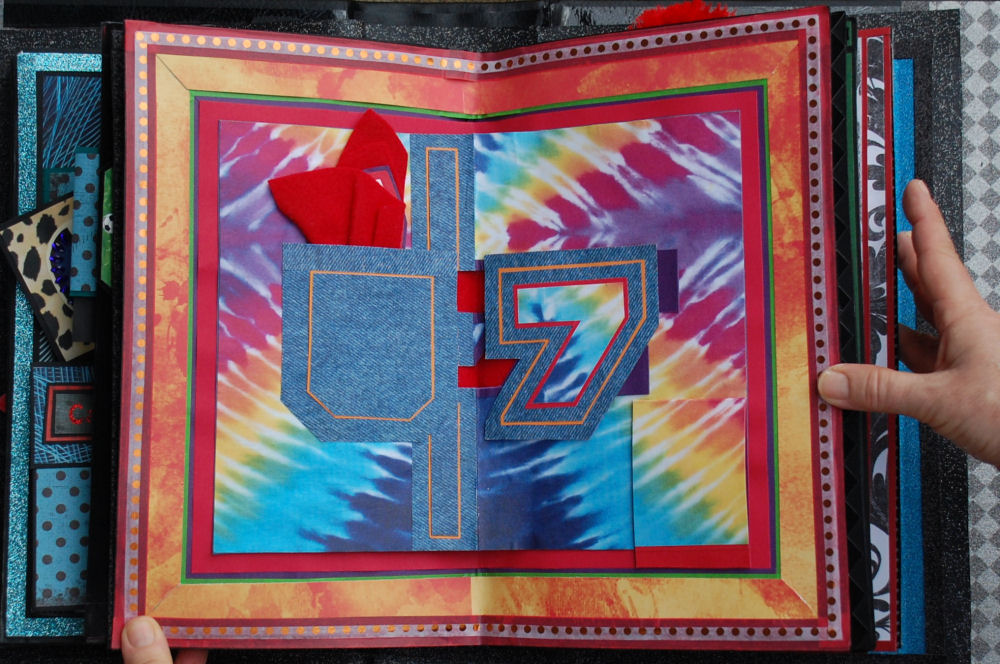
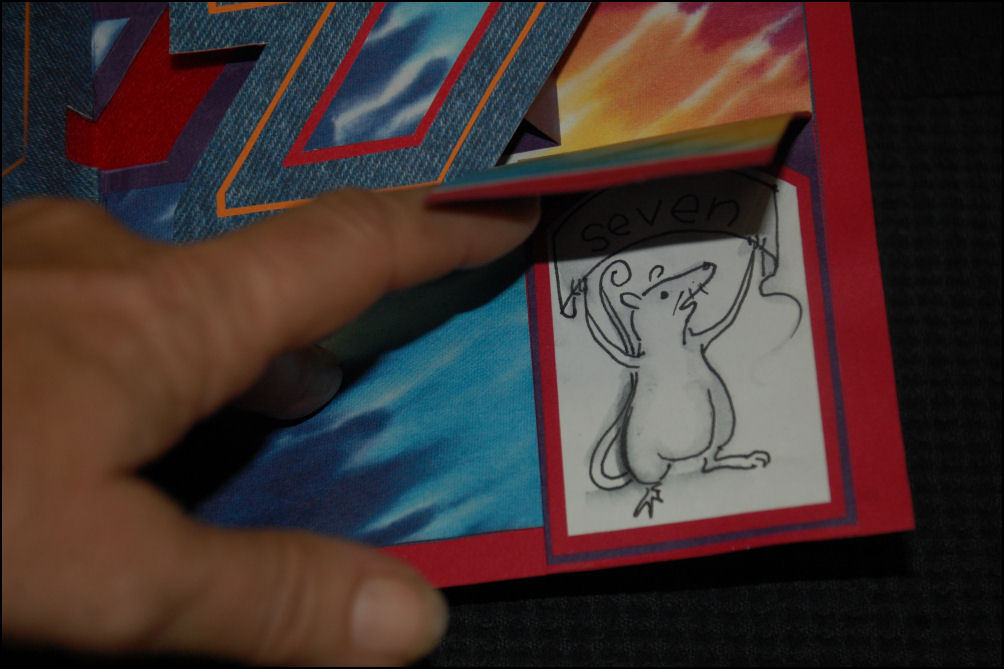
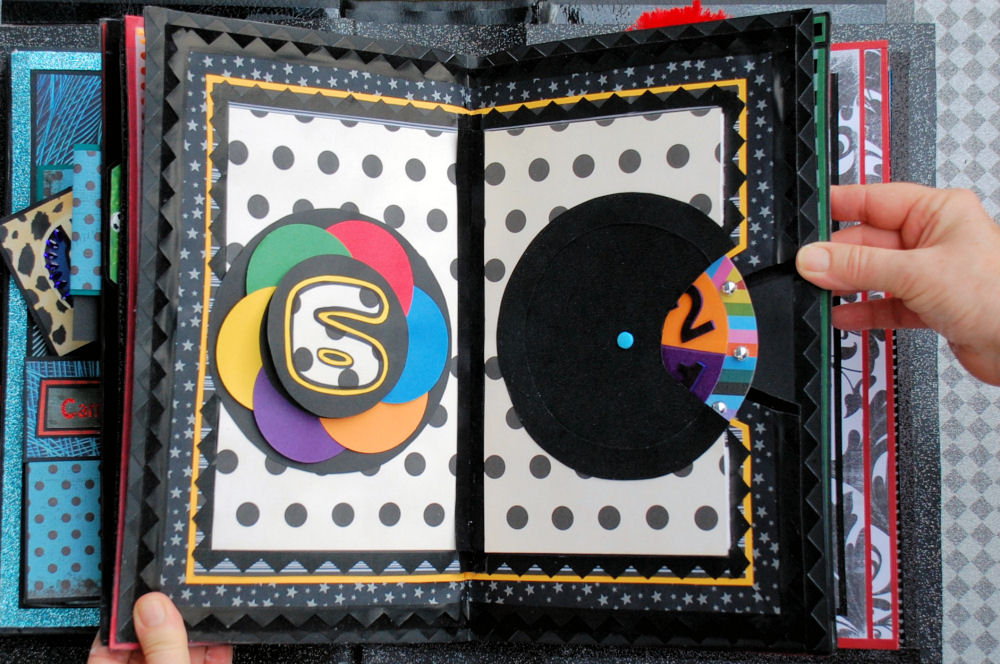
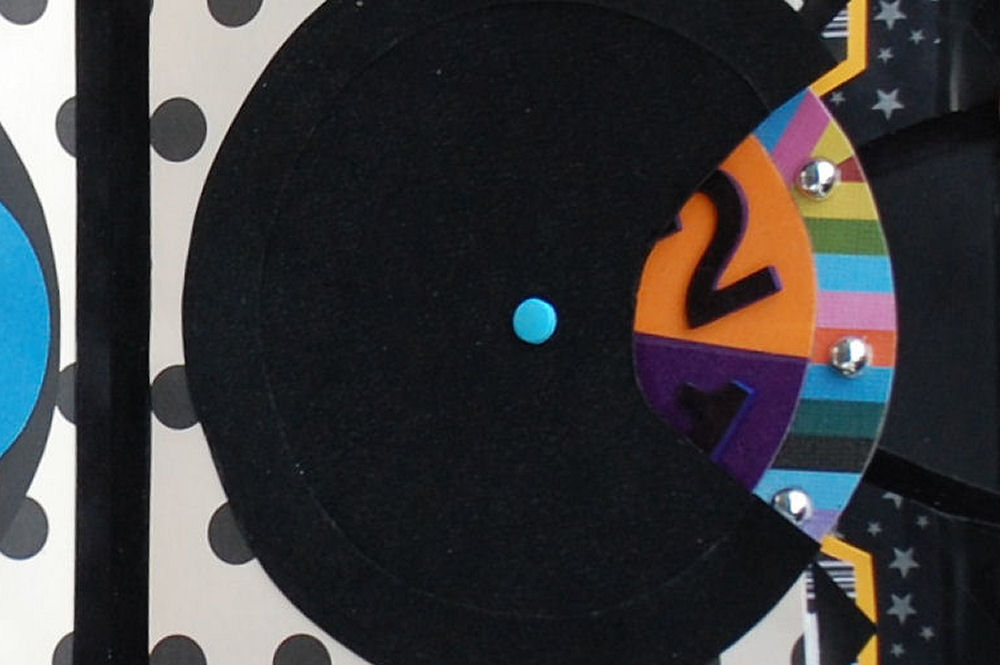
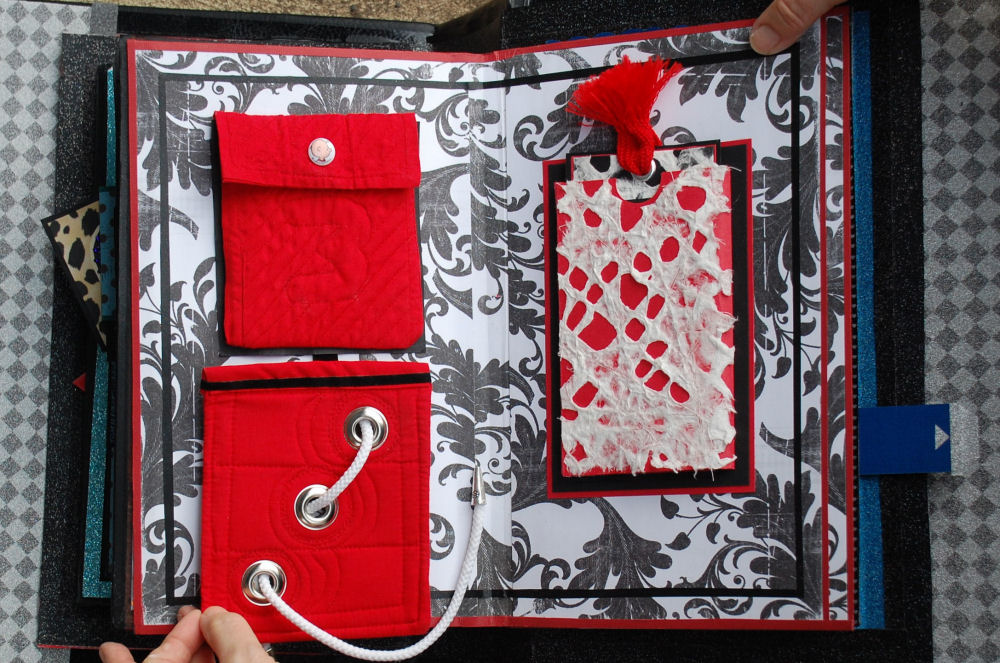
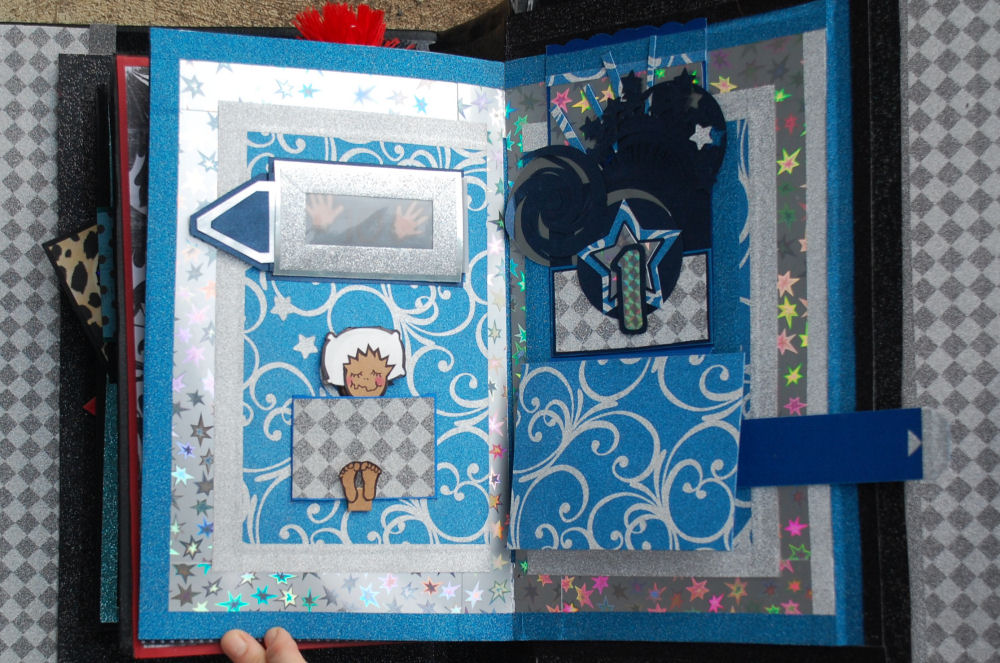
 July 2014 – March 2015: Cameron Can Count Backwards
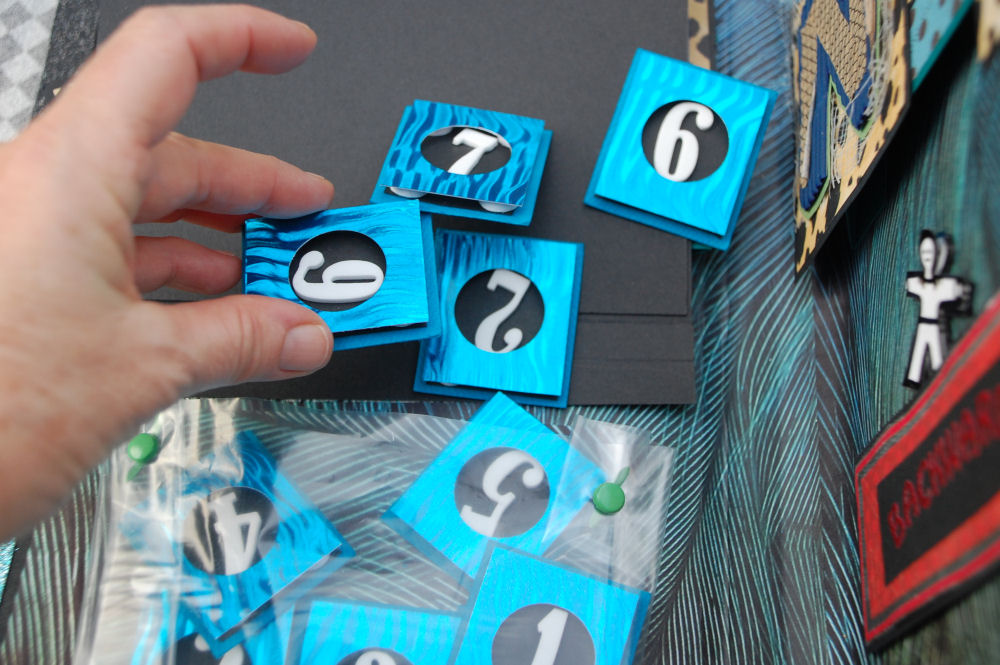
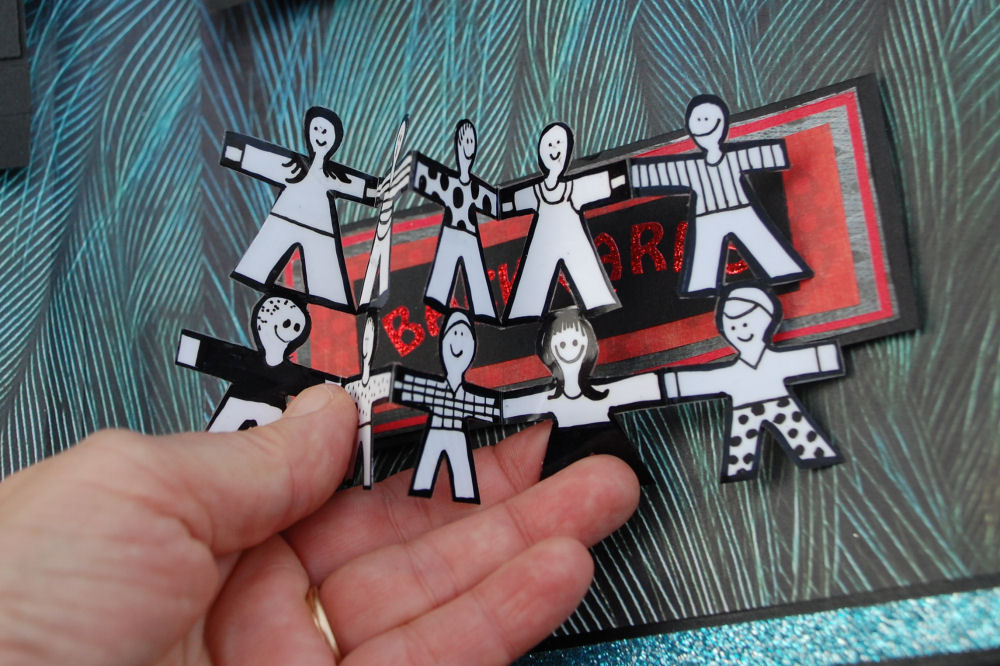
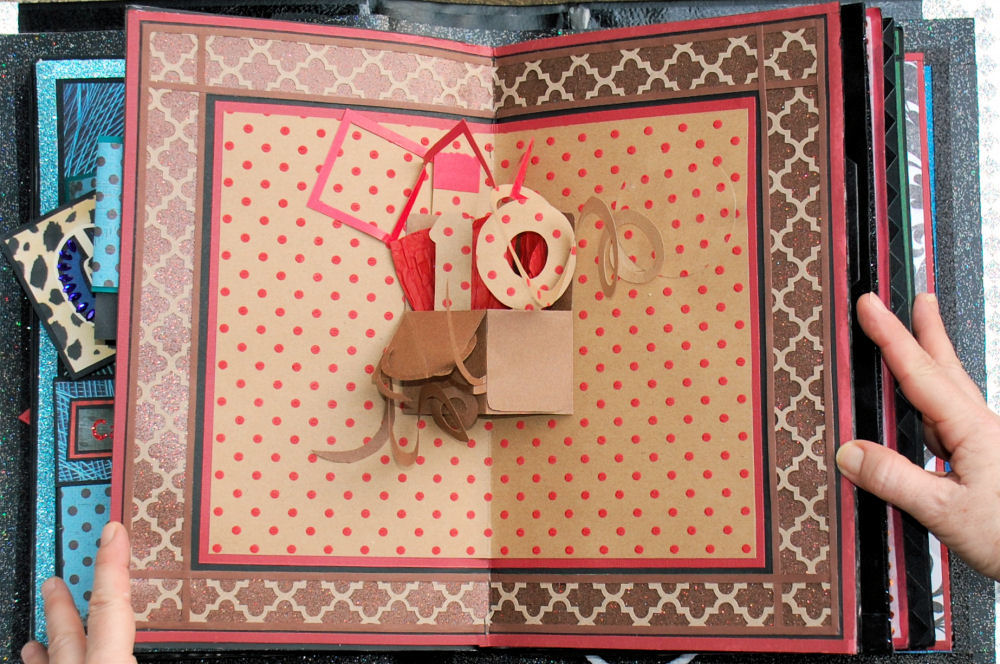
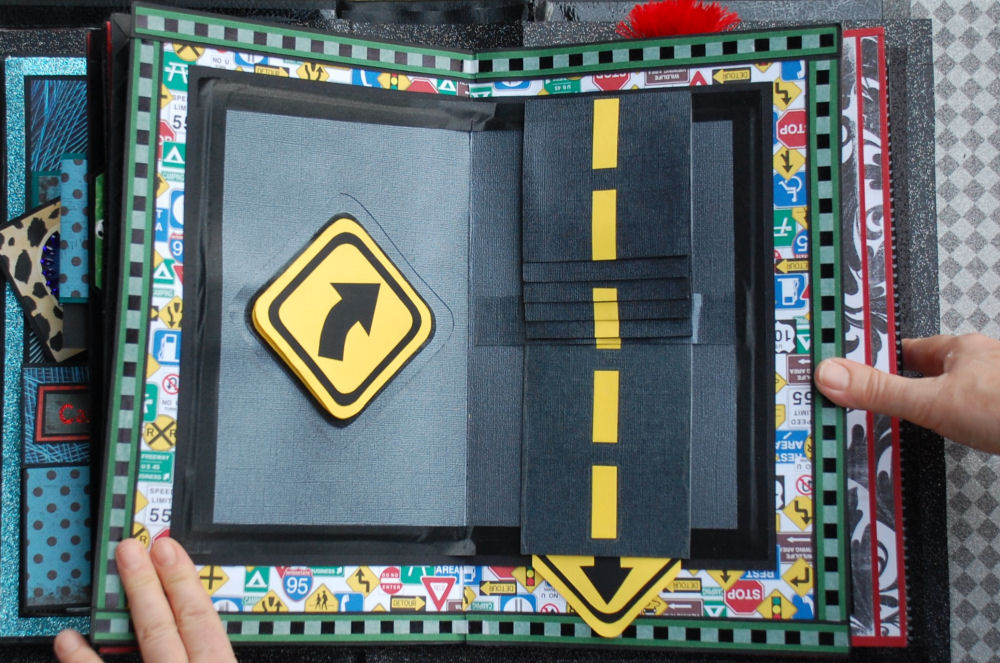
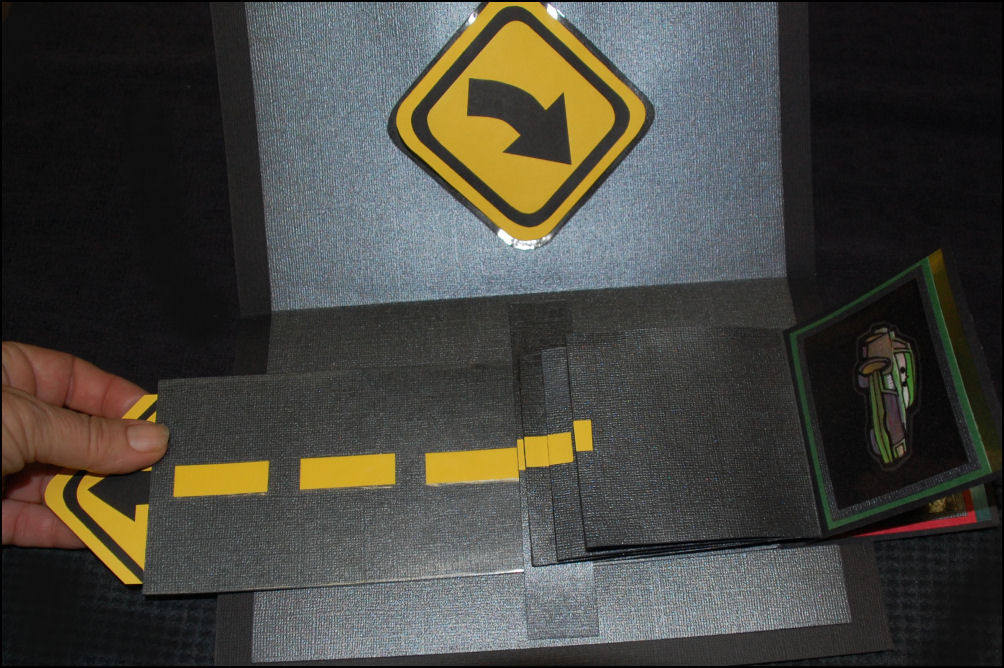
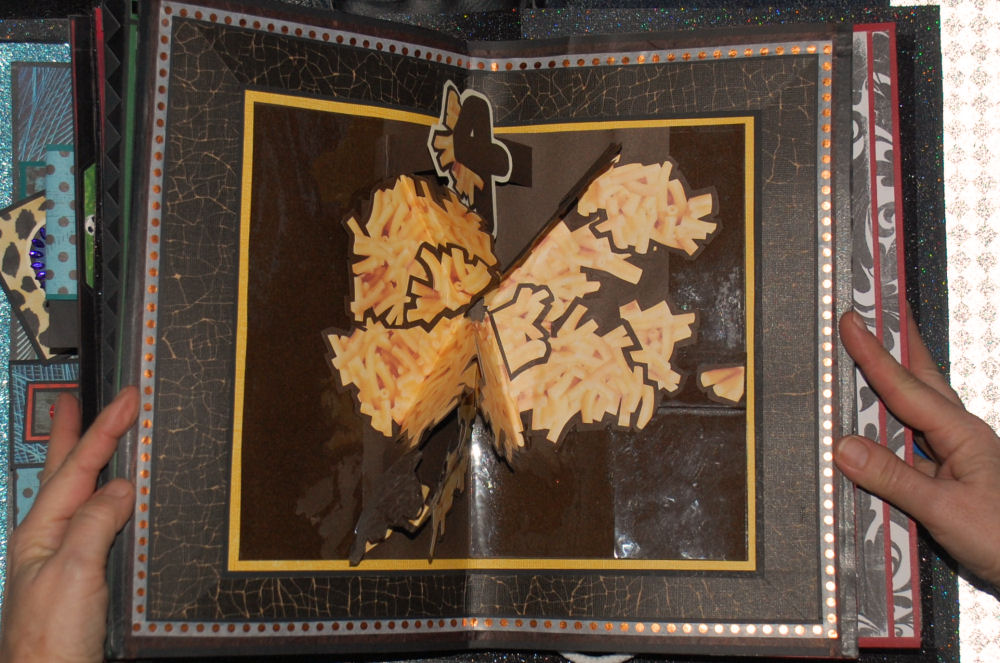
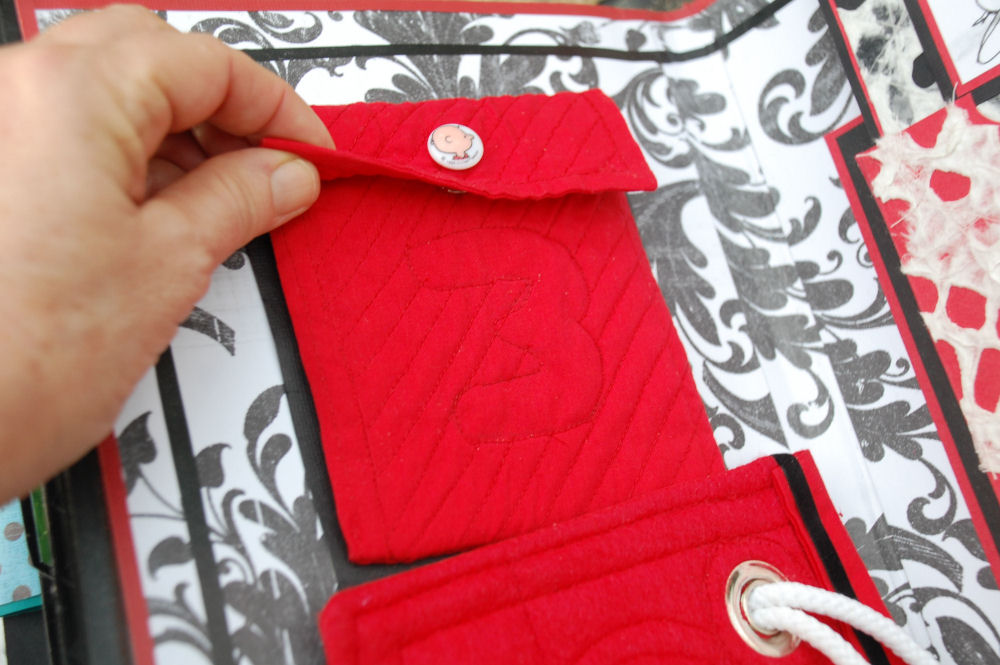
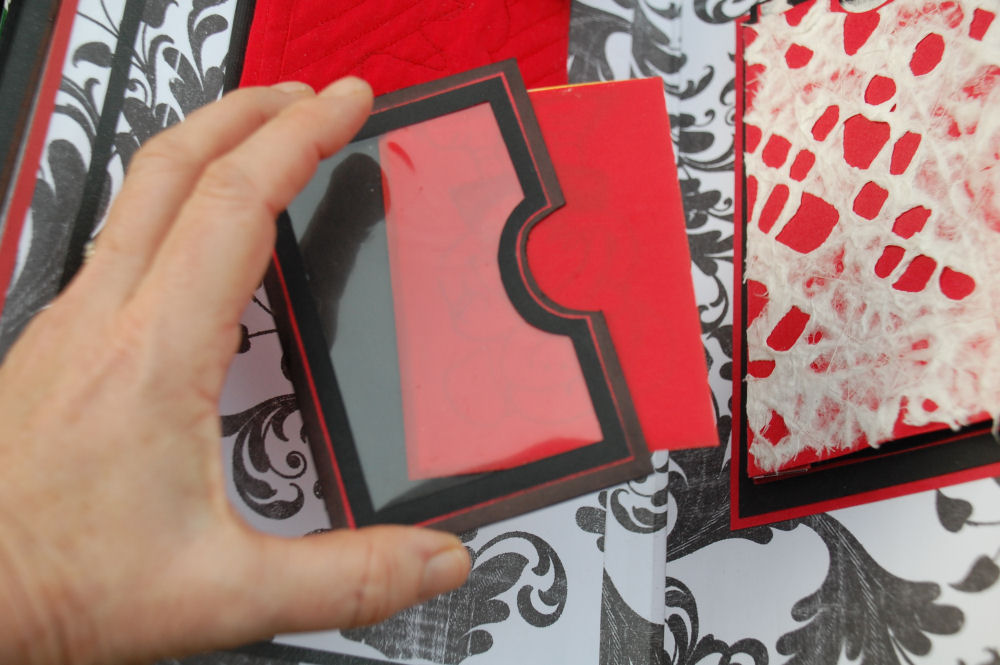
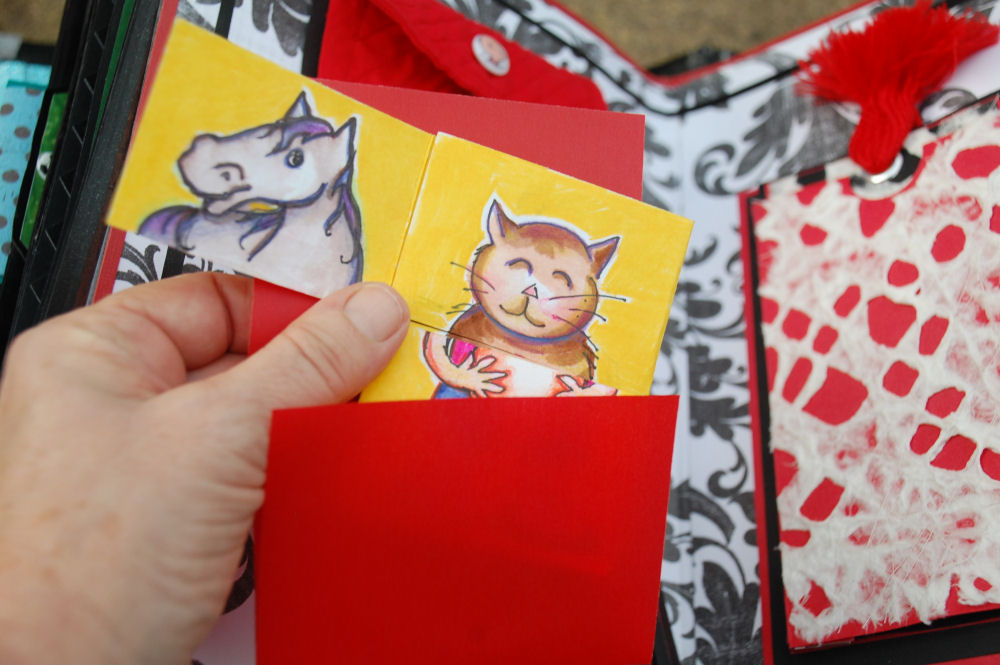
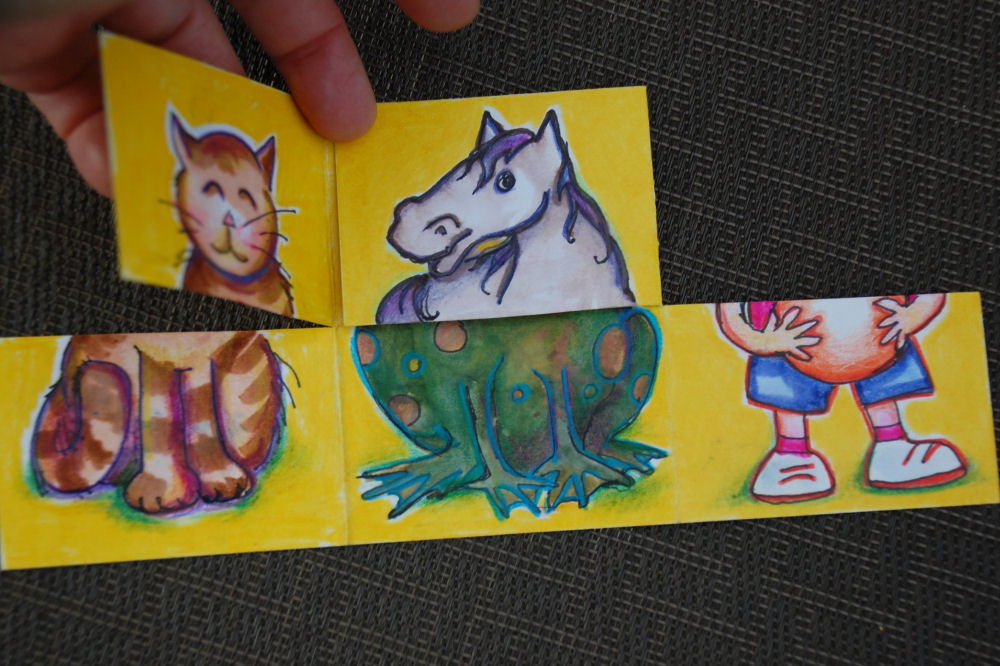
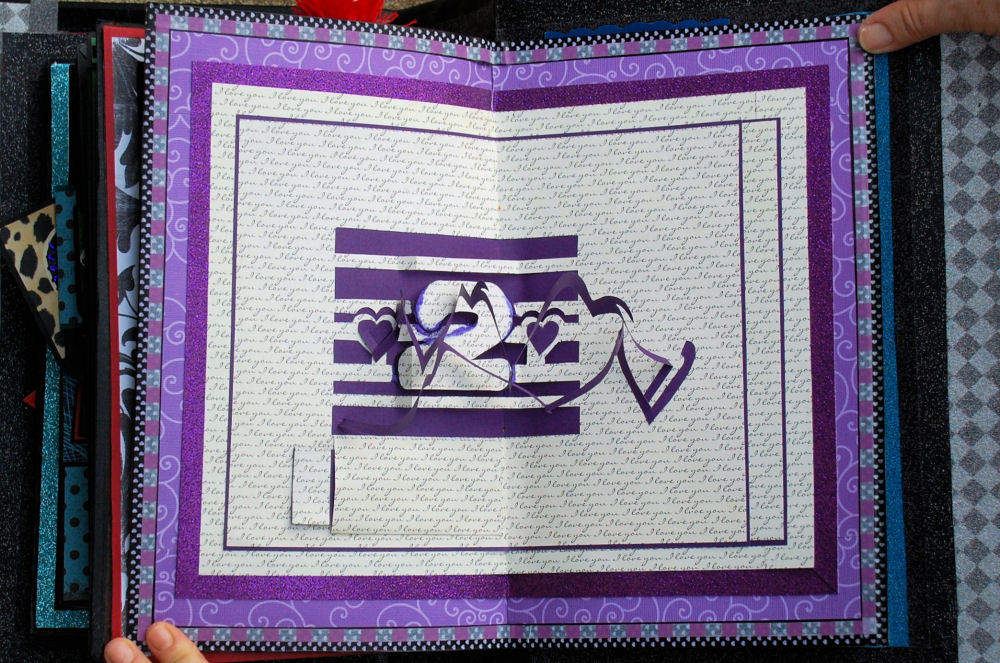
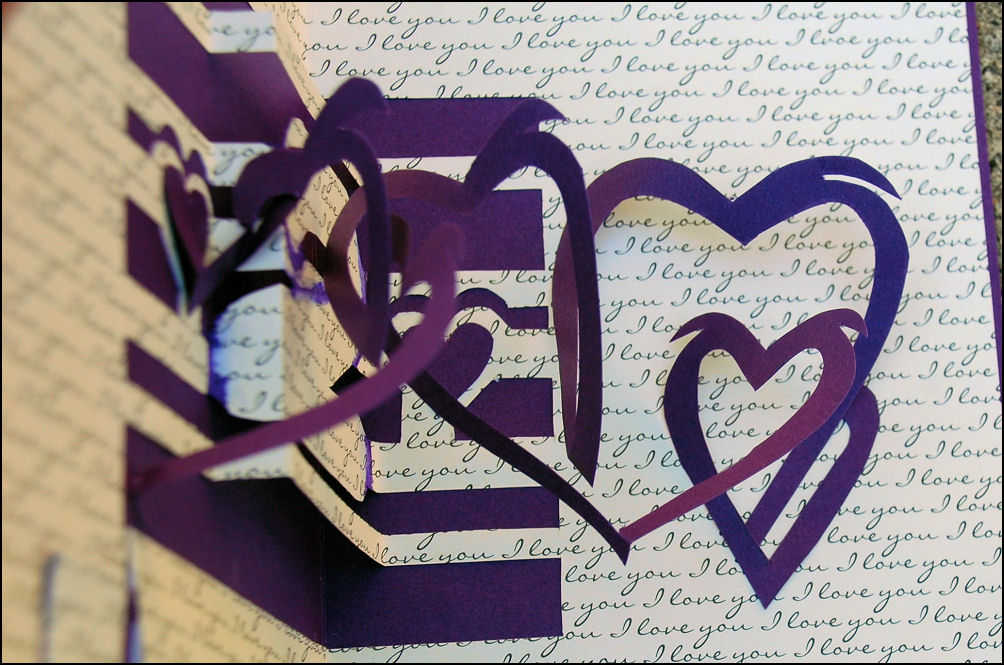
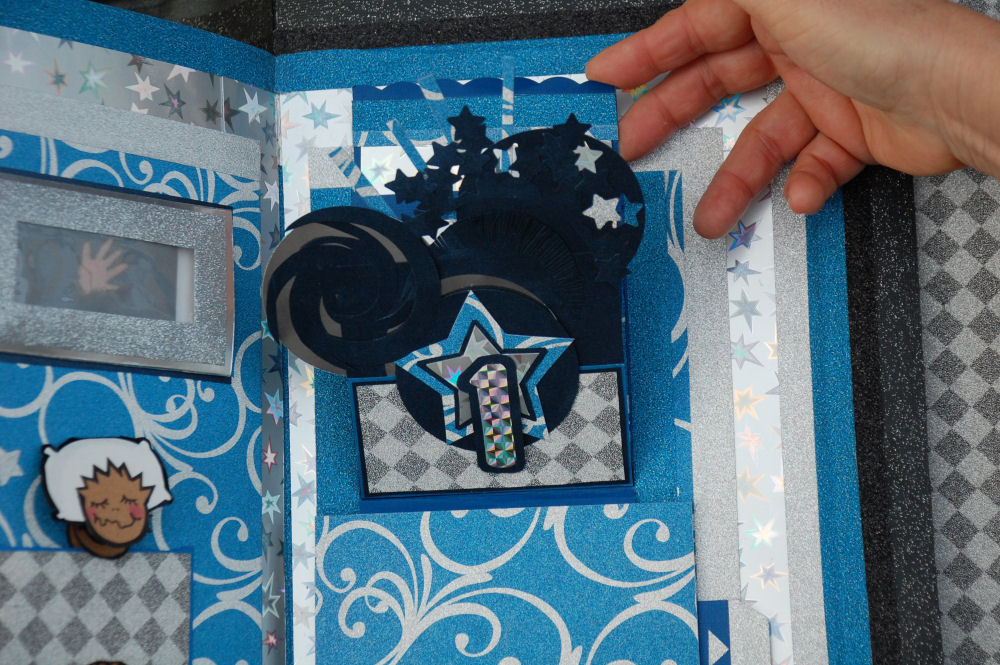
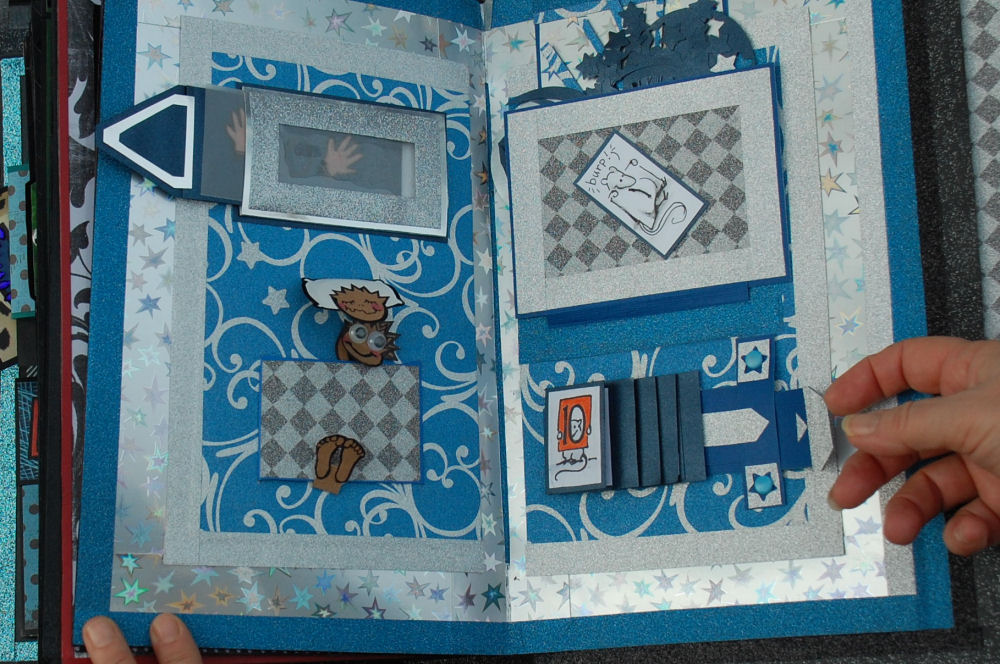
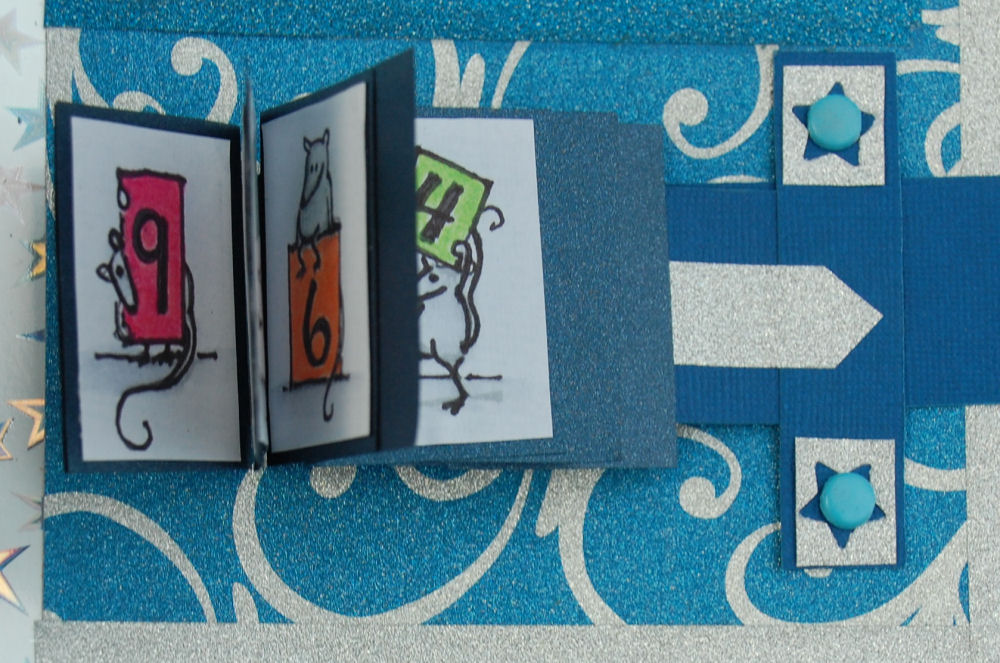
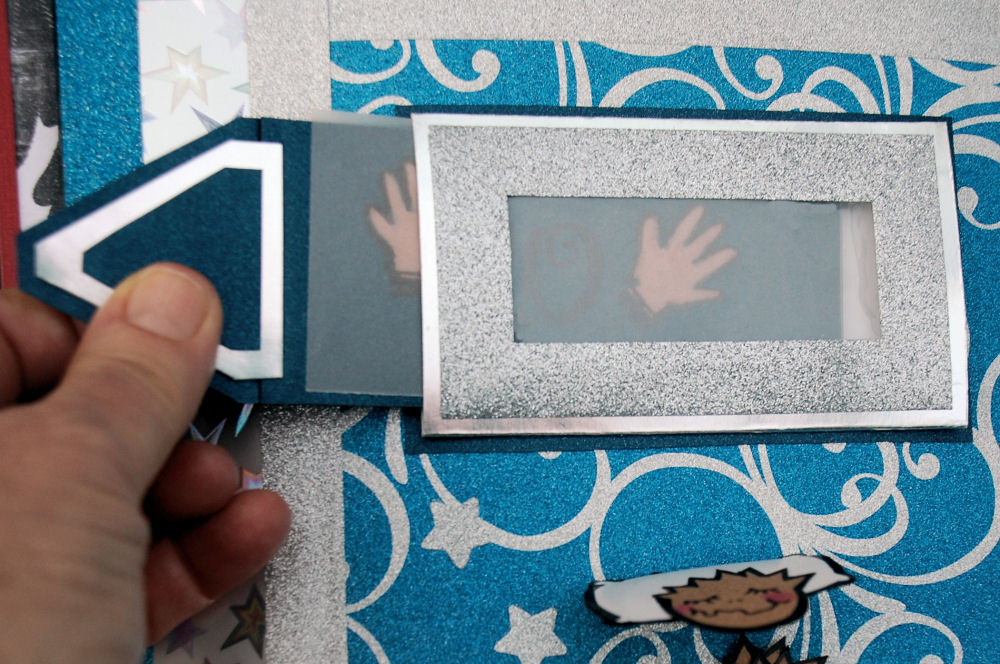
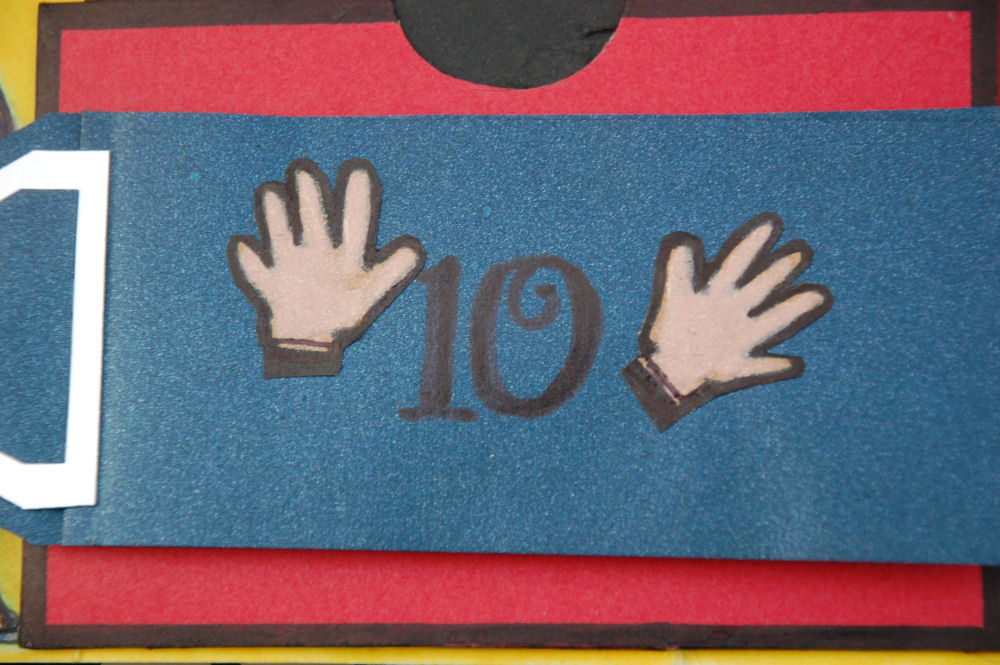
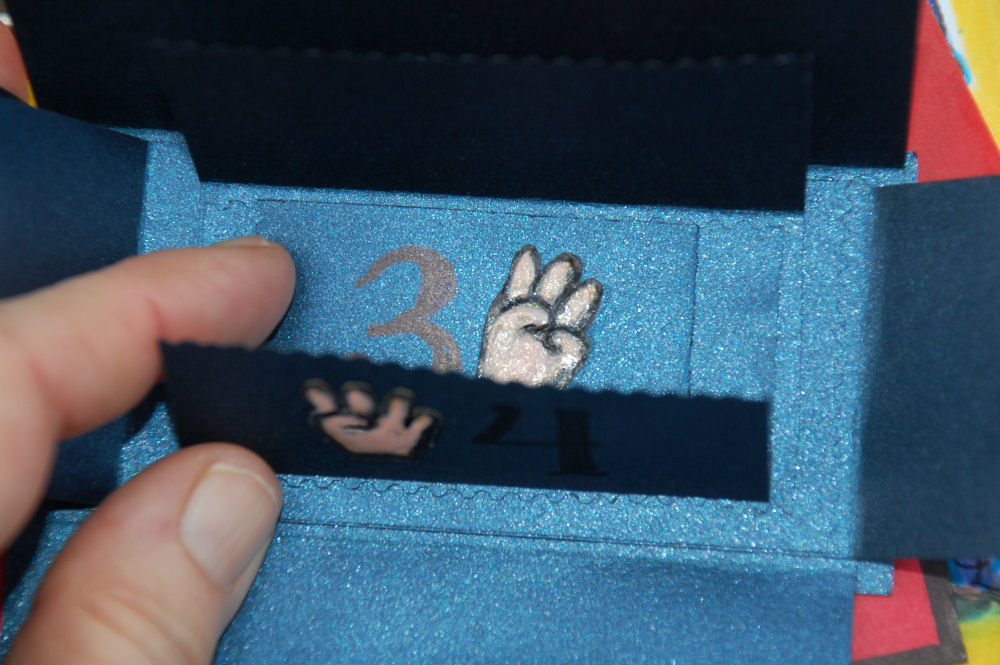
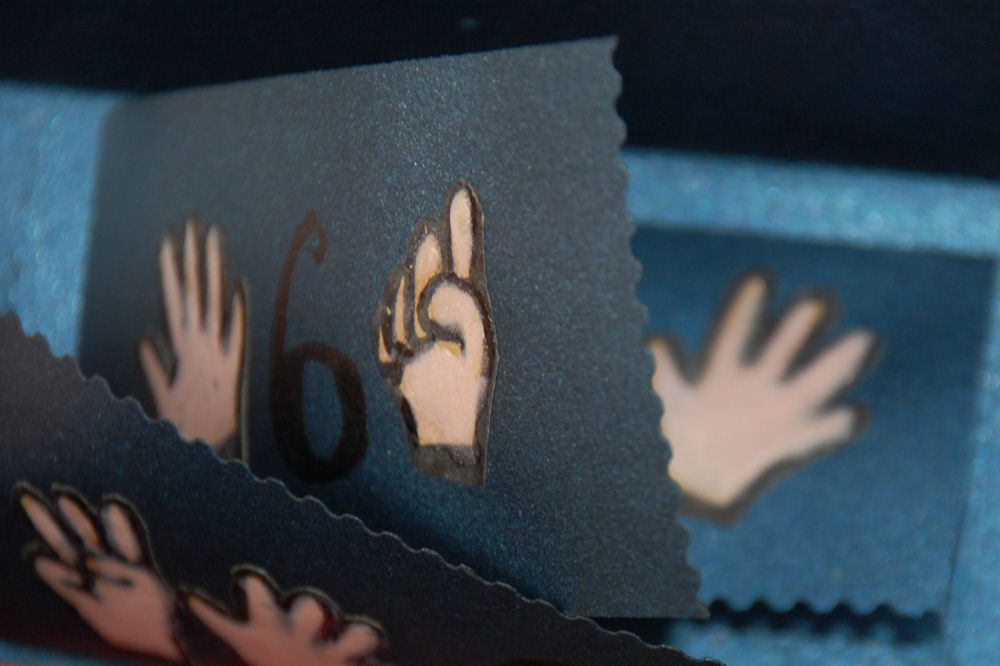
When Cameron was still two years old and I asked him what kind of book he’d like next, he answered “Cameron Can Count”. To fulfill his wishes, and my own for a clearer direction since that was the book he got last year, the compromise is a ‘backwards edition’ in the form of an interactive pop-up book. Searching the internet, there are a whole spectrum of paper-oriented art forms, from the craftiest, stamp-iest, cutsey Kricut machine-cut pop up cards to stunning, intricately engineered paper sculptures. The best website sharing easy-to-learn pop-up basics is Extreme Cards and Papercrafting.
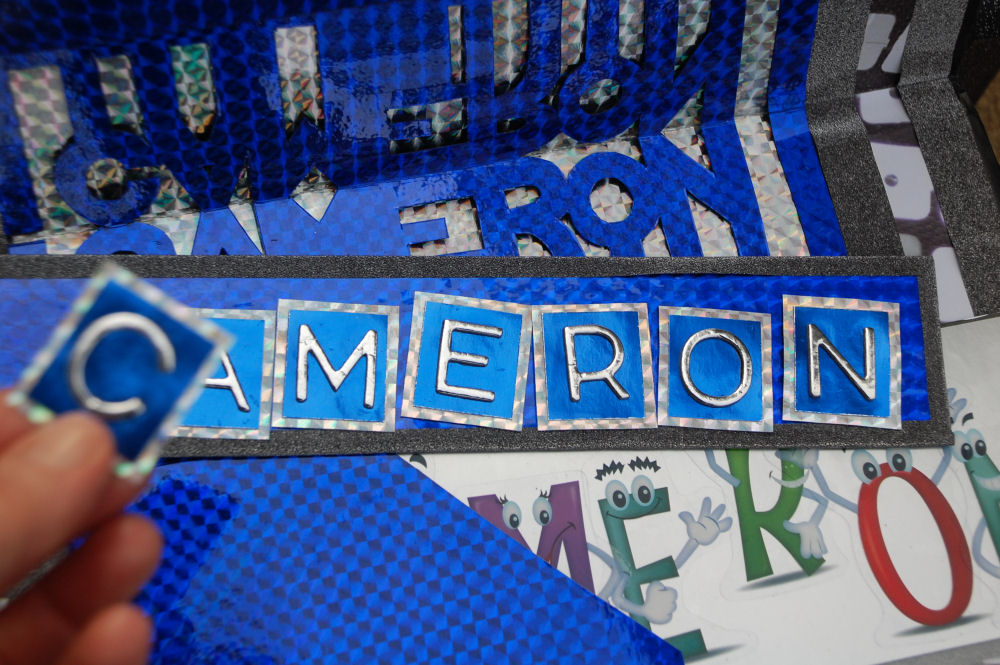
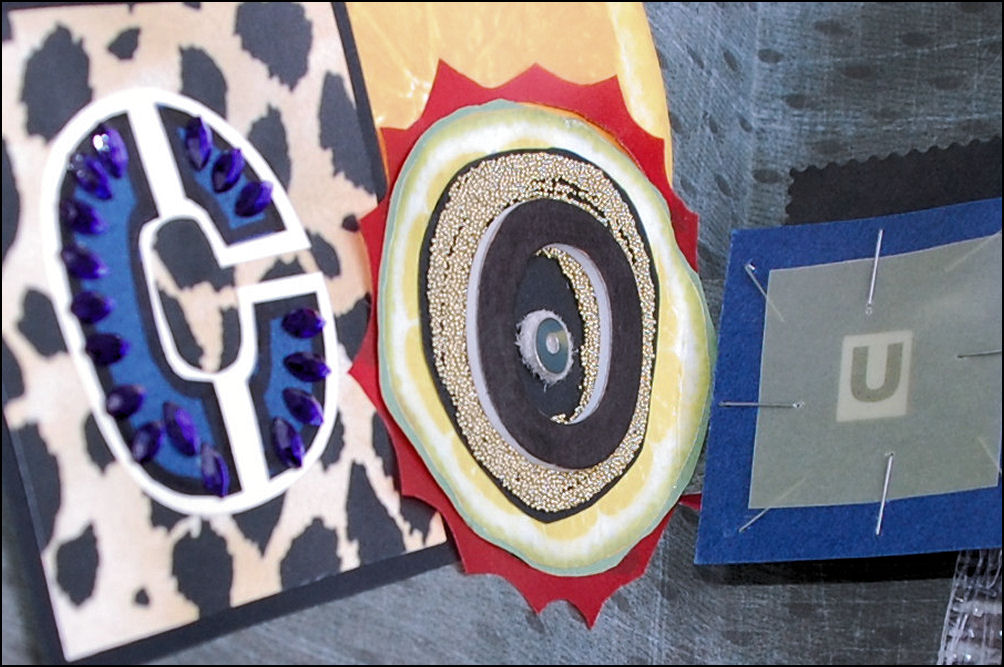
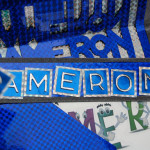 Starting with research and experimentation, I spent a couple of weeks making prototypes out of plain card stock. There are fantastic selections of decorative paper, tapes and trim designs available in craft stores now, and purchasing these things helped spark imagination and theme visualization. Supplies can be pricey, but less so if using coupons and waiting for sales. There were plenty of miscellaneous materials already on-hand, and the dollar store is always a good resource for finding things like the magnetic car game which was pulled apart and reassembled into a name-spelling activity.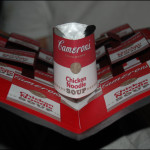
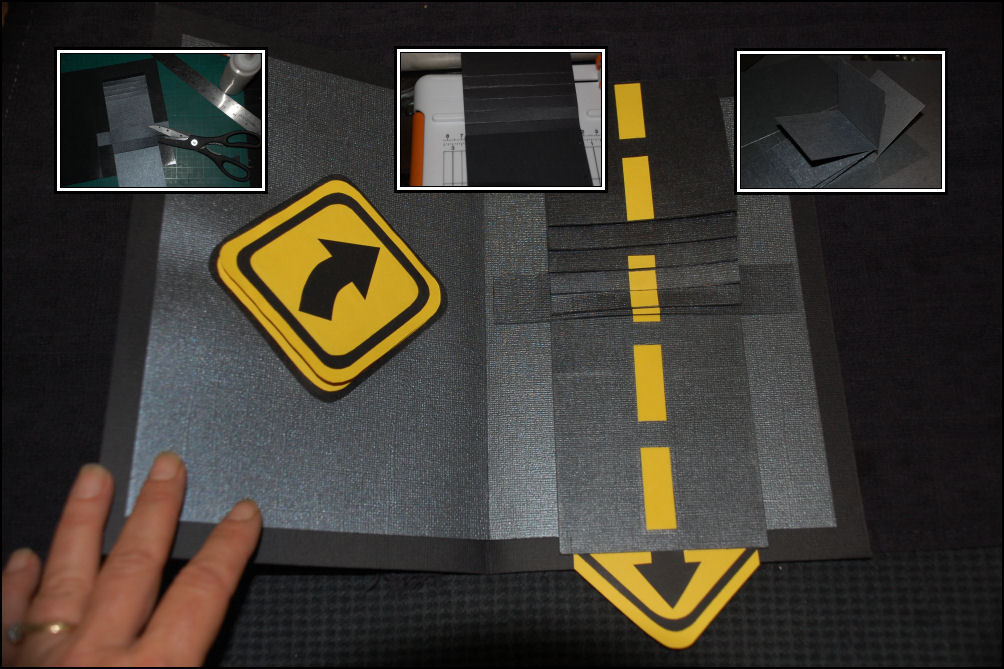
After the initial creative buzz, somewhere along the way a certain amount of restraint is called for, not just in shopping, but in choosing which pop-up tricks to put where. For me, this stalled the process quite a bit. I was fairly overwhelmed by wanting to include all the bells and whistles, but it’s just not feasible to do every idea that “pops up”. Not only will the pages seem muddled by too many ideas, but increasing the mass presents a super challenge when binding the whole thing together. Mechanisms also need space to work properly, and a book like this needs to be comfortable to read. These were things that only experience could teach. Admittedly, there are a few clunky pages with things falling out of this book. Perhaps with the next book I’ll be able to exercise more of that restraint. Ah, realistically, probably not! 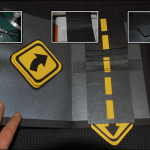
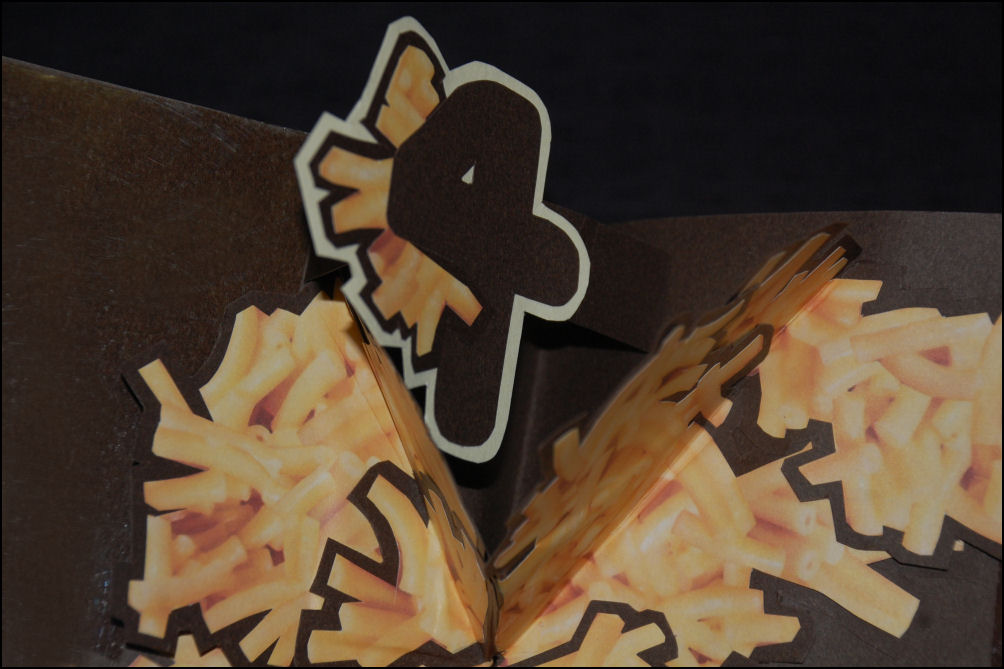
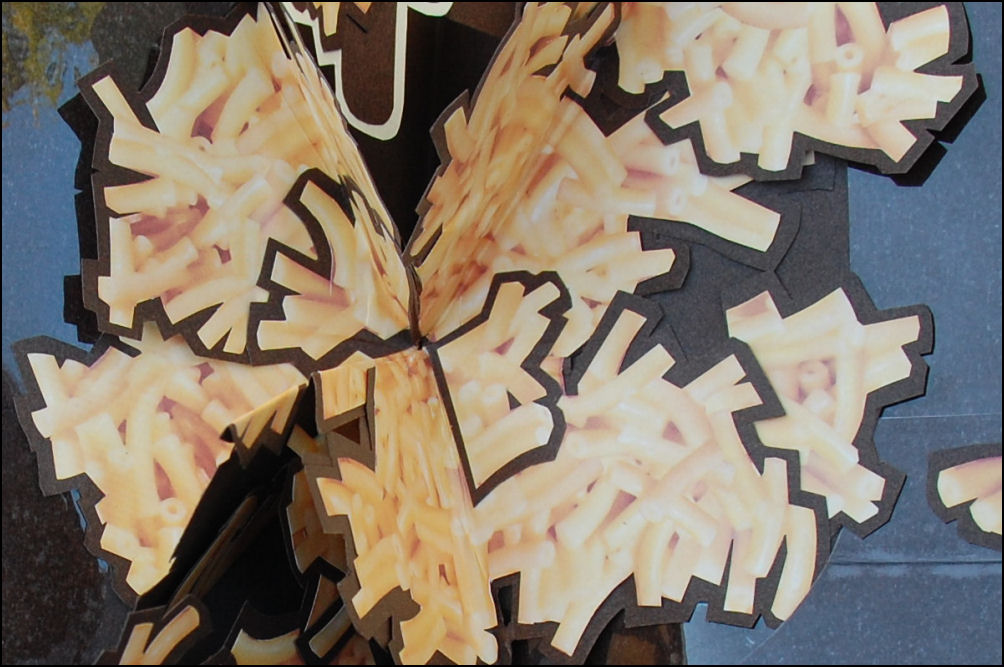
Balanced with the fun, more ornate facets of book-making, particularly with a pop-up / interactive book, learning and perfecting the basic structural elements cannot be overemphasized. The mathematics of paper mechanisms are unforgiving, and a millimeter off at the start can add up if things are not corrected as much as possible before going forward. Some of the folds are tricky, especially with pop-out lettering. Clean hands and work surfaces are extra important. Some papers show finger marks or buckle too easily, not practical for pop-ups or for children’s books. It becomes necessary to slow down, simplify, think ahead, see how things work, take extra care, and find the kind of patience you didn’t even think was obtainable.
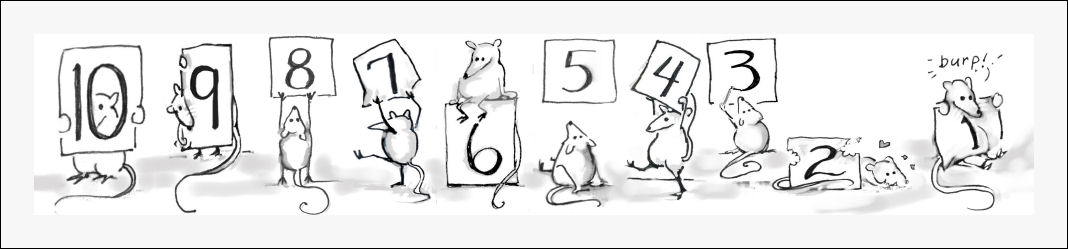
Translating the 2 dimensional into 3 dimensional can be frustrating, but as is repeated so often in my blog articles about creating anything, mistakes are a beneficial part of the learning process. It’s definitely hard to have faith in that when pages have to be redone several times though, and some papers are pretty expensive or hard to find again. Well, experience and confidence are earned, and it ain’t cheap!
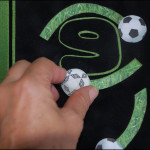 Each year my books for Cameron will be age-appropriate. He and his little visitor-friends are likely to turn pages harshly and press books open beyond stress points, that’s to be expected. These pages are made primarily with card stock and paper, and some have delicate parts far from durable or practical in a three-year-old’s hands, but young children already know about special things, and if they don’t, it’s the best age to guide them to treat things respectfully. Books are not like toy cars, and Cameron knows the difference. This will be more fun to read with an adult anyway, and it will be given a safe spot on a shelf until it’s time to read.
‘Cameron Can Count Backwards’ was started in July 2014 and just needs finishing touches. It’s March 2015 as this is written, and the book has been bound, but fairly ineffectively. The spine is not wide enough to open pages effectively. It could pass, but why do all this work to have it not open adequately? This setback offers a chance to sew the cover in soft faux leather and improve the overall quality. I’d like it to look like a very old, important, expensive book.
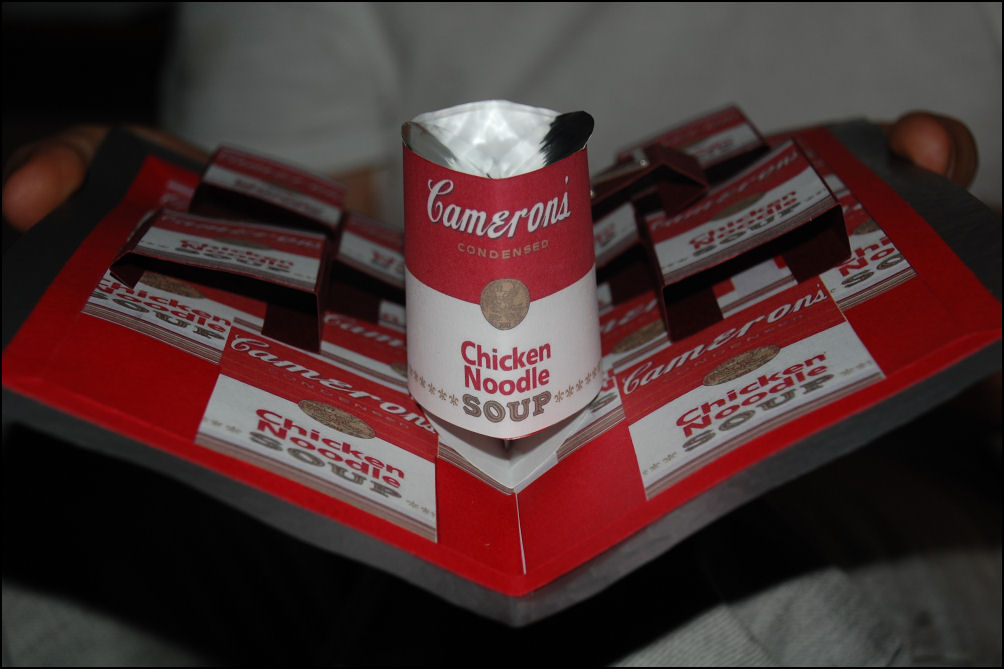
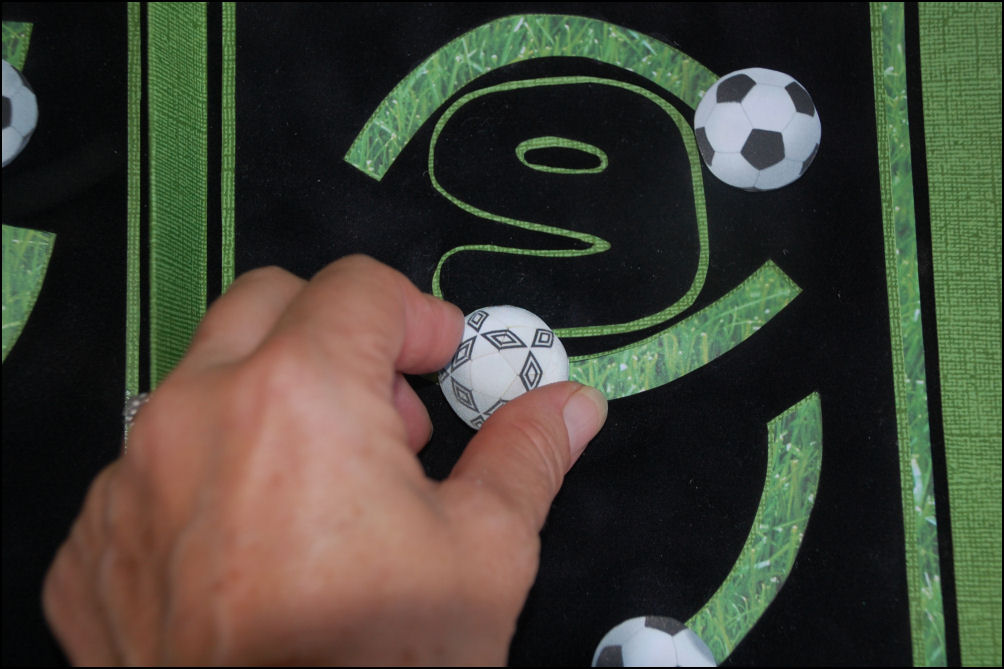
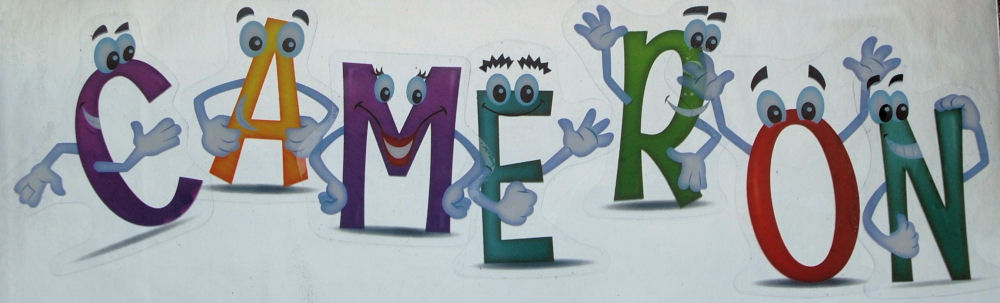
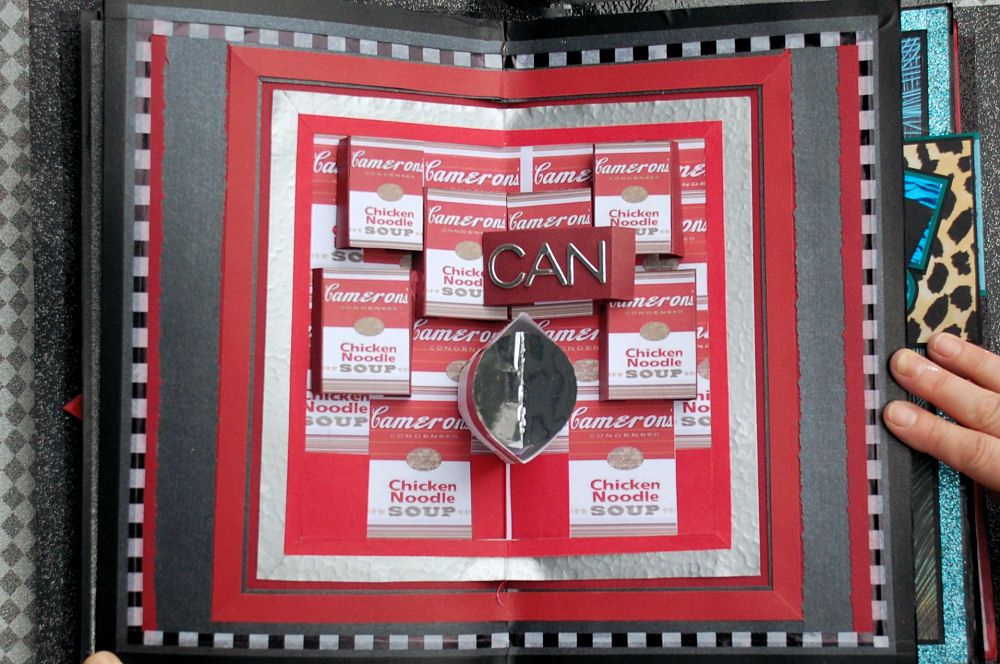
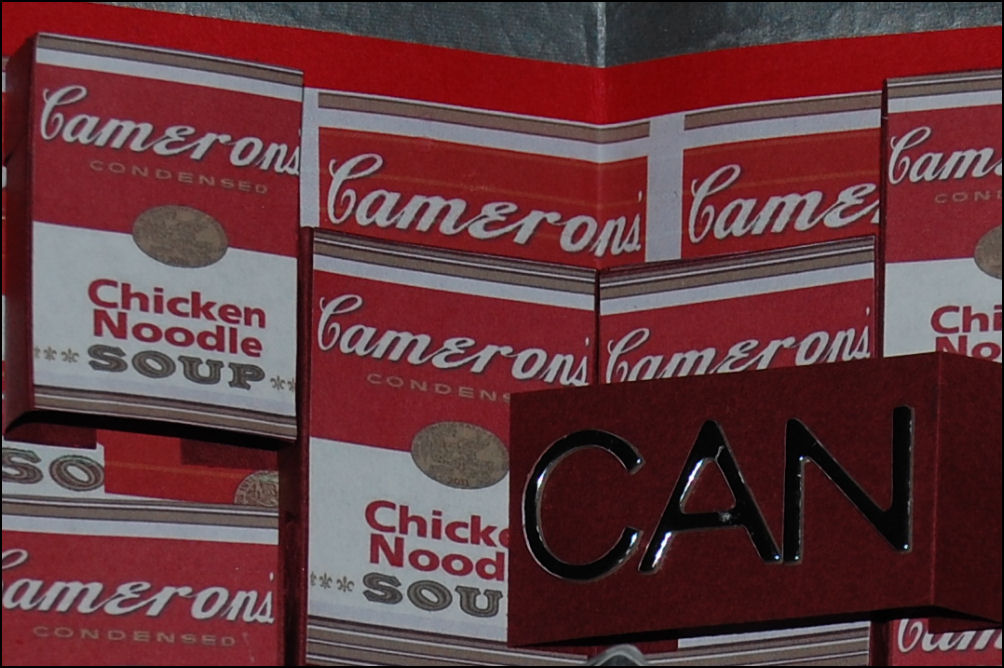
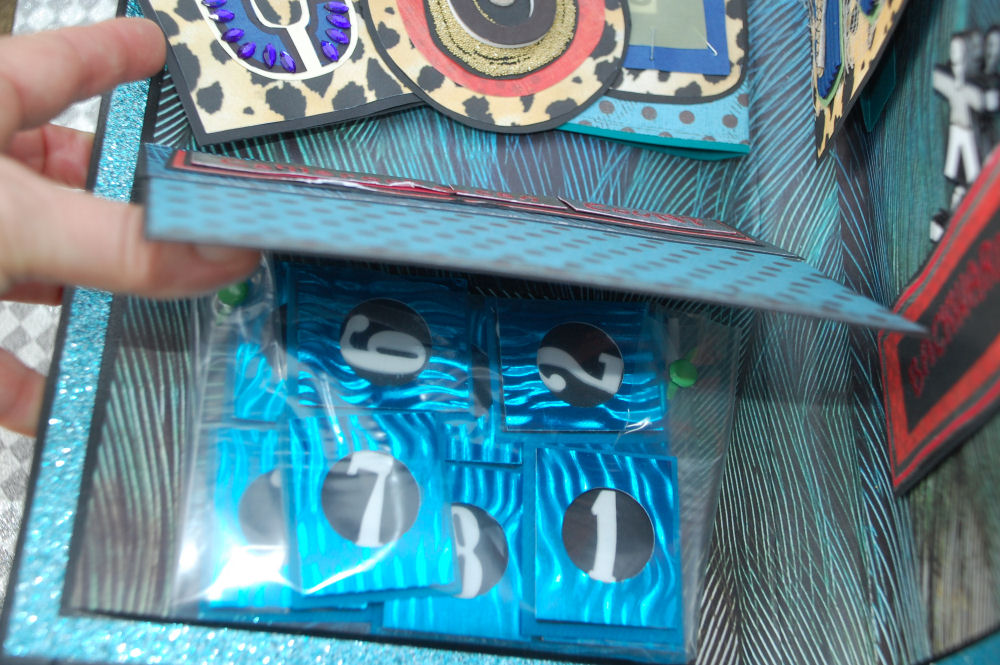
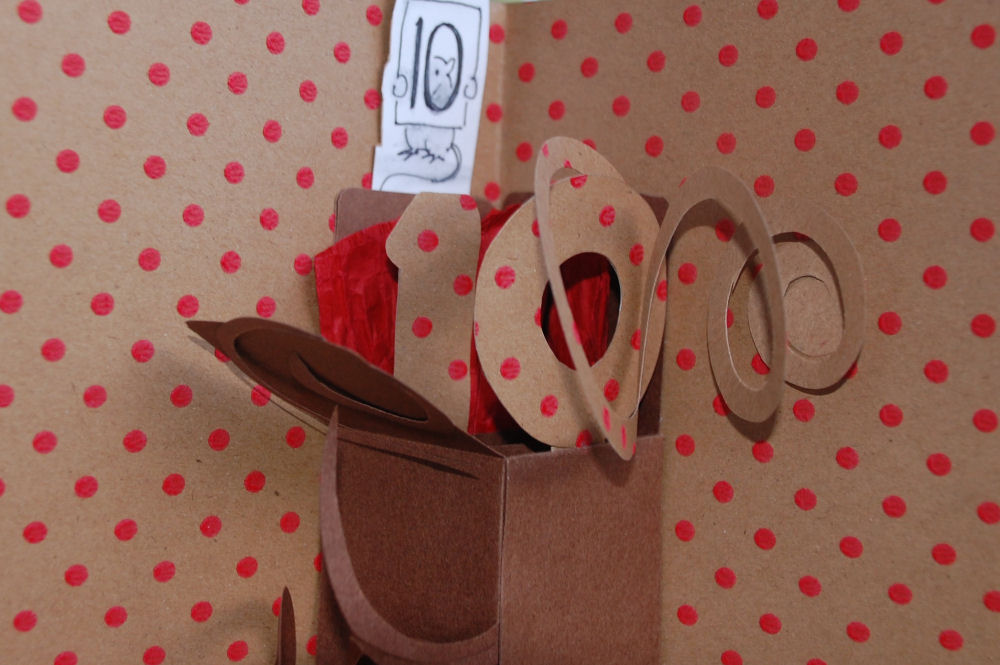
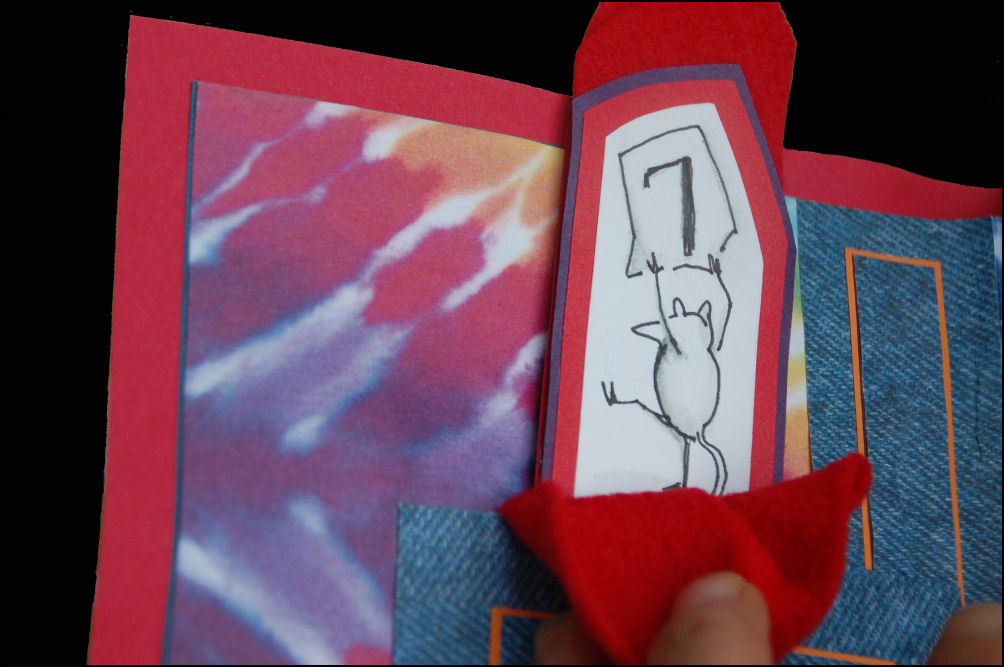
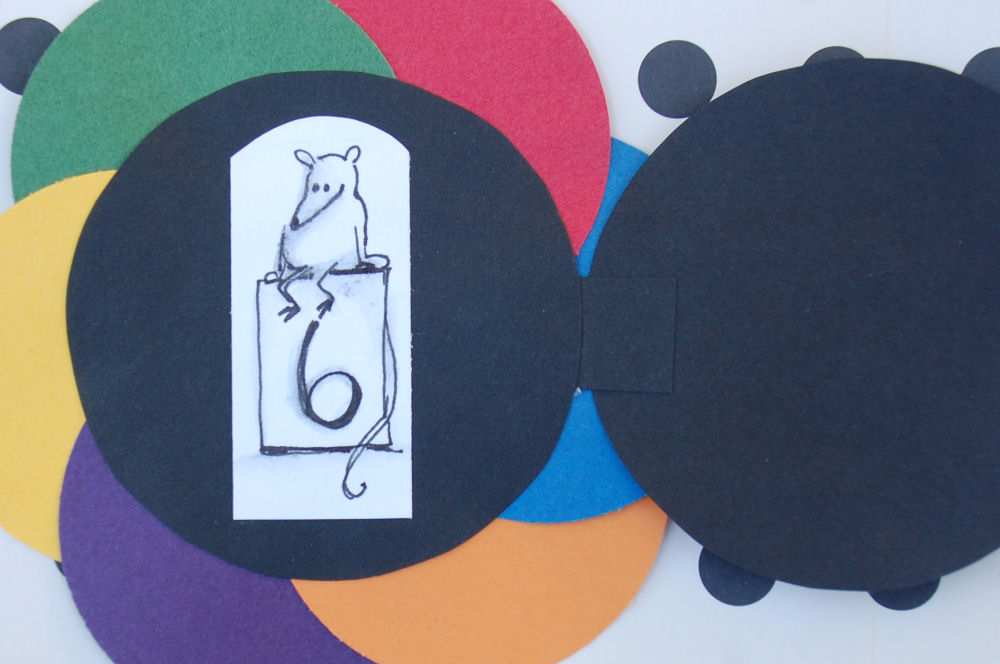
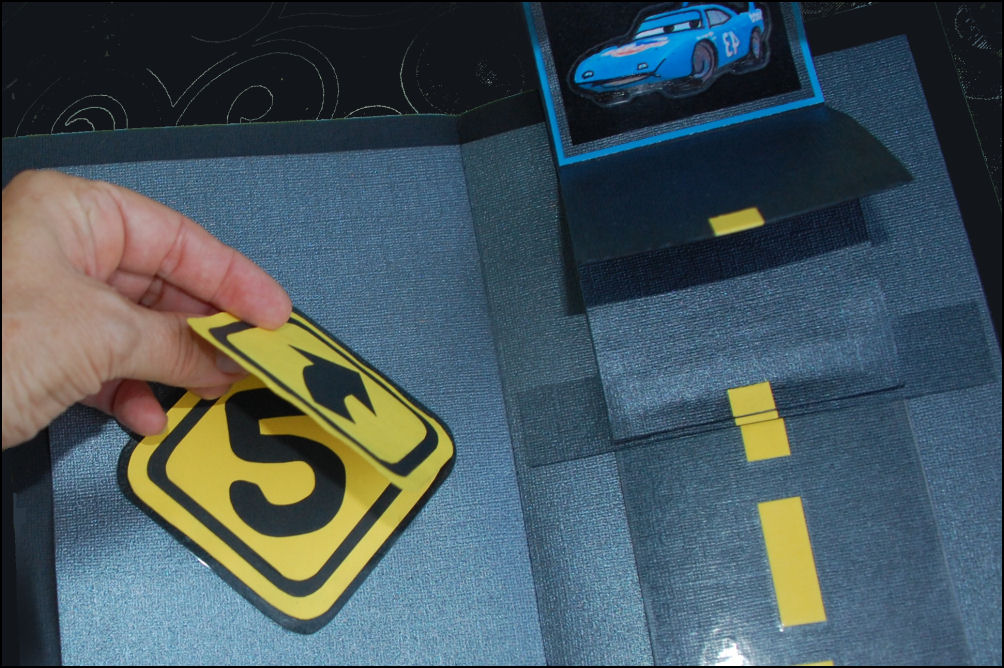
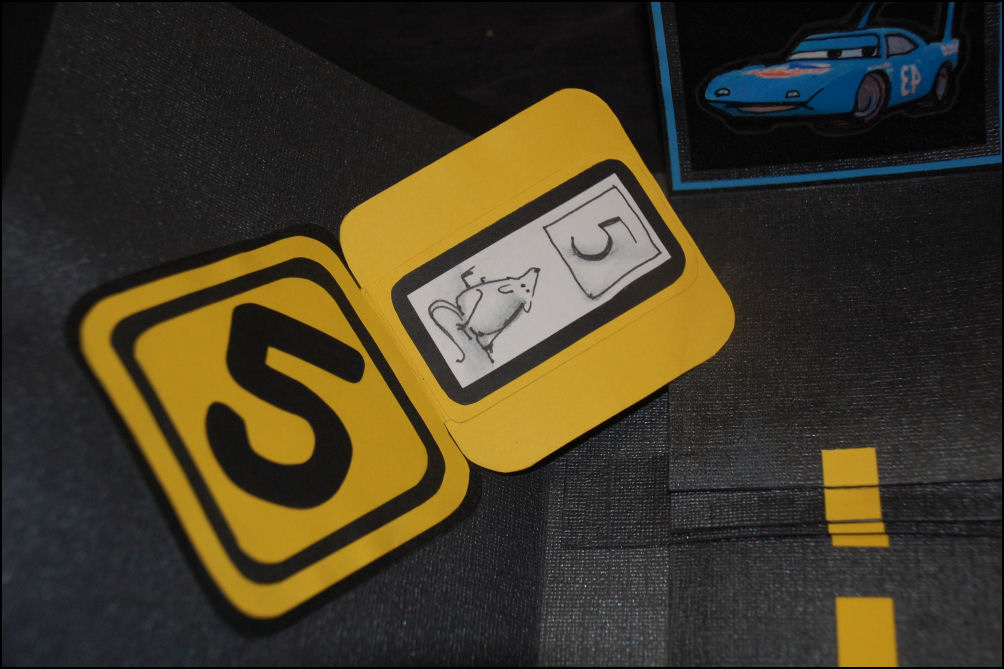
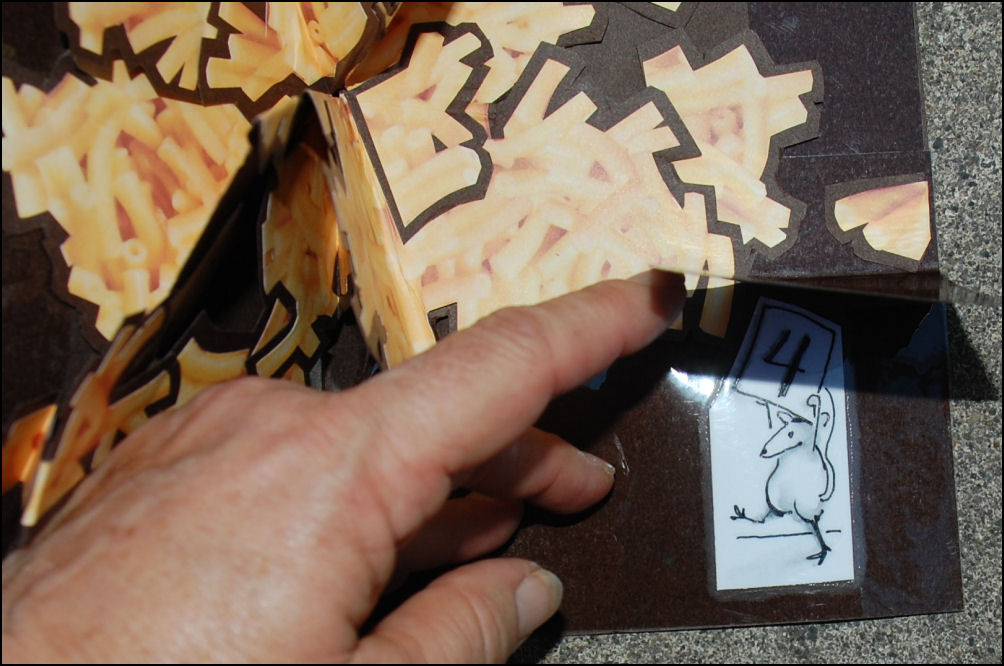
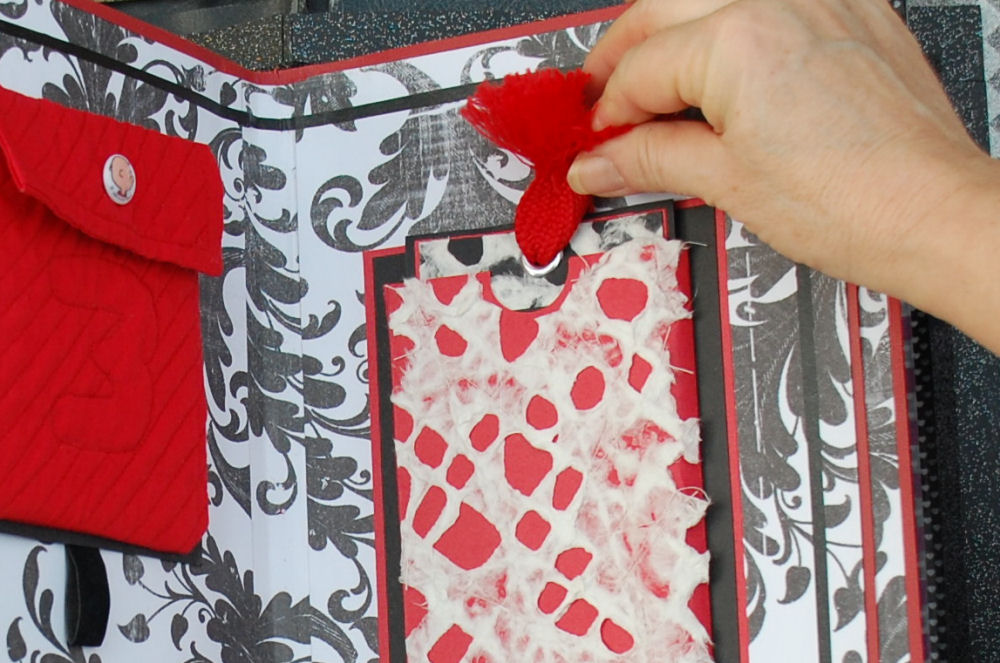
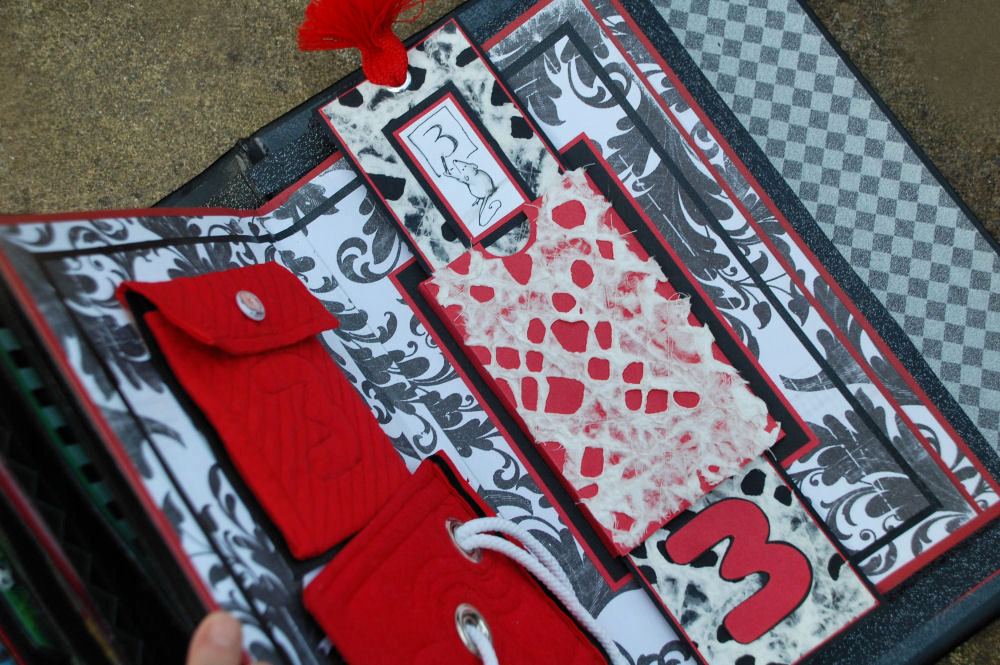
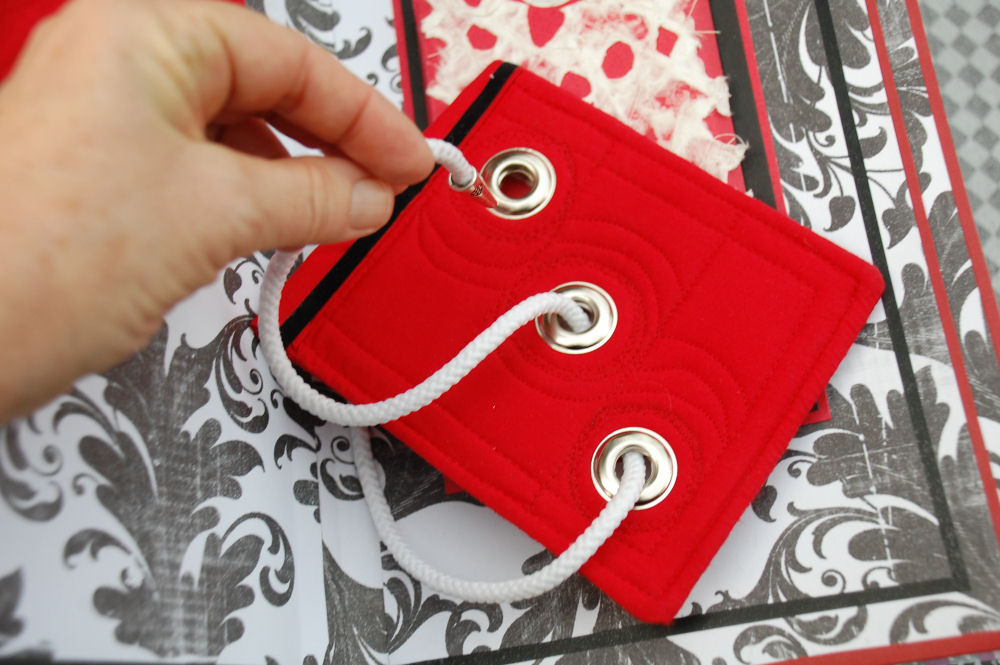
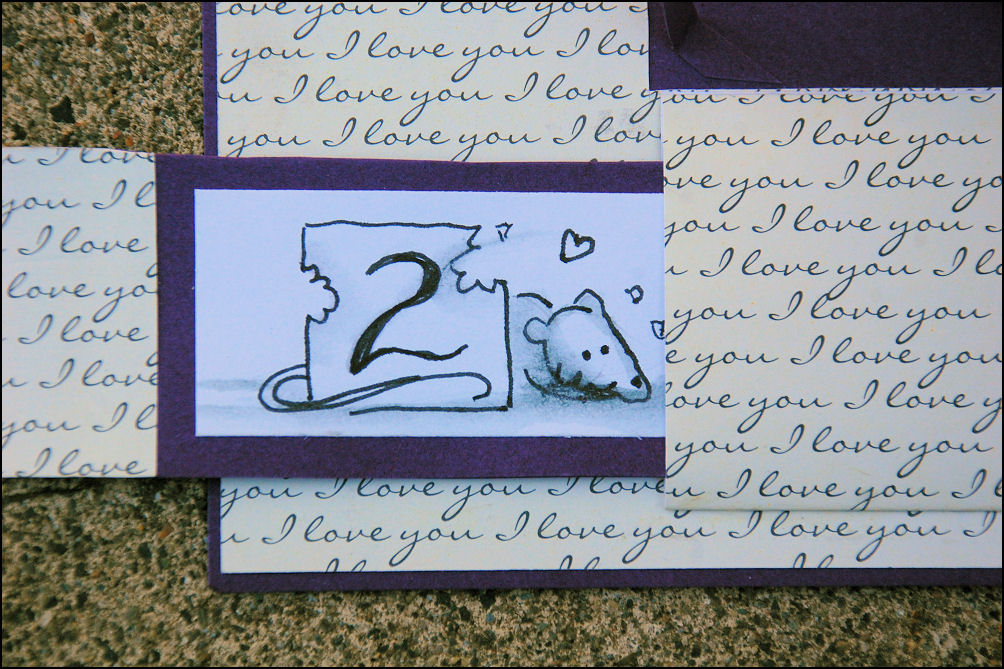
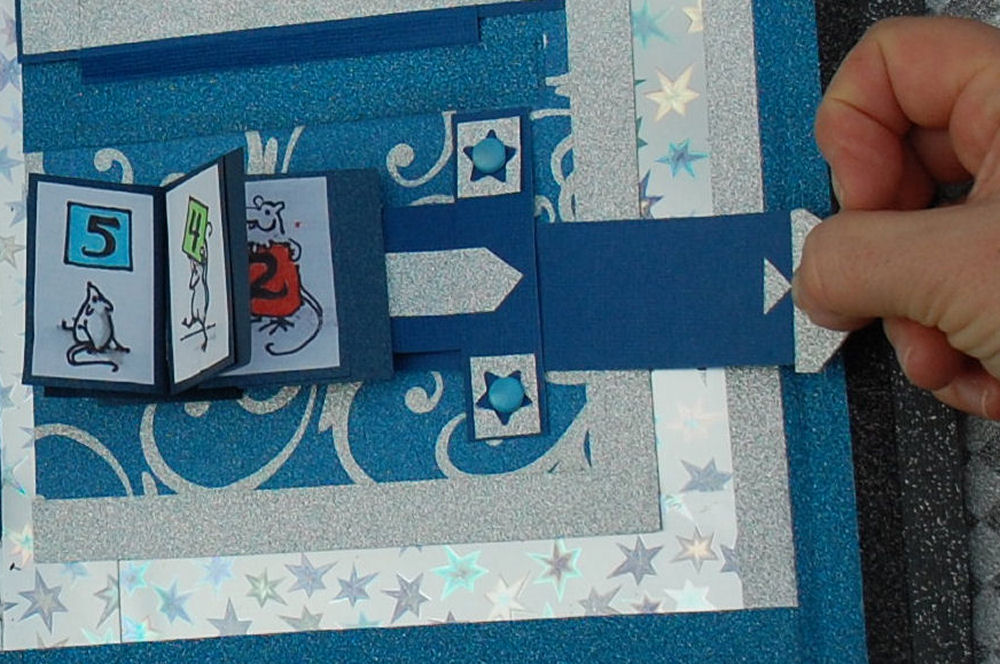
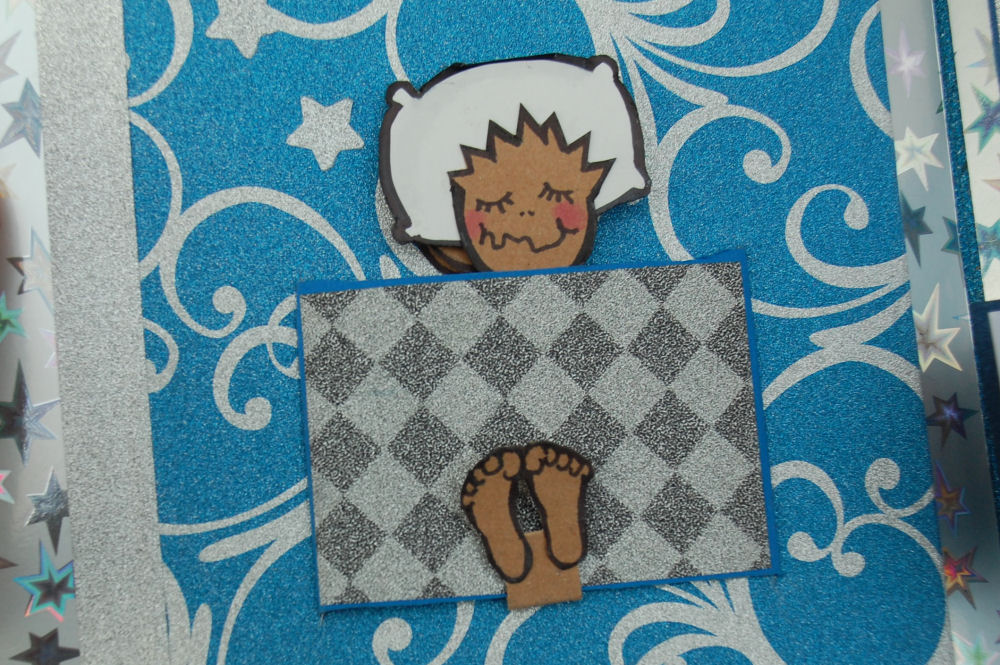
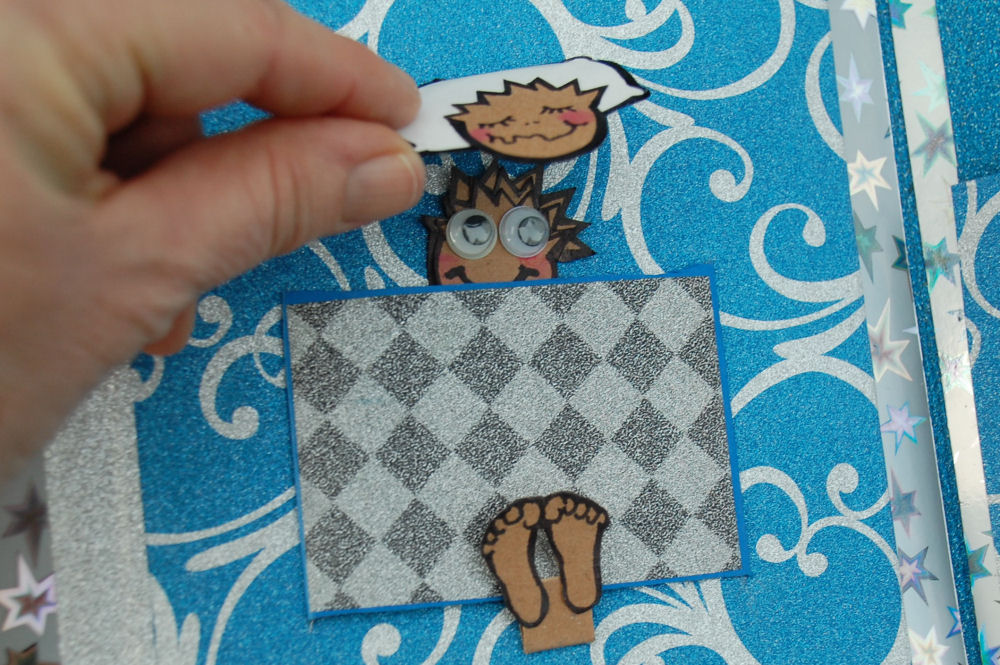
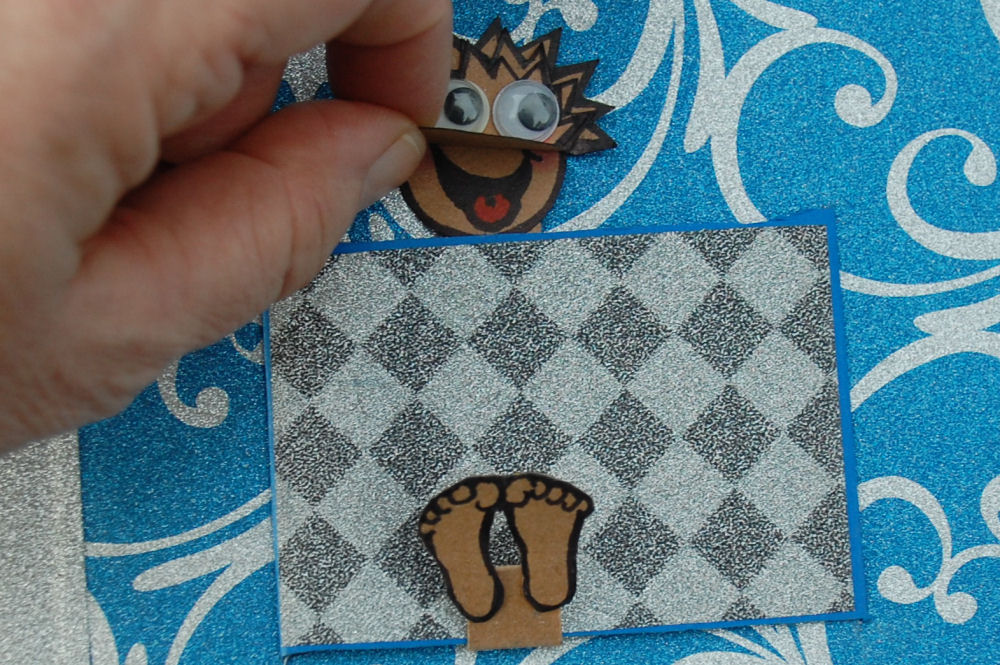
There is a title cover page, then a page is made for each separate word in the title, ‘Cameron’, Can’, and ‘Count Backwards’… three extra pages because I absolutely had to make that can! Throughout there are interactive components, and on each page a mouse is hidden somewhere. It took so long to perfect each page, by the time the last pages were under construction the first ones already seemed amateur and needed to be re-done, either by disassembling parts or completely starting over. A person could forever be perfecting one book, but it’s time to finish this one and start the next for Cameron’s fourth birthday.
Categories: Books, children, design, experimental, mixed media | Comments Off on Cameron Can Count Backwards
February 7, 2015
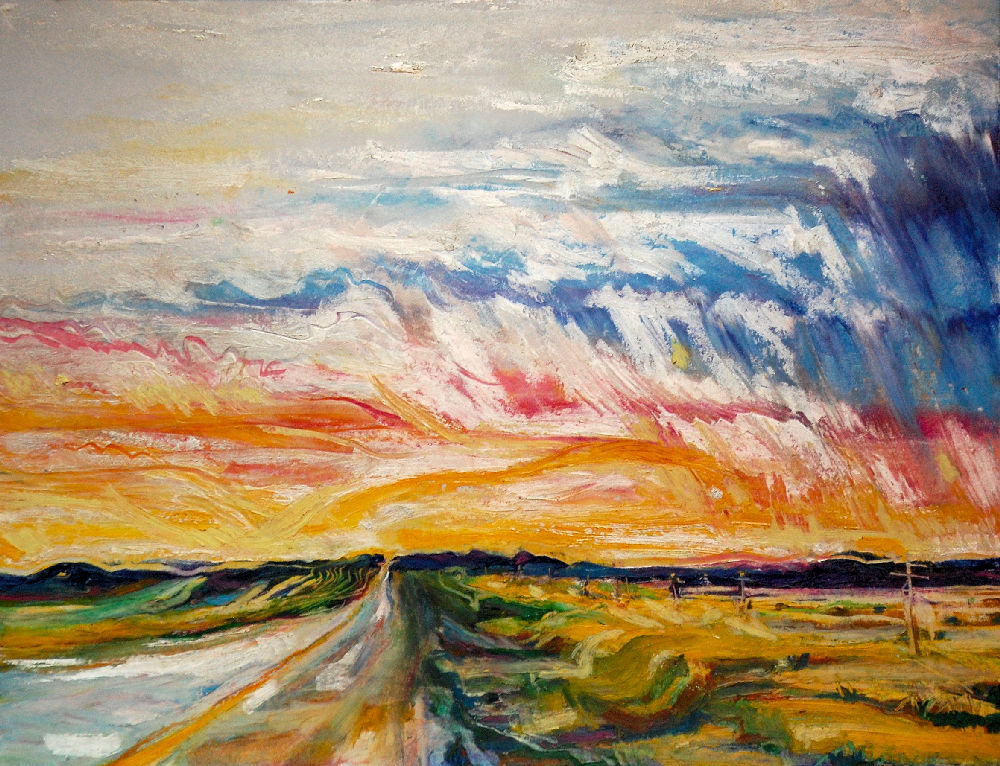
New Mexico Sunset, 11H x 14W inches oil pastels on paper, white mat. An extreme departure in style, but sometimes the impression of the experience calls for it.
Categories: abstract, Art for sale, clouds, landscapes, New Mexico, oil pastels, sky, sunsets, travel | Comments Off on New Mexico Sunset
April 19, 2014
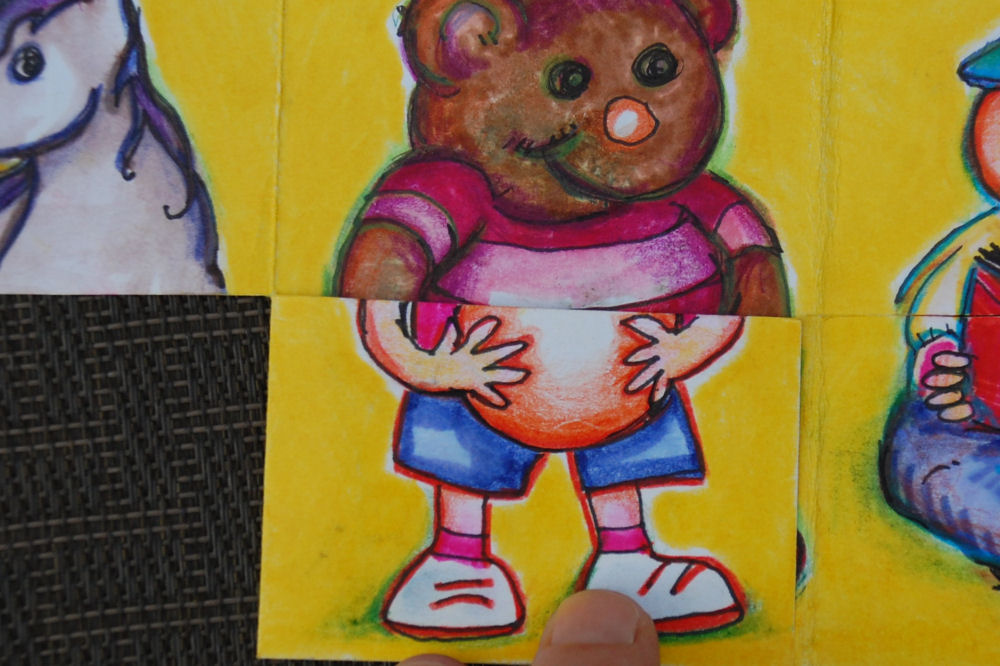
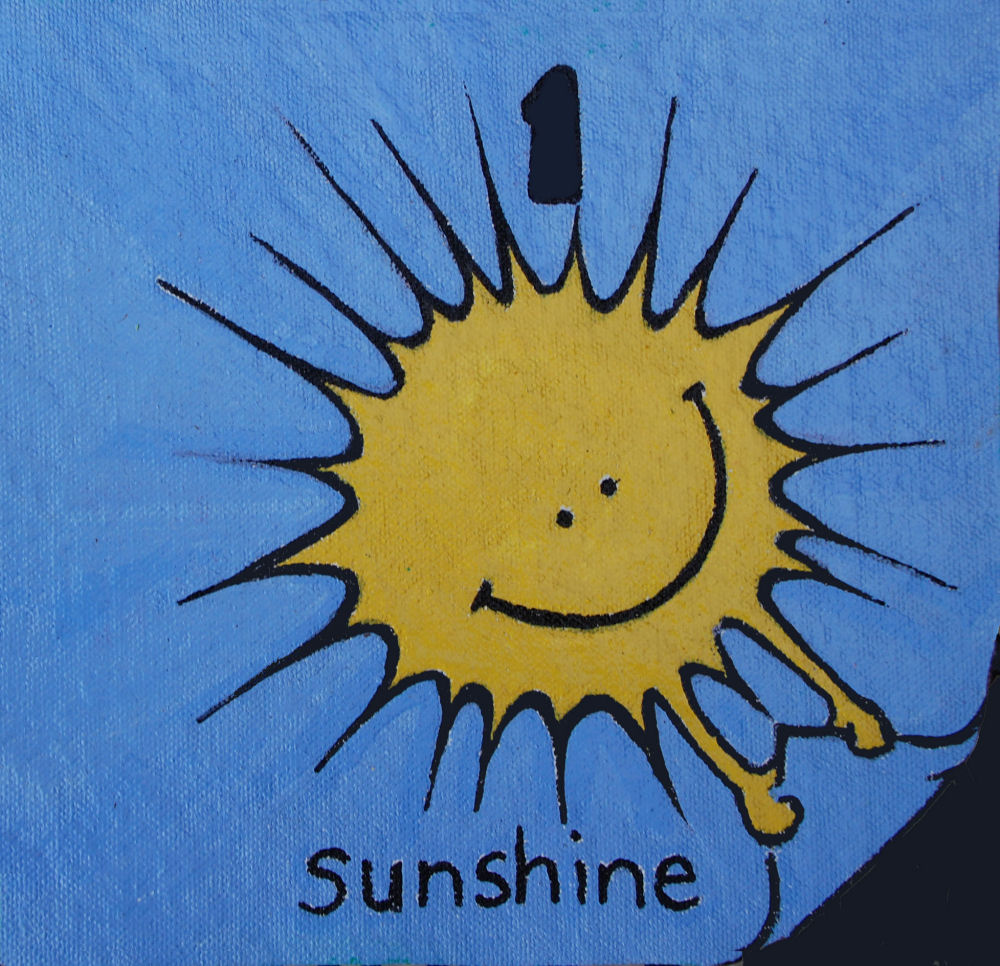
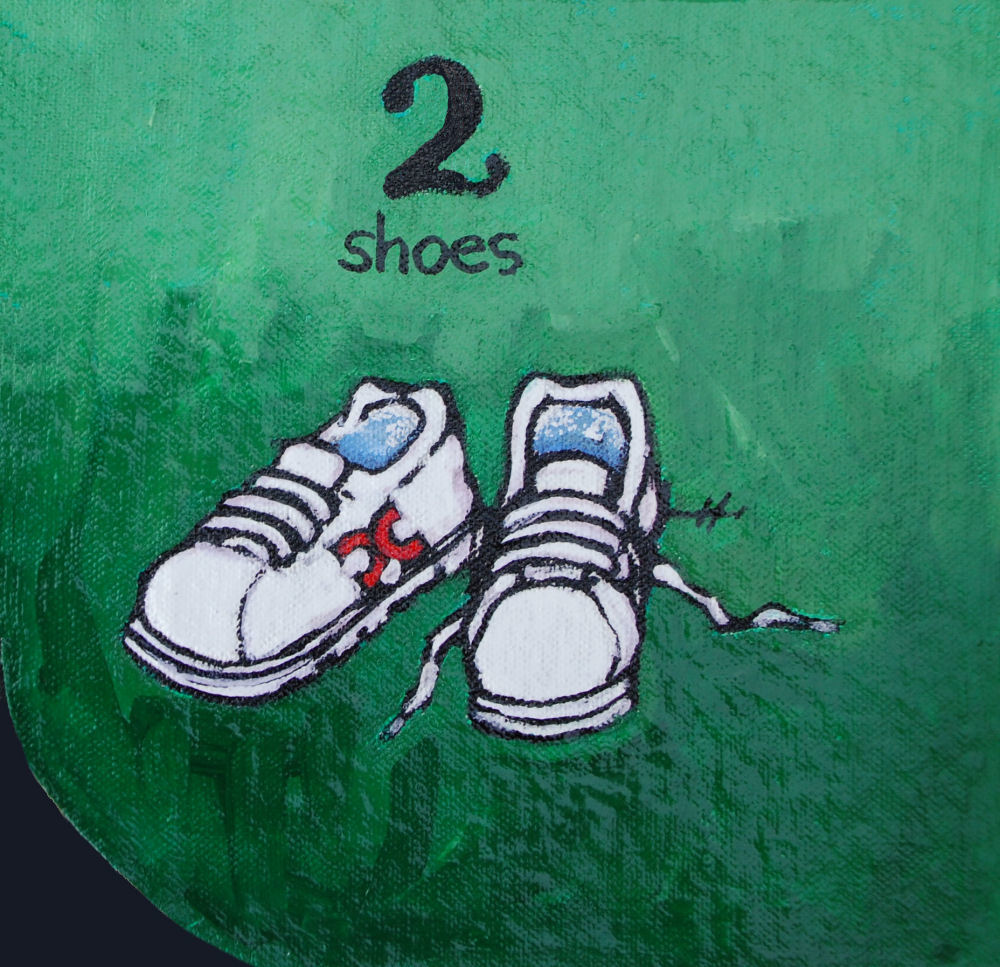
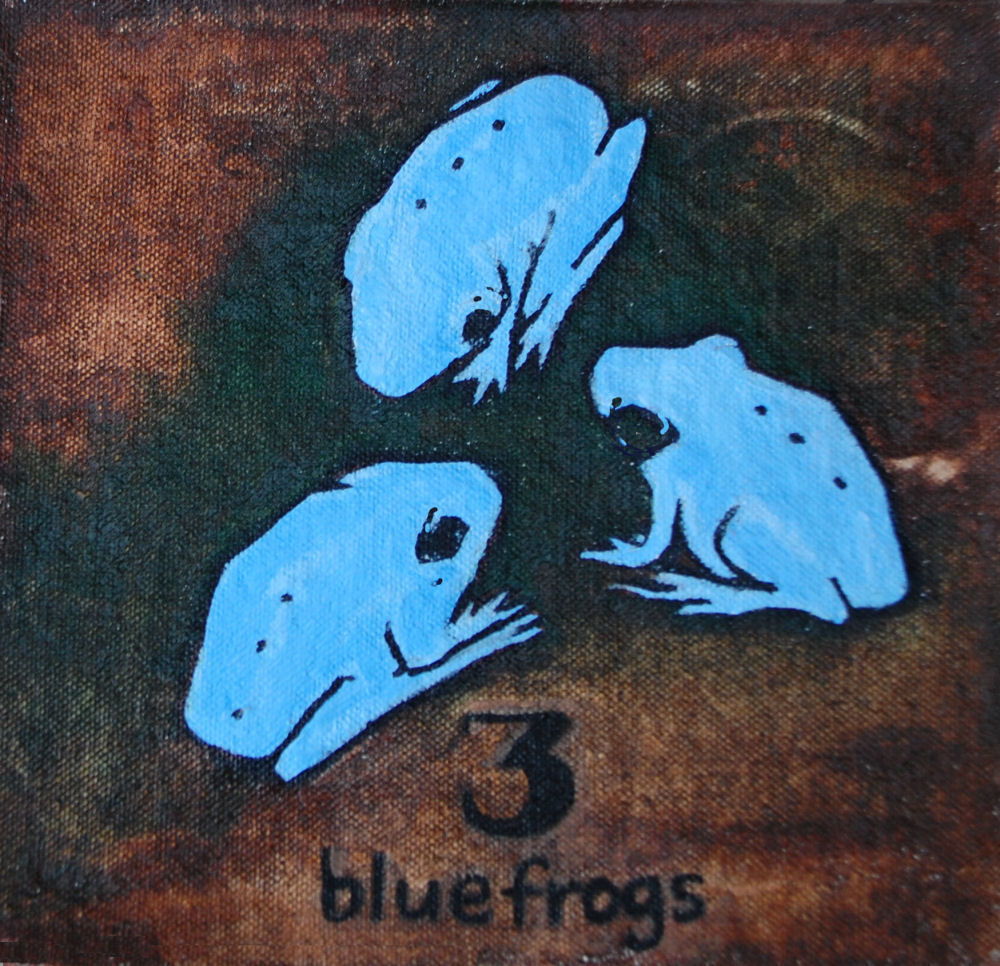
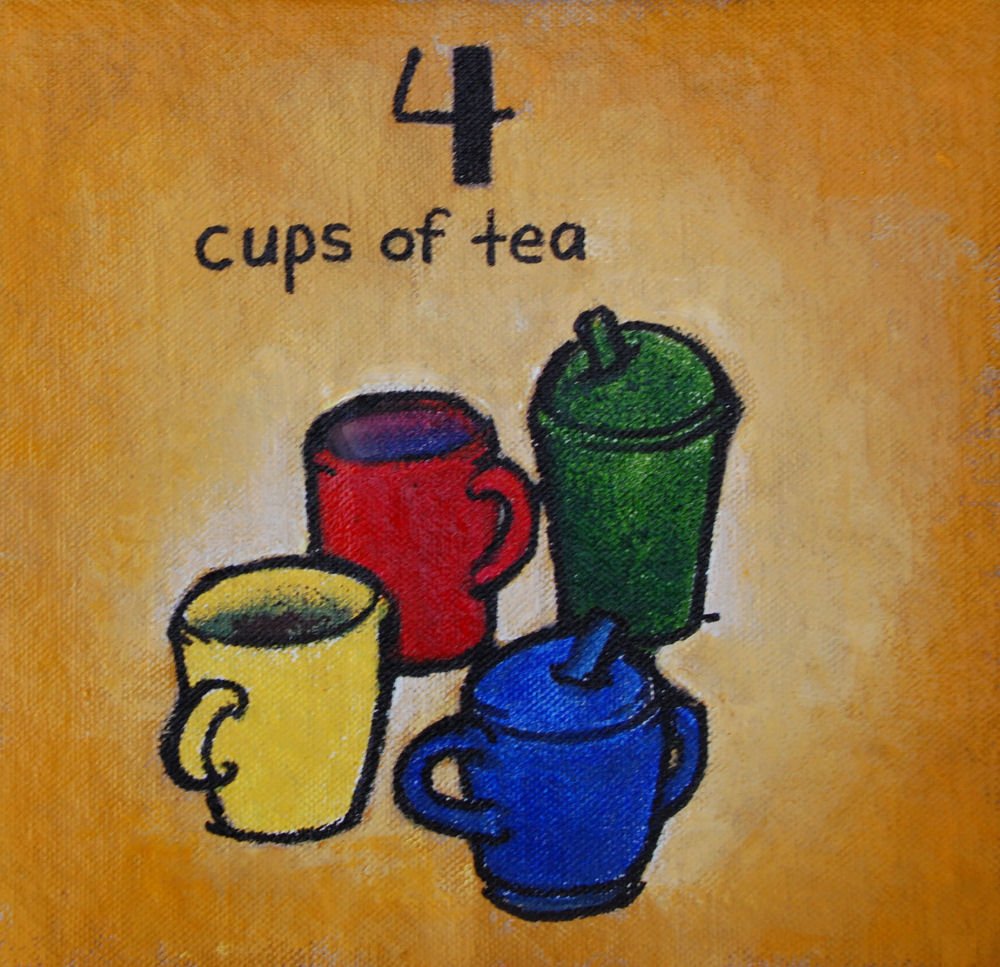
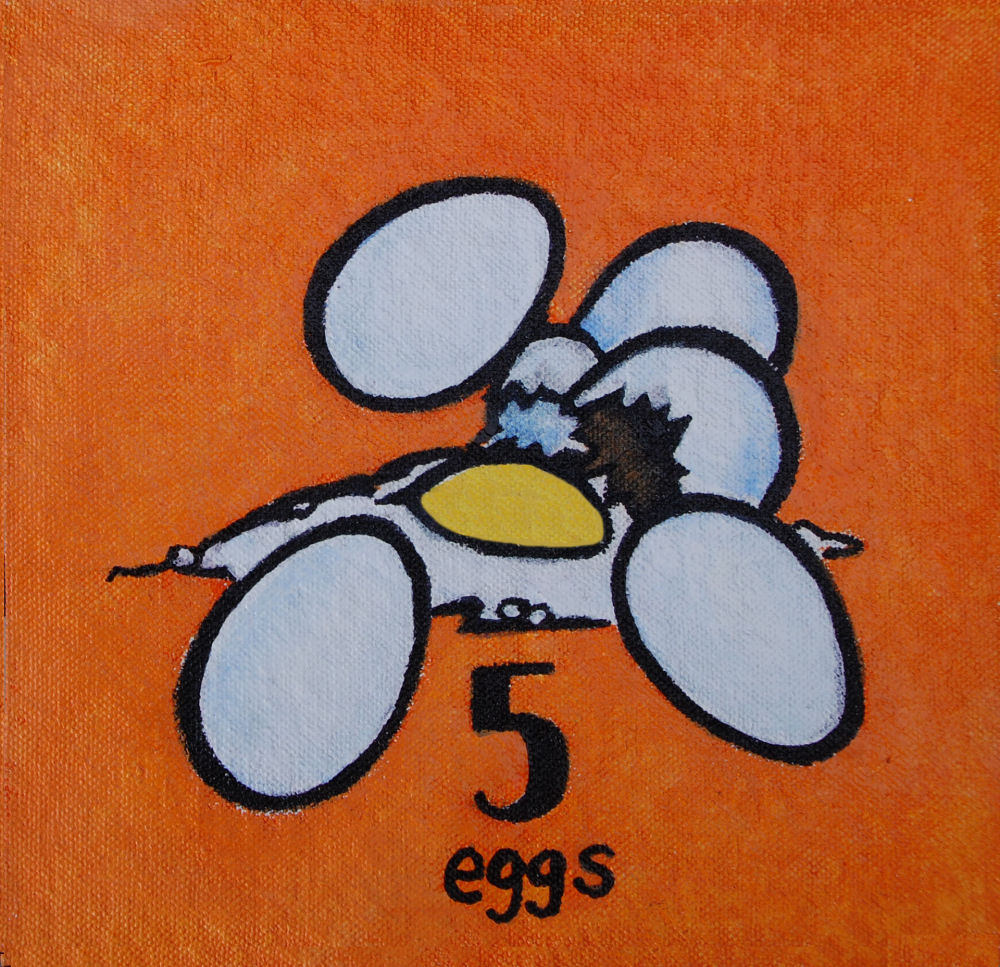
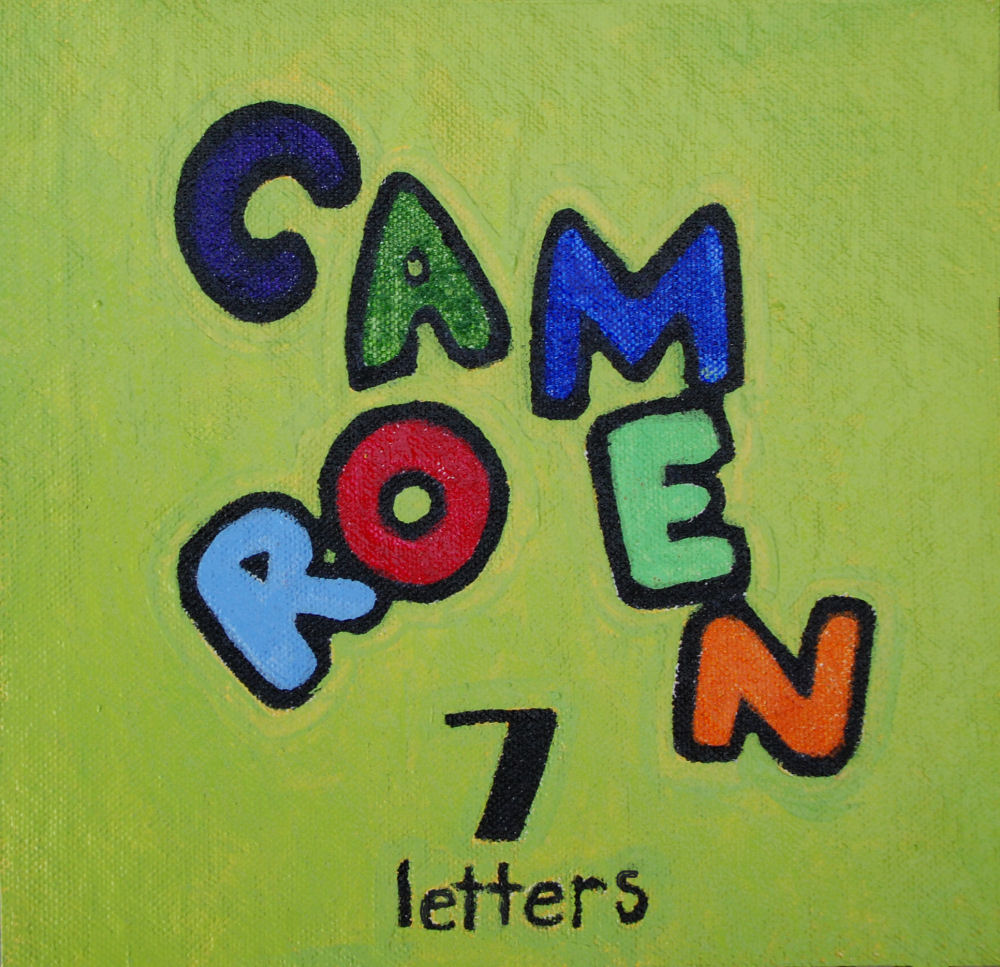
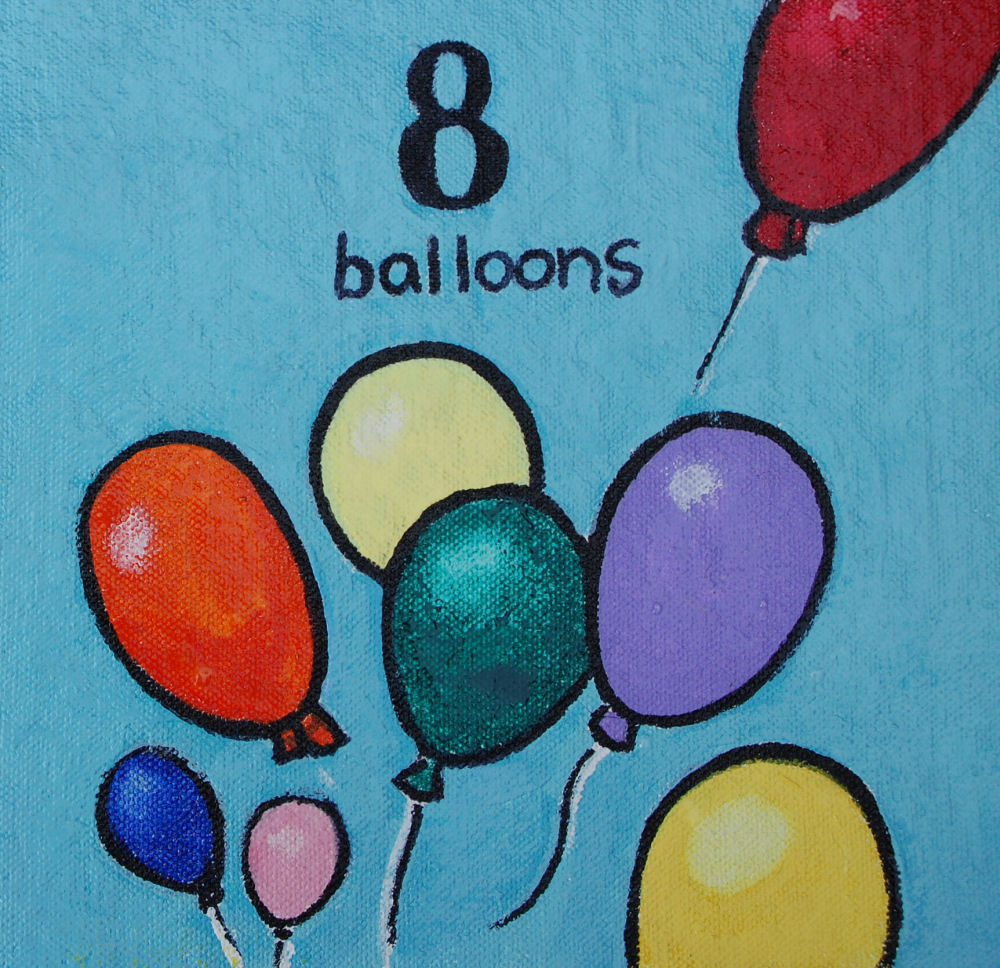
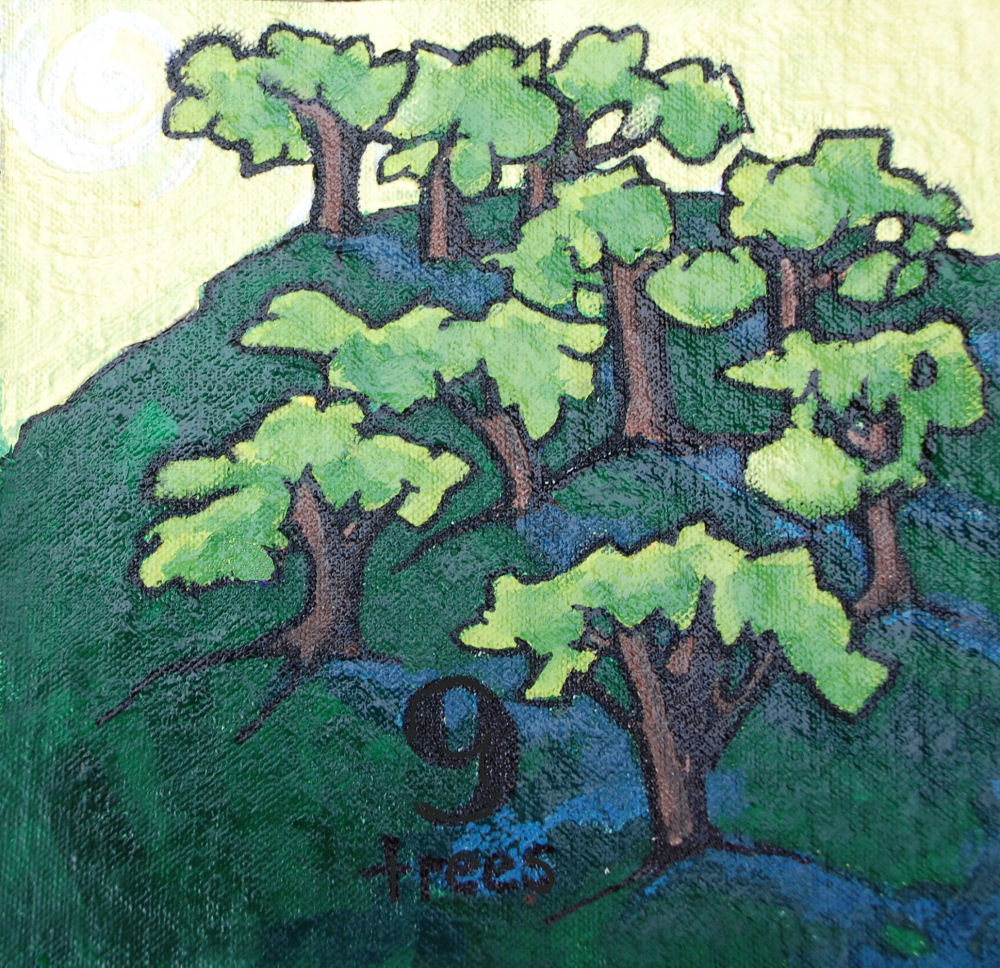
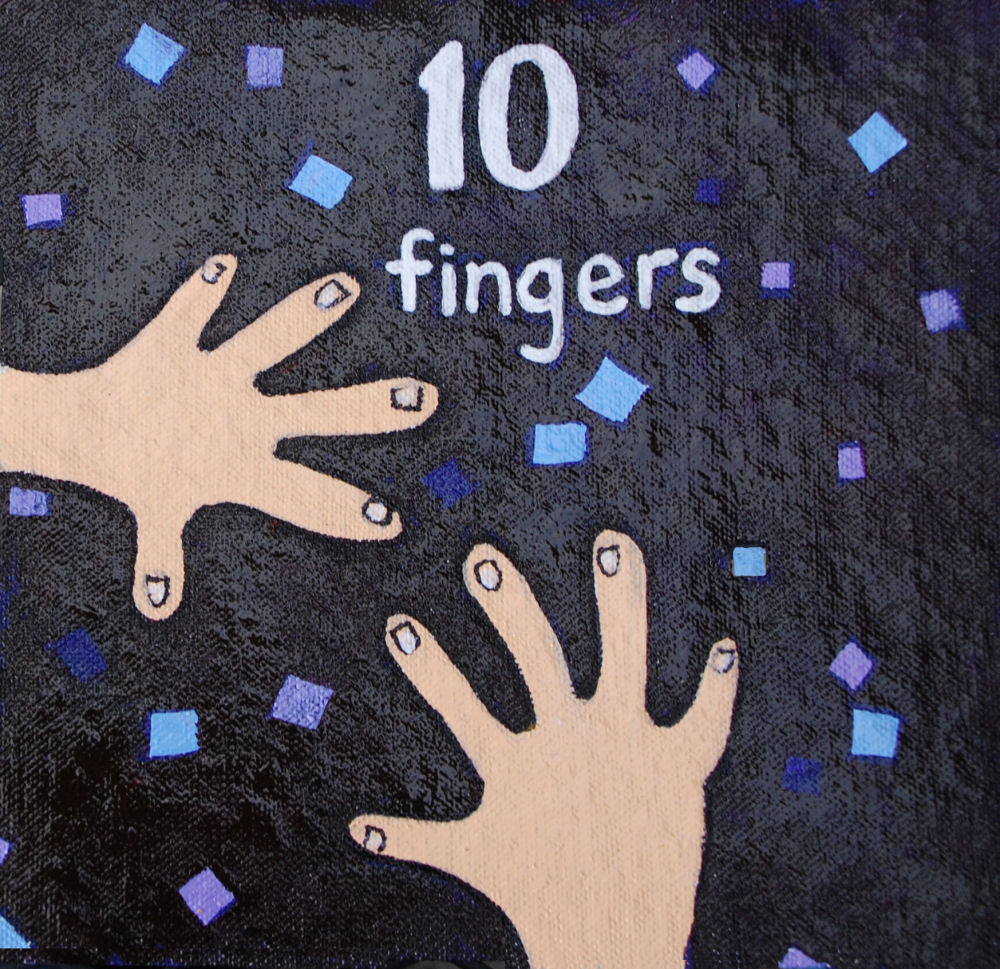
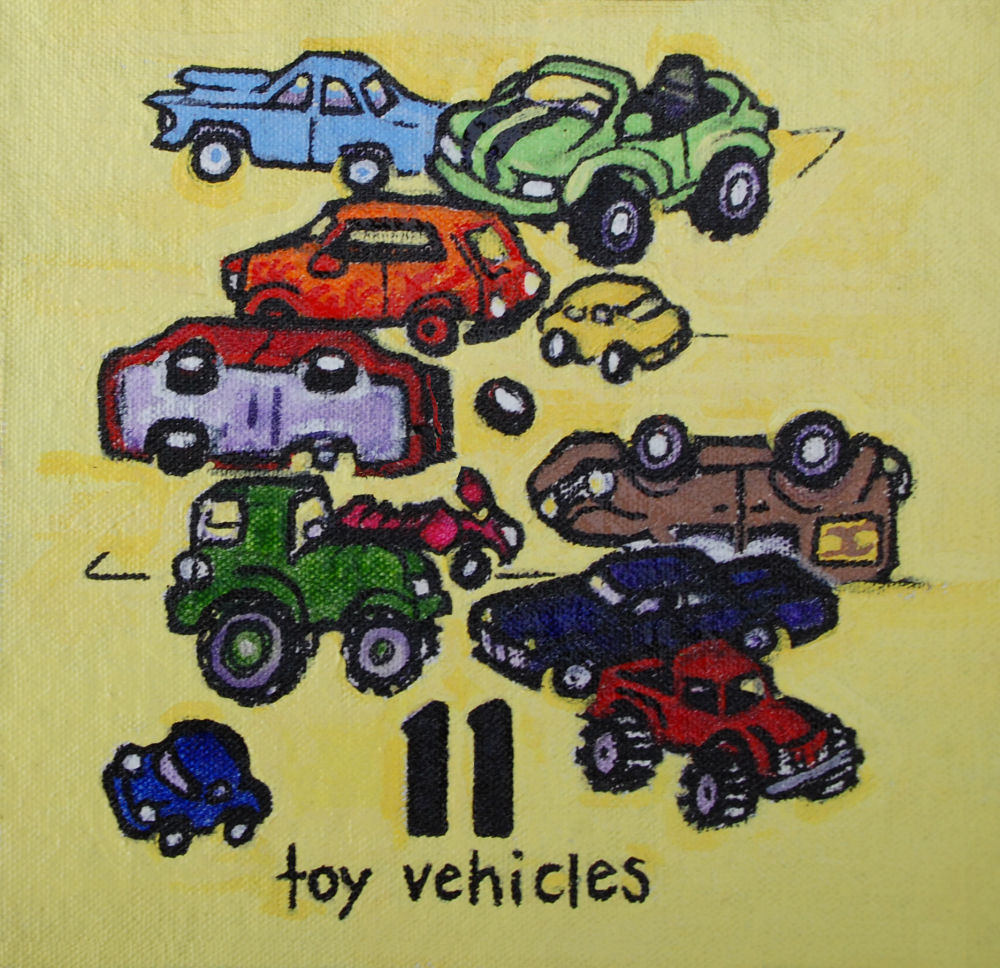
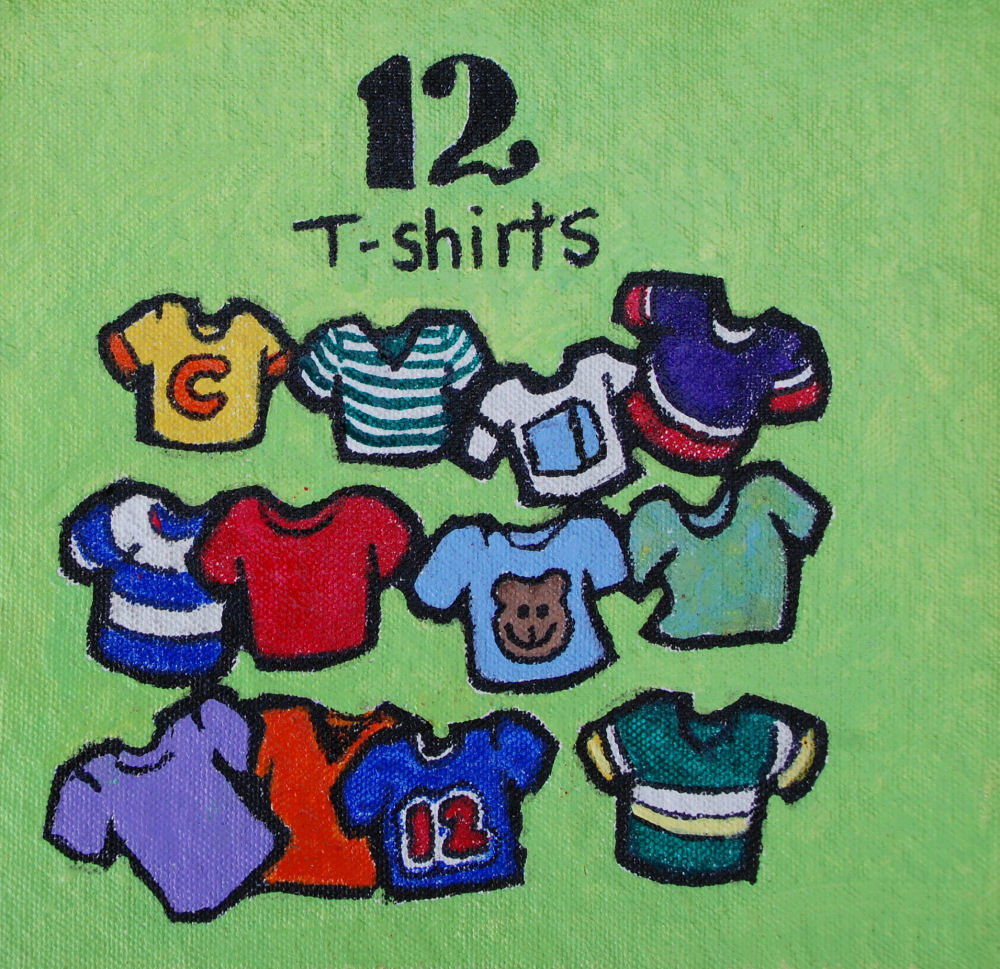
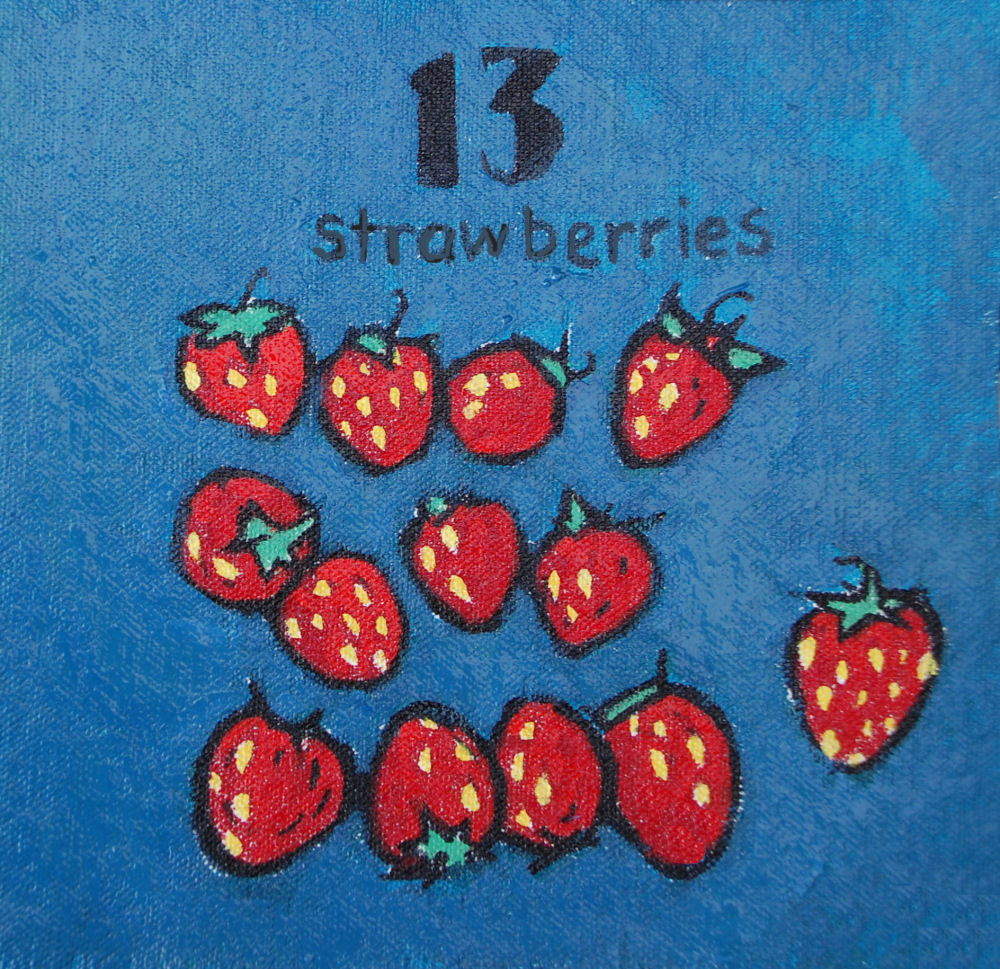
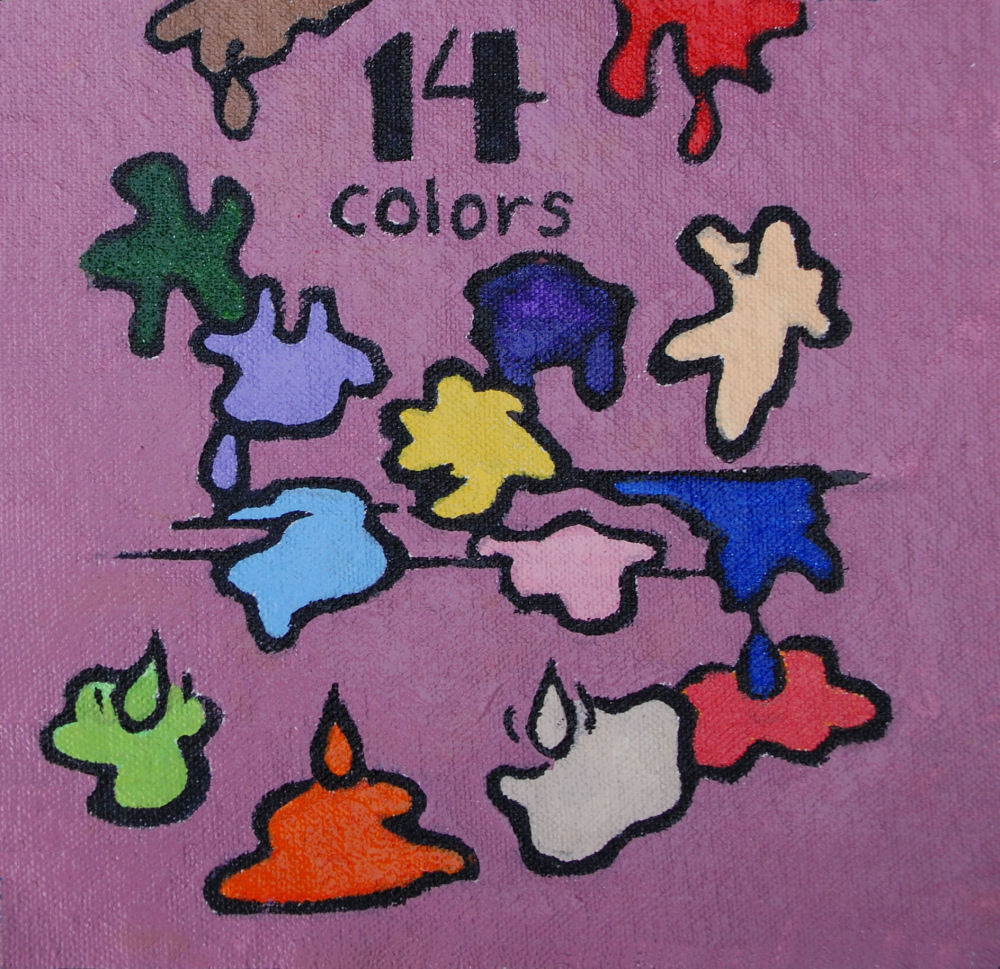
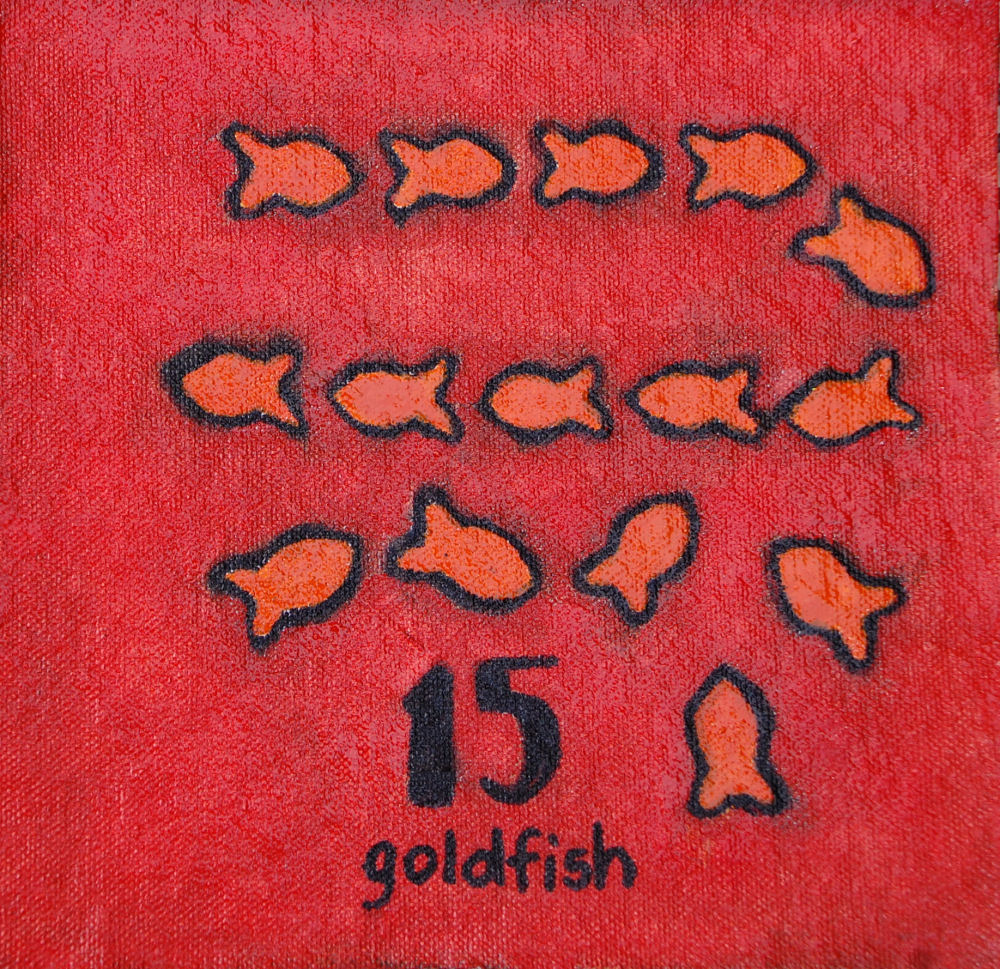
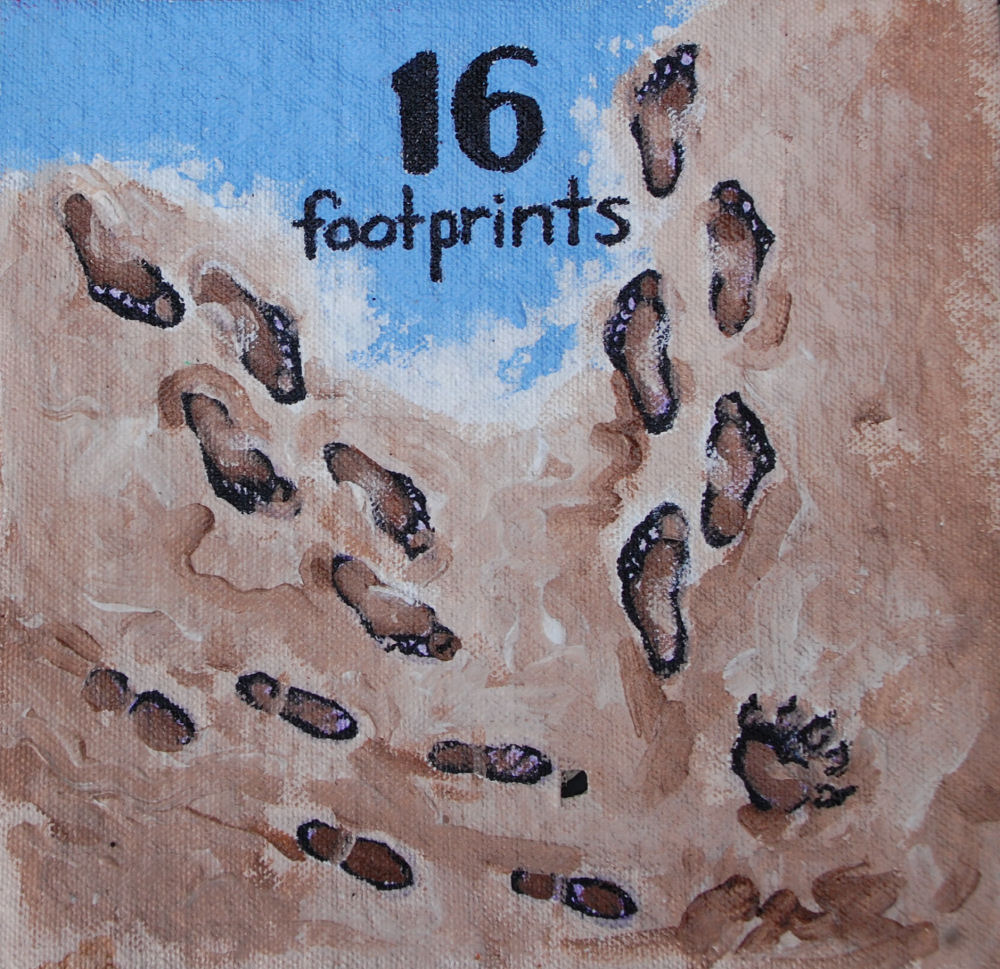
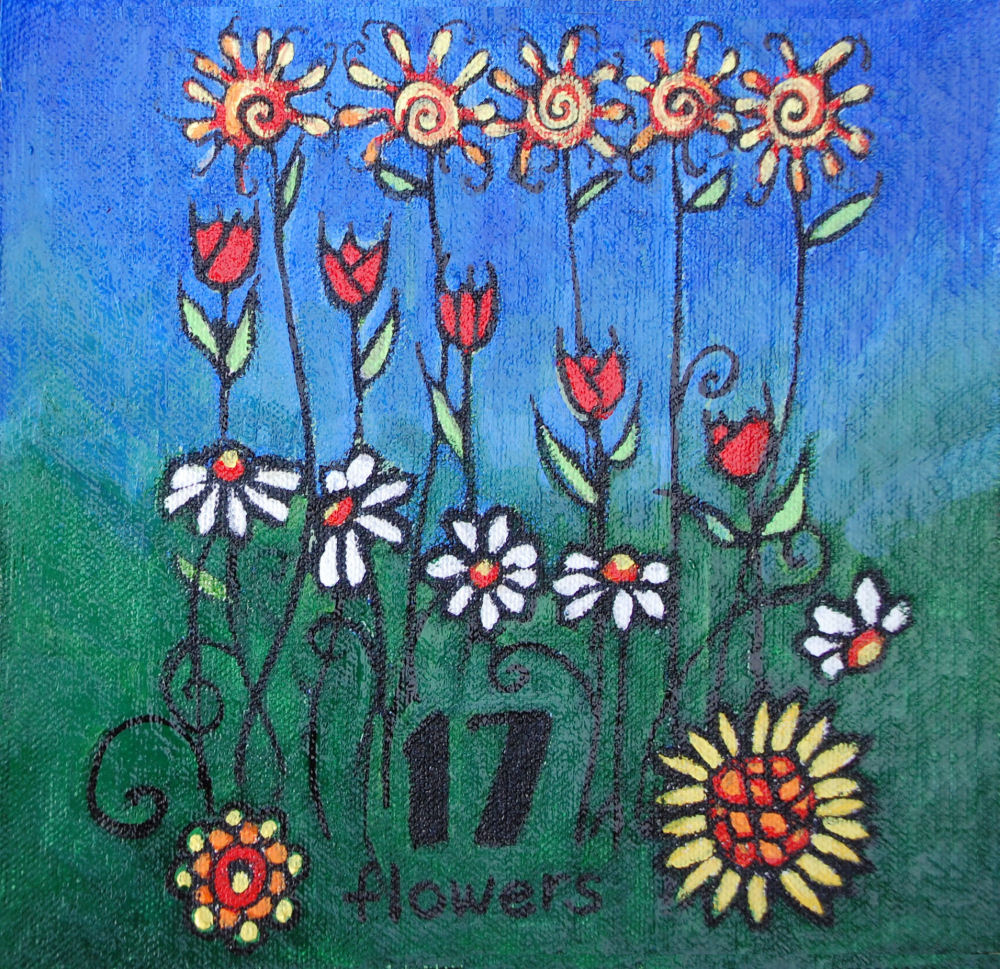
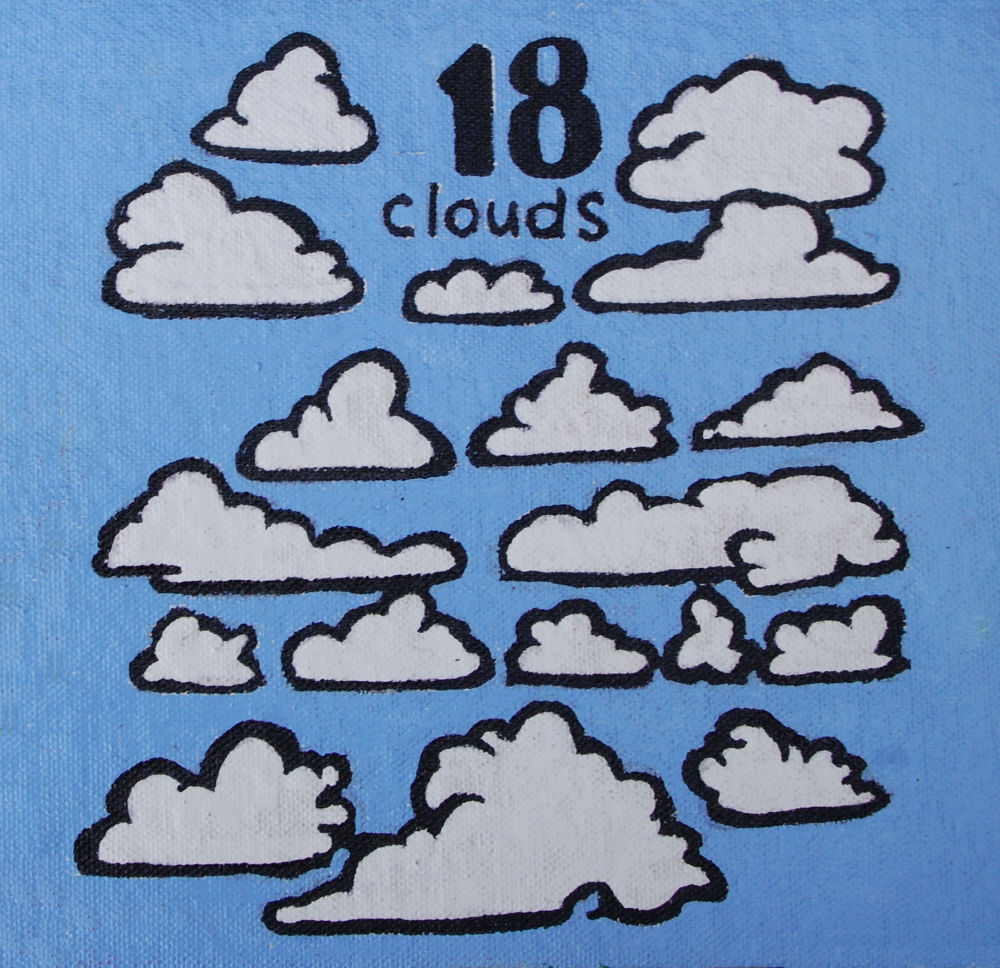
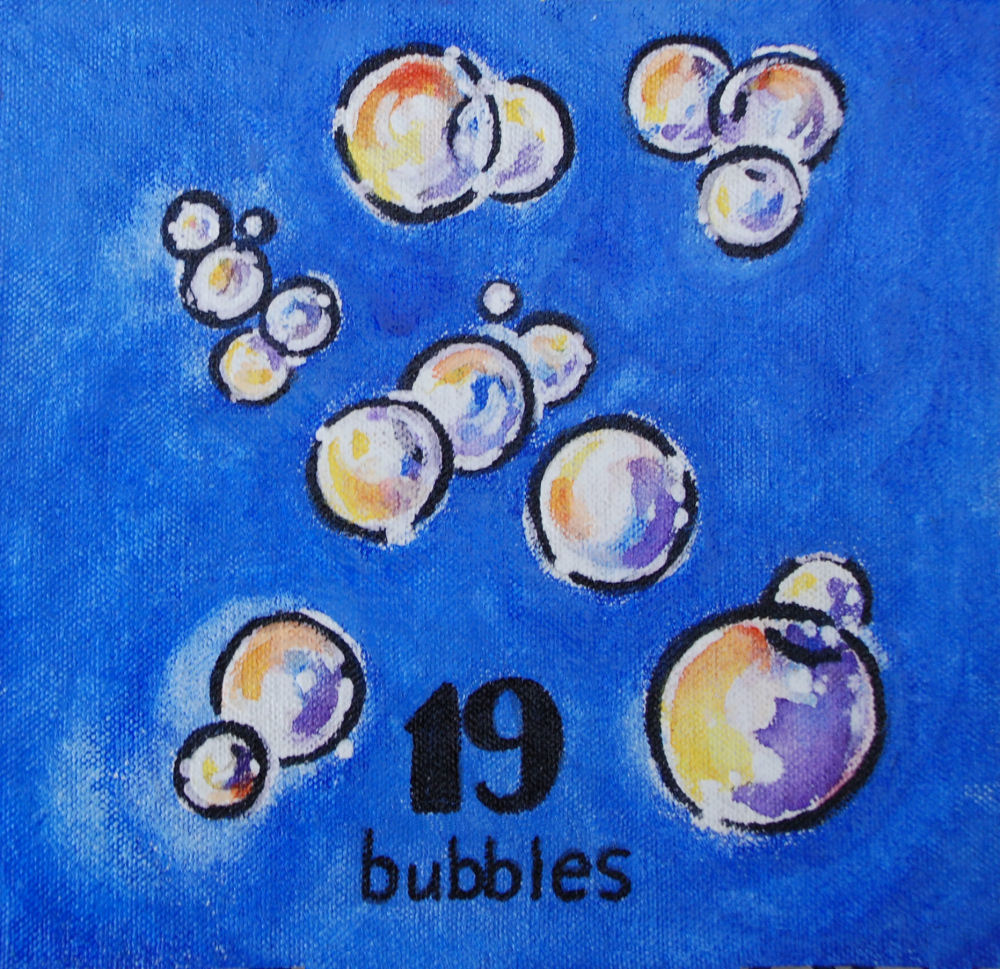
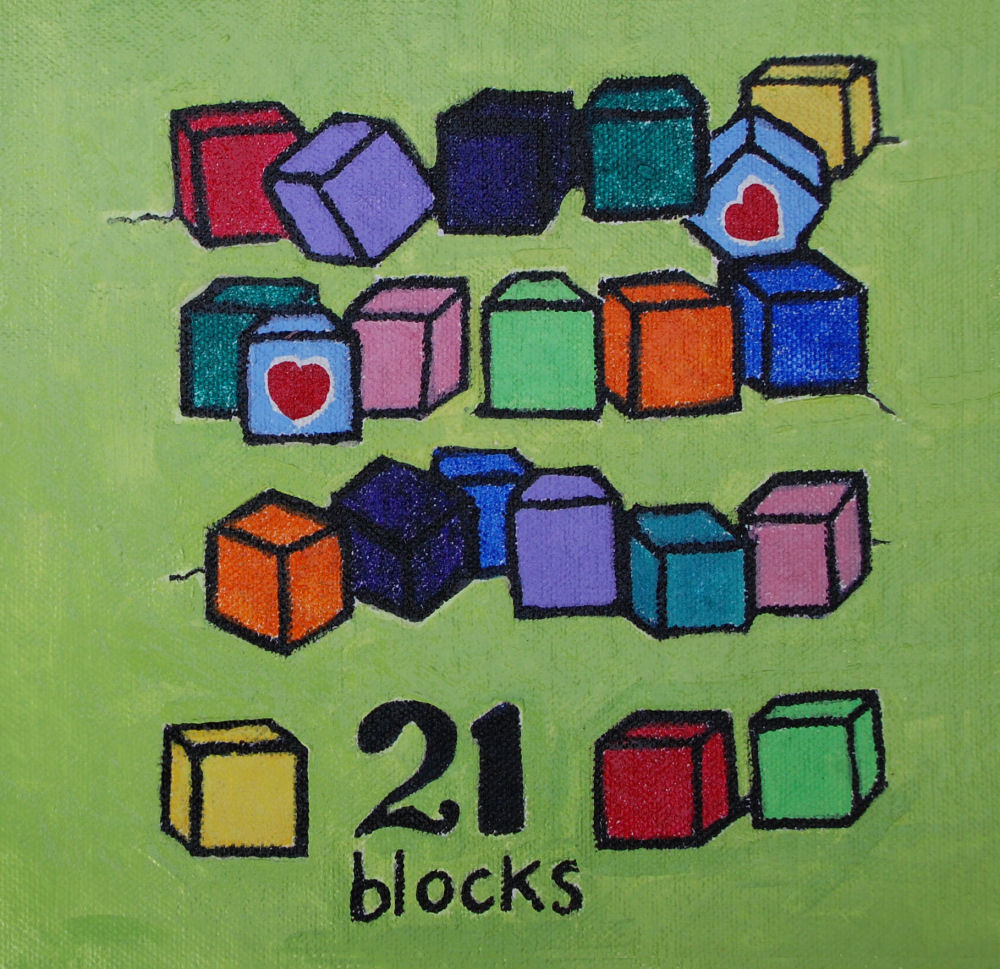
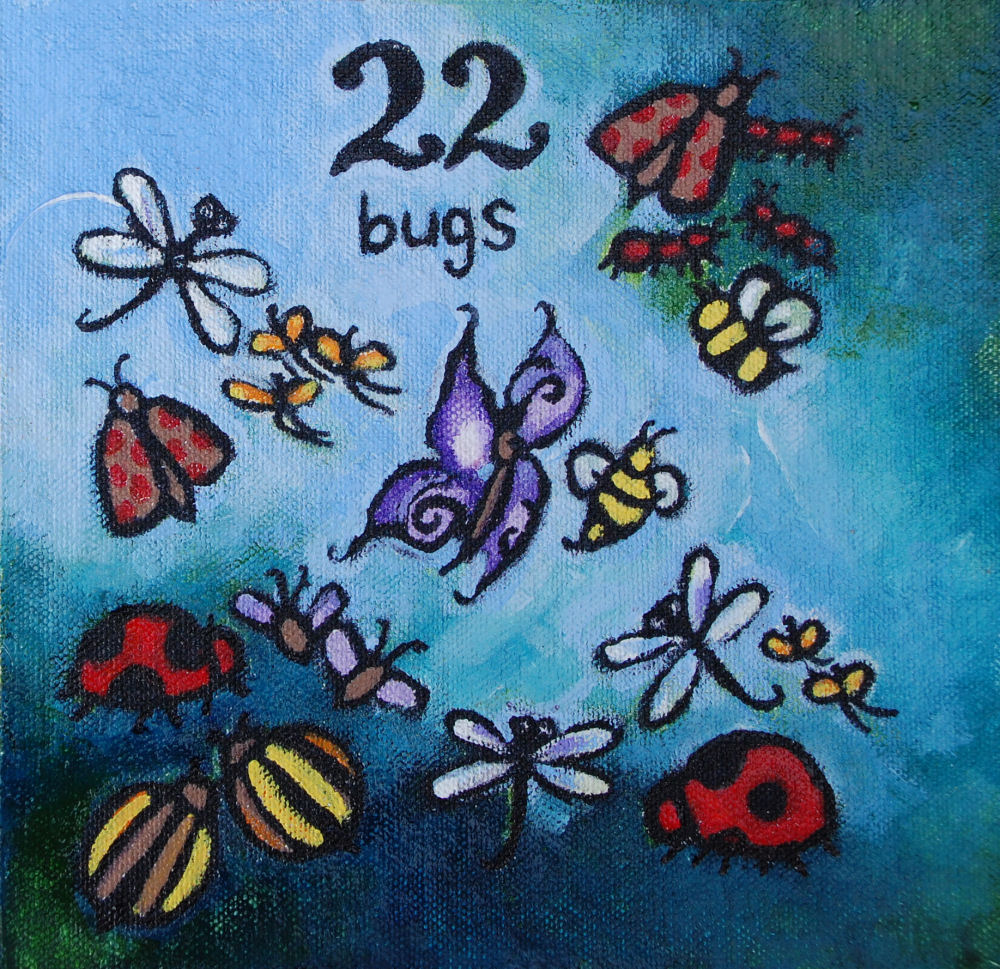
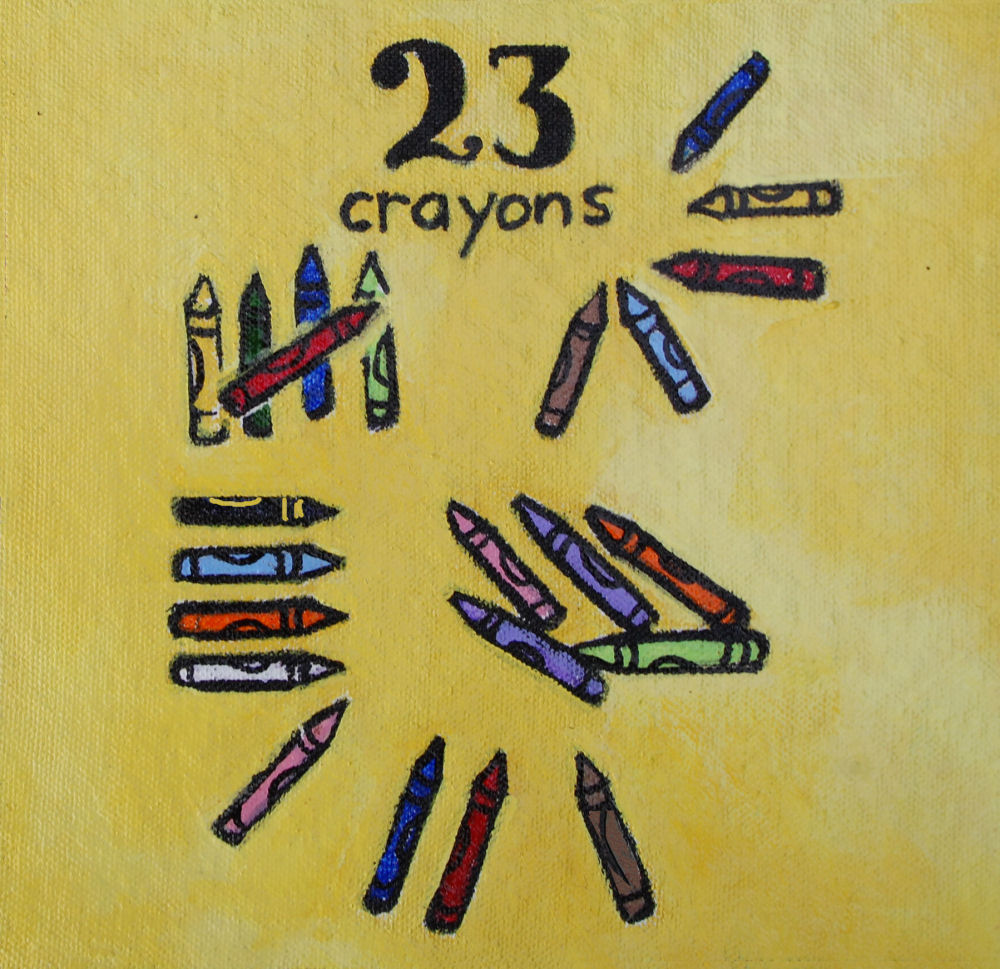
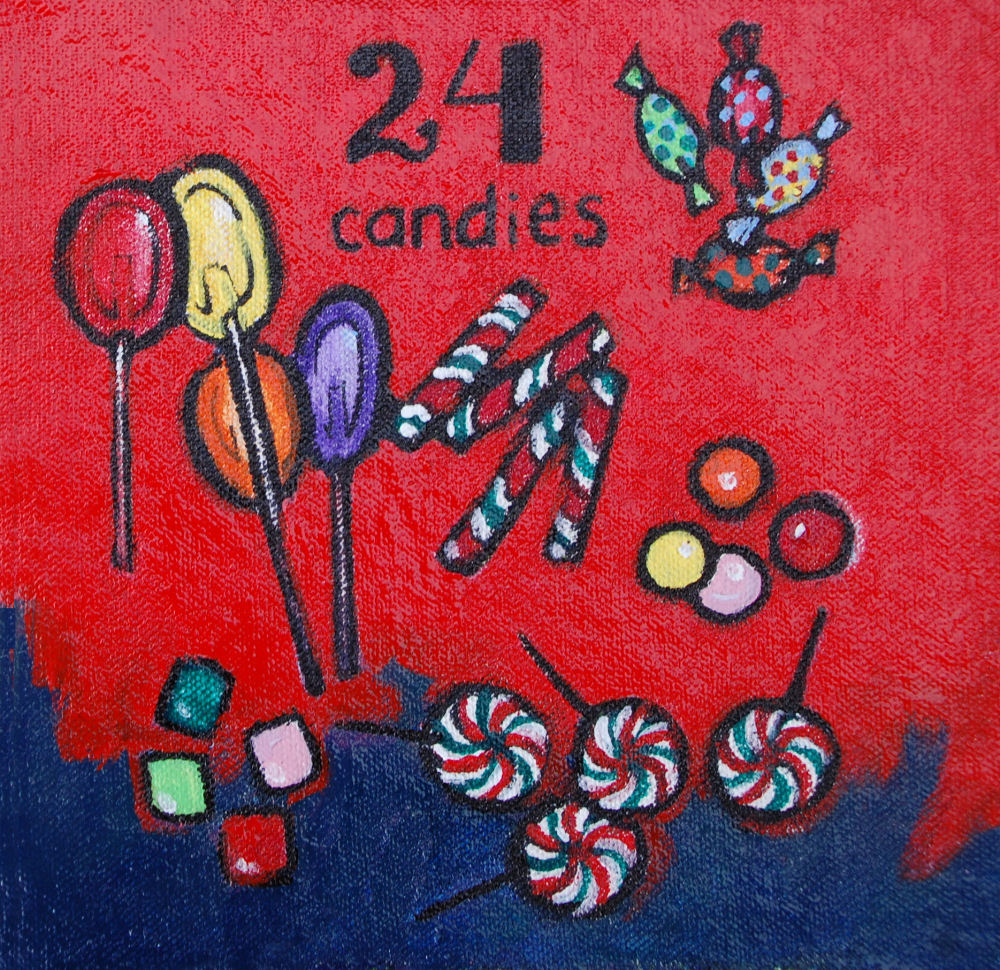
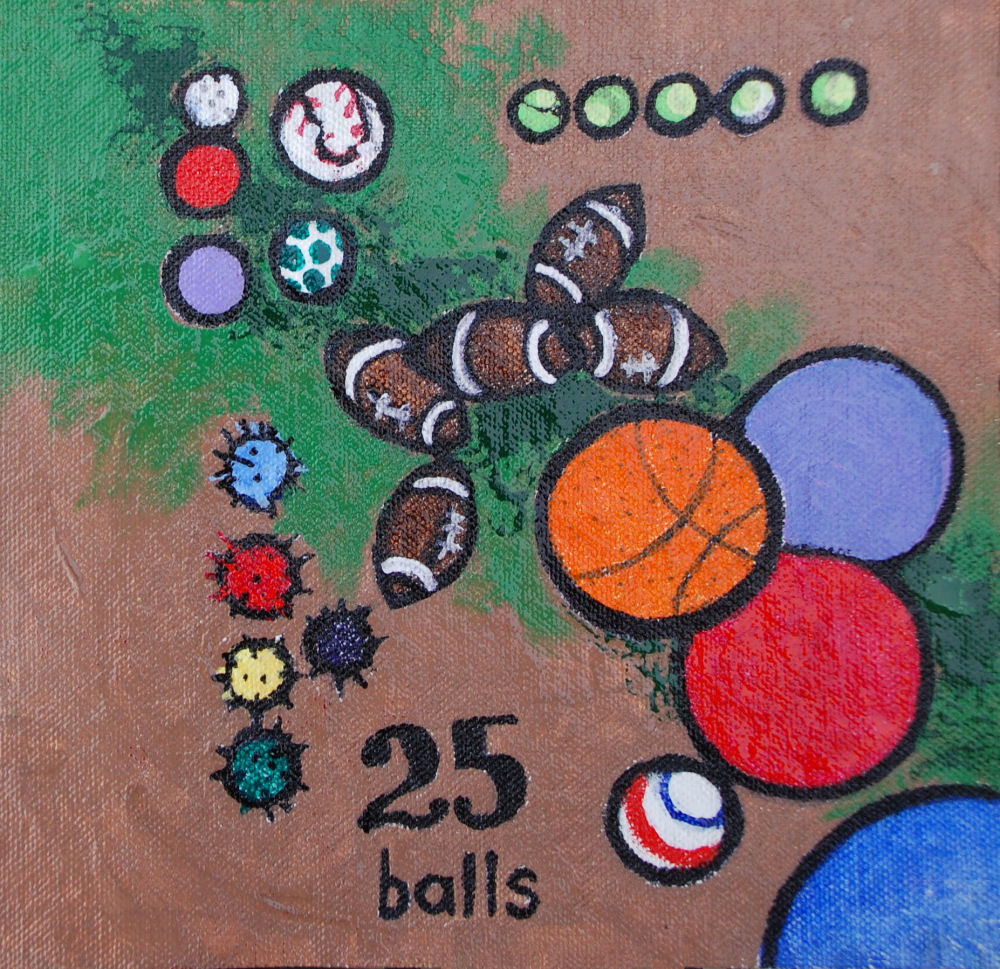
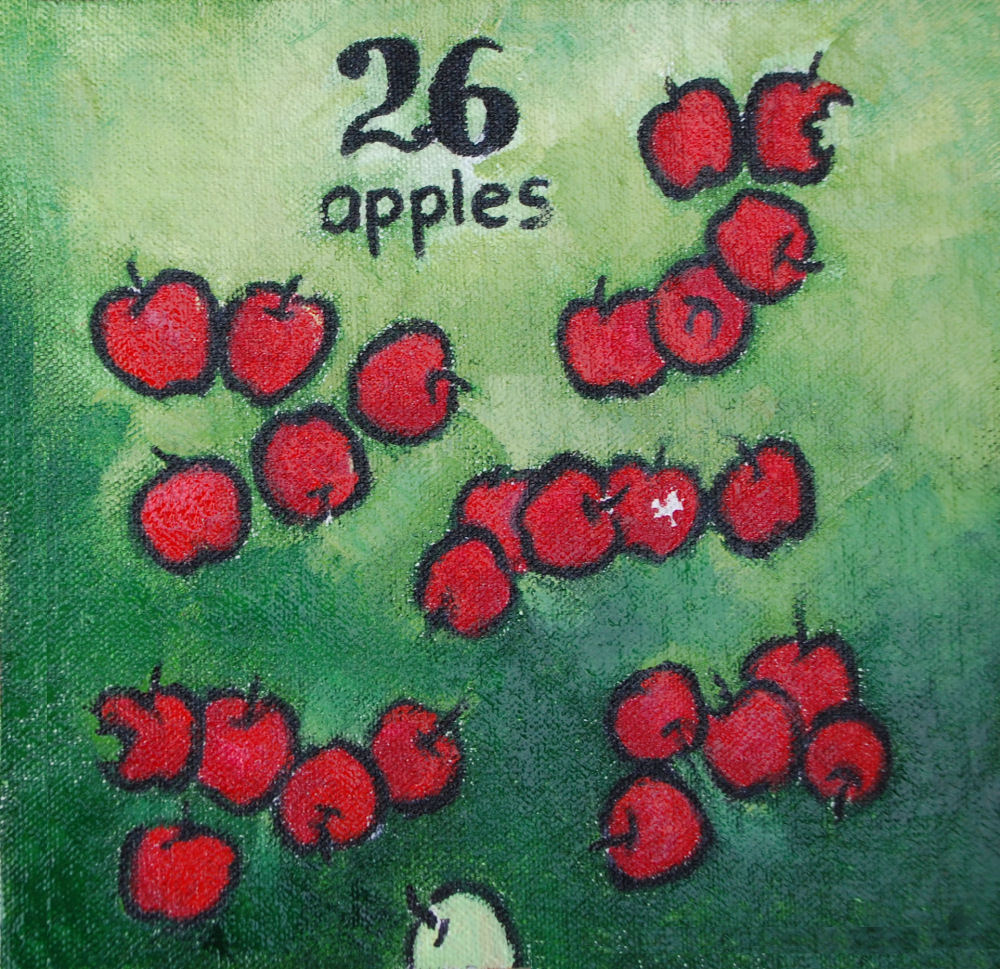
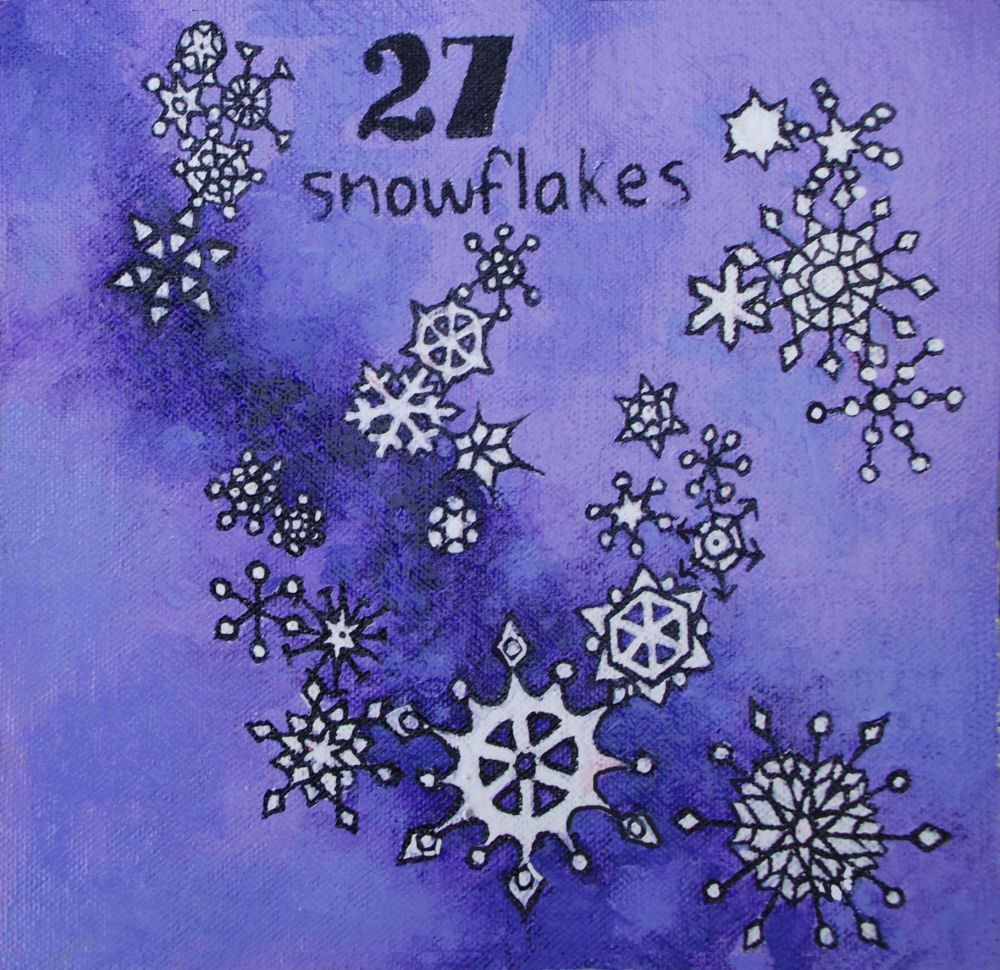
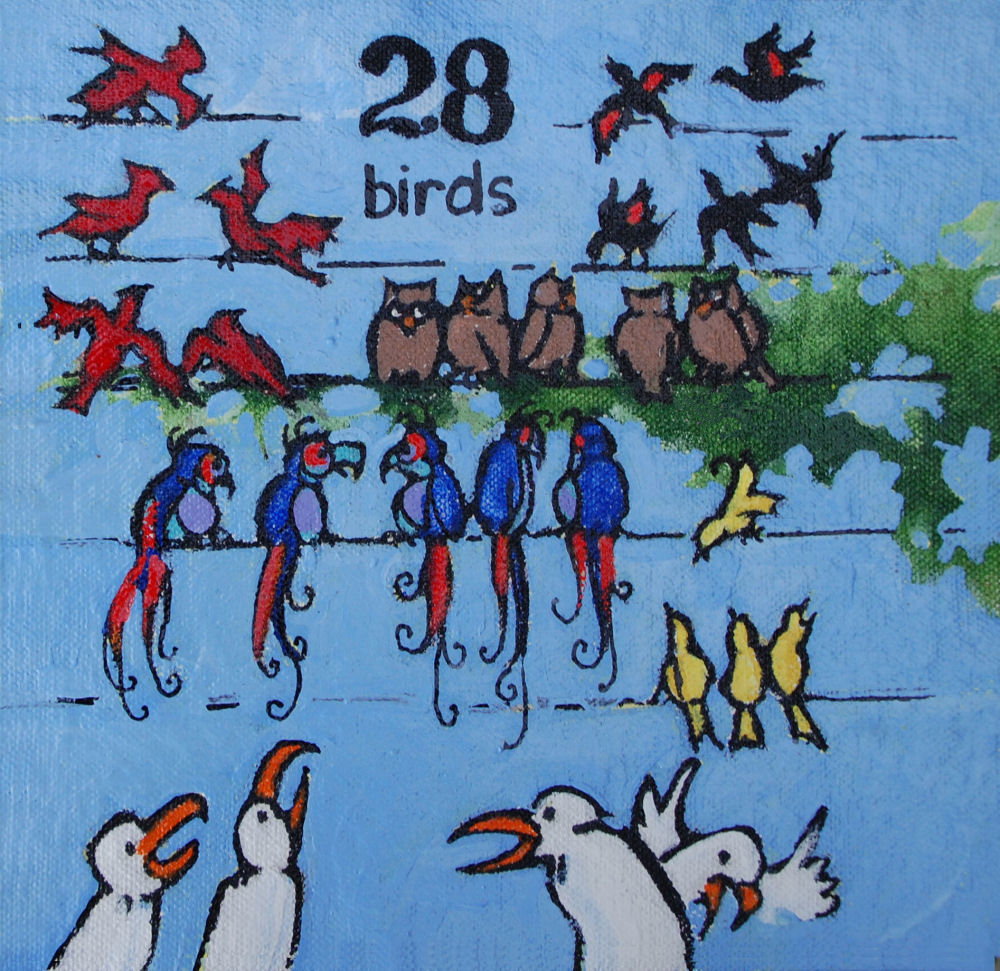
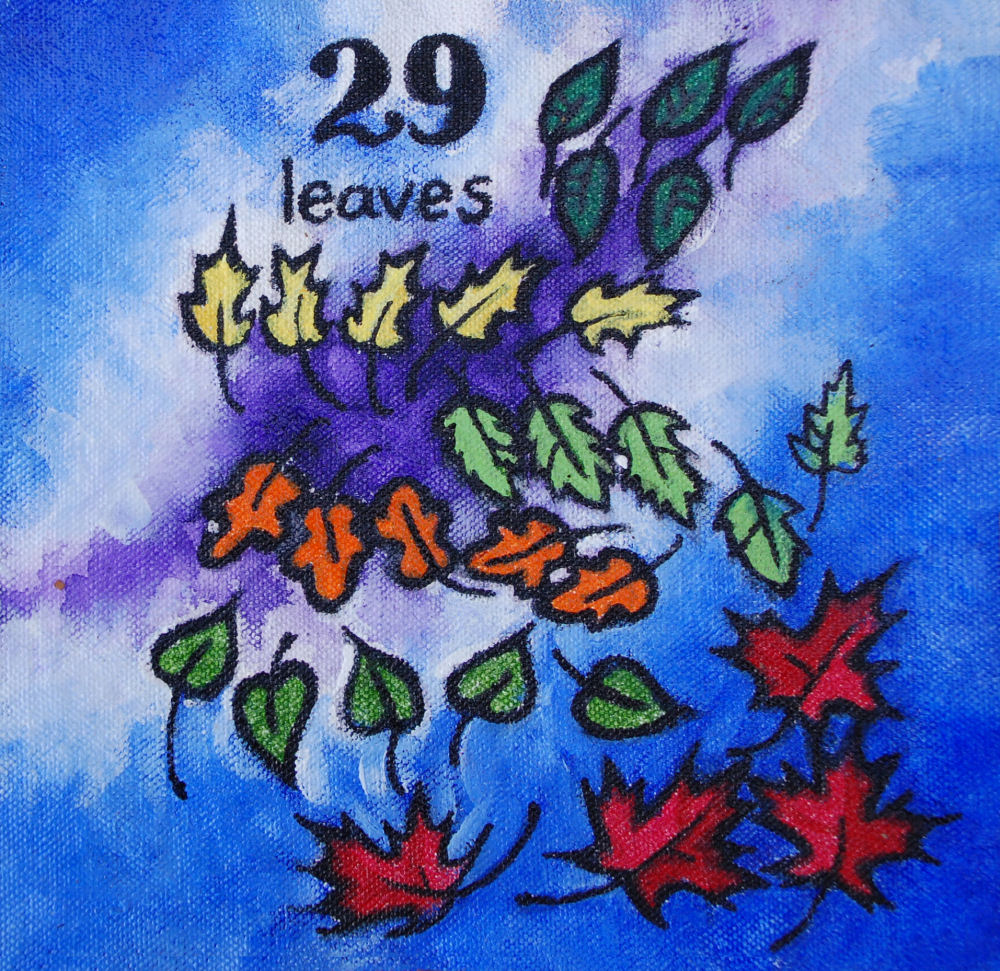
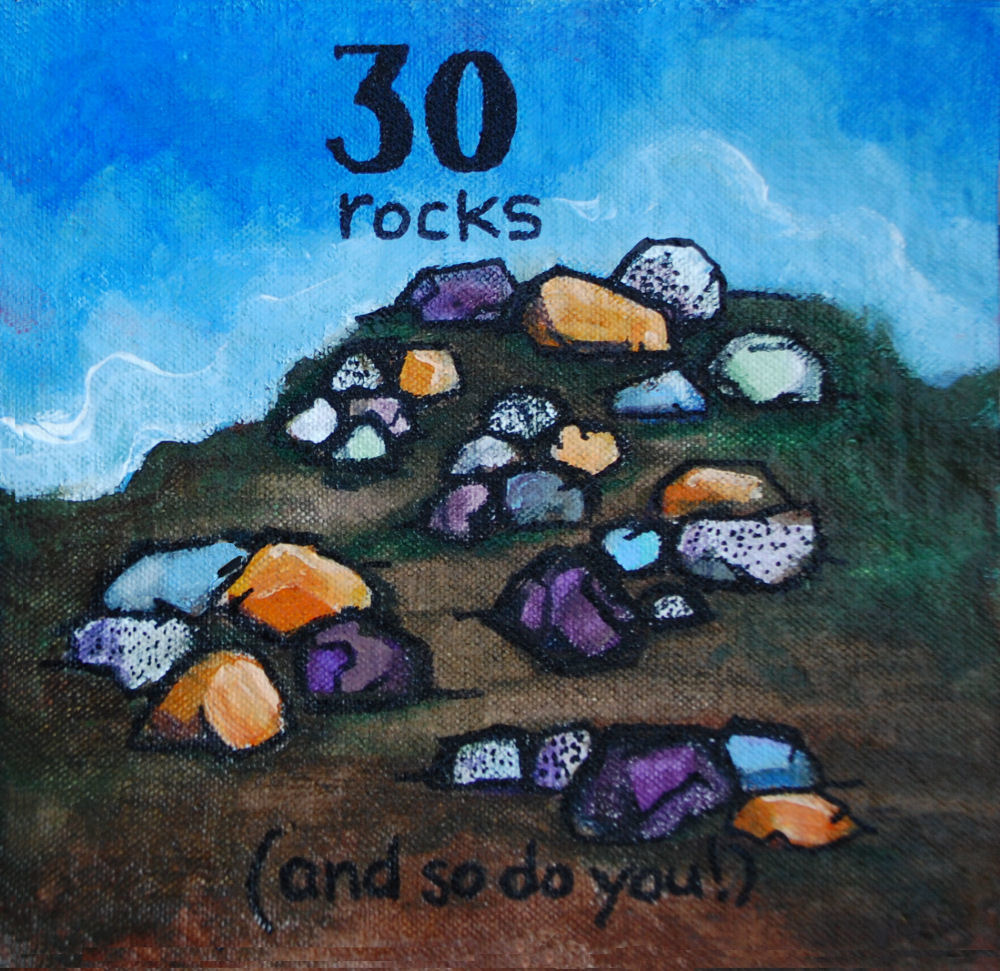
April 2014: Cameron Can Count to 30
8 x 8 inches markers, watercolors and fixative on canvas. Thinking that acrylics paint would make pages stick together even when dry, I chose watercolors on primed canvas instead, barely diluting the paint so the colors are dense. Krylon workable fixative works best to protect the work, as it brings out the colors very nicely and it doesn’t hold the caustic smell that regular varnish does.
Each page has a hole peeking through to the next page and the one before, where colors match up in such a way that the hole may only be noticed when the page is turned. The holes were filled in for the sake of aesthetics in the images shown here. This peek-hole detail was an afterthought, and since I had already painted most of the pages I was committed to using certain colors, which made the process take longer than it had to. When using this idea next time, the peek-holes will be larger and be the main focus of the book. Large binder rings through grommets on each page hold the book together, so the pages are fairly easy to turn and the book can start anywhere.
Categories: Books, children, design, experimental, mixed media, watercolors | Comments Off on Cameron Can Count
August 6, 2013
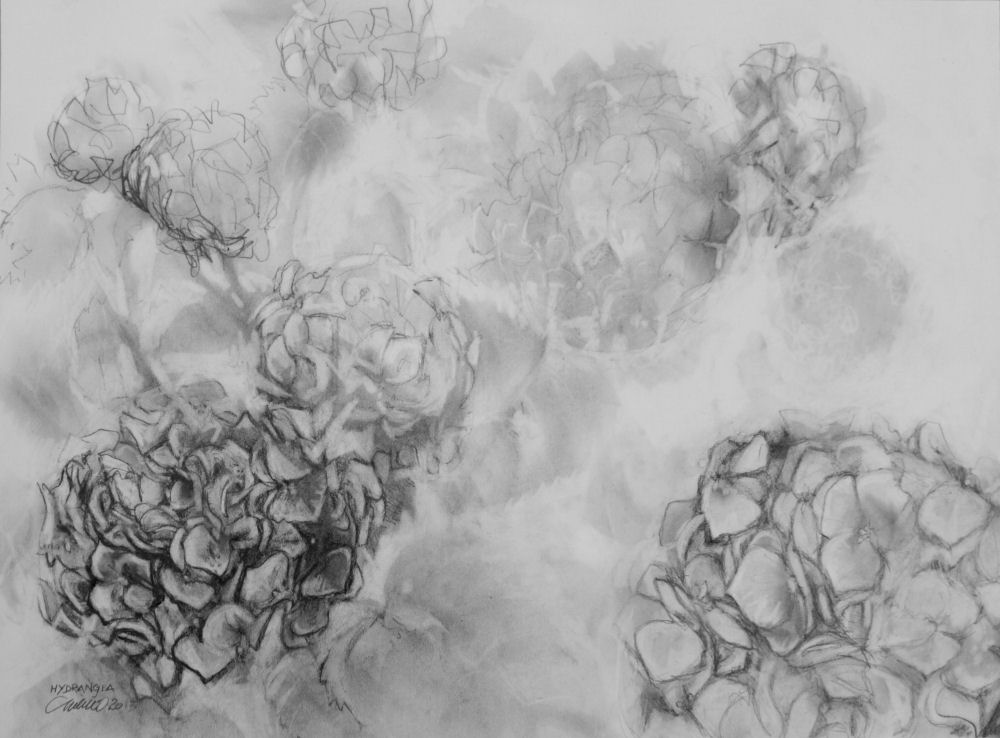
Blue Hydrangea, 18H x 24W inches graphite on 80 lb premium, white mat
Categories: Art for sale, drawings, flowers, flowers and leaves, garden, graphite, illustration, pencil, Seasonal, series, Spring, summer | Comments Off on Hydrangea
July 30, 2013
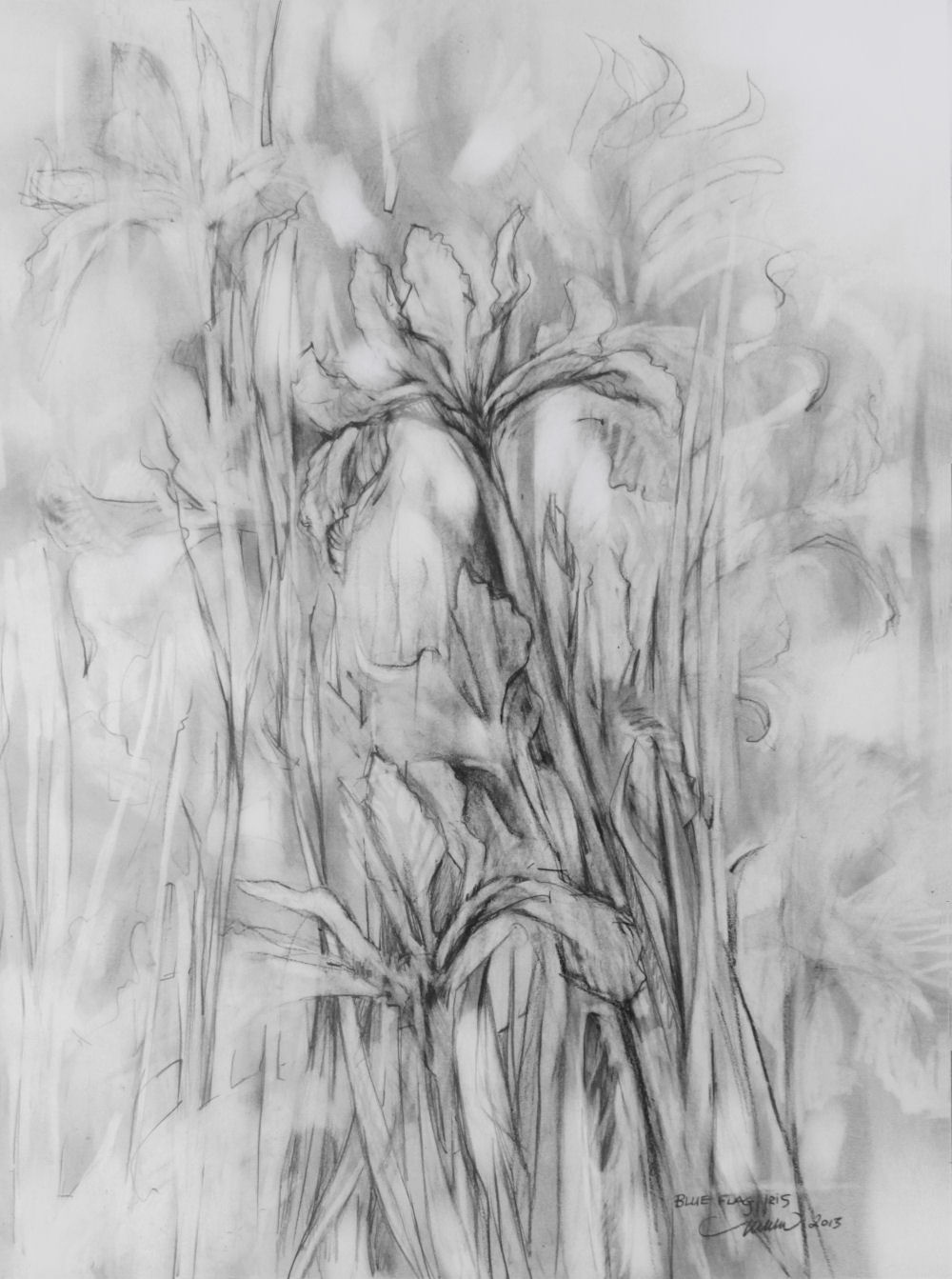
Blue Flag Iris, 24H x 18W inches graphite on paper, white mat
Categories: Abstract/Realism, Art for sale, drawings, flowers, garden, graphite, illustration, Seasonal, Spring | Comments Off on Blue Flag Iris
July 2, 2013
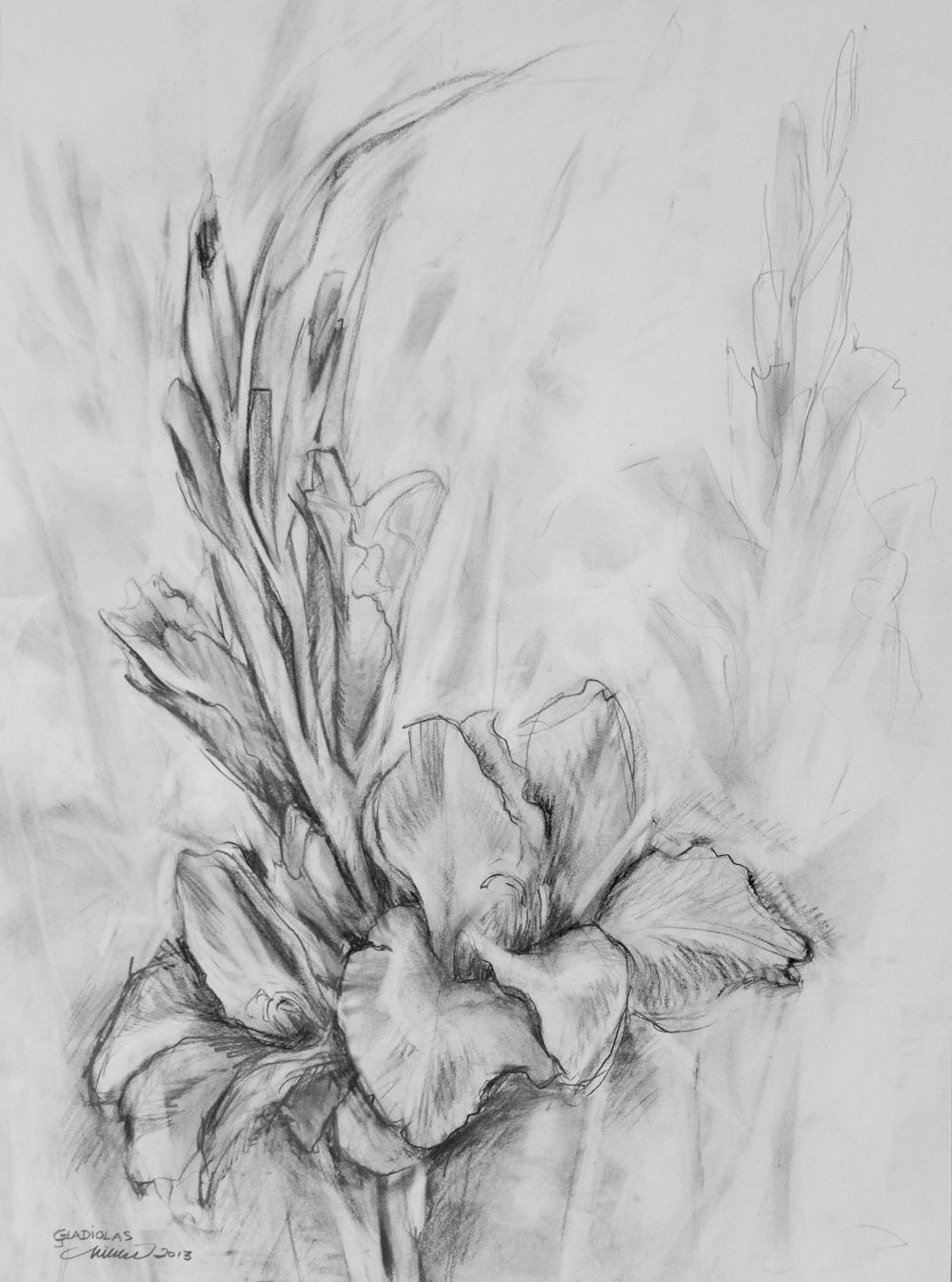
Gladiolas, 24H x 18W inches graphite on paper, white mat
Categories: Art for sale, drawings, flowers, garden, graphite, illustration, pencil, Seasonal, summer | Comments Off on Gladiolas
� Previous Entries Next Entries �