
Paper Places series
« Previous EntriesCedar Branches Abstract
Wednesday, February 13th, 2013
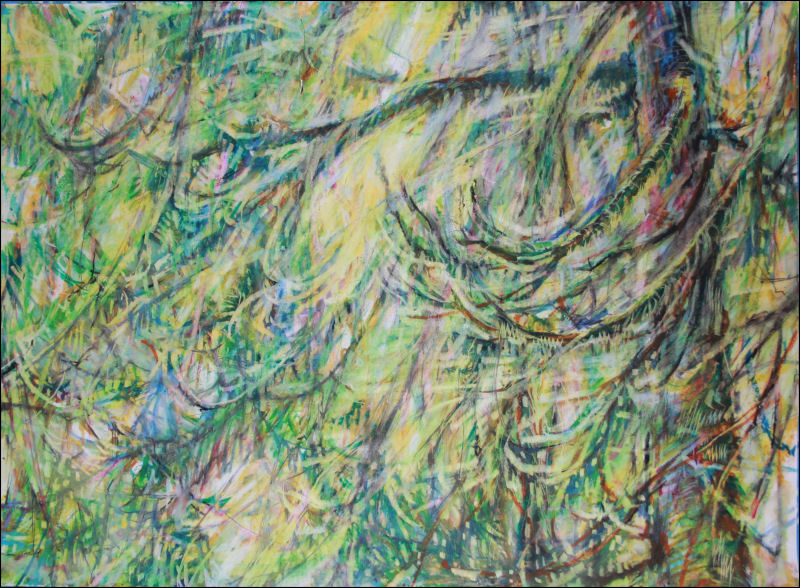
Cedar Branches Abstract, 18H x 24W inches oil pastels on 100% cotton paper, white mat.
Deciduous Forest
Friday, December 7th, 2012
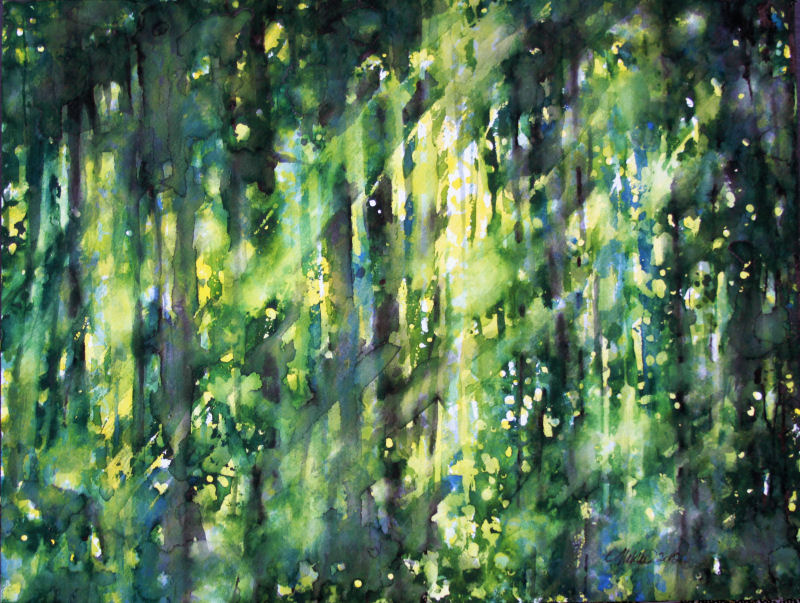
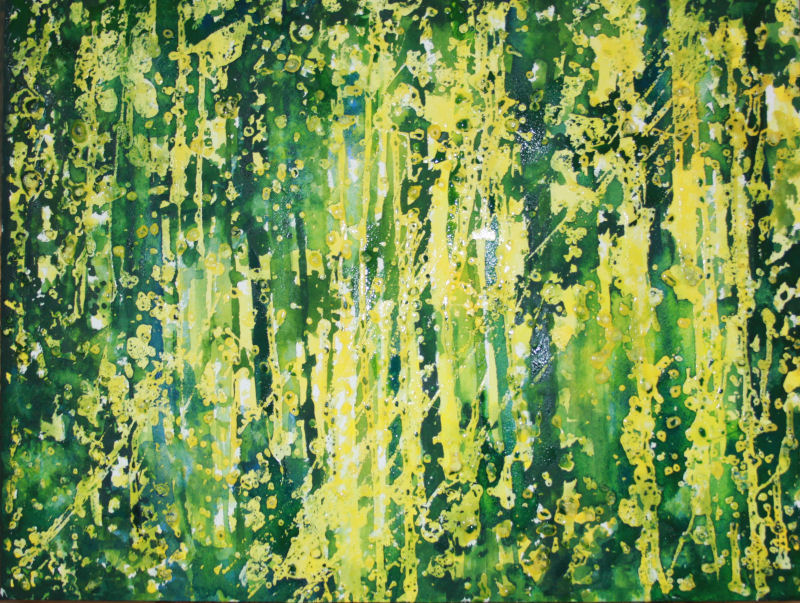
Deciduous Forest – Washington State USA – 12H x 16W inches watercolors on paper, sage green mat
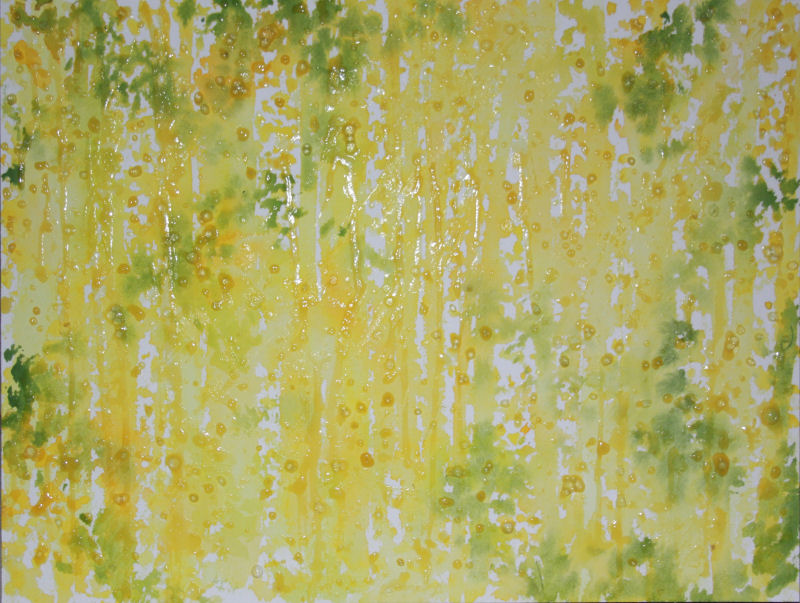
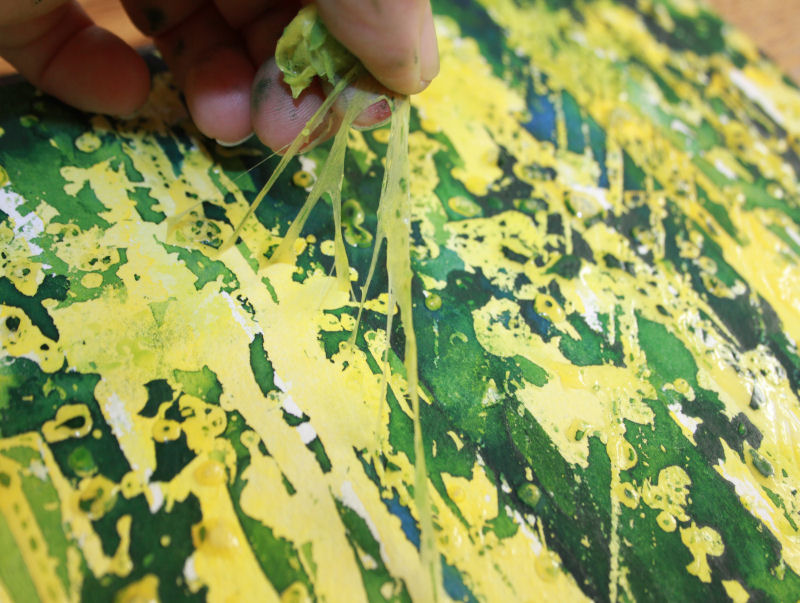
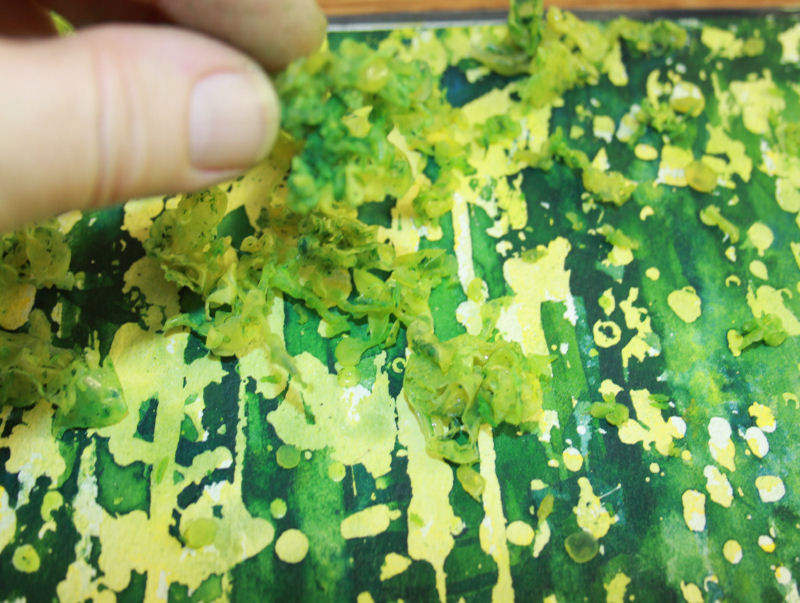
Thumbnails below: 1. resist medium applied, dried and first paint application 2. peeling off the dried resist after painting dark hues of sap green 3. stage 02, after peeled off resist medium, before more paint 4. an idea occurred to use the pulled off rubber pieces as 3D effects in future paintings, probably best on canvas.
A while back, I had visitors attending a show of mine peel off the rubberized medium in the same fashion, revealing the flowers on “Flowering Shavingbrush Tree”.
 |
 |
 |
 |
Flamboyant Tree flowers and seed pods
Thursday, December 6th, 2012
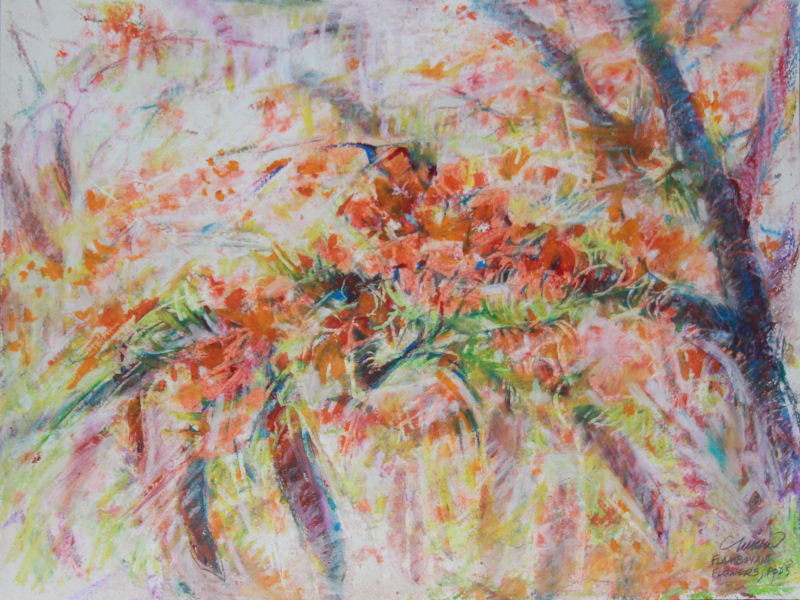
Flamboyant Tree Flowers and Seed Pods – Chapala, Mexico – 9H x 12W inches oil pastels on paper, white mat
500X Gallery: Landscape
Tuesday, October 6th, 2009
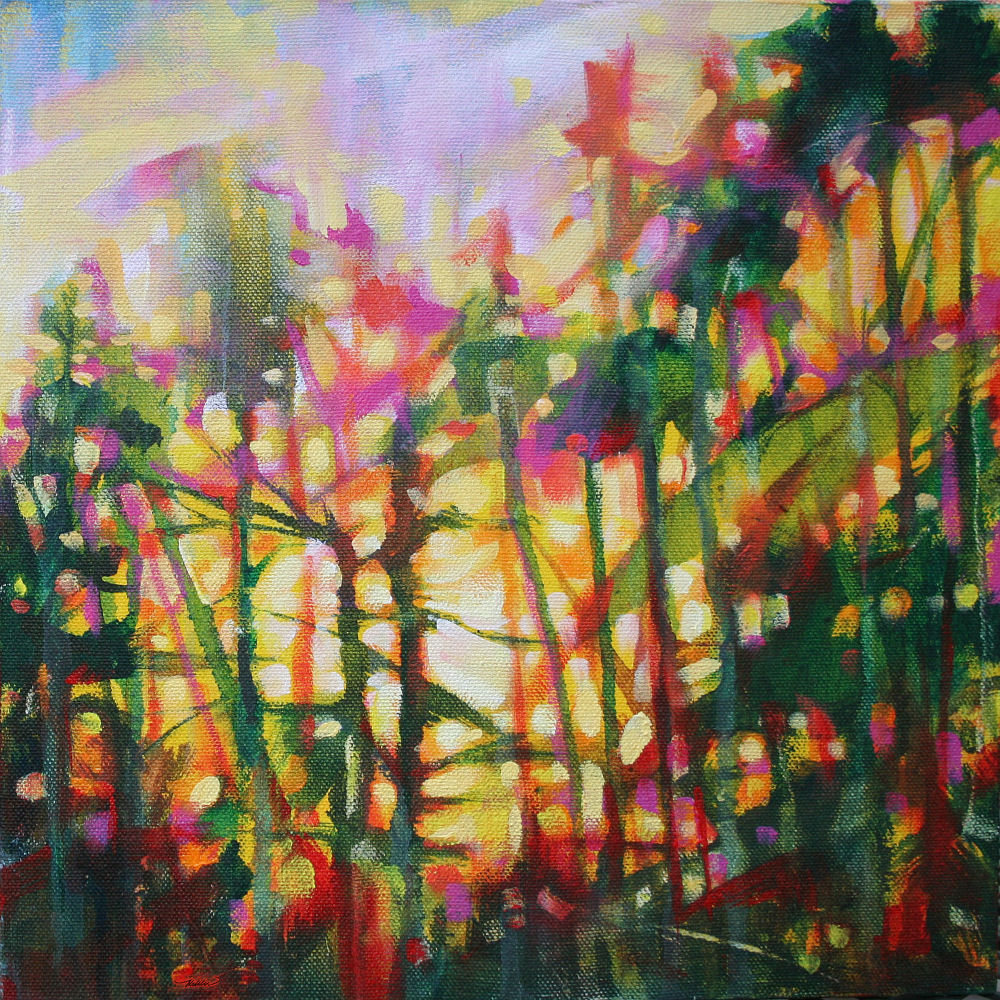
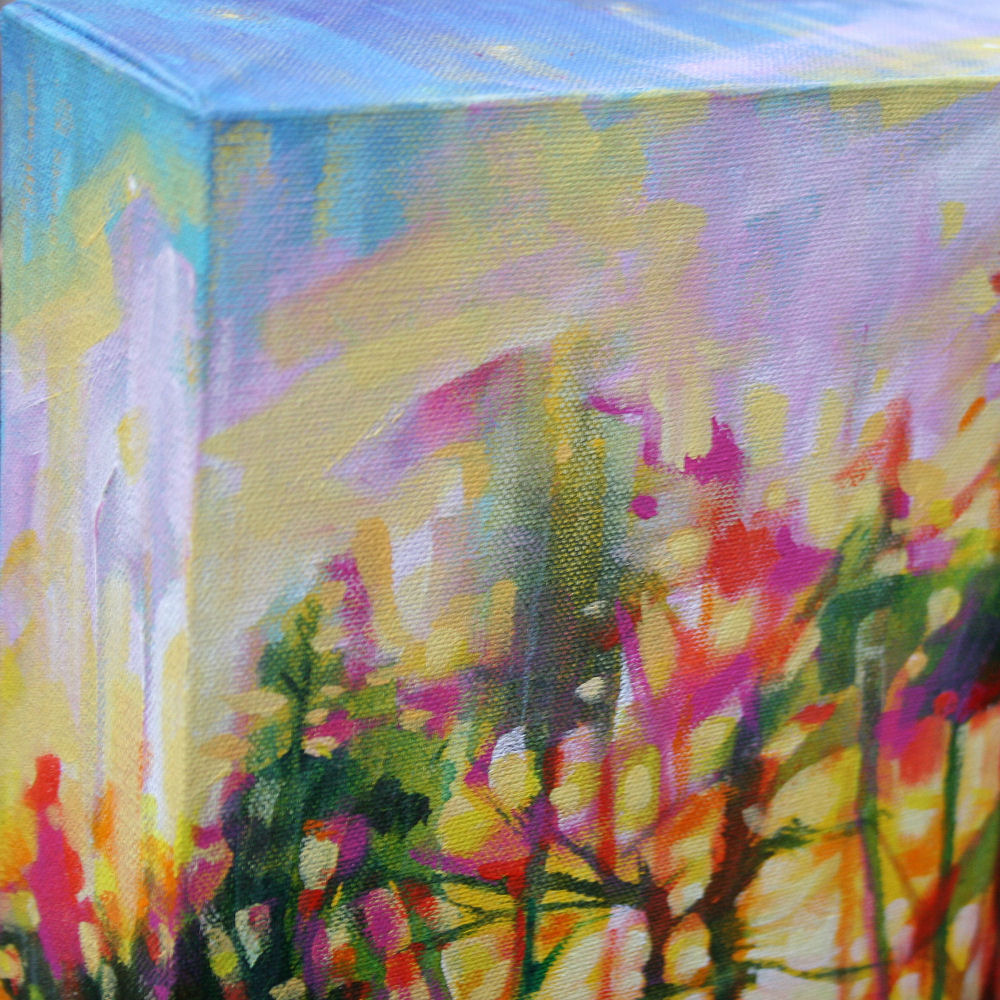
Saint Catherine’s Sunset, Ontario, Canada – 11H x 11W x 3D acrylics on canvas, wrapped sides painted, showingOctober 1 0 – 31st, 2009 500X Gallery Open Show: Landscape, 500 Exposition Ave. Dallas, TX. Opening Reception Saturday, October 10th, 7:00 p.m. – 10:00 p.m.
Oxide Gallery 1st Year Anniversary celebration today, Tuesday October 6th, 6:00 p.m. – 9:00 p.m. Happy Anniversary Oxide Gallery!
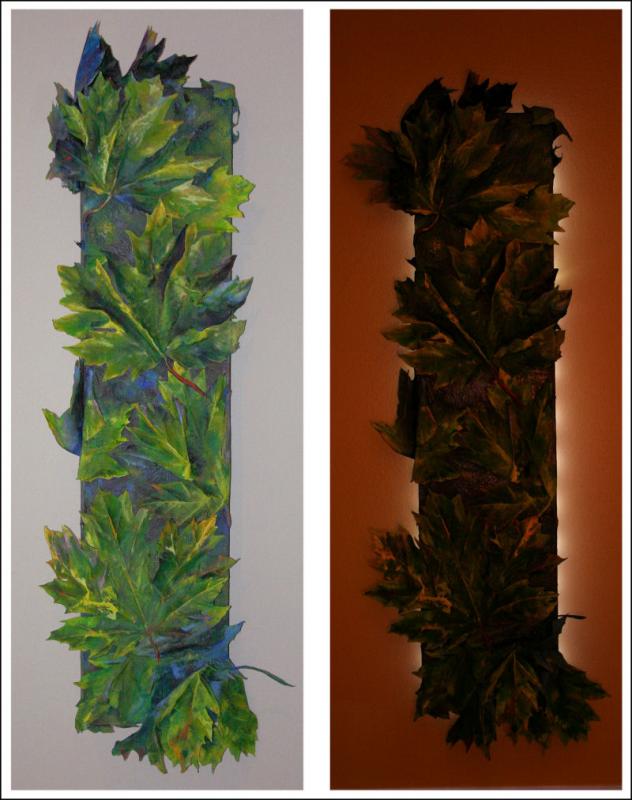
I’ll be giving a demo on the use of Masking Fluid in acrylics paintings, so come and reveal one painting by helping to peel off the rubberized mask – I don’t even know what it looks like underneath, so it will be a surprise for all of us. Techniques on applying the fluid will be demonstrated on another painting already in progress. Three pieces accepted in the current show at Oxide Gallery are:
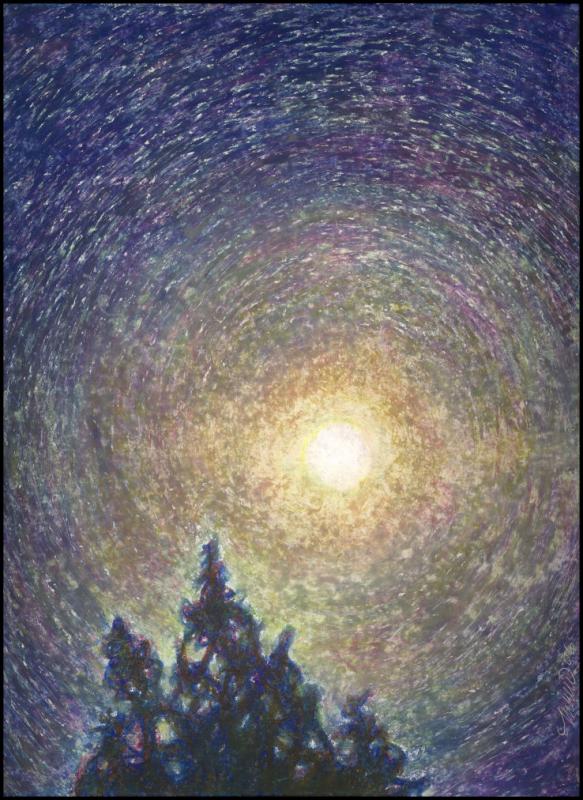
End of Tulip Season
Wednesday, February 18th, 2009
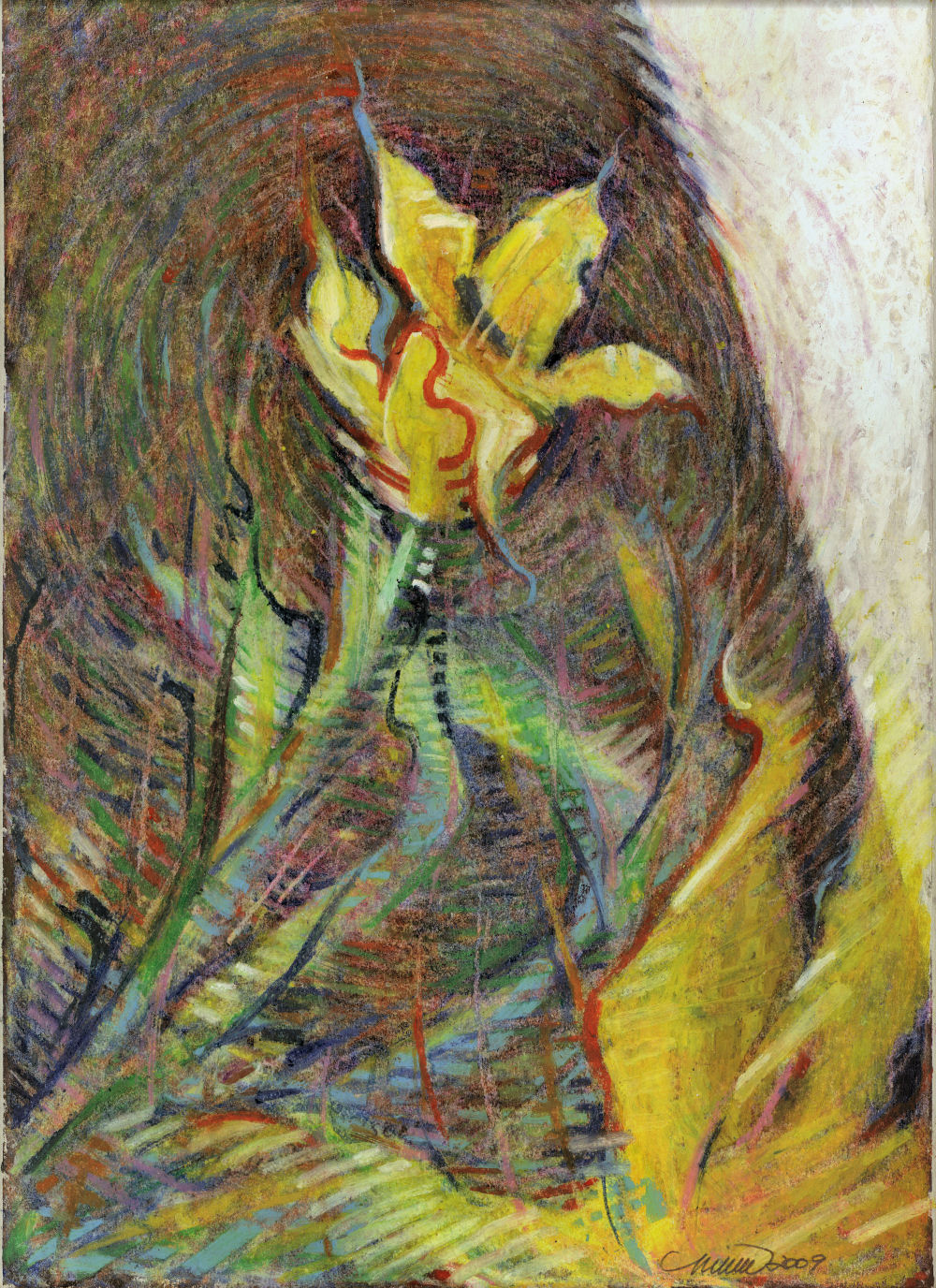
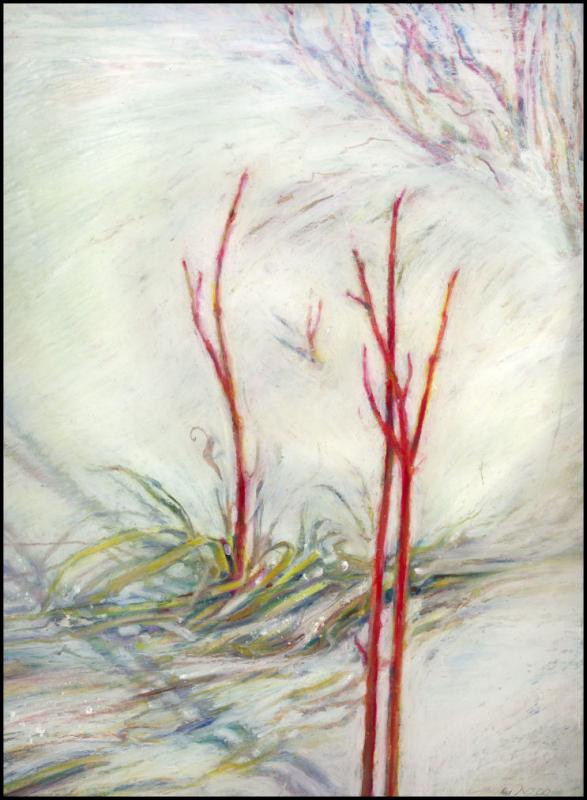
Finished today: added some life to End of Tulip Season, 14H x 11W oil pastels on paper.
Images of progress
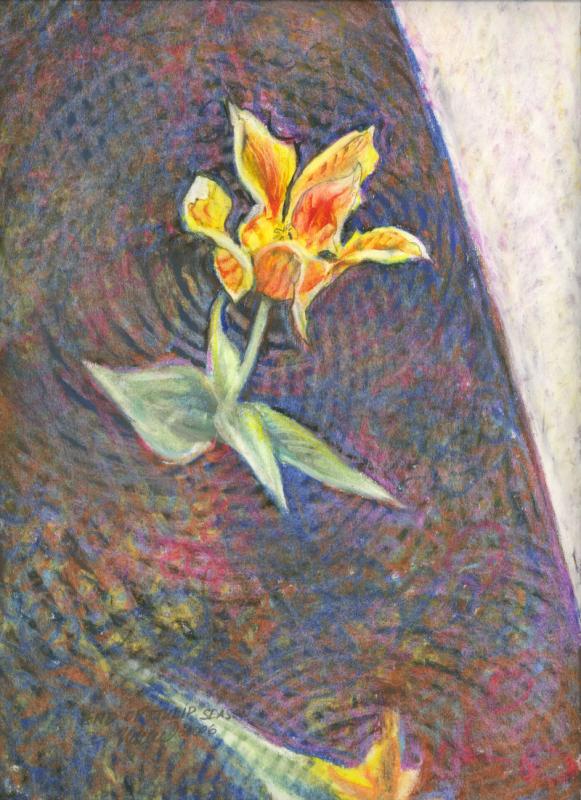
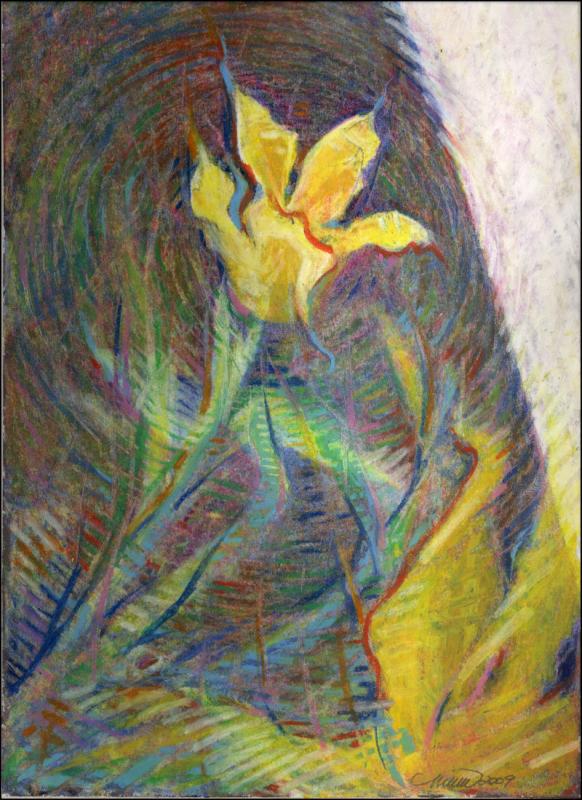
Except for the fact that paper has a limit to how much it can be reworked before it starts stretching, I could keep revising these drawings in the Paper Places series continually! Some of them are finished in a day, and truly finished. Some drawings seem OK when they are finished, but have areas that are not quite there yet, so they are left for a month or a year or two then taken out and reworked. It’s great exercise playing with color and composition. Some are taken too far, but with regard to learning, effort is never wasted. Change characterizes this series too; change of place, change of time, change of styles, changing what’s already been changed.
Please curb your dogma
Saturday, February 7th, 2009
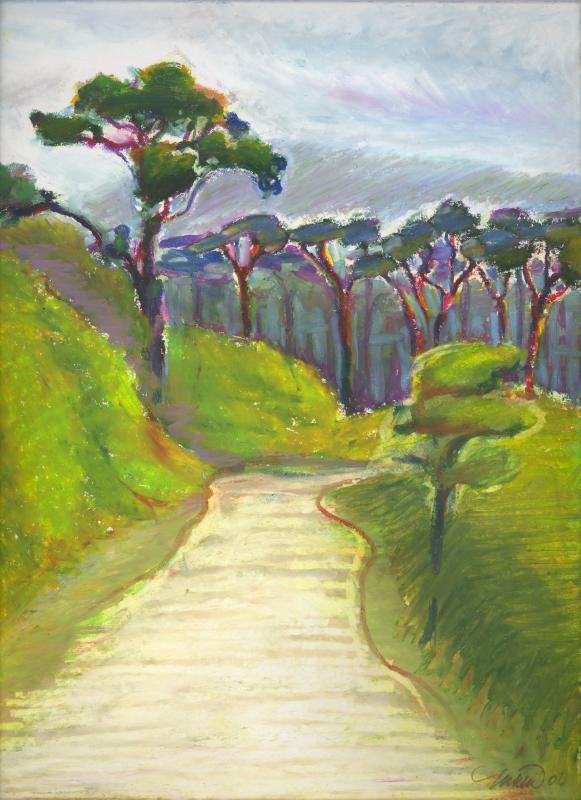 “Please curb your dogma” reads the large sign outside the Horizon Unitarian Universalist Church in Carrolton, Texas. The Artists On The Horizon program offers artists an opportunity to show and sell their work in an open, receptive atmosphere. Now on exhibit: a series of interesting collages of paper that incorporate elements of painting, drawing and sculpture by contemporary artist Bryce Lafferty. The Paper Places series shows March 1 – 31st. Left: Lake Cote Cloud Forest Reserve, Costa Rica.
Eastern Redbuds
Saturday, March 29th, 2008
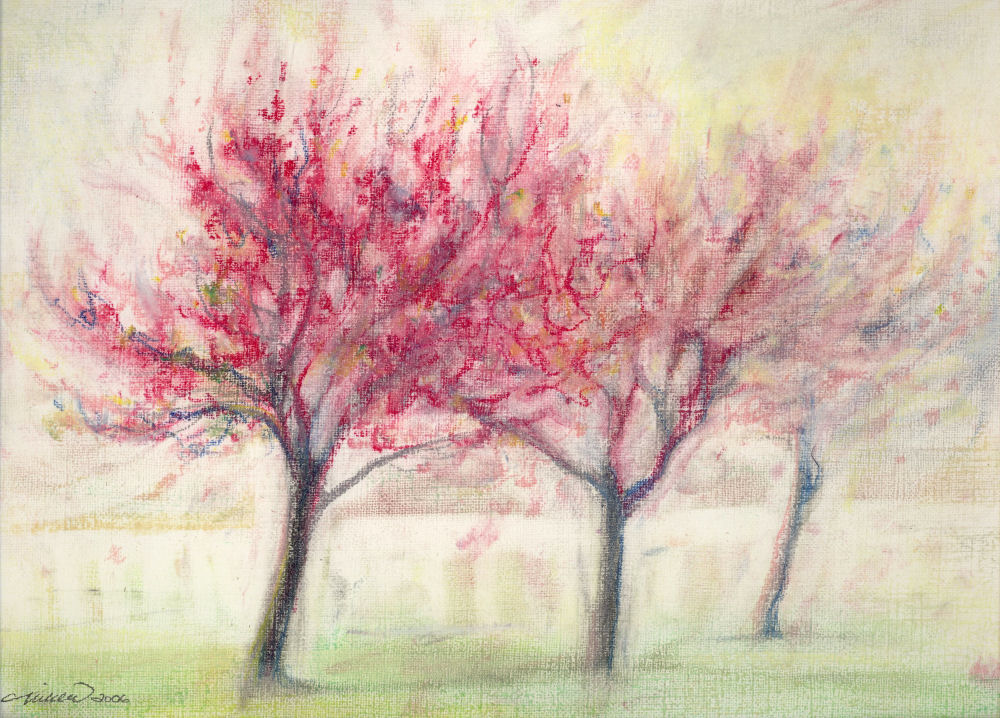
Eastern Redbuds, Coppell, Texas USA, 14 x 11 inches soft pastels on paper.
Showcased in Artjury.com’s 2007 Spring/Summer Online Exhibition.
Guanacaste Trees
Monday, February 25th, 2008
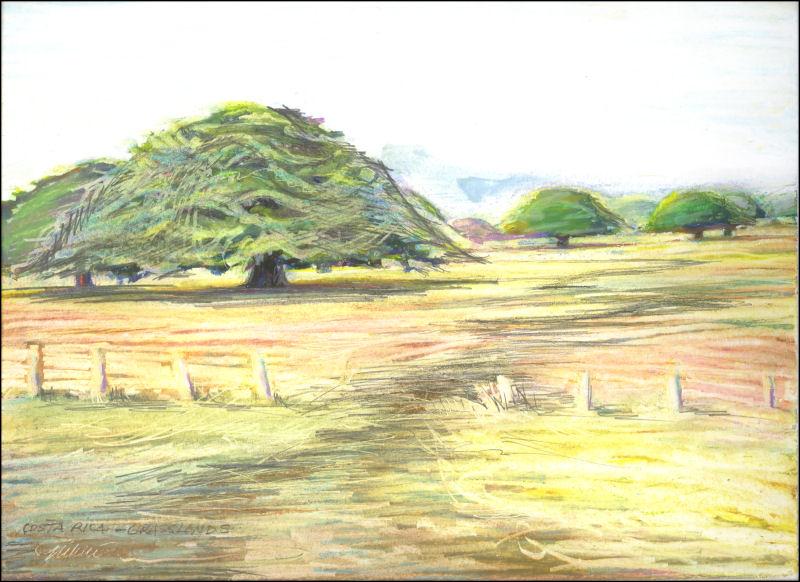
Guanacaste Trees, Costa Rican Grasslands, 11H x 14W inches oil pastels on paper. Part of the Paper Places series, all have white double mats and white custom built wood frames with crackle finish, total size 22H x 26W inches.
The unusually wide umbrella-like shape of the trees look cartoonish, but with a few textures I think the issue is resolved now.
Guanacaste trees have such presence! Costa Rica is not well known for its open grasslands, but north-west and central areas of the country flatten out a little, with mountains of rain forests and volcanoes on the horizon. Guanacaste trees look entirely different growing in the rain forest than on the open grasslands.
The Great Ocean Road
Sunday, February 24th, 2008
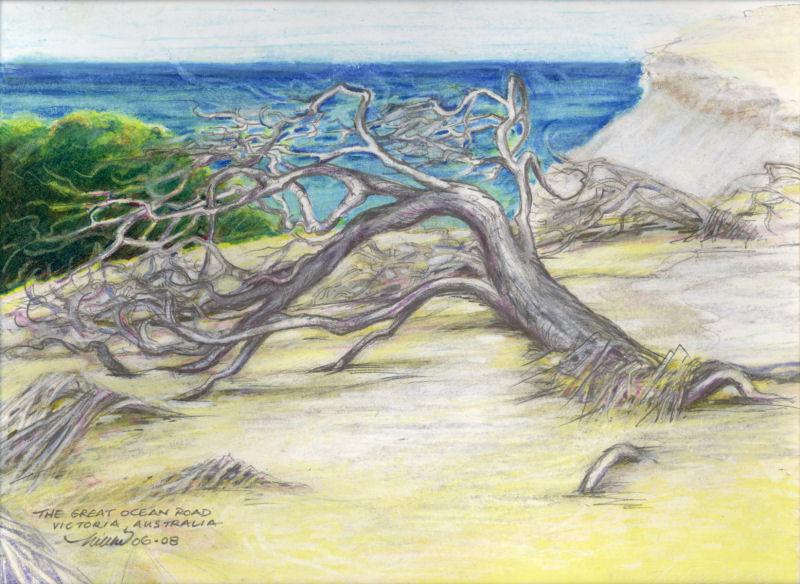
The Great Ocean Road, east coast Victoria, Australia, 11H x 14W inches oil pastels on paper, framed with 3 inch white double mat, brass title plate, and white wood frame with crackle finish, 22H x 26W inches total size. Sold.
Exhibition Opportunity
Tuesday, December 4th, 2007
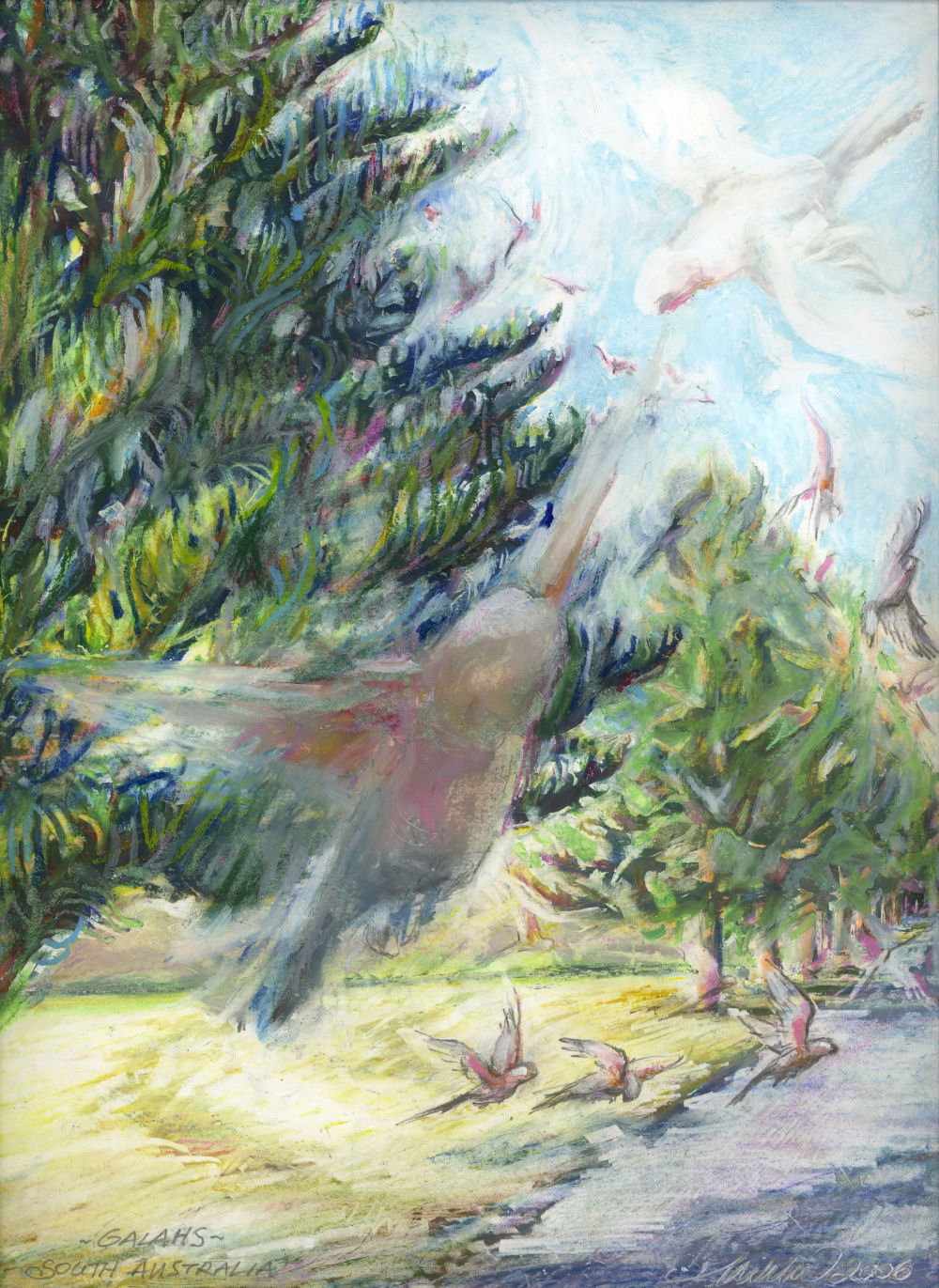
Galahs in Traffic, Australia. 14H x 11W oil pastels on paper, has 3-inch-wide white double mat and 26H x 22W inch white custom-built white wood frame with crackle finish.
Flocks of Galahs fly in front of cars… unfortunate fatalities along the highway to the Kangaroo Island ferry, South Australia. The trees illustrated are Norfolk Island Pines.
One of the pieces showcased in the AJAS Fall/Winter Online Gallery.
For Artists interested in juried competitions and online gallery exhibitions, the American Juried Art Salon (AJAS) gives helpful feedback and critique whether your work is accepted or not. For information about their Spring/Summer 2008 competition visit http://www.artjury.com/art.html Artists whose work has been accepted twice in a row receive a website page for one year.