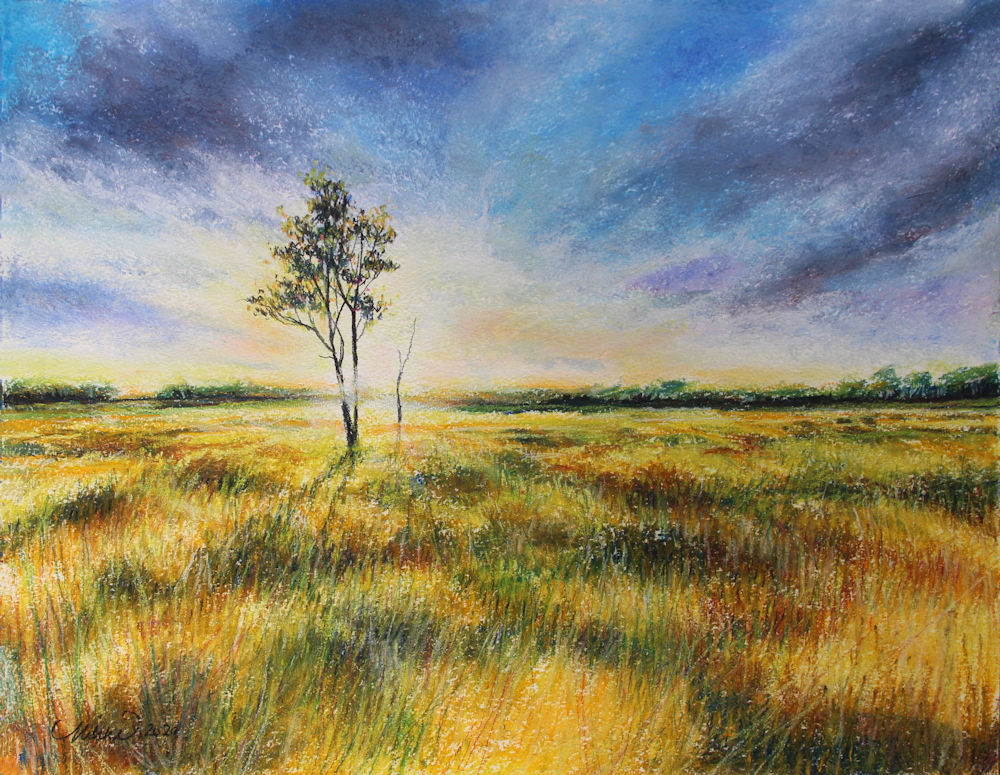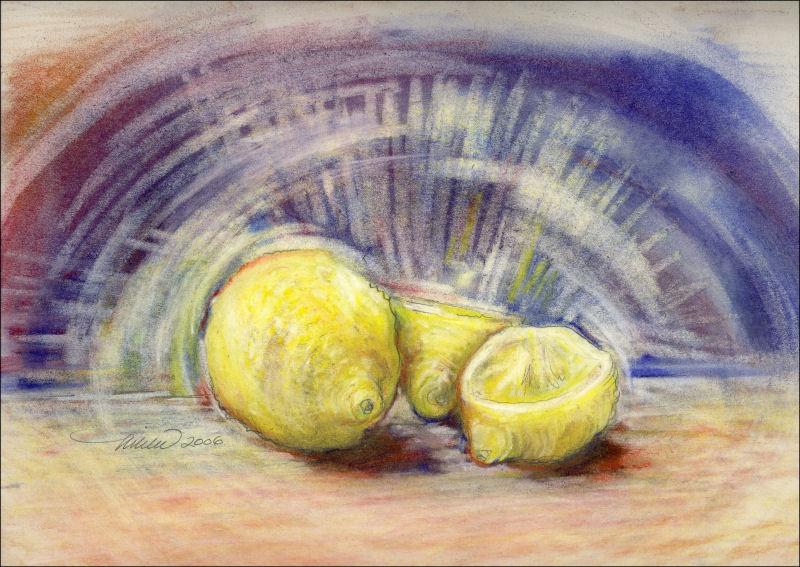
When life gives you lemons, draw them, 11 x 14 inches dry pastels, graphite on paper

"When life gives you lemons, draw them". (Nikki)

"...the painting has a life of its own. My mission is to bring forth this life". (Jackson Pollock)

"Trust your intuition, it's just like goin' fishin'; you cast your line 'til you get a bite." (Paul Simon)

inspiration

« Previous Entries

The insight of a nine-year-old

Monday, June 25th, 2012

“It does not matter how much you see, it matters if you appreciate what you see”

Fintan Fox, 9 yrs old. Below, an angel fish drawn after snorkeling in Figi
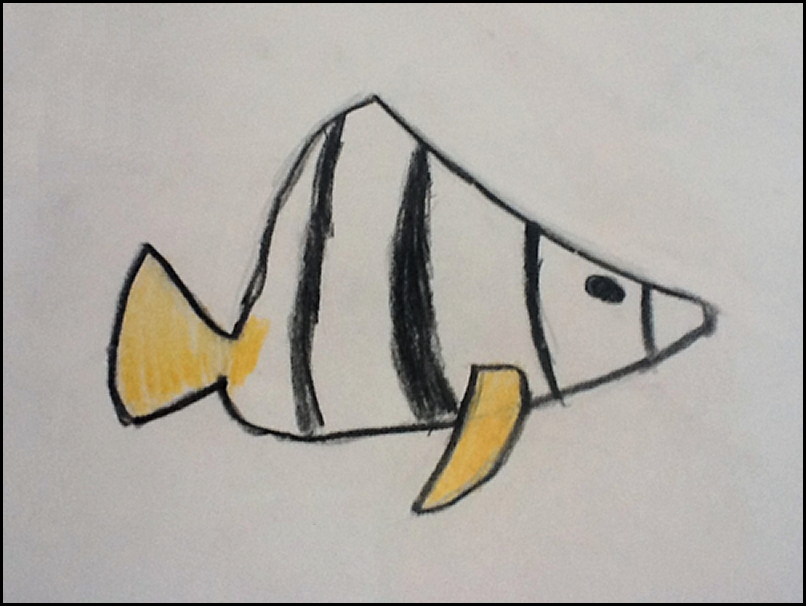
Fintan Fox, Angel Fish, pencil crayon on paperI recently had the pleasure of conversations with nine year old Fintan Fox, the son of a good friend whom I had not seen for over 35 years. My friend Julie and her son, Fintan, both created blogs about their extensive travels beginning in England where they live, to Russia last August, then through China, Thailand, Cambodia, to Australia, Figi, and now through western North America. They are on the last leg of their year-long trip around the world, stopping to visit us in Oregon on their way to Canada.
This drawing is one of Fintan’s blog entries, an Angel fish drawn after seeing some while snorkeling in Figi. So impressive! With a minimum of information, the style is bold and confident… simple, yet accurate. Similarly, he writes with matter-of-fact wisdom, and surprisingly well-thought-through opinions. Wow, nine year-olds can be great sources of inspiration. My friends’ blogs are a bit behind since they’ve hardly stopped anywhere long enough at a place that has internet access, but do check them out anyway!

Dr. Ip, the paint drip

Friday, November 25th, 2011

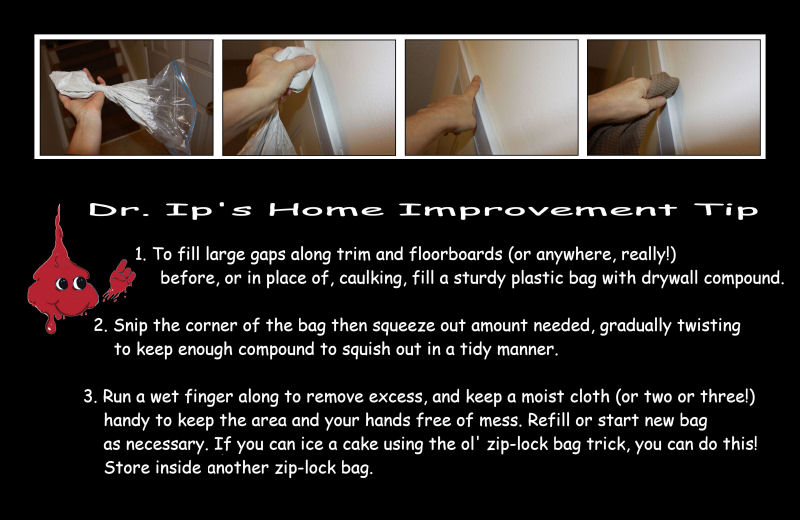
Dr. Ip's Home Improvement Tip

The move west, and renovating homes around that, has unfortunately thrown my career on the back burner. Hence the home improvement tip brought to you by Dr. Ip, another new character based on good ol’ Monte, who has evolved since 1974 and still plays a part in my expressions today. He’s getting a good work-out these days!

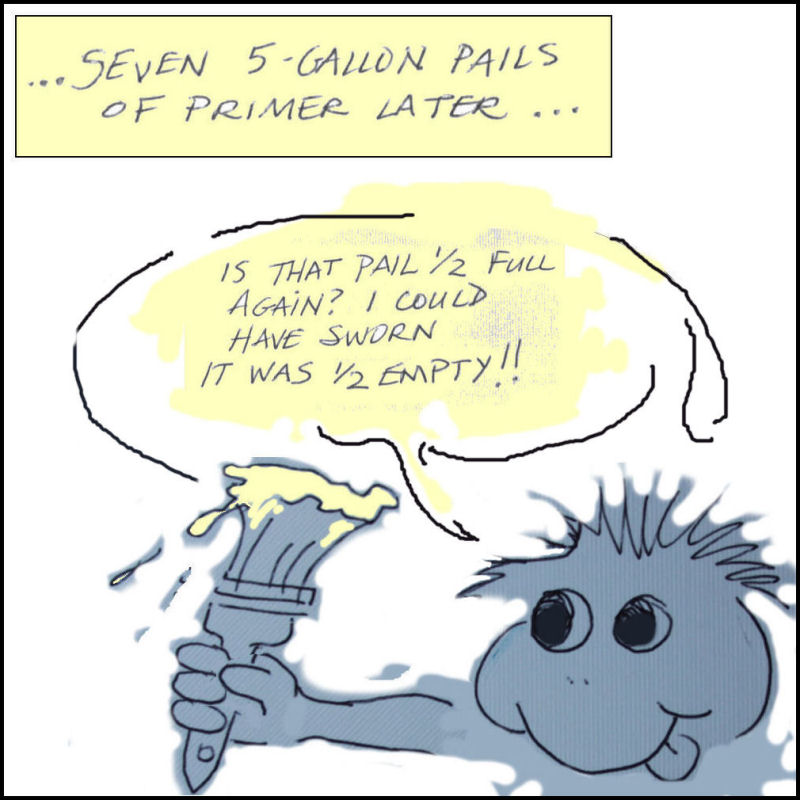
The secret life of wall paint

Wednesday, November 23rd, 2011
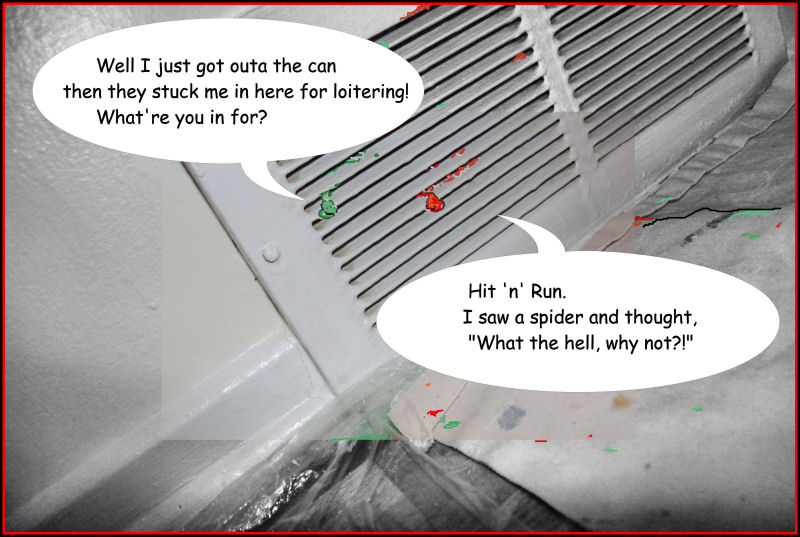
Monte paints wallsI have a whole new respect for all trades-people! All I’ve had time and inclination for art-wise are a few little cartoons using my laptop now and then. I’m going a little nutty with all the wall painting here in Ottawa (Canada), so am having some fun with the secrets revealed to me as I work.

Monte is optimistic….

The Secret Life Of Wall Paint

Monte rocks!

Tuesday, May 10th, 2011

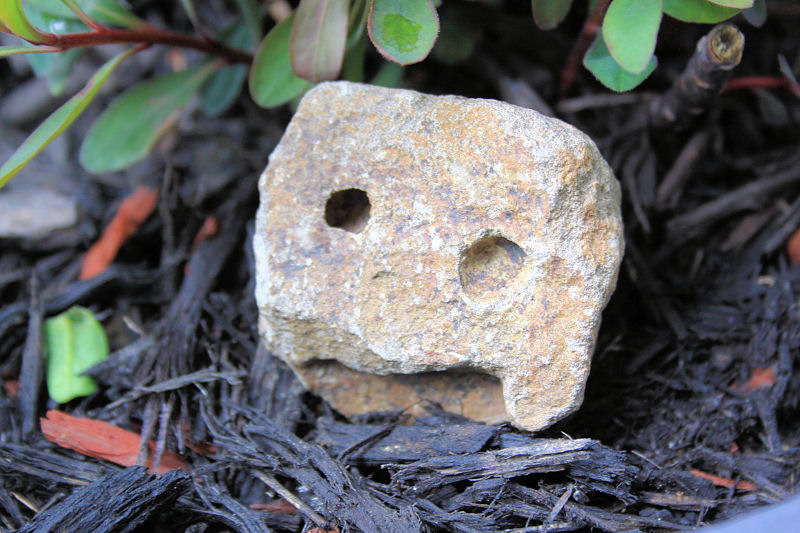
 Monte face seen in a rock

Monte rocks! Who is he?

Stepping Stones

Friday, March 25th, 2011

Zen Garden #01, 48 x 36 x 2, Nov. 2000, mixed media on canvas, 3 in. box frame, sold1.Prickly Pear Cactus, acrylics pins around 48 x 36 x 2 in. canvas, 3 in. box frame, Nov. 2000 - sold2.

Alpine Meadows, Acrylics using palette knife on foreground flowers, 48 x 36 x 2 in. canvas, 3 in. box frame, sold3.The Evolution of Communication, 48 x 36 x 2 in. acrylics on canvas, computer keys and handmade tiles in frame, 2000 - sold4.

While I was in Portland two weeks ago, starting the Texas-Oregon relocation process, I completed five new Zen Gardens, filling a request for one. All five are smaller, slightly different versions of ones made previously. Four are shown in thumbnail images below.

The very first Zen Garden was created in 2000 as part of a four-painting commission. The ideas established in that set foreshadowed new routes to trying methods I hadn’t before, like enhancing my paintings with 3D elements. That set is also the origins of the “box frame” design that I’ve used on several other paintings since then, where each main canvas is mounted on a wood platform, framing the work with about four inches of extra play-space.

Whereas some frames have the effect of abruptly ending a composition, this type of frame enables space for the subject to continue, softens the edges and adds an interesting twist to the overall impression. When items related to the main subject are placed in that area it adds dimension, not just in the physical sense, but also in the conveying of any abstract or symbolic stories beyond the presentation of the main painting inside.

Because of the challenges acheived in those paintings, 1) a series was born that I’ll continue with for the rest of my days. In Prickly Pear Cactus, 2005 acrylics and pins on 8 x 10 in. canvas, sold but will take commissions for other versions2) Prickly Pear Cactus, pins were applied around the main central frame, then painted. The smaller canvas done during 2005 (left) borrowed this technique, and the same principle of attaching things to the main frame can be used with any number of objects.

In 3) Alpine Meadows, I learned to use all the qualities acrylic paints offer by watering down the consistency for the distant mountains, then sculpted the flowers and grasses with a palette knife on the lower portion. Finally, the theme of 4), The Evolution of Communication has intrigued me ever since, but I still haven’t fully pursued the possibilities. This is the perfect means to learn about Art History hands-on by attempting to recreate it in some form, then to share that adventure and ideally, inspire interest in the topic at the same time. Two old keyboards have been collecting dust in my studio closet for a number of years, yet to be disassembled and incorporated into a new series of work with similar associations.

~

Some of our peers advocate that if we don’t concentrate our efforts to learn one medium well, we will never excel in any. They are right of course, in many respects, but scores of artists are not content with singing just one note. Some simply cannot. To be fair, what works for one does not work for another. Each of the above paintings are examples where a combination of skills and different media in one piece can be very effective. I’m here to say that integration is possible! It’s a longer, meandering road..but it is possible.

Zen Garden 09-02, 30L x 15W inches, mixed media on canvasThere are so many different paths artists can take, long and short term; opportunities every day. There are endless kinds of subjects, ready-made and unconventional materials, always something to start or finish, new methods to explore, and an overabundance of ideas to attempt in one lifetime. Self discipline is the order of every day, either to start working or know when to stop.

My philosophy is that doing something, unless naturally in need of rest, is better than doing nothing. However, being overly ambitious in too many areas is also how I, along with millions of other artists end up with a variety of different kinds of art (or just stuff!), and the arguements endorsing one type of study come into play. Should we restrain ourselves when it comes to making “stuff”? Why is consistency given more support than variety when it comes to showing and selling art?

Whatever choices we make; whichever direction we take depends mostly on the intention for the finished products. Who is it for, do you want it to sell it, where, how, and how quickly? Was work done as a personally cathartic process, as a lot of art is? …or is it just a thing with no emotional attachments or brainy messages? Artists who support themselves by offering a range of services, satisfied and busy enough by word-of-mouth sales, do well jumping from medium to medium. If the hope is selling work through galleries and art dealers though, what some call “too many voices” are apt to be a disadvantage.   Zen Garden 10-02, 18L x 24W inches mixed media on canvas

In one of his recent articles, Robert Genn writes sensitively about multi-media artists. While he supports that “for artists, exploration is like oxygen” and that ”the nature of our game is to be distracted by our muse”, he also recommends that artists must present consistency in our approach if gallery exhibition/sales is what we pursue.

When a gallery represents an artist, they expect an overall consistent look and a clear statement. Where venues sell a number of artists’ work, the ambiance cannot be one that resembles a yard sale. If potential buyers view too many styles, subjects or media in one place or by one artist, they tend to lose interest, resort to window shopping, and walk away empty-handed.

Zen Garden 02-02, 30L x 15W inches, mixed media on canvasI can relate to that: the effect is like standing in the toothpaste isle at the pharmacy, where the senses are bombarded with colorful packaging, alluring titles and fine-print promises. Assuming beforehand that the choice would not be anything but simple, there have been times when I’ve said ‘forget it’ and gone back another day. With art sales though, you don’t want buyers to come back another day, because it may not be your art they choose then.

Gallery owners and dealers do not do us any favor if they display too much variety in typically limited spaces, so Mr. Genn has an excellent suggestion: bring art done in different medias to different galleries.

He also says to keep working no matter what.

Artists have a strong sense of mission. Periodically it needs reevaluation, and with that bigger picture clear, we create the way as it unfolds before us. If we are serious about selling, we first need to become familiar with what we are best at, what we love, what works and what doesn’t. We need experience in order to learn – that takes time – and there’s no getting around it. Experimentation is fundamental to this profession, but if it’s intended to be sold to others and by others, simplifying the look and clarifying the purpose of our art is crucial.

Zen Garden 02-03, a squished version of 02, 18L x 24W inches mixed media on canvasA viewer at one of my exhibitions commented, “You’re all over the place, arentcha?!” As disturbing as that was, it’s true and I needed to hear it, eventually concluding that I do need to clean up my act, but at the same time this is how I work. This is how my stuff works. Every so often there are paintings or a series of works that encompass all that’s been learned and all that I’m capable of; breakthroughs that define a solid new direction or validate the existing one. The commissioned set of paintings described above were like that, and their significance is still an influence on today’s work and will be on tomorrows’ too. They verified that I’m on the right path even though much of the time is spent off of it, experimenting. I call it serious play and paying attention… “playing attention”! Once in a while the bits and pieces come together in one big rewarding “Eureka!”.

Art and Adaptation

Saturday, February 12th, 2011

Adapt “1a: to make suitable or fit (as for a particular use, purpose, or situation) 2: to adjust oneself to particular conditions or ways: bring oneself or especially one’s acts, behaviour, or mental state into harmony with changed conditions or environment.”
Art “1b(1): skill in the adaptation of things in the natural world to the uses of human life … 2d: systematic application of knowledge or skill in effecting a desired result … and to production according to aesthetic principles…” (Webster’s Third New International Dictionary).

Living room details. Painting: Sugar Maple Leaves, 1996Art is all about adaptation – of materials to circumstances, to changes in initial plans and set expectations, and staying open to the serendipity of the inevitable unknown in order to recognize opportunities when they unfold as mistakes. A painting goes through alternating stages of chaos and resolve, of full-on confident energy intermittent with periods of reservation and study. One never knows when the process will be finished, and sometimes great efforts result in nothing great to show.

Adapting to life changes is very much like painting. The materials are different, but seeing it that way, moving personal and professional life to another part of the world does not seem so disruptive. That “life imitates art and art imitates life” never quite made sense to me until now. It’s about seeing the picture as a whole while manipulating sections of it, without getting so involved in the details that, ironically, the focus is lost.

All the travel last year was rejuvenating. By the time Fall arrived I was good and ready to apply those experiences to some dedicated painting when, during September my husband accepted a job in Oregon. As folks who know us know, he moved there in October while I stayed behind. With all this attention to house-duty, I’ve been feeling anxious about not being able to maintain all my career commitments during this transition. After not posting any new art on this blog for about six weeks, it’s important to my reputation as a professional that clients and associates (past, present and future) know that I have not stopped working; only have briefly been working on something else.

http://www.nikkiartwork.com/photography/song-and-dance/I’m looking forward to the drive from Texas to Oregon; one phase completed and another beginning. Regardless of location, ideas and inspirations are infinite, always available and uninterrupted in the grand scheme of things. Best of all, these things are portable! You can take the girl away from the art, but you can’t take the art away from the girl!

Saying that change is good sounds cliche, but here’s how I think it works: change pushes us into discomfort, which in turn pushes us to seek innovative ways out in order to regain comfort. In that sense, discomfort is motivating and progressive. Now that I think of it, too much comfort can be uncomfortable! When one set of dilemmas is resolved we instinctually go searching for more. Life and Art are a soul’s song and dance. 

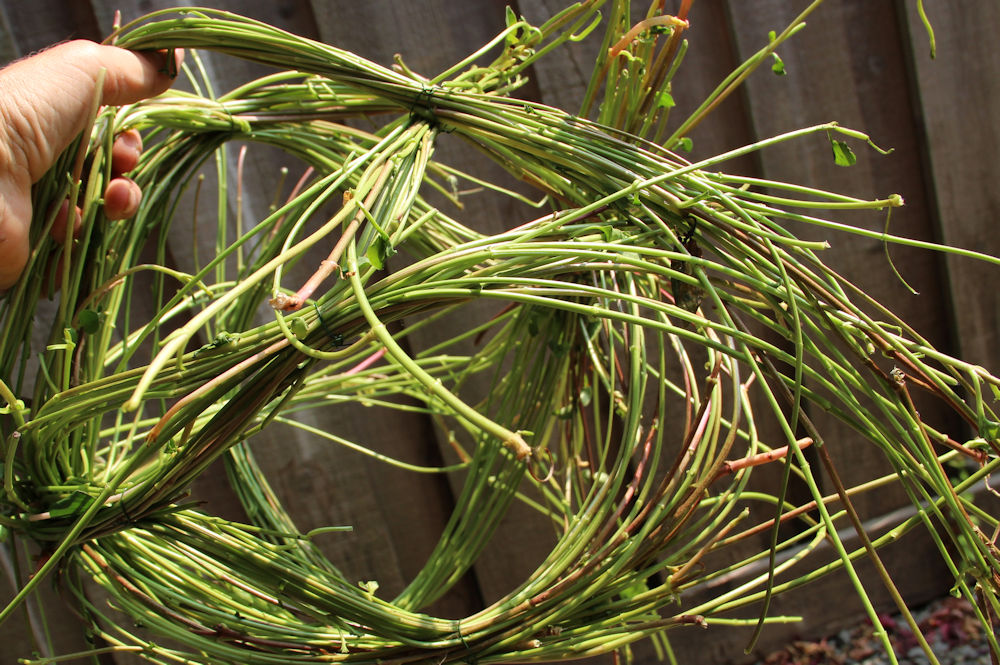
Above: Basil roots and stems garden sculpture entitled “Song and Dance”

Five seconds of beauty

Thursday, February 10th, 2011

Dallas, TX early Feb., ice dripping on Dogwood branches forms alien-like figures

There are days when a falling leaf is just a falling leaf, but today one caught my eye as it floated down then caught an updraft, then flipping sideways and rolling over a few times, it seemed to be avoiding its final destination as long as it could. It was five seconds of beauty I will never forget!

I’m sure my friend and mentor, Jo Williams will not mind me passing along her note of a quote by Judith Hanson Lasater: “As many times a day as you can, find something to be grateful for because that will connect you with yourself, with others, and with the wider world. And we need to do this MOST when things are their most difficult in our lives. ”

Dogwood buds and branches - ice formed by melting roof snowMaybe the leaves have fallen like that all season, but I was too busy grumbling about raking half of them from our neighbour’s yard. I’ve been too busy detailing the house inside and out, trying to get it listed as soon as possible. There have been issues this winter of solid ice in the evestroughing, and having to chip away and melt trails with boiling water so the roof run-off would flow properly. I was too annoyed to notice the incredible phenomena on the other side of the house that were created by the very same problem. Left and above: alien-like forms were created when slow-melting ice dripped from the eavestroughs onto shaded Dogwood branches.

Icy PansyBefore the snow and frigid temperatures last week, the pansies were finally filling in and gorgeous alongside the back yard fence. When winter came with a vengeance and would not let go, so did my view that, “Aww! The pansies are frozen!”, but yesterday,it changed to: ”Awe! The pansies are frozen!”

Thanks for sharing, Jo!

Comforters and Joy

Monday, December 13th, 2010

Patrick Roy hockey card, fabric paint on 100% cotton twin size comfortorWhile organizing and packing for the big move to Oregon, I’ve been uncovering (so to speak!) things I haven’t seen for a very long time. Ed Belfour hockey card, fabric paint on 100% cotton twin size comfortorIn 1992 our boys played hockey and collected hockey cards, so they each chose their favorite to be recreated on a comforter for their beds. My thinking was that if they had stuff they liked in their room, they would keep it tidy. Hey, it did work for a while! Pillow cases, lunch bags and toy bags were made from left-over fabric, and they painted on some too. I’m saving a few of these things to hand down to their children.

At the time these were made I was working freelance, mostly for interior designers. There were outside on-site jobs, but the work I enjoyed most was designing or matching and painting fabrics at home. I’d be given a fabric sample, a room theme, or sometimes only one word as inspiration, and a limited time to come up with an original idea, then produce it. 

The standard business advice to keep professional and personal life separate might work great for companies buying and reselling someone else’s products, but  does not apply to artists. For me at least, work and home life flow as one. Creativity is basic. It’s always there buzzing around, and when professional work is not switched to “on”, it’s looking for something else to do!

The Ethics of Sharing

Thursday, November 11th, 2010

"Montecello" on Limoncello label

Limoncello is a new lemony soda drink that will be available in stores soon. I was approached by the entrepreneur who saw Monte Lemonlisted on Google and asked for permission to use it about a month ago. He has cleverly renamed the character “Montecello”. Read more about Monte in The Monte Files.

It’s as easy as cut and paste for anyone surfing the internet to exploit artwork for personal use, and the artists who create the originals would never be wise to it. As creators of art we have virtually no control over who uses images of our work, including any associated writing, once it’s posted anywhere on the internet. Personally, when people ask, especially if the image is of older work or that which is otherwise not being seen, it’s a pleasure to say “yes”. If you are an individual who has found a picture that helps complete the concept of a blog post or furthers a good cause, then more often than not, the artist may allow it to be used free of charge, so as a professional courtesy, if you wish to use someone else’s copyrighted images or written material, please write and ask permission first.  

Lending imagery does not release all rights to it; unless stated otherwise, all rights remain the property of the artist. Agreements made via email are like handshakes; they are an exchange of trust. Art needs purpose. Work that’s hidden away in computer folders or between pages of a sketchbook might as well not even exist if no one sees it. Sharing images is an excellent way for artwork to get free exposure while helping someone else express themselves at the same time. Ideally we aim to sell, but it’s mutually beneficial to share it, within reason of course. Researching the interested party is only wise, then if a simple picture can help them progress with their ambitions, my view is that sharing is a positive thing to do.

It’s standard practice to list links to other websites without asking, and link exchange encourages traffic all around. For example, I wrote an article on one of my other websites to accompany some fantastic photos I took of the 1500 year old Angel Oak in South Carolina. A blog entitled Gardening in Virginia referred their audience to that page, so in response to that, I added their website link to mine.

When Therese Pereault of Arts Marketplace asked to use the article, “Basic Pricing Strategies: Artists and the Economy” as a handout at one of their meetings, it was an honor to contribute. As their mission they state that they are “…a non-profit program for individual artists and creative entrepreneurs providing training and tools for professional development, mentoring, networking and money management.” The same article about artists and the economy also caught the attention of  L7 Art Mall, and in exchange for an Artist’s listing on that site I agreed to submit six more over the course of the next year. This offer is also open to other artists by contacting Carrie on the L7 website. Bartering is another way to promote business while in turn helping another company do the same.

Like-minded individuals, companies, and organizations can help each other out, and it doesn’t need to be complicated by legalities. Art educator, Stacy Sturgell at Stephens Elementary School in Denton, Texas, in cooperation with  Oxide Gallery, has created a website-blog where her students can comment on art. When it comes to education, I never say “no”. Recently, a college student wrote to me asking for a high quality file of “Marie Lake” to use as the study illustration in his Art Appreciation course. I only asked that he please send me a copy of his essay when it’s finished, to add to my resume. Whether or not he’ll send it remains to be seen, but I’m happy to help him out anyway. It’s also interesting that he asked for that particular piece, because it’s not listed as art for sale, and he had to have searched the depths of the nikkiartwork blog for a while to find it. Even though my blog is more or less a journal to document thoughts and see work progress and processes from a different perspective, I like knowing a little about the people who are interested enough to take time to browse through it.

Last year a representative for an online travel magazine asked permission in advance to use photos from my FlickR album of the Sweetwater, Texas Rattlesnake Roundup. She was not positive they’d be used, but it was respectful of her to cover all the bases beforehand. Sometimes articles are written and I’m unaware of it until someone finally tells me, like the piece Salt Spring Island Fog that was published in Denton Times Magazine, but I only learned about it a year later – what a nice surprise! The Oil Pastel, “Eucalyptus Tree” is being used in a poster competition here, by a participant who designed first, then asked permission to use it. It’s impressive that at least he wrote to inform me.

Then there’s the fine ethical line where credit is given while still posting the copyrighted material, as this person did in using one of my photos of an oak leaf. It took some extended browsing-time to find that photograph here, so I suppose he earned the right to use it! I also appreciate that he did mention the credit. Fortunately even if an art image is not publicly credited to the creator’s website, at least it is automatically embedded in the image and will inevitably send some traffic  back to the original post. 

 It takes extra effort and time to write for permission, so many people just don’t do it. It’s a little scary knowing how little control we have of the work we post. On one hand, we need to advertise and open the doors of opportunity, but by doing so we are vulnerable to all the unknowns. If I were to give in to that helpless, greedy sort of feeling that overcomes me once in a while when I discover someone is using “my” pictures without respectfully asking, it would stop me in my tracks and I would shut down the websites completely. My goals are all about creativity and productivity, so how productive is that?  There are ways maintain or regain a sense of empowerment. For example, rather than sit and stew behind the scenes, since this doctor did not offer any credits for using Coconut Palm  on her blog, I posted a comment there to let her know that I knew she was using it. It’s surprising that a doctor – a professional herself - was not more conscientious, but in the grand scheme of things it’s all fine, because her blog was built around good intentions.

Honesty…it still exists, but sometimes we have to look beyond appearances in order to see it. If artists are willing to consider “freebies”, the benefits received may be subtle, but echo through the generally friendly way business is handled, and even the way the art is created in the first place. The most reliable source for trust is in myself; in the potential for plenty more of, and better work to come in the future. I’m not going to waste precious energy worrying about people stealing my art online. In fact, writing this has been very cathartic. Past work is done, and as long as I’m alive, there’s a lot more where it came from.

Zen Garden #09 and #10

Tuesday, November 2nd, 2010

Zen Garden 09, 48 x 21 x 2 inches Mixed Media on canvas

 Zen Garden 09 work in progress, 48 x 21 x 2 inches Mixed Media on canvas

The perfect painting in a room can elevate the atmosphere of the whole floor, and sets the tone for showing off the entire house. With selling the house in mind, I’m trying to choose a decent painting for our living room, but the only one that really looked good there was Zen Garden #2. It sold, so I decided it’s worthwhile to make two more for the series - even though painting walls is the order of the day.

Zen Garden 10, 40 x 60 x 3 inches Mixed Media on canvas

Zen Garden 10 outline, 40 x 60 x 3 inches Mixed Media on canvas

Painting is always meditative, but I find it especially so when creating pieces in the Zen Garden series. This kind of work does not present the same kind of emotional concentration or intellectual challenges that other paintings do. There are few struggles and hardly any decisions to make, except to find cooperative materials. Once the outline is accomplished it’s pretty straightforward compared to other forms of painting. The outstanding difference is that each stage in these 3D paintings requires time and patience to allow areas to dry before proceeding. The Zen Gardens can be drying in stages while other work gets done too, and the multi-tasker in me is quite happy to be accomplishing many things at once!  

Liquitex Blended Fibers, $12.99 U.S. (are not even metric) for 237 ml - compare quantities and deceptive pricingArt supplies are expensive. Most will last long enough to justify purchases, and much of the time you get what you pay for, but some items are ridiculously overpriced. Keeping material costs down is essential so they aren’t reflected in the final price, but quality should never be compromised. Still, there are ways to get around any dilemma, and there are alternatives for everything.

When I started the Zen Garden series ten years ago using modeling paste and textured gels, jars were about $15 for 250 ml. Since then I’ve experimented with various unusual materials, and shopped everywhere to compare prices. It’s still more economical to purchase brand-name products in larger quantities – if you can find them. There are some fun mediums available now too, like gel with tiny glass beads in it. Prices for art supplies do not seem to waver over time in either Canada or the U.S., so I reserve the brand-name mediums to sculpt the rocks and highest quality paints do the finishing touches. Here I’ll share a few of the trade secrets I’ve discovered over the years, and you can create your own Zen garden painting.

Textured paint is the best base for Zen Garden mixtureAs a base for the raked sand mixture, it’s worth purchasing a large 2 gallon (7.58 L) pail of textured paint. I purchased Behrs at Home Depot in Canada, and it looks like Ralph Loren has the market cornered in the States. Watered-down drywall plaster can be used also, but I recommend attention to how heavy the piece may be when it’s finished. Mix in copious quantities of white glue, large containers of white or light-colored acrylic craft paints, and anything water-based that will extend the liquid mixture and bind well with the dry ingredients. Sand, even popcorn kernals and/or rice can be added for texture. Other objects can be incorporated too…just use your imagination. For example, and this is my most valuable secret, unscented kitty litter from the dollar store, the non-absorbant kind, looks exactly like tiny stones and is light in weight.

Zen Garden details: applying mixture with a knife, sculpting rows

Zen Garden 09 details: applying mixture with a knife, sculpting rows

Highest quality materials are reserved for finishing surfaces and sculpting rocksThe mixture can be put in a ziplock bag with one corner cut out, but I discovered that it’s more efficient – however messy – to spread small portions out onto the surface with a knife and hand-mold it. Keep a wet cloth handy to wipe your hands and the utensil often.

Drywall plaster makes nice-looking rocks, plus it cracks well for a parched-earth look, use sparingly because of added weight. Wood filler is a lighter alternative, much less expensive than professional brand gels and mediums. Modeling pastes do not lend well to sanding or carving when dry, but wood filler can be sanded and re-shaped. Wood filler costs about $6 US for 32 ozAlso, if it dries out completely, chop it up, add water then seal the container for a day or so. This is where you can experiment with whatever helps acheive 3D effects. Art, craft, hardware, department stores and dollar stores carry generic brand basics, so it’s worth researching and shopping around.
When it’s all dry, rocks and other details are outlined and painted with pure colors, then all covered with a coat of primer. The colors are all reapplied to further enhance rocks, then brushed white, skimming across the entire surface. This process is repeated until you are pleased with the results by a final coat of white with remnants of the layers of colors poking through underneath. As far as acrylic paints, you do get what you pay for, but price differences are mostly due to pigment quality and viscosity, which, until final stages is not really an issue. Inexpensive acrylic craft paints are perfect as a filler (only).

Apply lots of watered-down colors, choosing the light source from the start, making rocks look real and more 3DZen Garden #10 (above and left) is already quite heavy, so about 1/4 of it will be painted rocks, keeping the sand patterns to a minimum. There is enough mixture that could dry out if it’s not used right away, plus it’s great to make multiples while all the mess, materials and utensils and are out, so I’m doing two simultaneously. There may even be enough for 3!

The neccessity of work, especially if it’s at home, seems less like a chore if you dangle some kind of carrot for yourself every day. Sometimes having too much to do is more exhillerating than exhausting. Each day, though work as an artist can be considered by others as play, the energy, motivation and circumstances are unpredictable..  It takes self-discipline  to find a way to go with the flow and still get work done. The good thing about this occupation is that it is flexible in every way. The creative compulsion seeps into every other activity, and there is almost no way to not add a little something extra.

« Previous Entries