experimental
« Previous EntriesStormy Oregon Coast
Friday, February 2nd, 2018
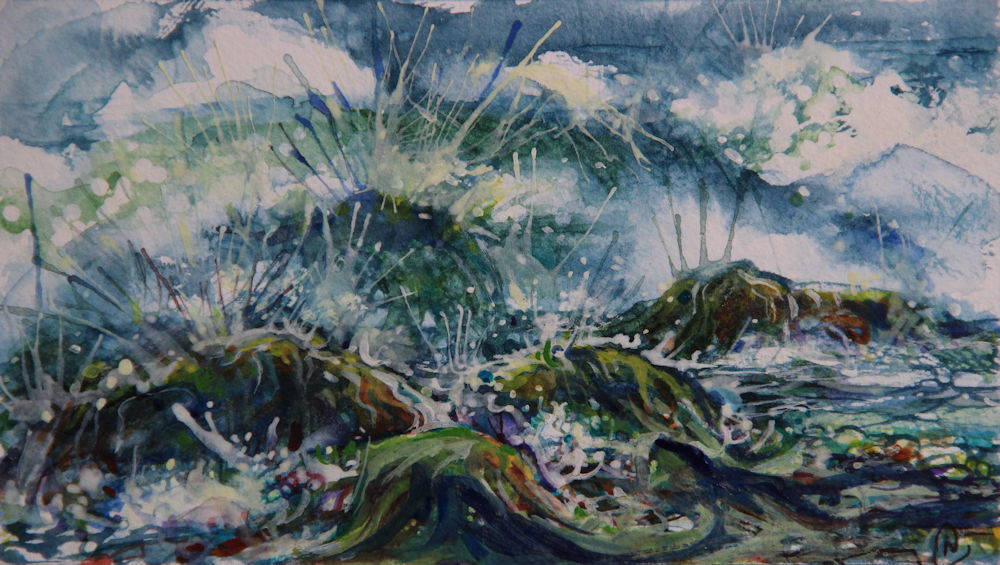
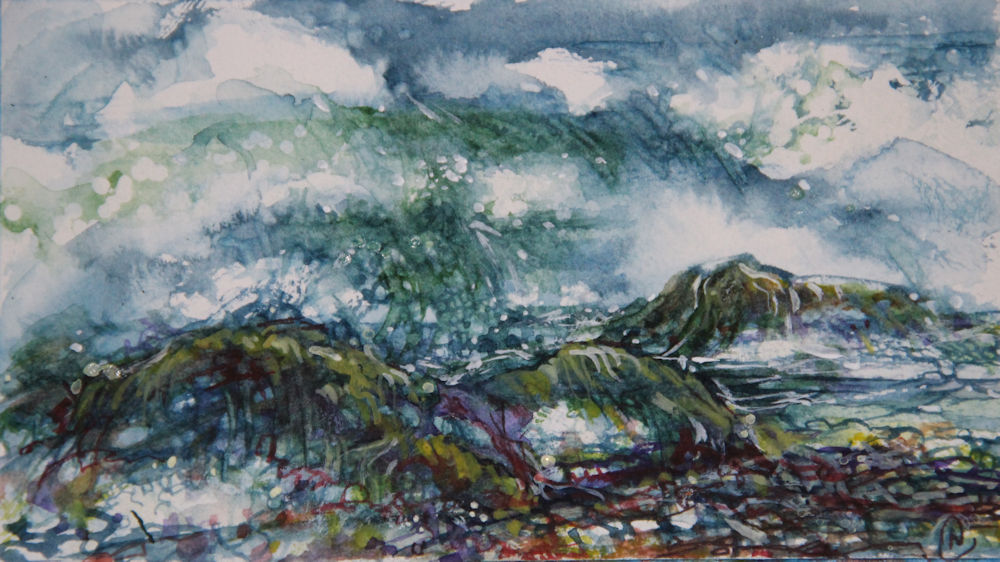
Stormy Oregon Coast 01, 6W x 4H inches watercolors — the first version painted on Jan 10th (bottom) was too stagnant, so I added some splash.
Moche culture jewelry: Ear Plug replica Chair
Saturday, May 2nd, 2015
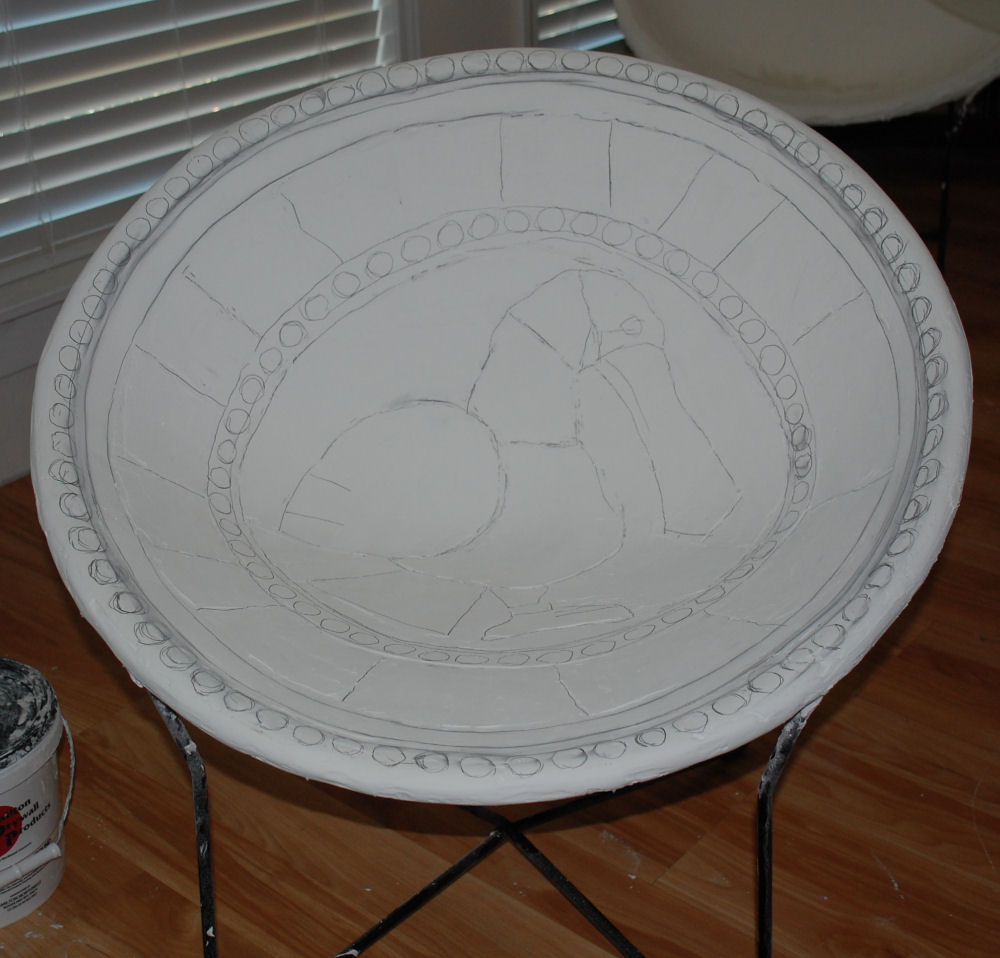
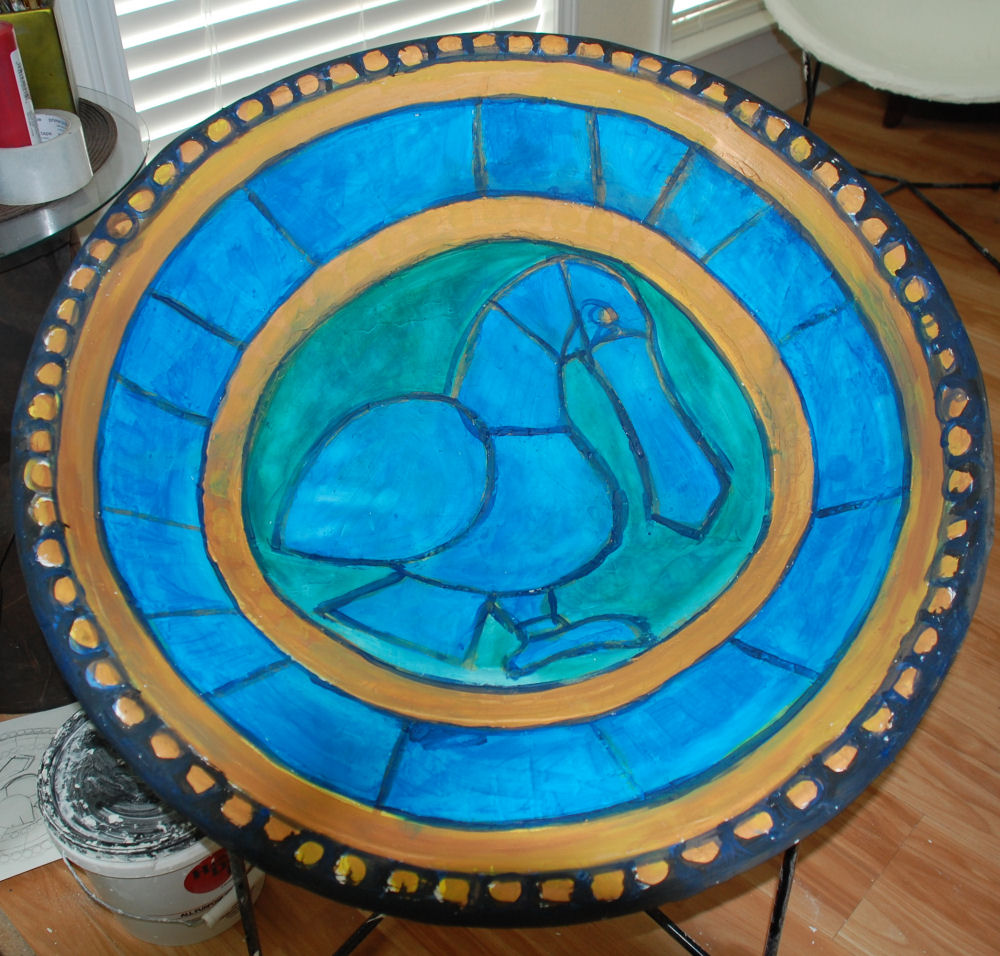
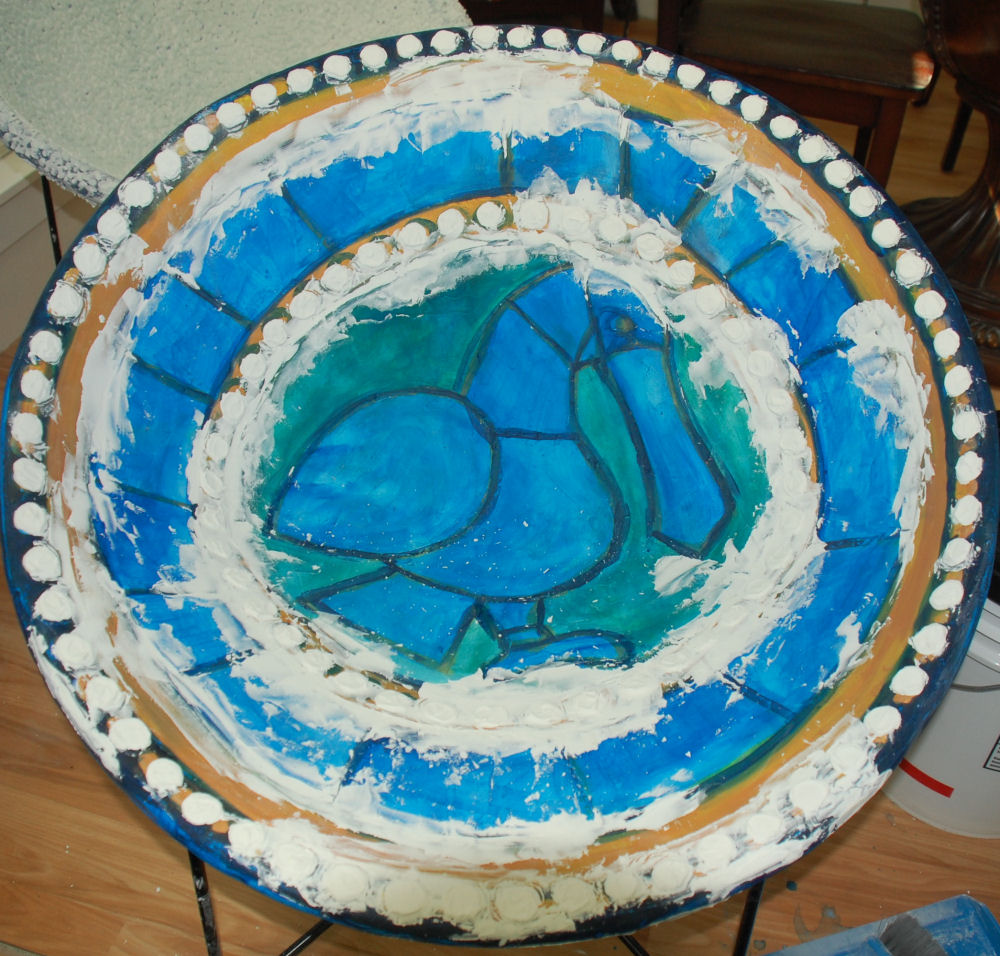
Started Moche Ear Plug replica chair, faux turquoise and gold, 29 x 29 x 29 inches mixed media furniture.
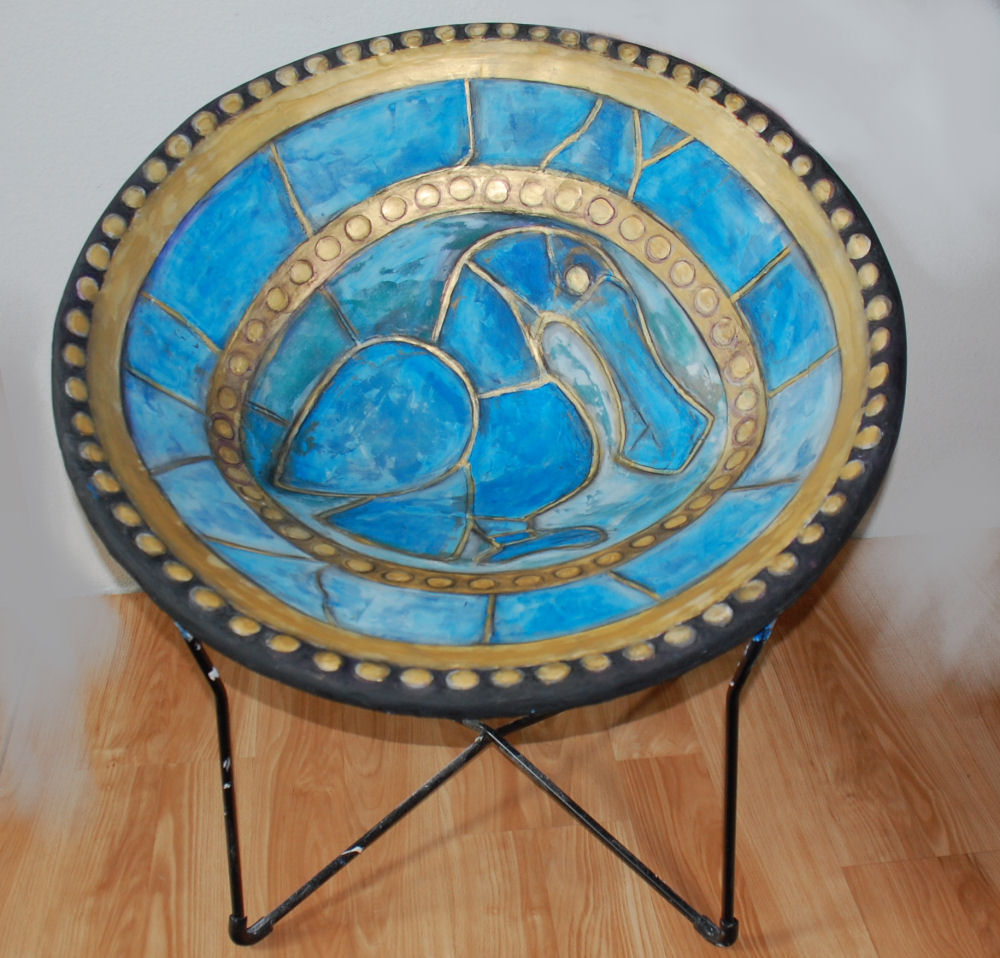
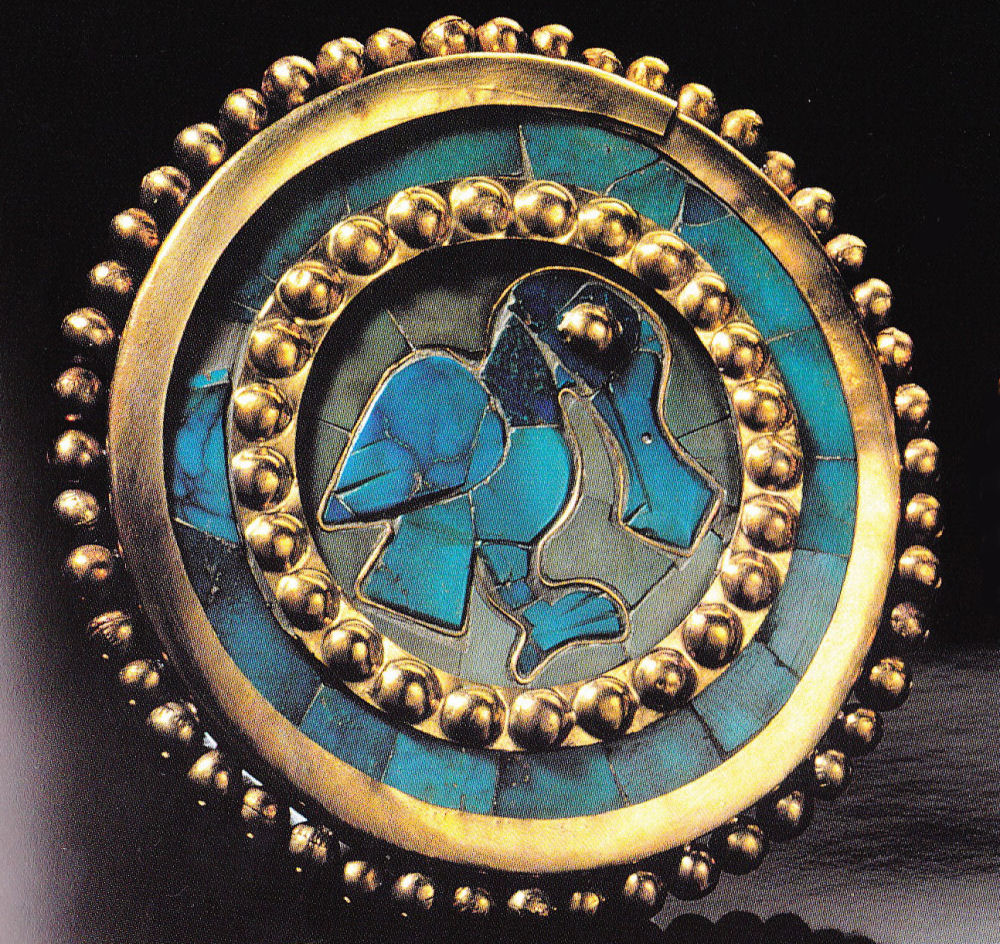 The Moche culture lived on the north coast of Peru between 100 BC and AD 700. With no writing system, they left incredible representations of their activities through art on clothing, pottery, jewelry, architecture, and hunting weapons, illustrating themes like ceremonies, supernatural beings and warfare. This chair is a replica of an Ear Plug – one from a pair found in the tomb of the Lord of Sipan, one of two large tombs discovered in 1987 just north of the village with the same name. Accompanied by sacrificed members of his court and wearing beautifully crafted cotton garments, the highly regarded king died at 30 years of age and was buried with ornaments, carefully placed crowns and various types of jewelry made of gold, gilded copper, shell, feathers, and precious gems. Over 250 ceramics were found, as well as figurines, banners, helmets, scepters and rattles.
The Muscovy duck was a symbol of water abundance to Moche society, and they revered gold as symbol of the light and sun. The color gold is associated with higher ideals, spirituality, wisdom and understanding. For thousands of years, Turquoise mining and adornment has spanned all cultures, prized as a symbol of nobility, invoking luck, protection, and the power of immortality.
I love the idea of incorporating arts and cultural history in my work somehow. The up-cycled chairs are the perfect place to do this. Here are some examples of the influence of history on previous art work.
Cameron Can Count Backwards
Thursday, March 19th, 2015
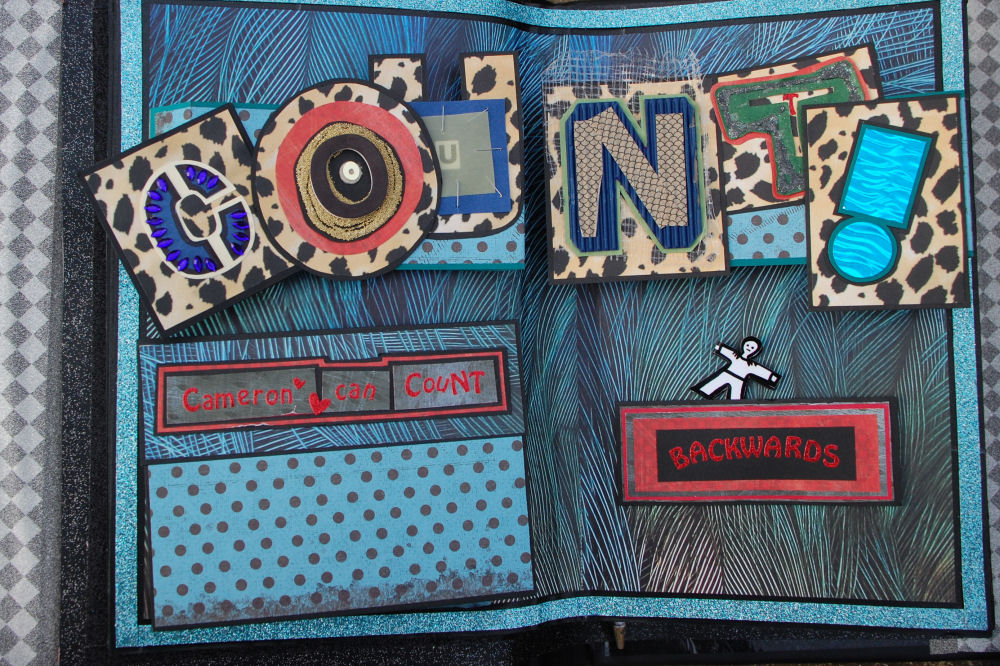
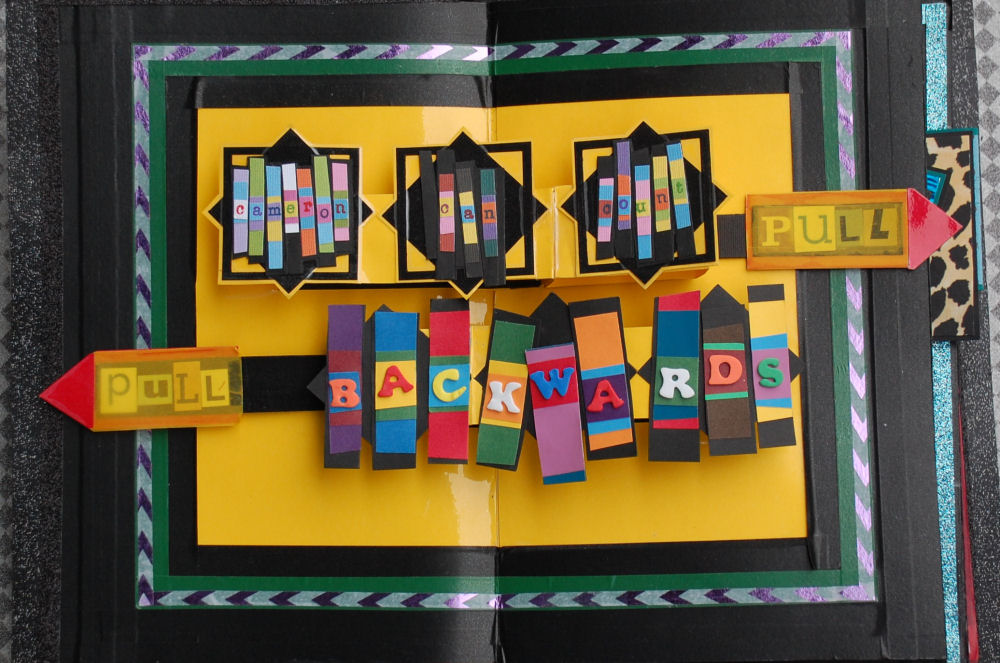 July 2014 – March 2015: Cameron Can Count Backwards
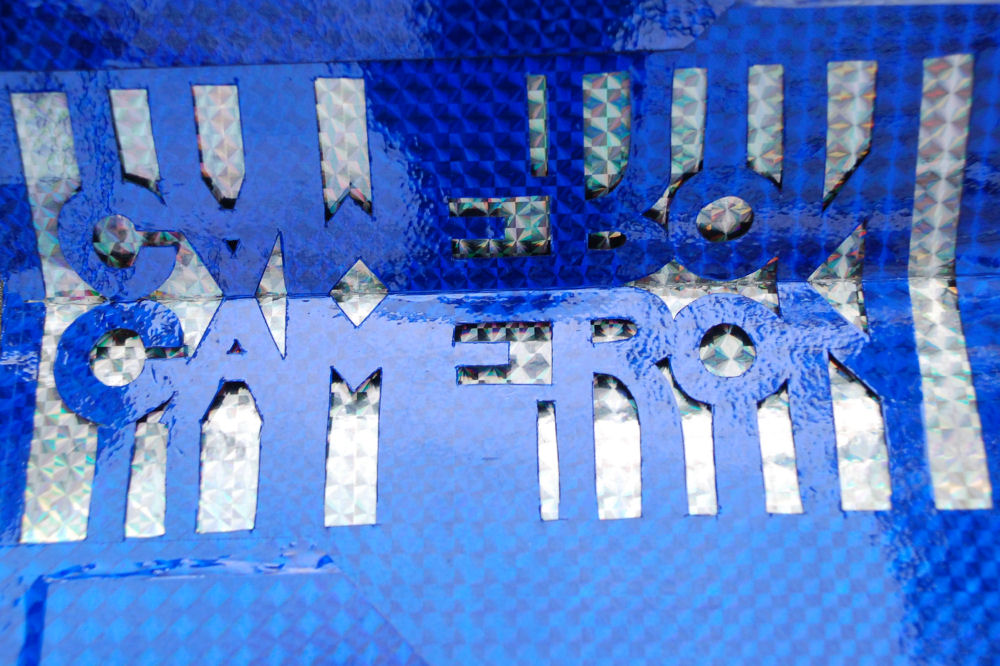
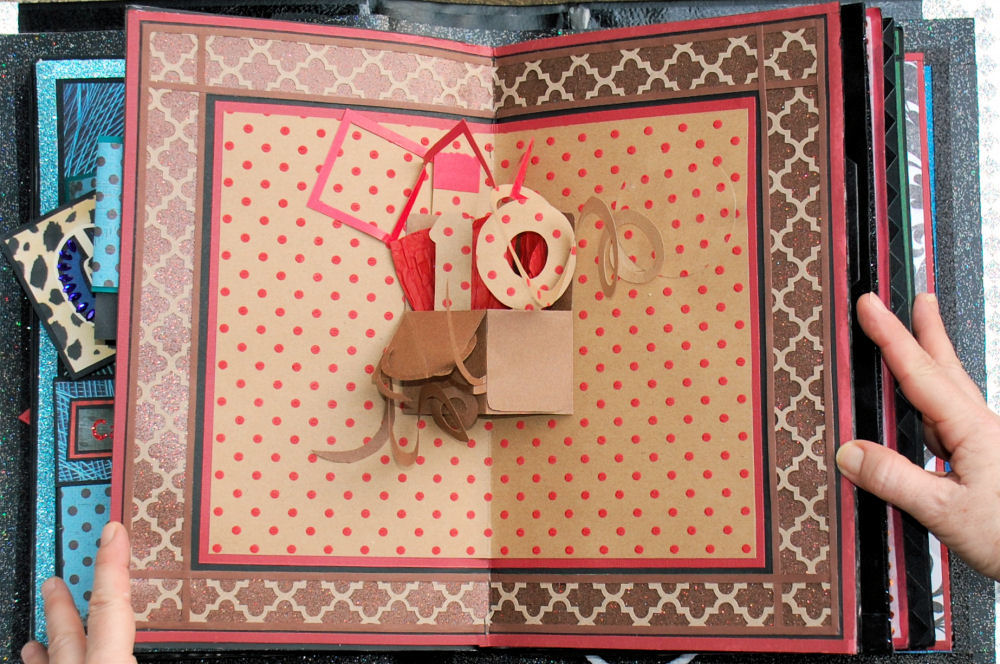
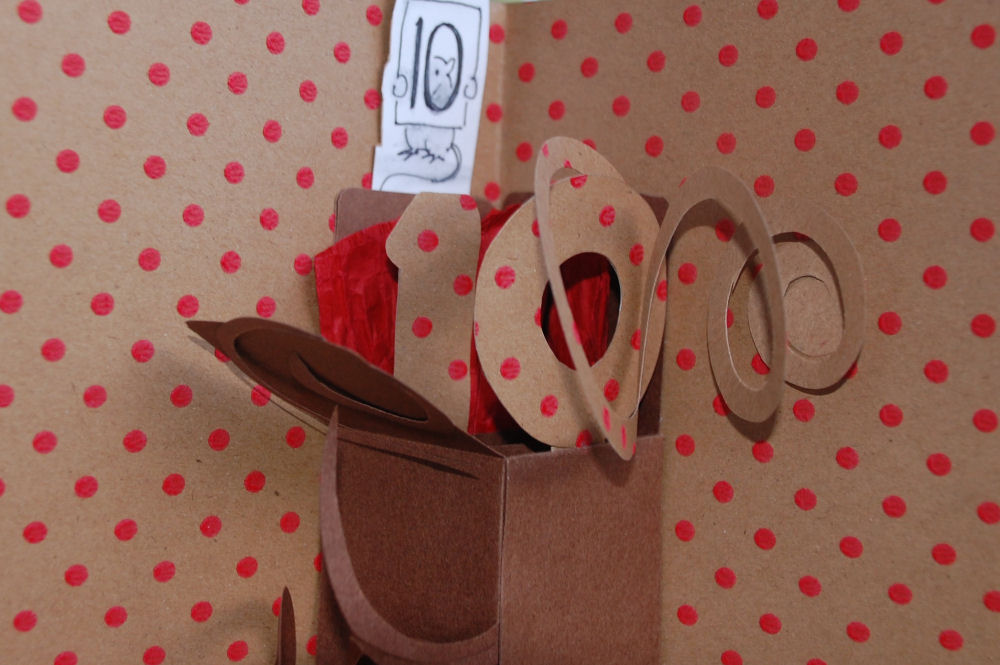
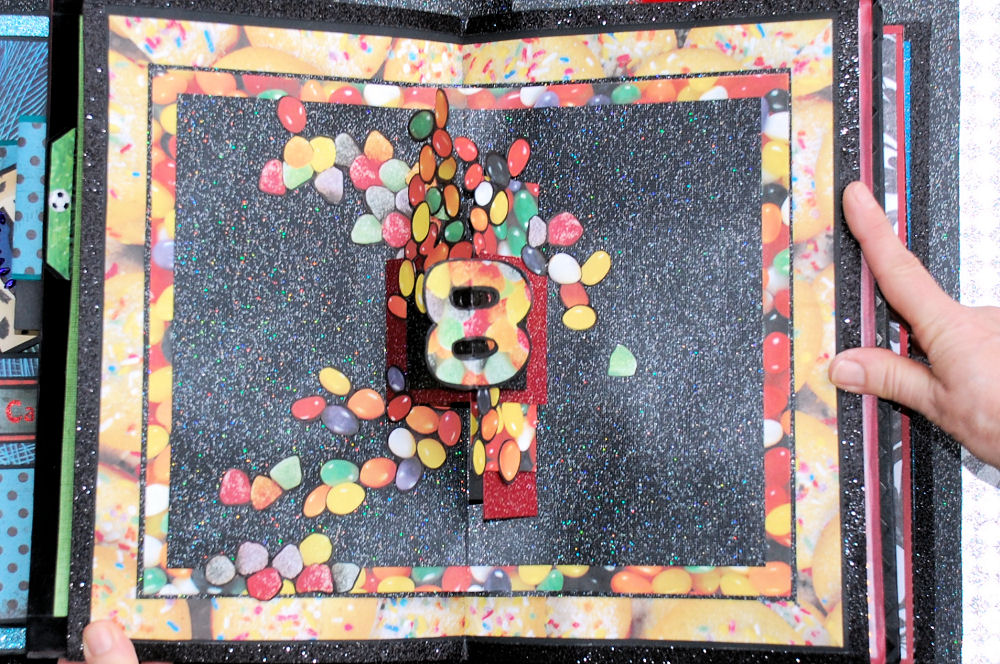
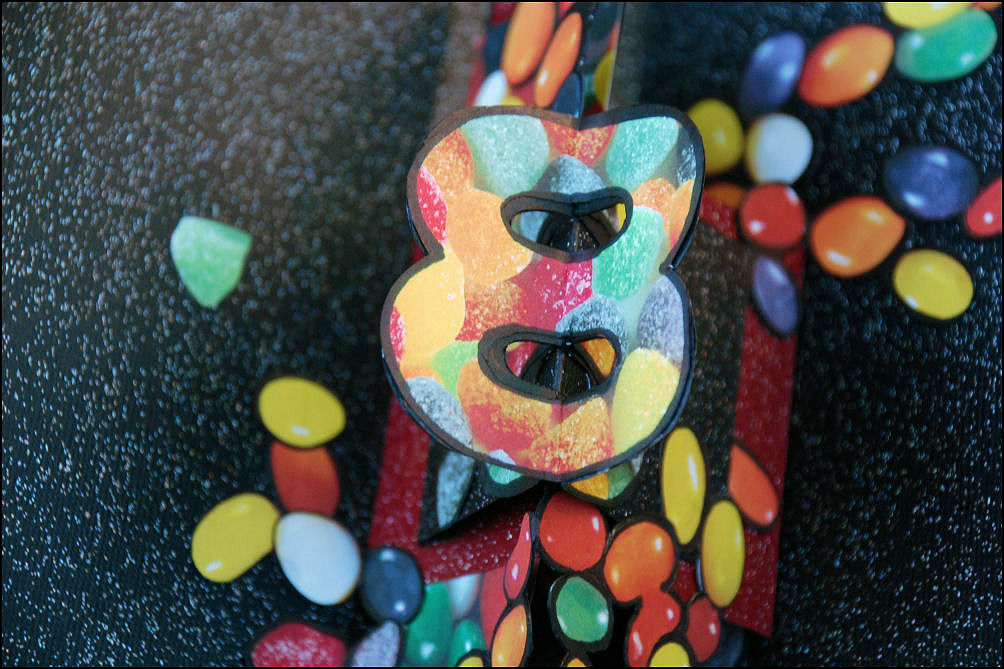
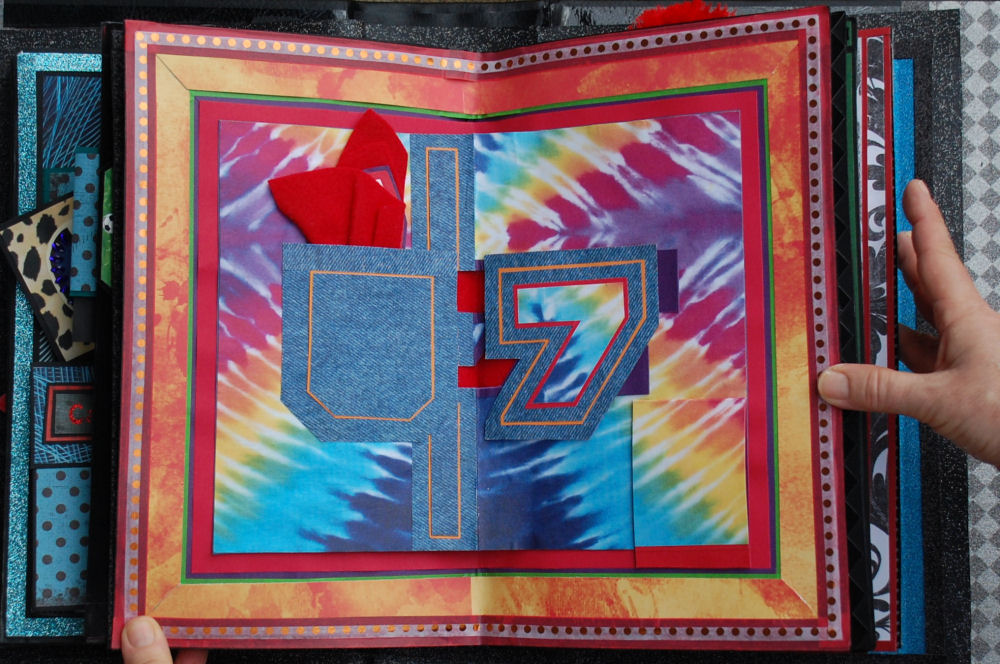
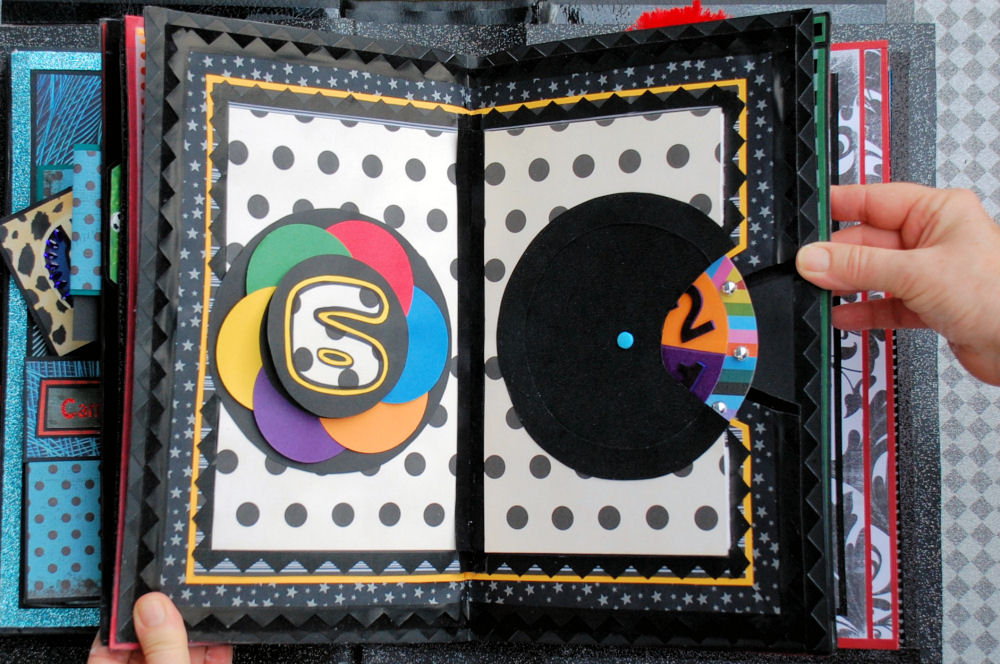
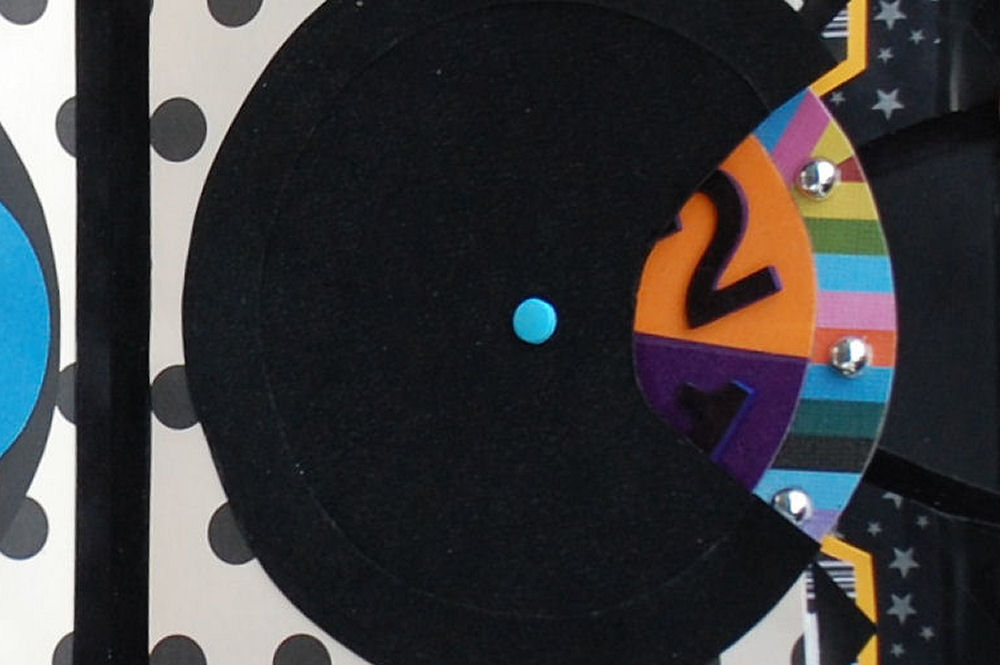
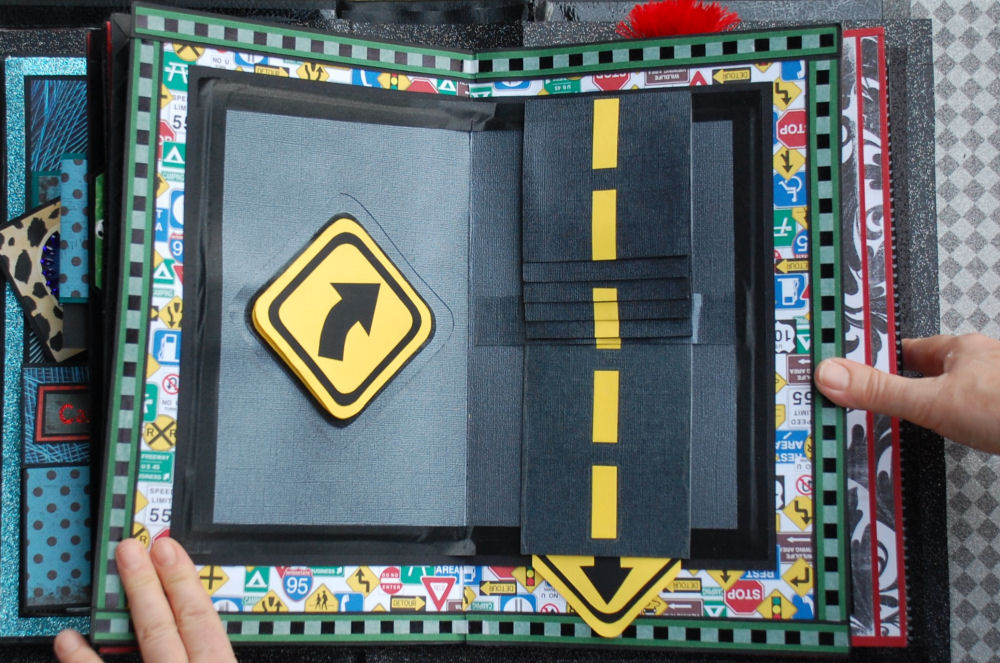
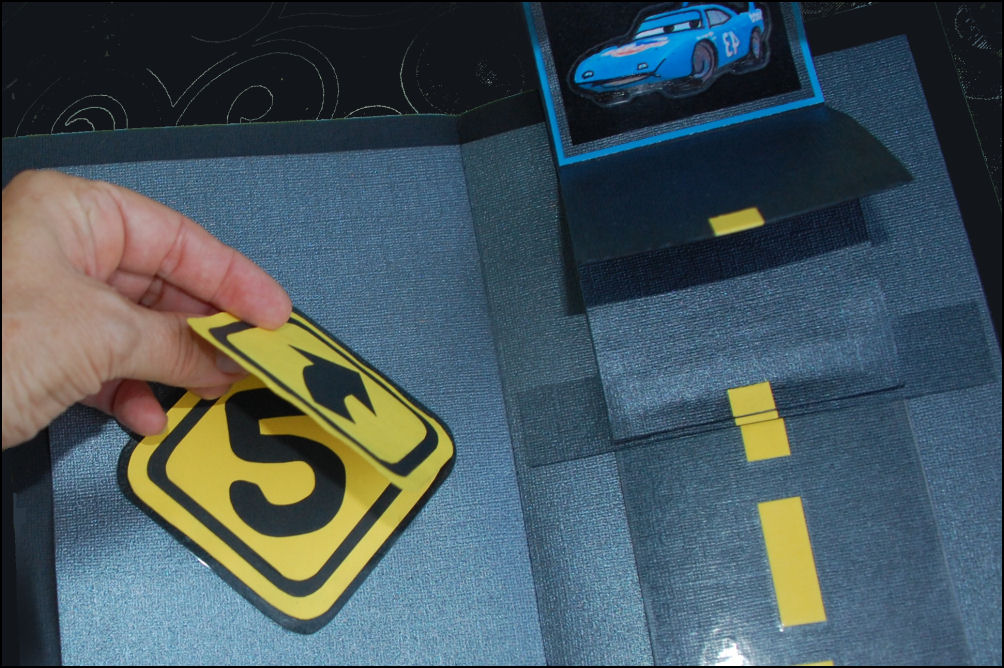
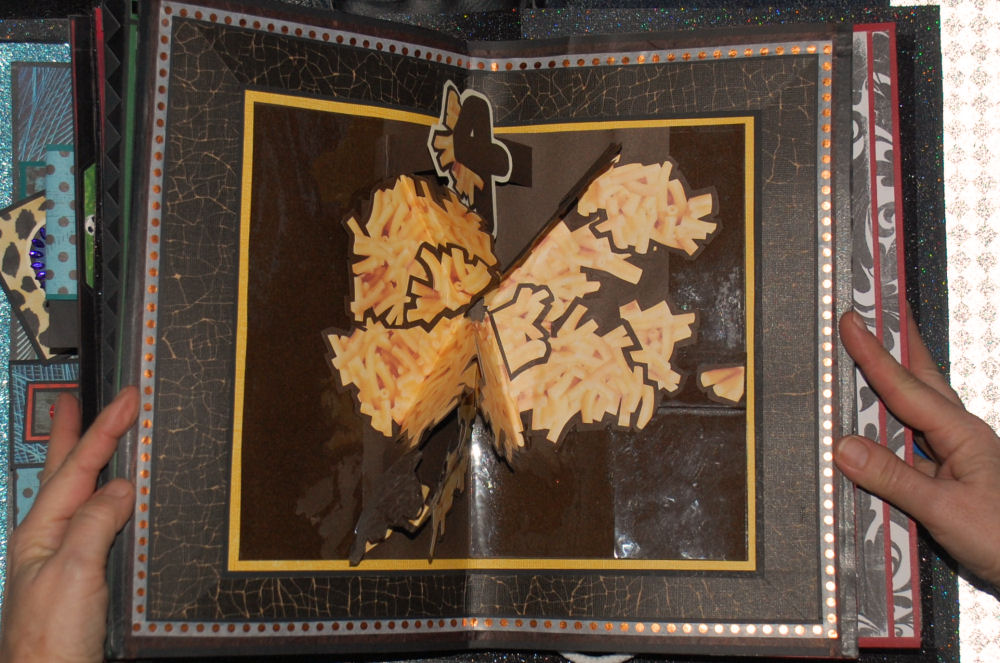
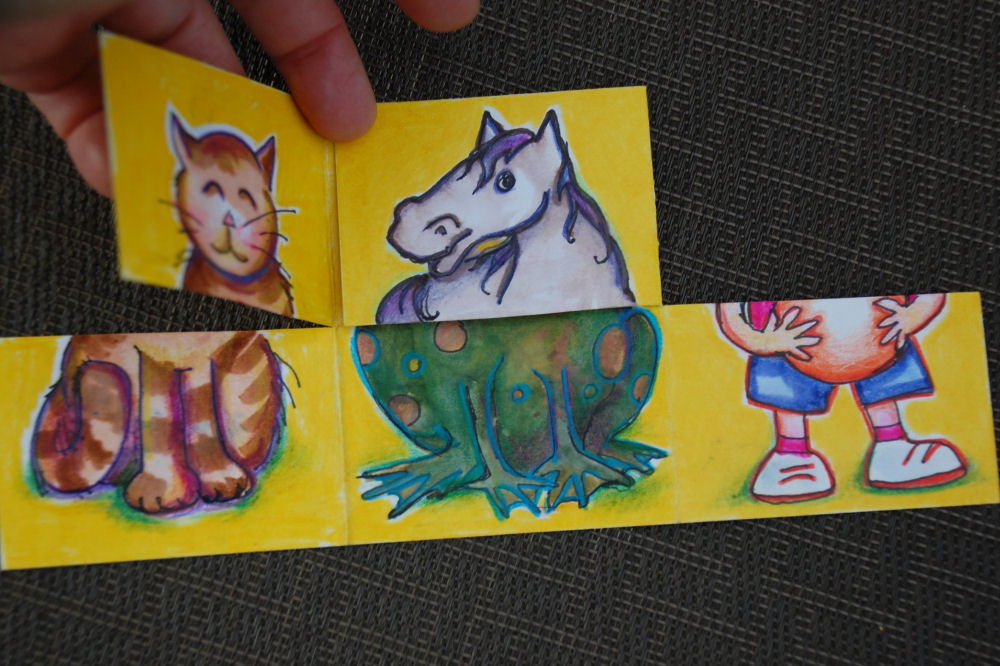
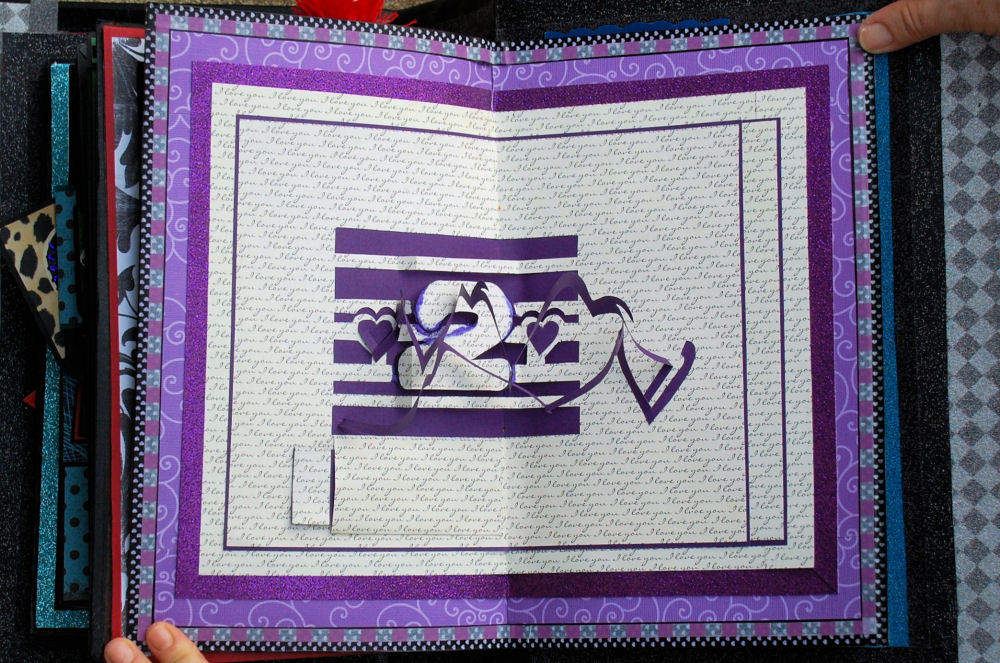
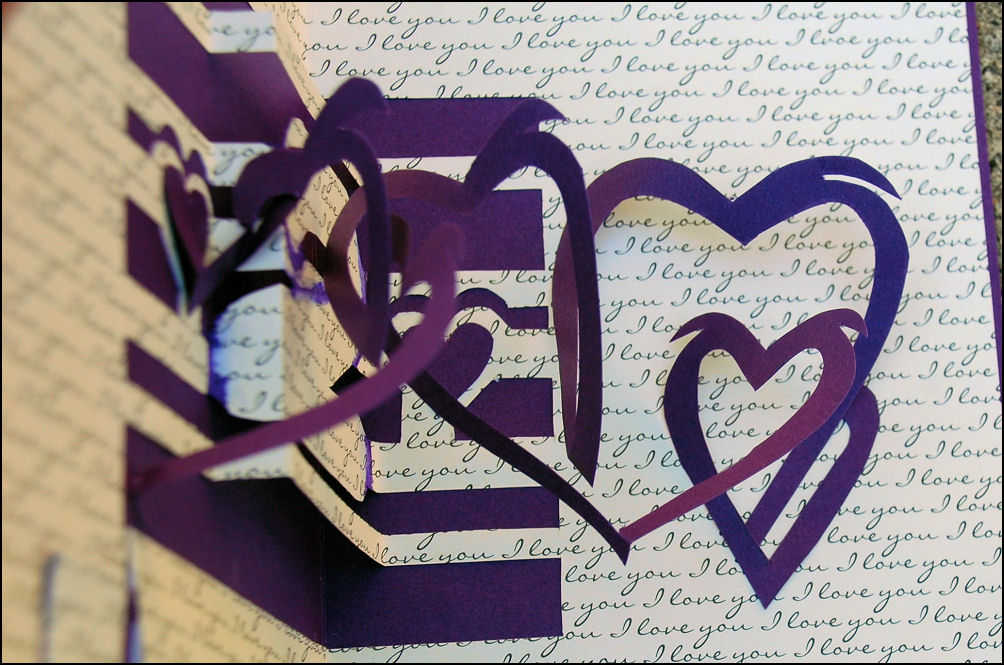
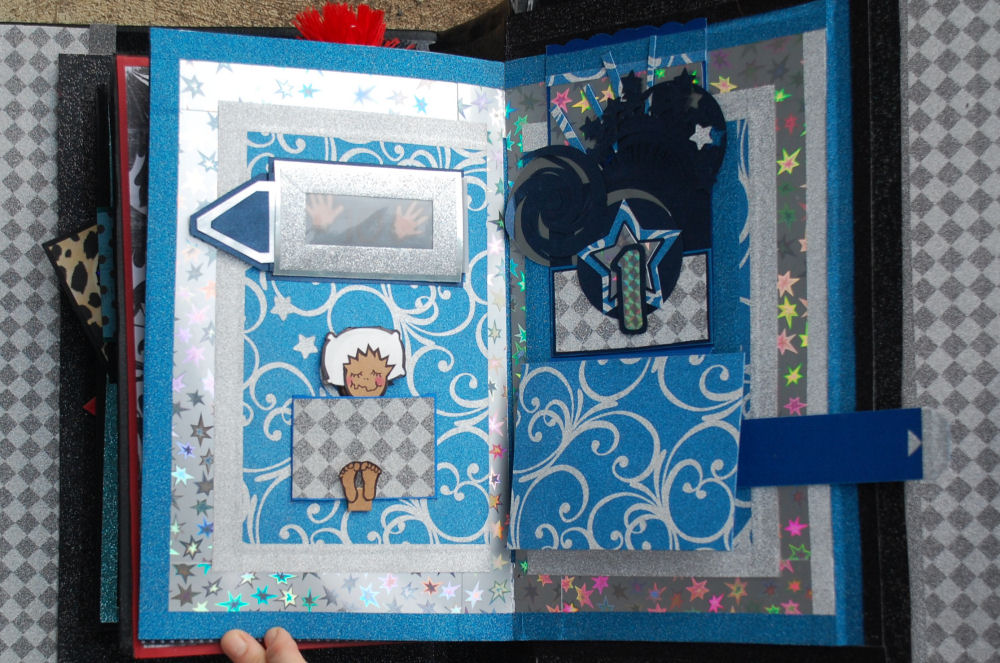
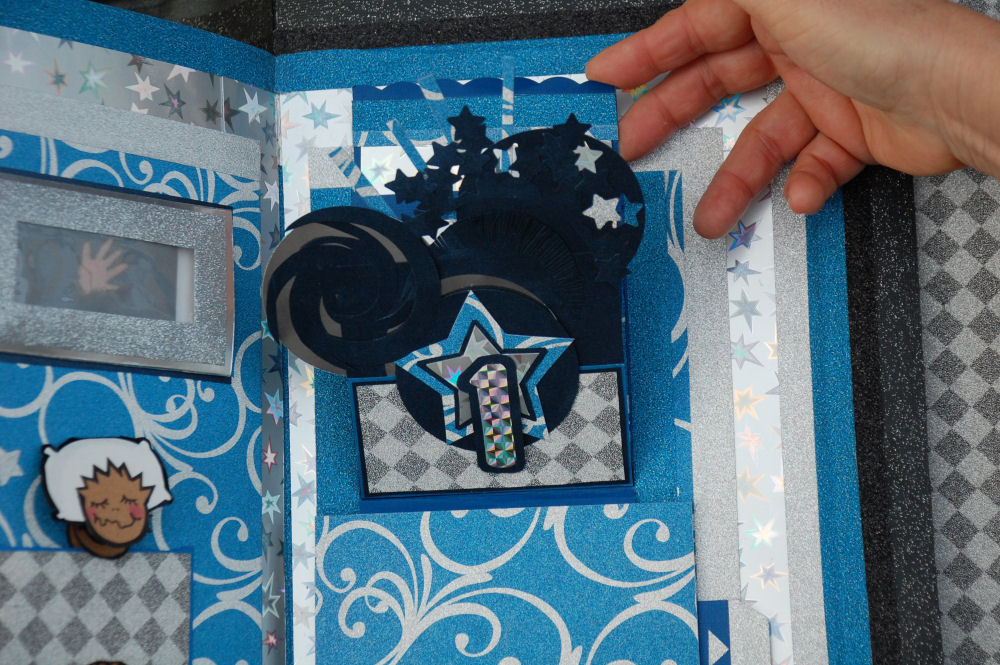
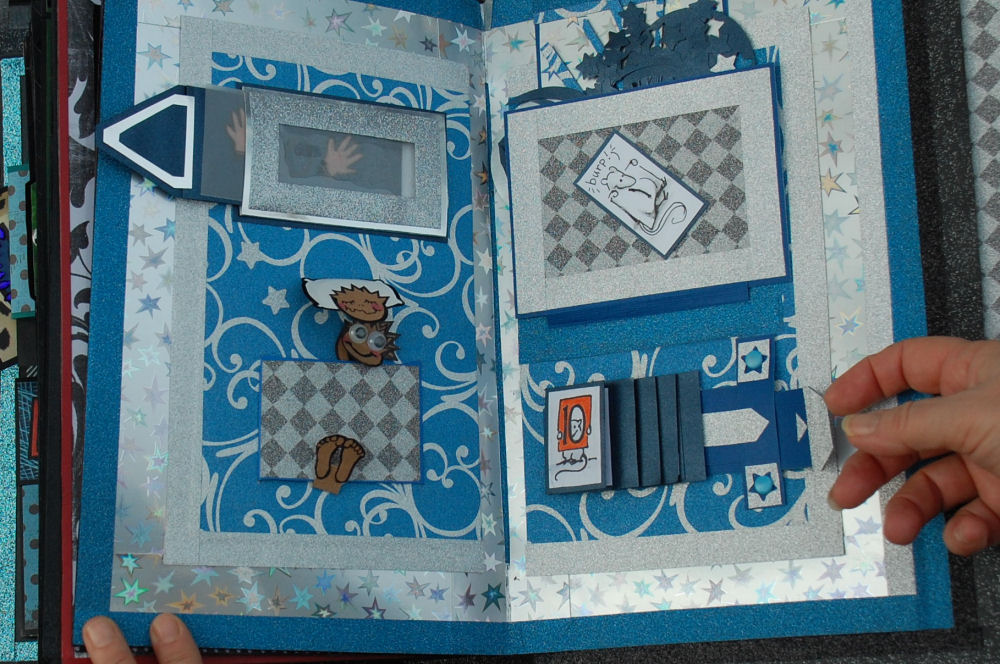
When Cameron was still two years old and I asked him what kind of book he’d like next, he answered “Cameron Can Count”. To fulfill his wishes, and my own for a clearer direction since that was the book he got last year, the compromise is a ‘backwards edition’ in the form of an interactive pop-up book. Searching the internet, there are a whole spectrum of paper-oriented art forms, from the craftiest, stamp-iest, cutsey Kricut machine-cut pop up cards to stunning, intricately engineered paper sculptures. The best website sharing easy-to-learn pop-up basics is Extreme Cards and Papercrafting.
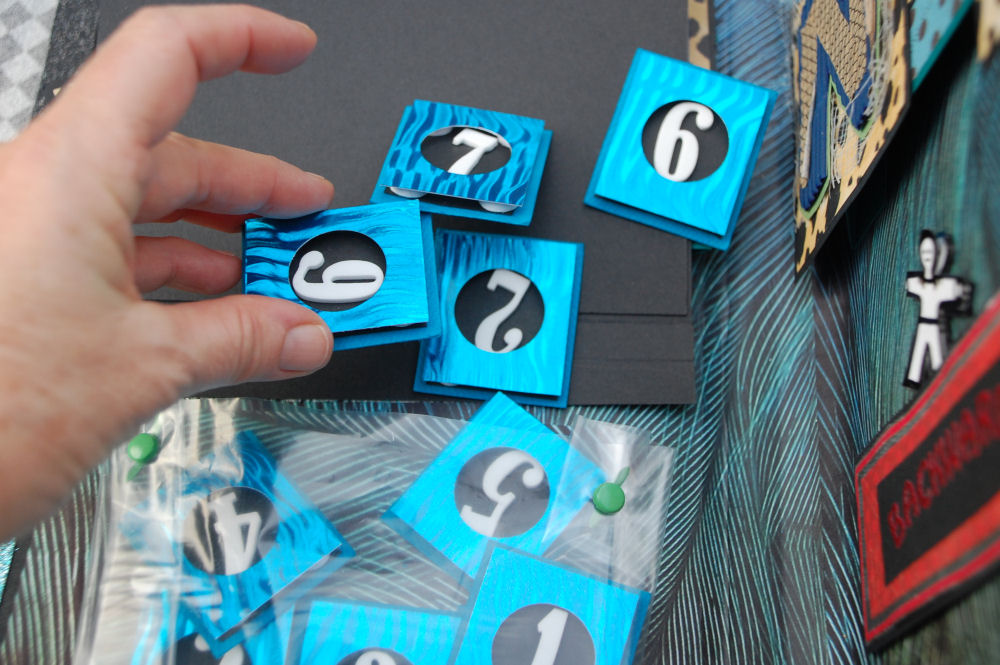
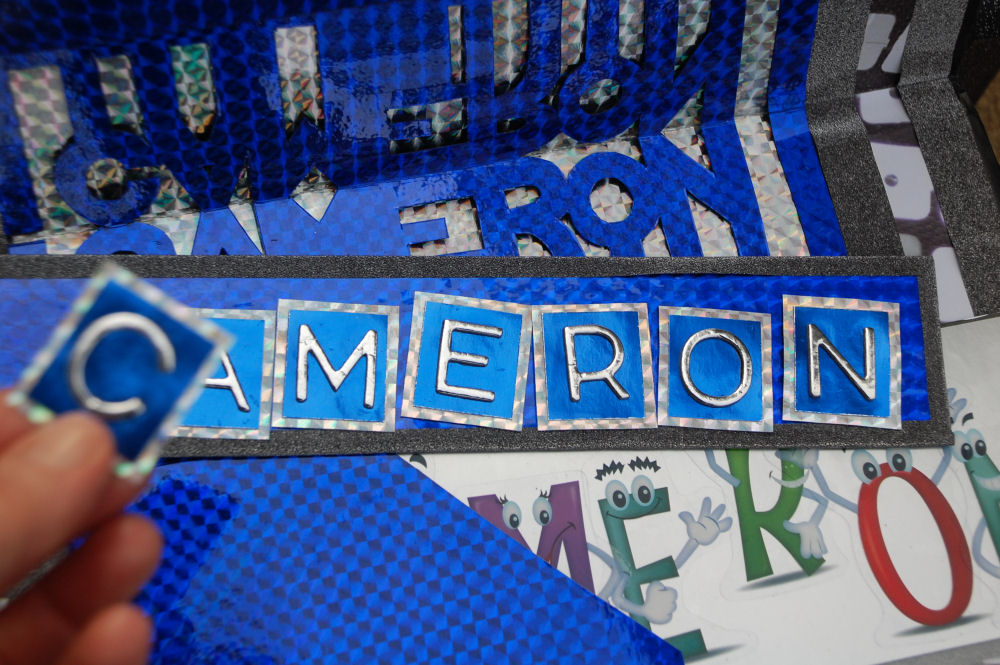 Starting with research and experimentation, I spent a couple of weeks making prototypes out of plain card stock. There are fantastic selections of decorative paper, tapes and trim designs available in craft stores now, and purchasing these things helped spark imagination and theme visualization. Supplies can be pricey, but less so if using coupons and waiting for sales. There were plenty of miscellaneous materials already on-hand, and the dollar store is always a good resource for finding things like the magnetic car game which was pulled apart and reassembled into a name-spelling activity.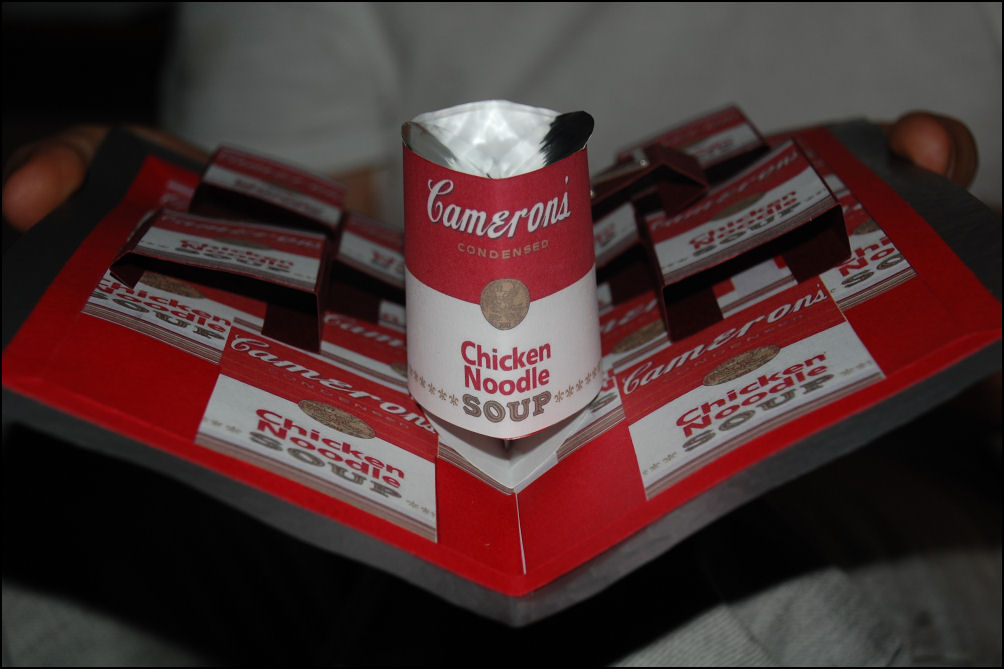
After the initial creative buzz, somewhere along the way a certain amount of restraint is called for, not just in shopping, but in choosing which pop-up tricks to put where. For me, this stalled the process quite a bit. I was fairly overwhelmed by wanting to include all the bells and whistles, but it’s just not feasible to do every idea that “pops up”. Not only will the pages seem muddled by too many ideas, but increasing the mass presents a super challenge when binding the whole thing together. Mechanisms also need space to work properly, and a book like this needs to be comfortable to read. These were things that only experience could teach. Admittedly, there are a few clunky pages with things falling out of this book. Perhaps with the next book I’ll be able to exercise more of that restraint. Ah, realistically, probably not! 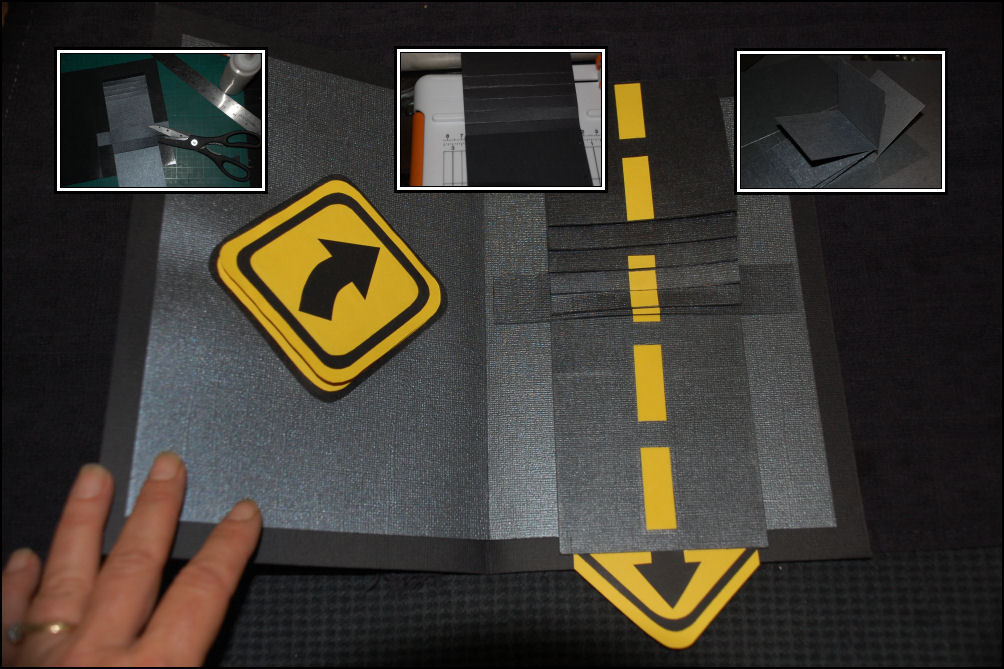
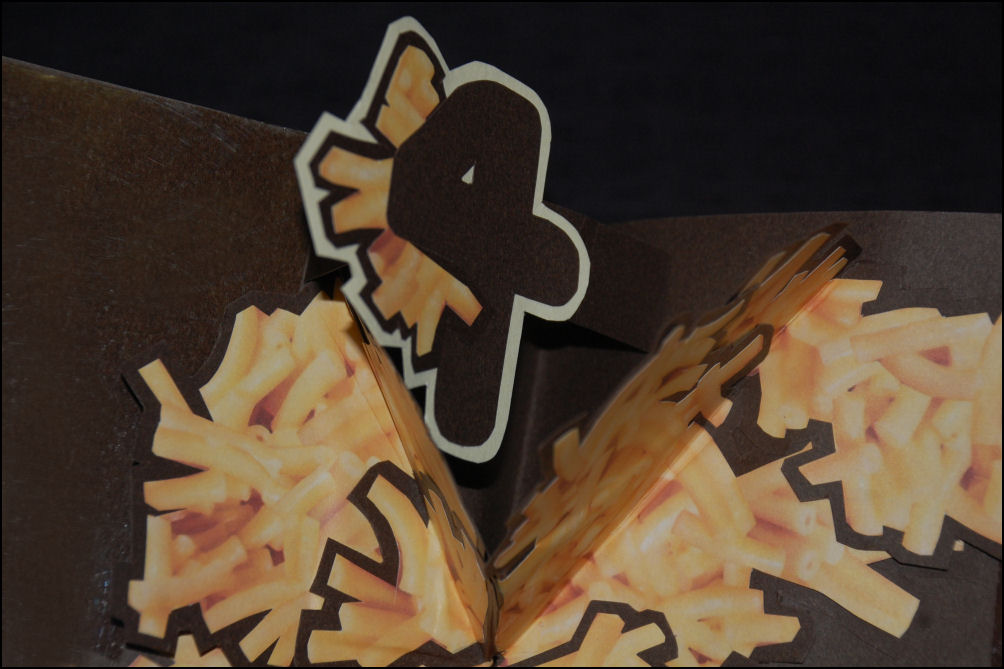
Balanced with the fun, more ornate facets of book-making, particularly with a pop-up / interactive book, learning and perfecting the basic structural elements cannot be overemphasized. The mathematics of paper mechanisms are unforgiving, and a millimeter off at the start can add up if things are not corrected as much as possible before going forward. Some of the folds are tricky, especially with pop-out lettering. Clean hands and work surfaces are extra important. Some papers show finger marks or buckle too easily, not practical for pop-ups or for children’s books. It becomes necessary to slow down, simplify, think ahead, see how things work, take extra care, and find the kind of patience you didn’t even think was obtainable.
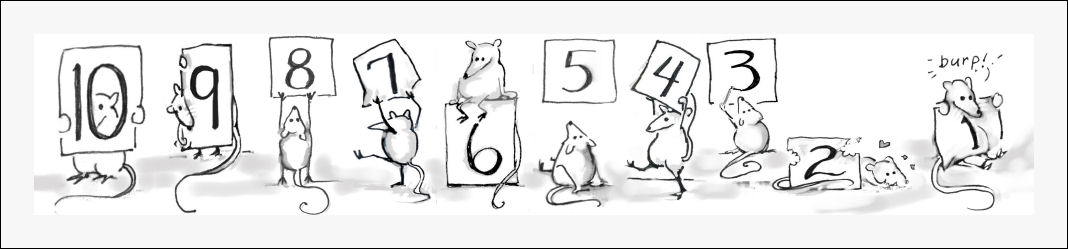
Translating the 2 dimensional into 3 dimensional can be frustrating, but as is repeated so often in my blog articles about creating anything, mistakes are a beneficial part of the learning process. It’s definitely hard to have faith in that when pages have to be redone several times though, and some papers are pretty expensive or hard to find again. Well, experience and confidence are earned, and it ain’t cheap!
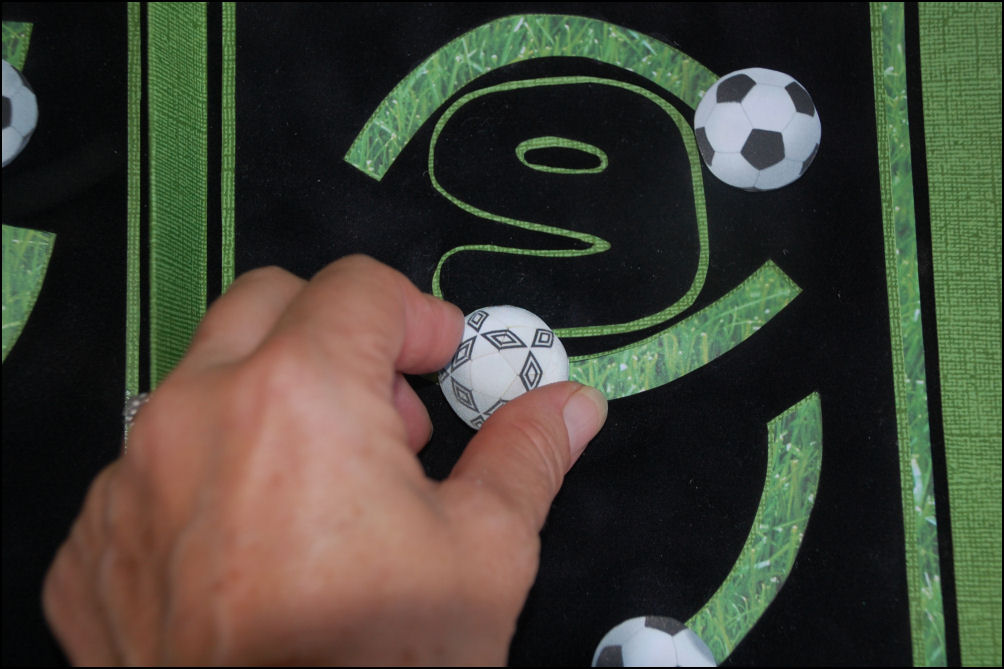 Each year my books for Cameron will be age-appropriate. He and his little visitor-friends are likely to turn pages harshly and press books open beyond stress points, that’s to be expected. These pages are made primarily with card stock and paper, and some have delicate parts far from durable or practical in a three-year-old’s hands, but young children already know about special things, and if they don’t, it’s the best age to guide them to treat things respectfully. Books are not like toy cars, and Cameron knows the difference. This will be more fun to read with an adult anyway, and it will be given a safe spot on a shelf until it’s time to read.
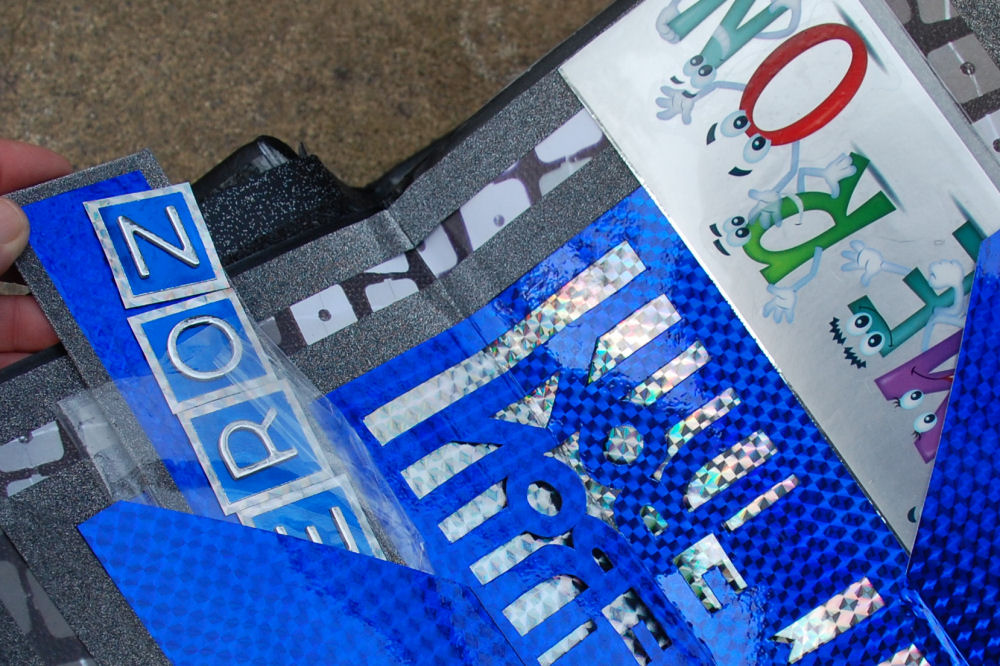
‘Cameron Can Count Backwards’ was started in July 2014 and just needs finishing touches. It’s March 2015 as this is written, and the book has been bound, but fairly ineffectively. The spine is not wide enough to open pages effectively. It could pass, but why do all this work to have it not open adequately? This setback offers a chance to sew the cover in soft faux leather and improve the overall quality. I’d like it to look like a very old, important, expensive book.
 |
 |
 |
 |
 |
|
 |
 |
 |
 |
 |
|
 |
 |
 |
 |
 |
|
 |
 |
 |
 |
 |
|
 |
 |
 |
 |
 |
|
 |
 |
 |
 |
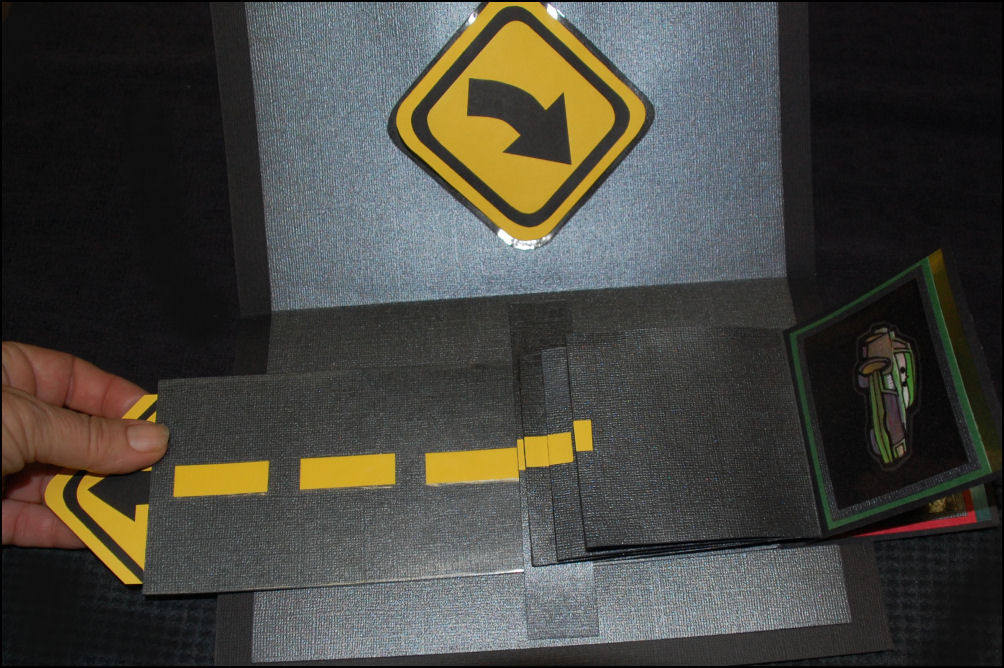 |
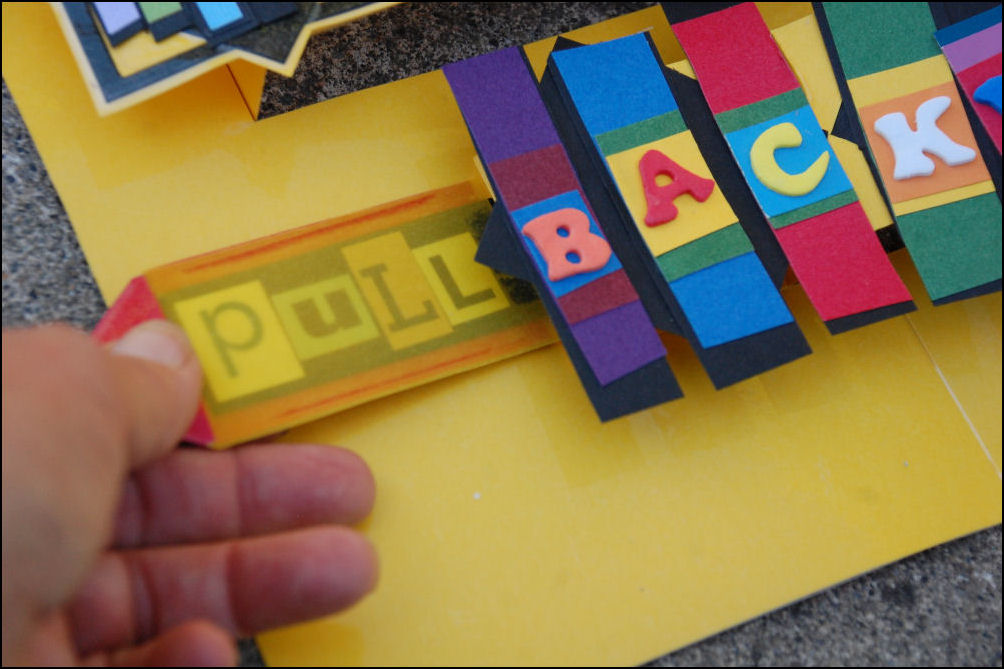
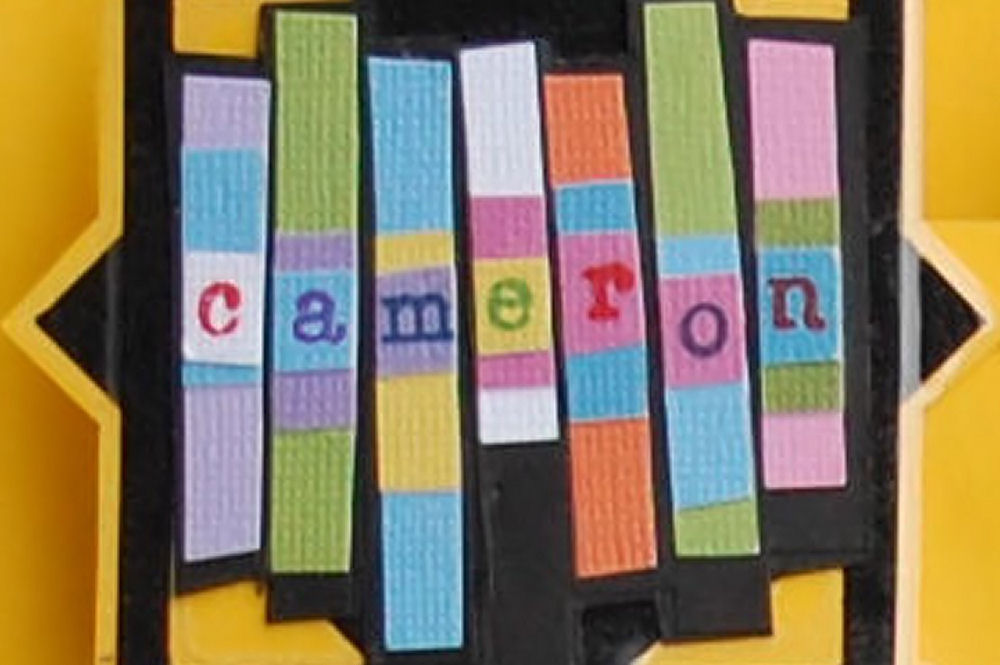
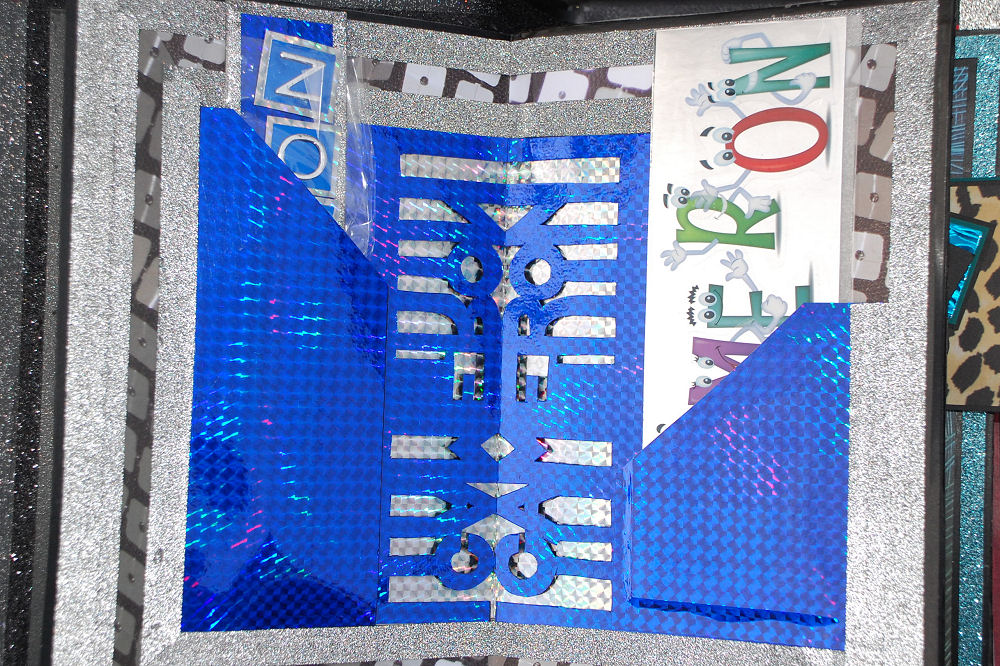
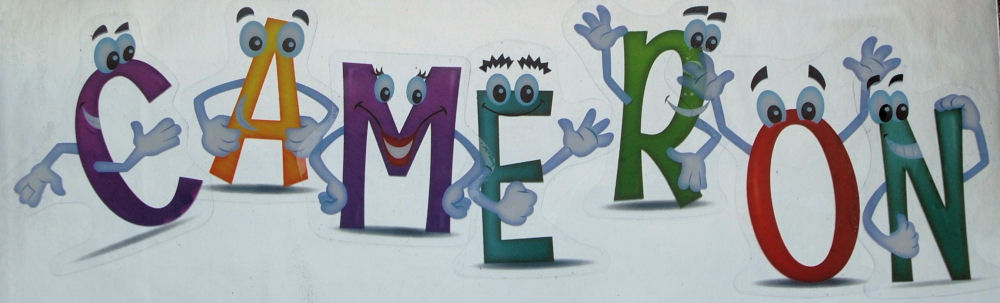
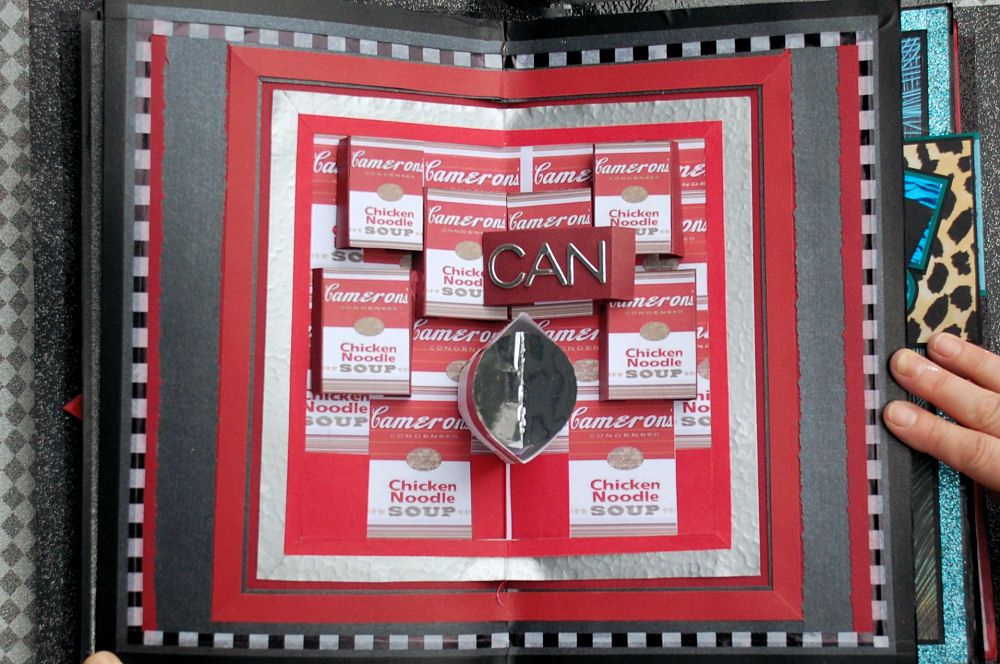
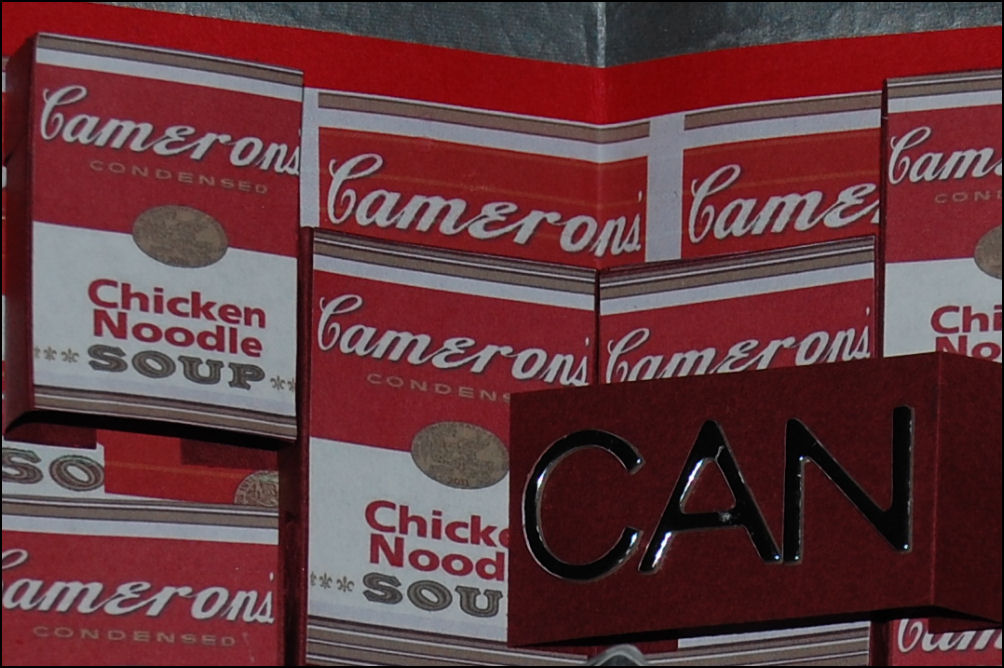
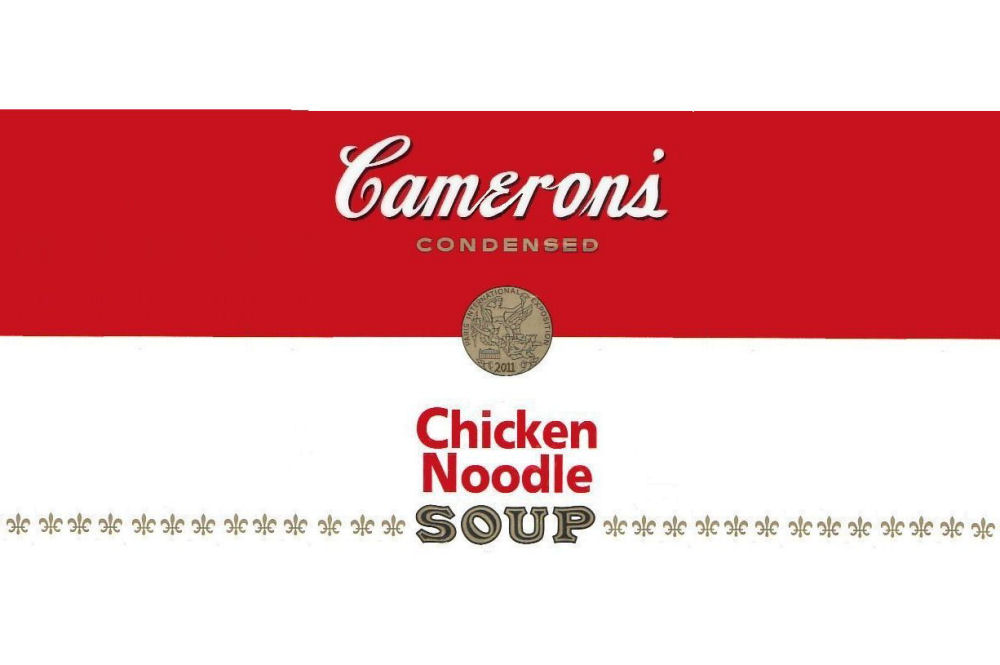
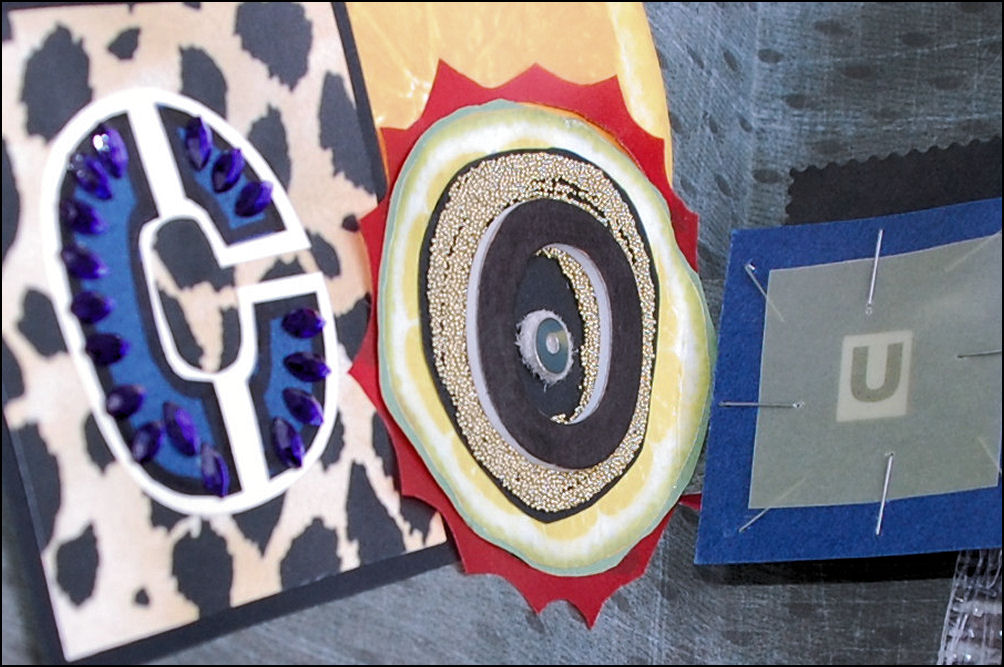
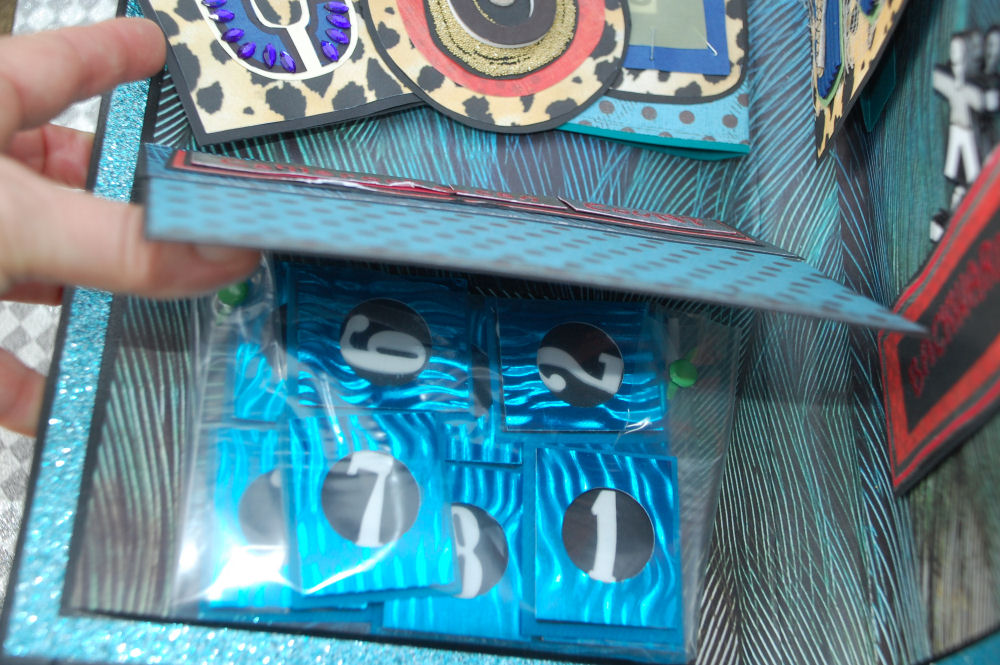
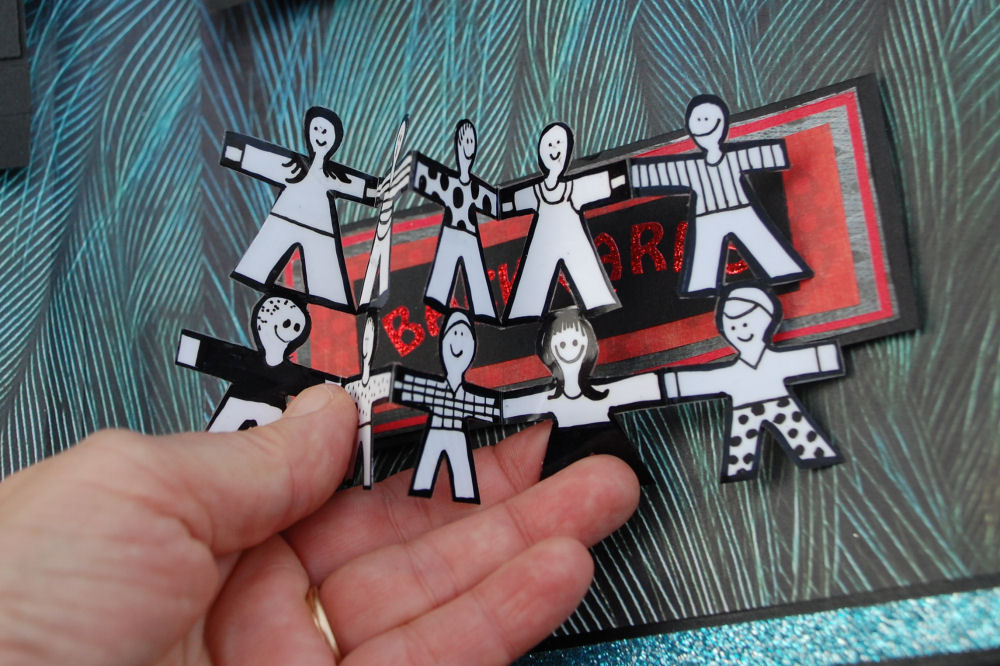
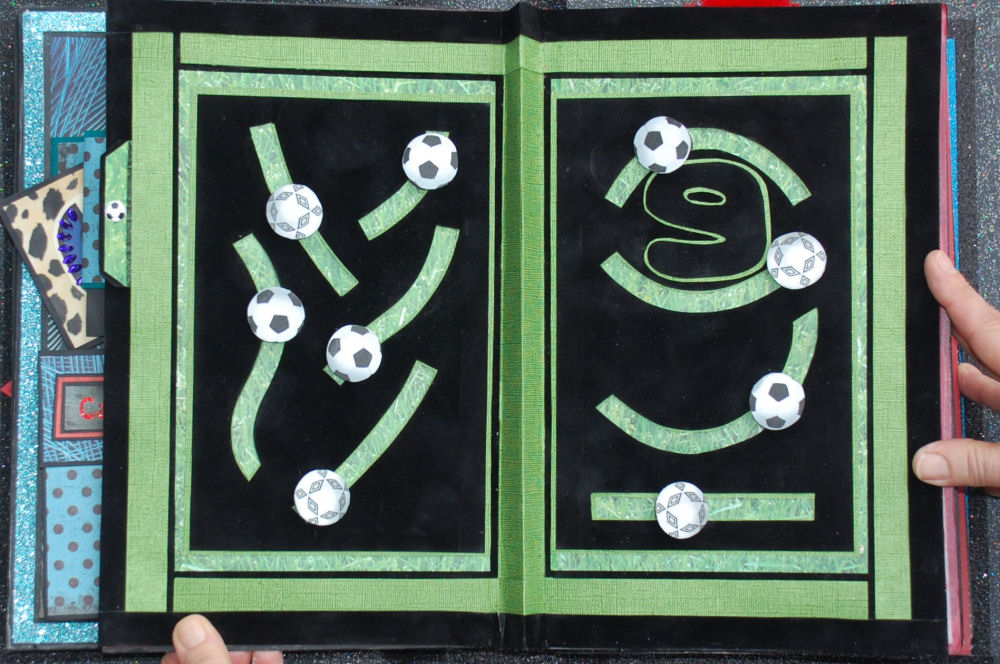
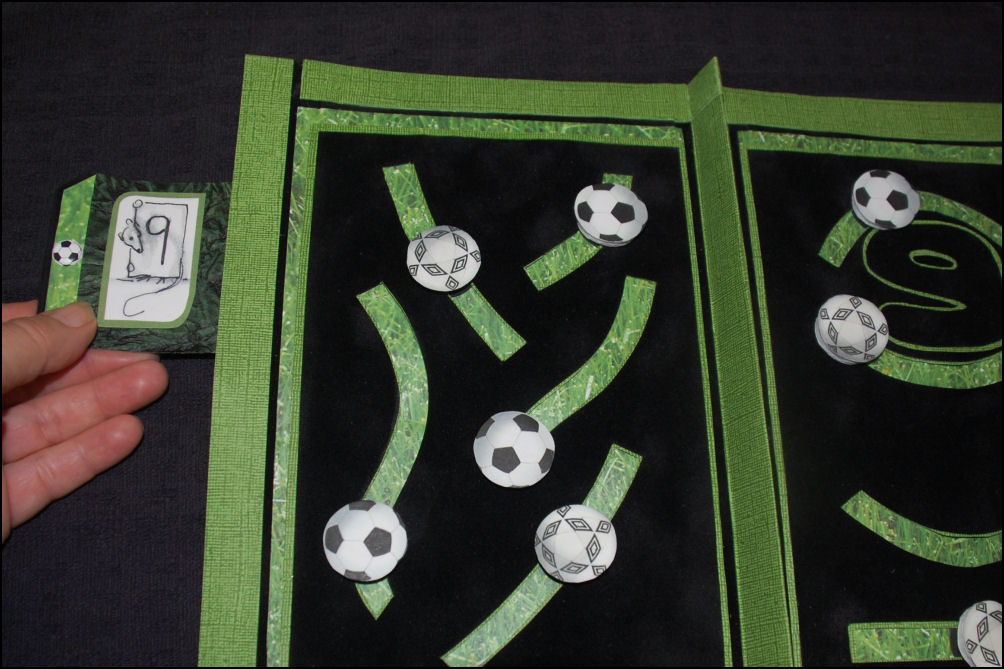
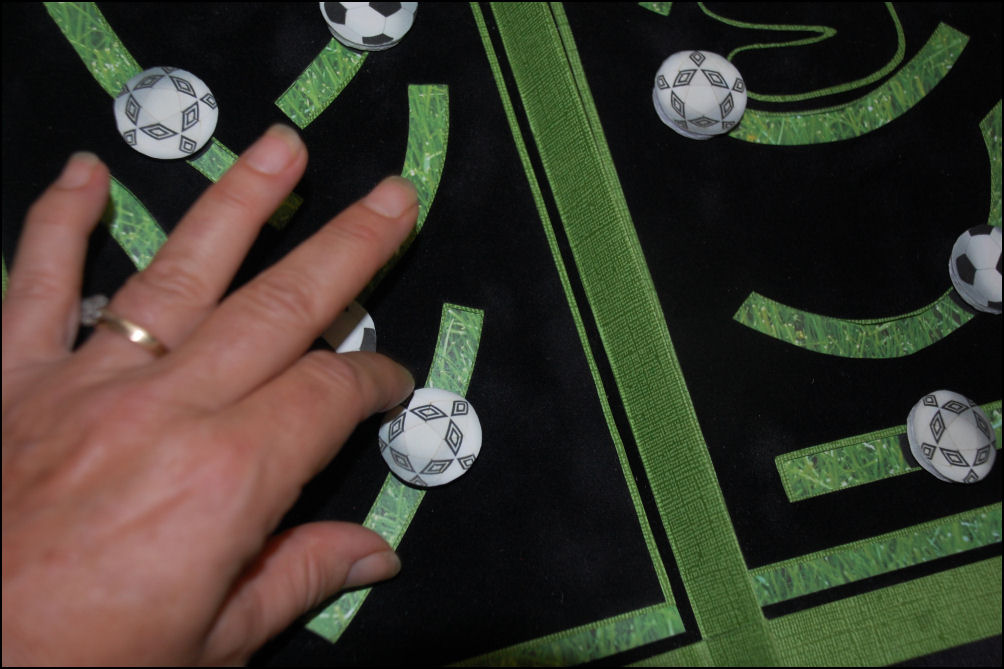
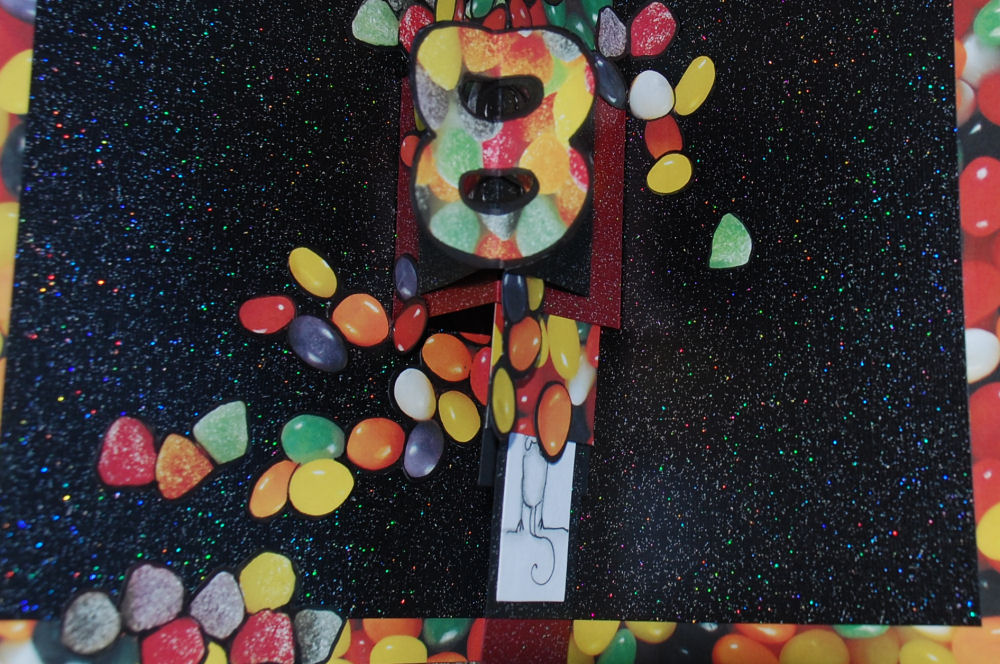
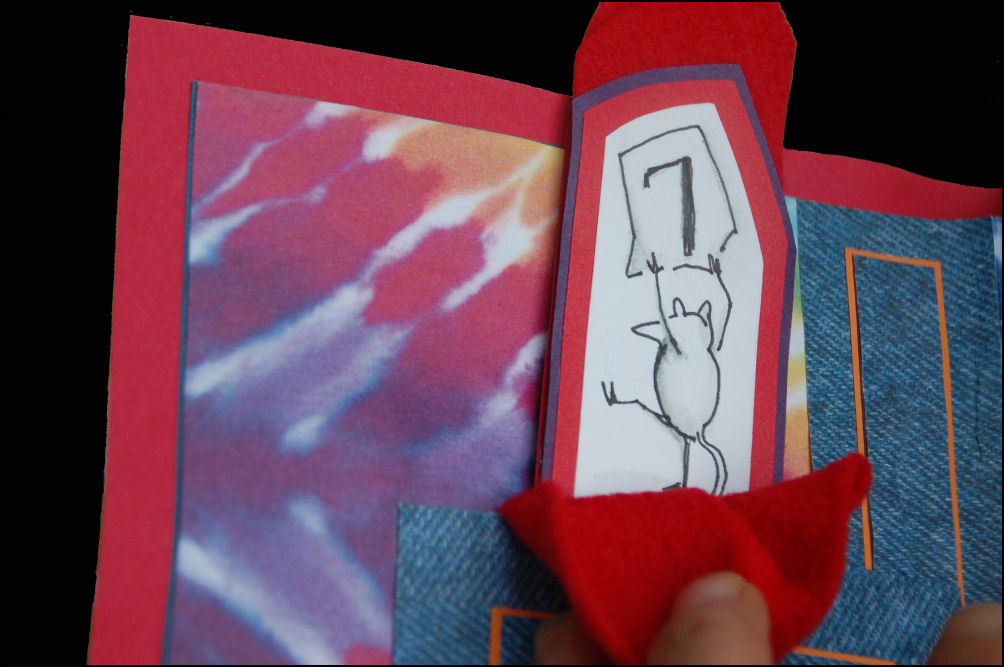
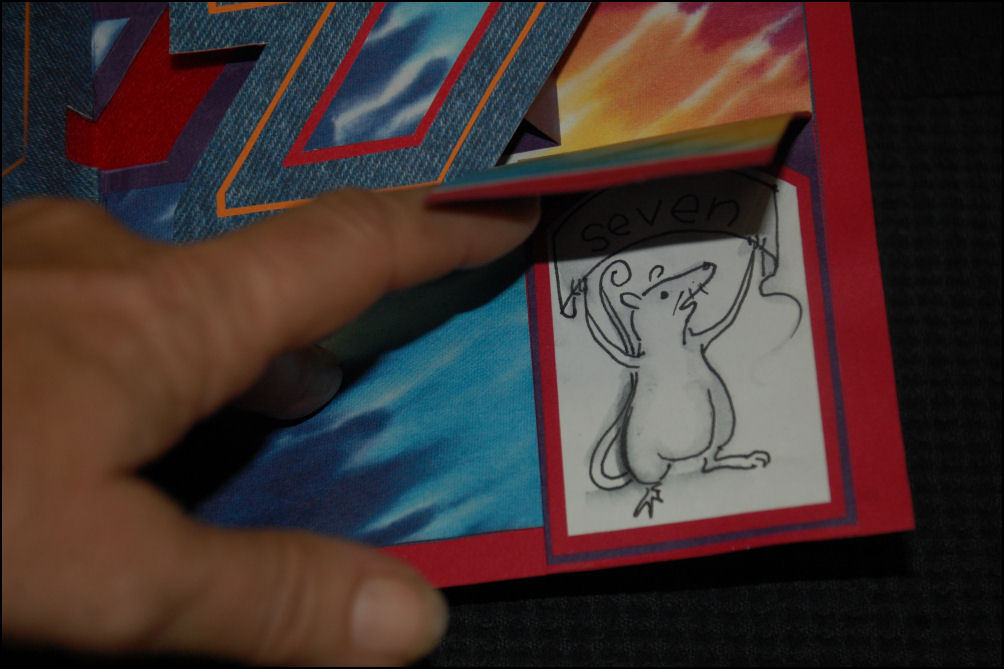
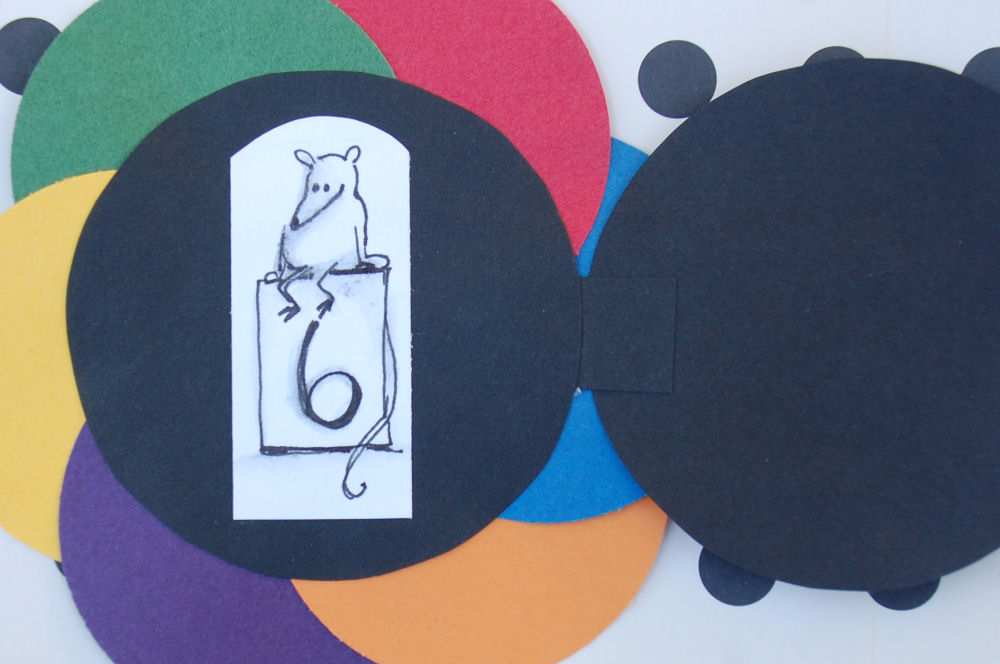
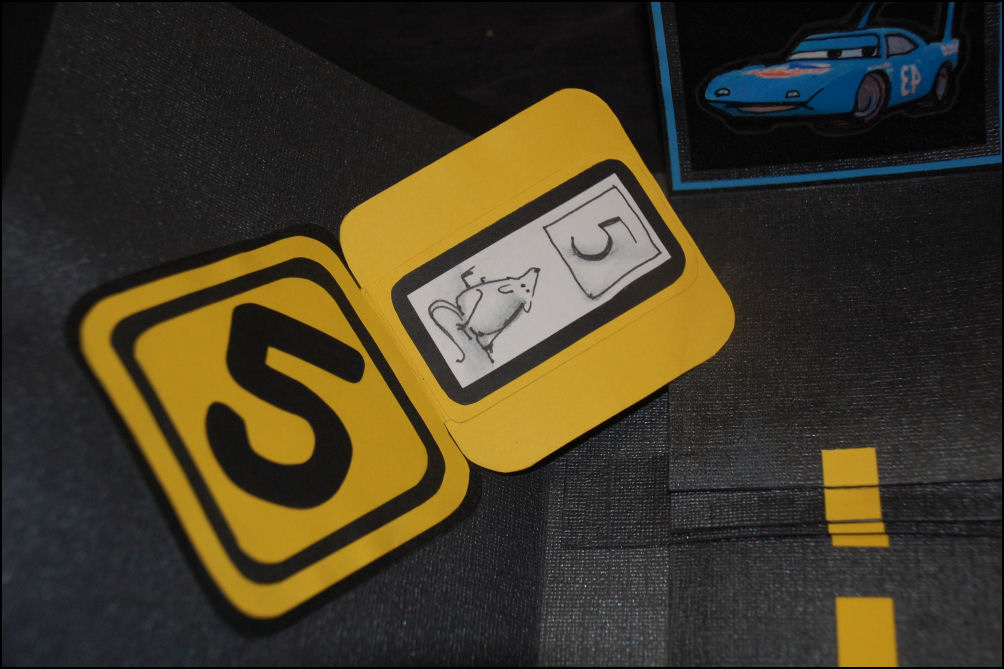
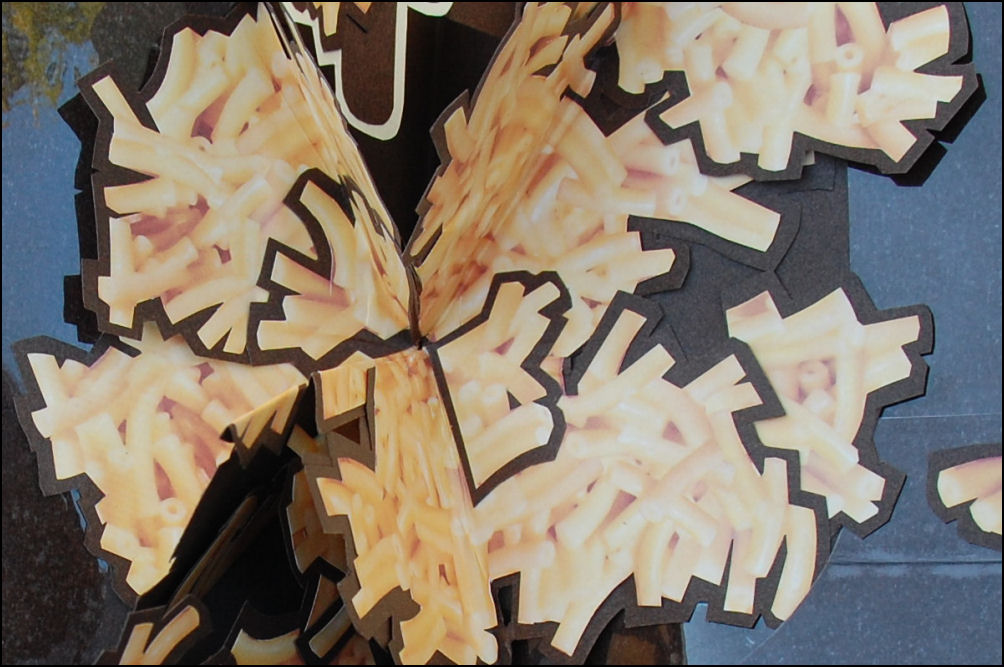
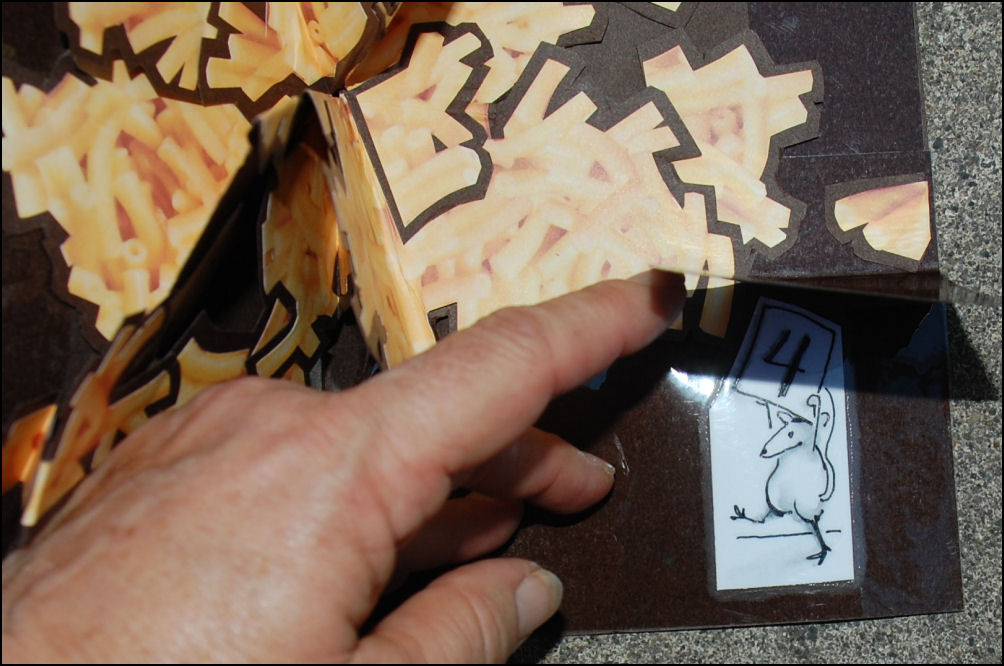
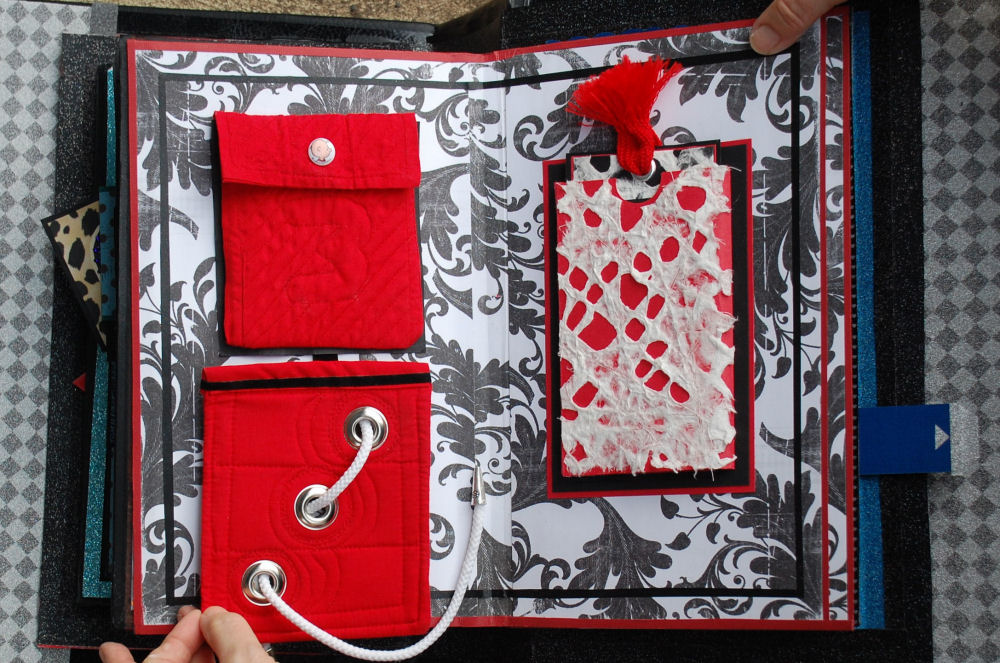
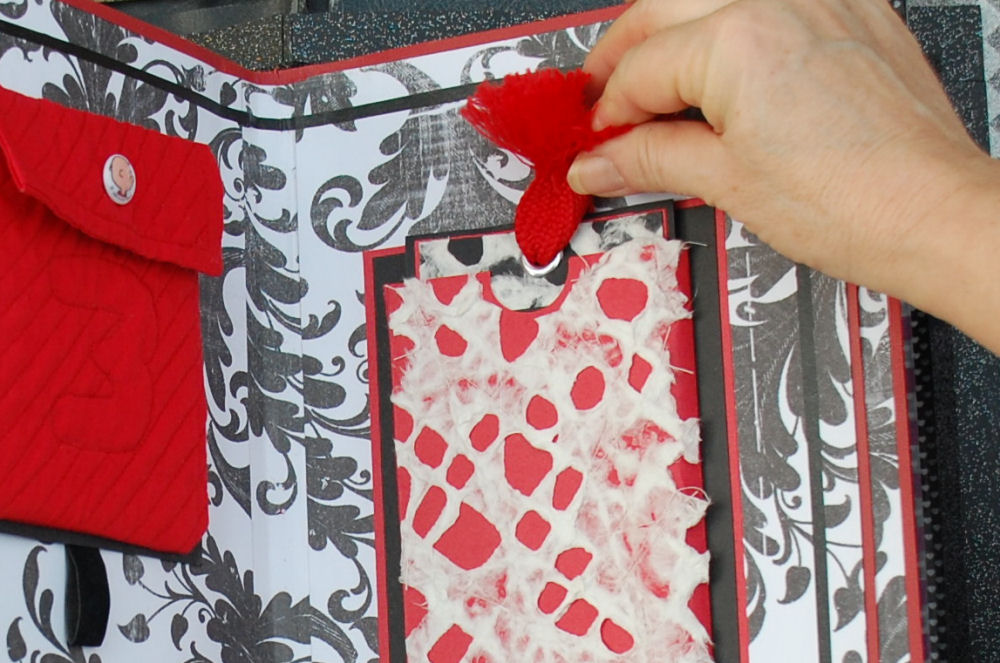
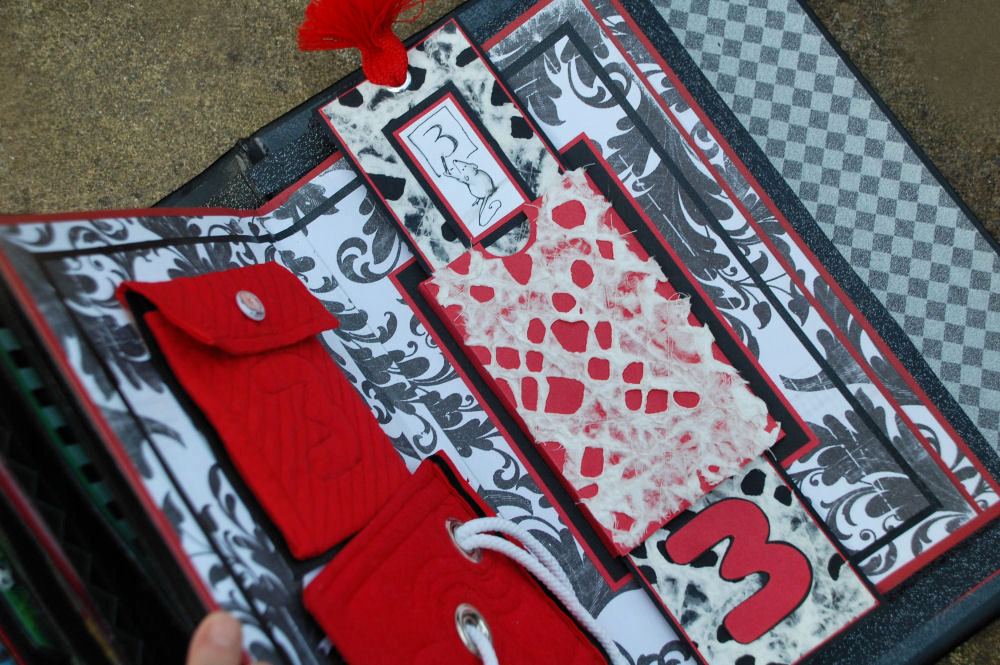
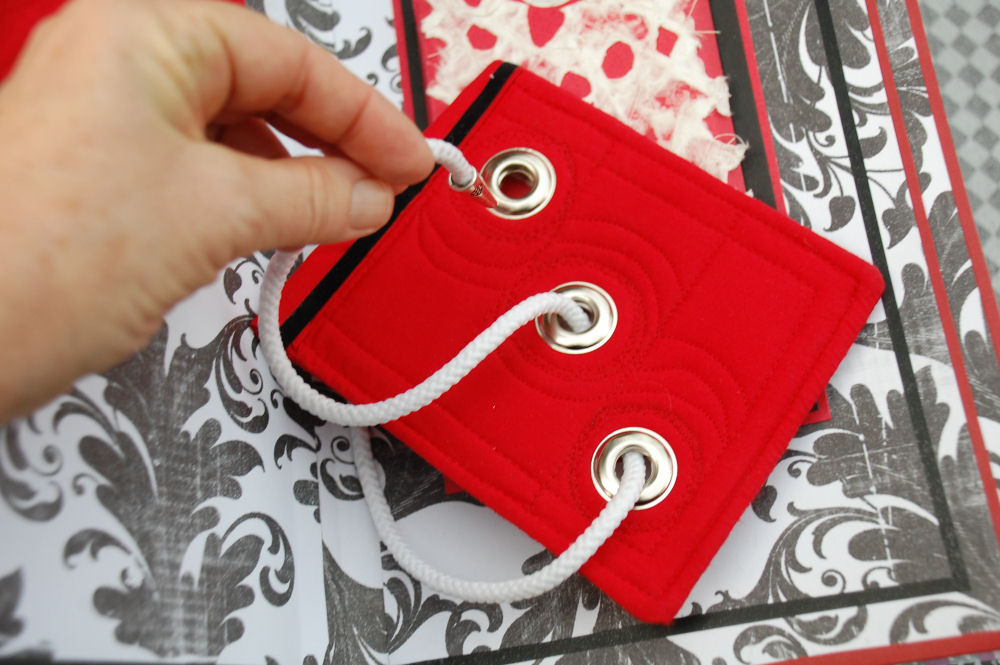
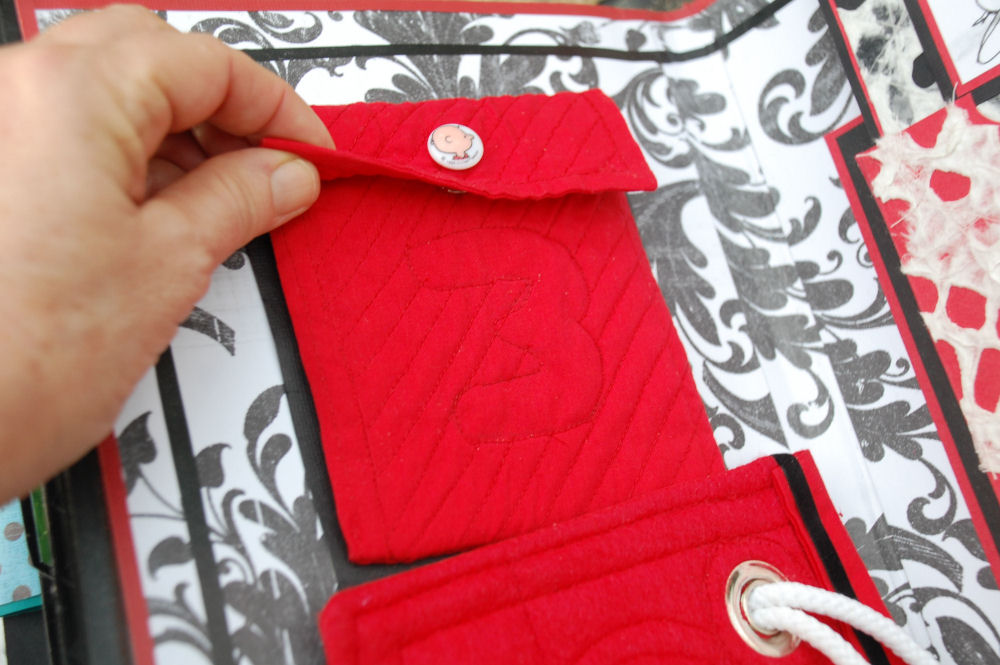
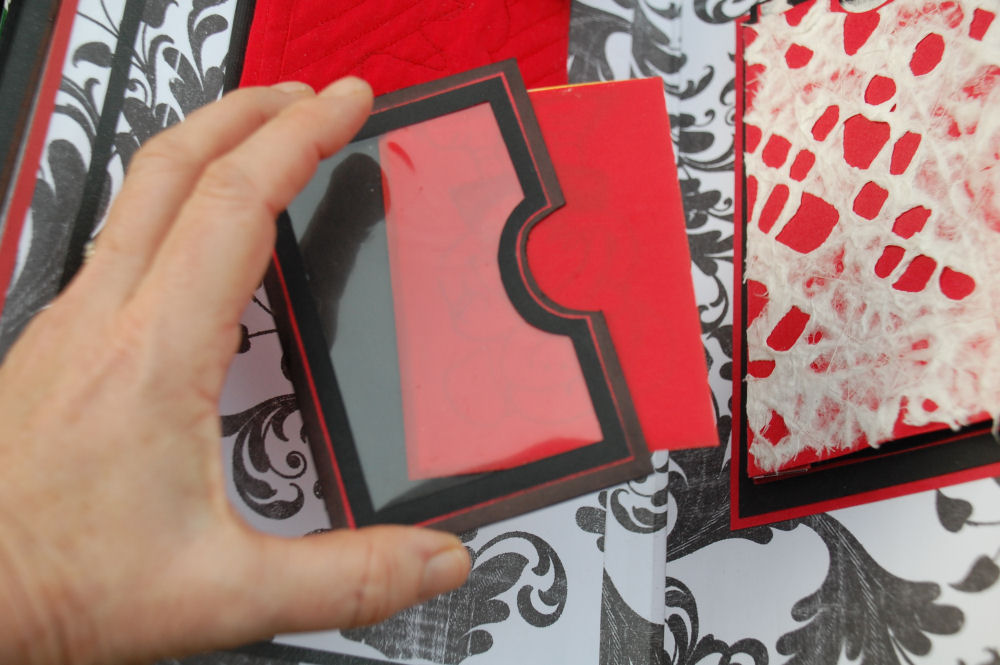
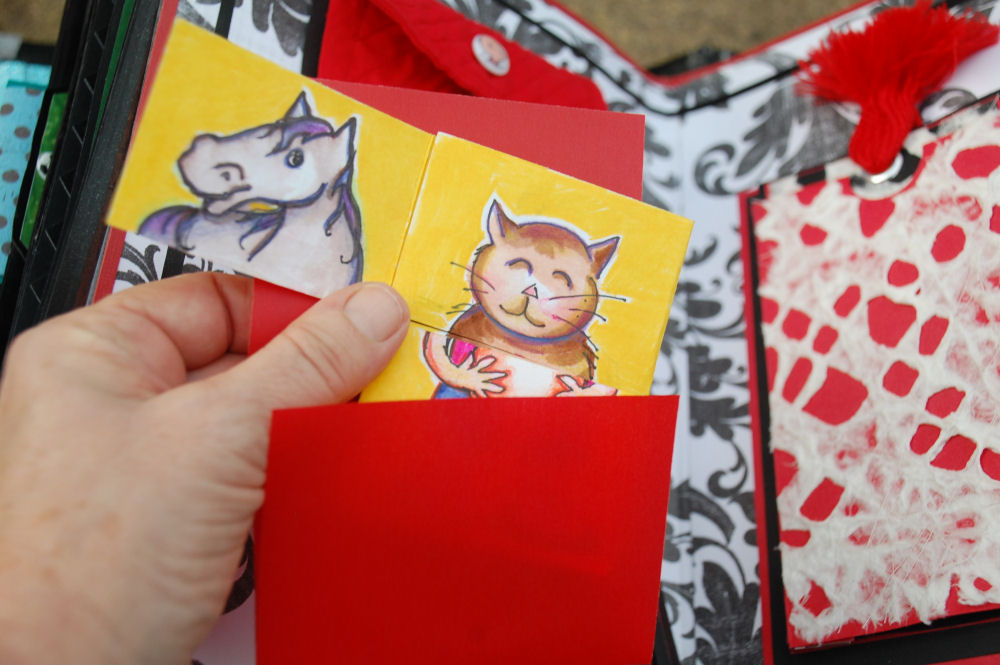
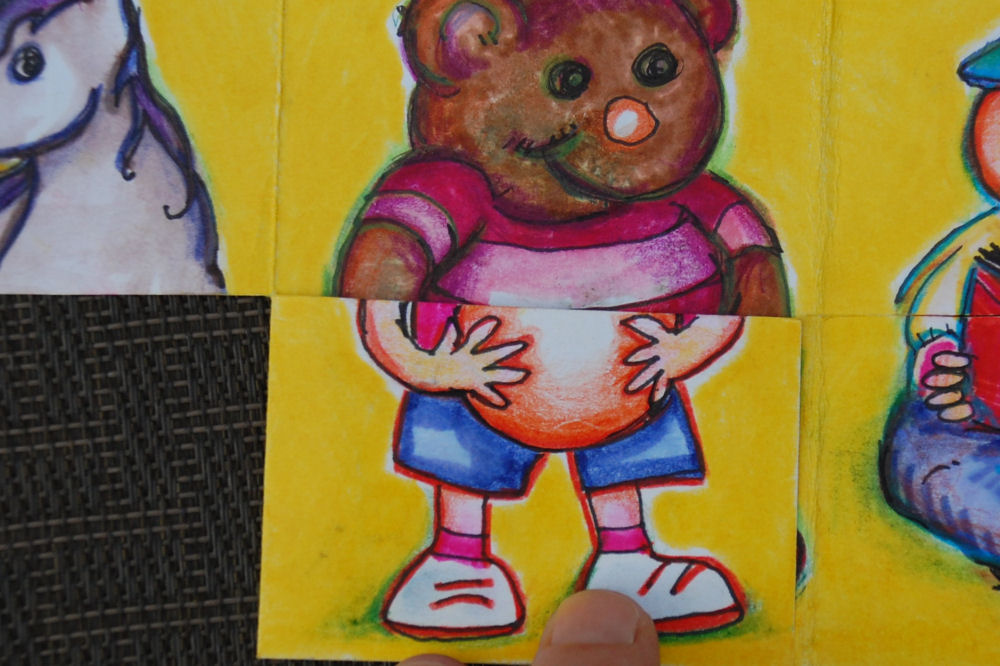
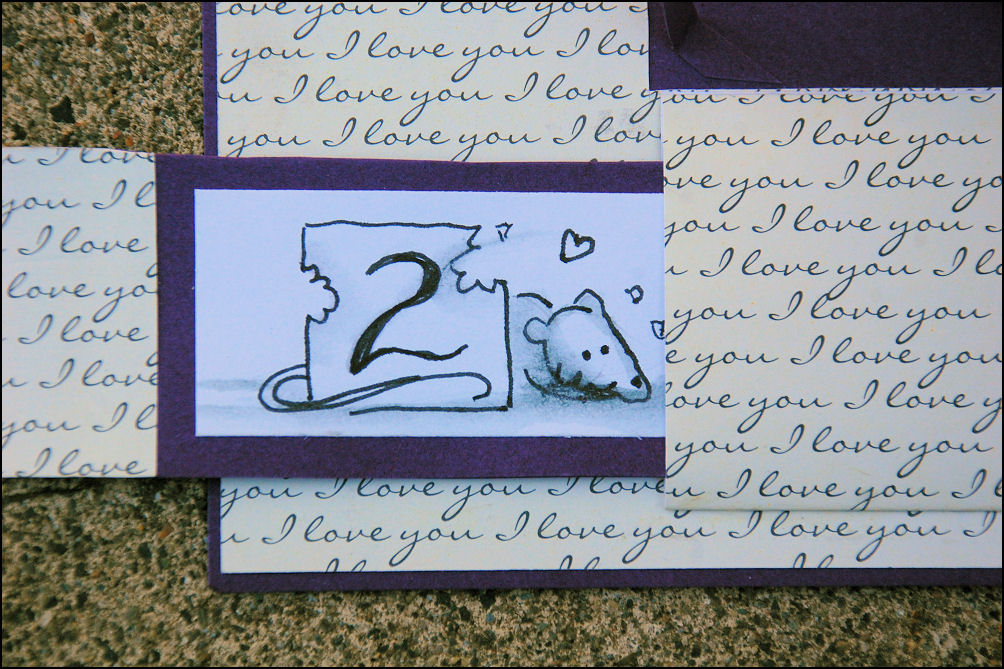
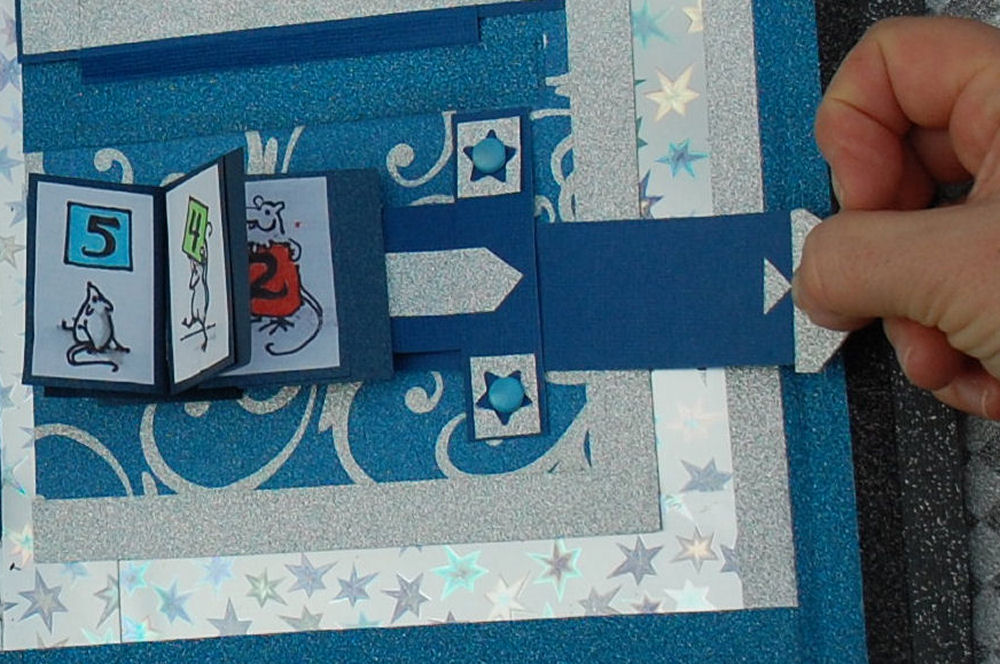
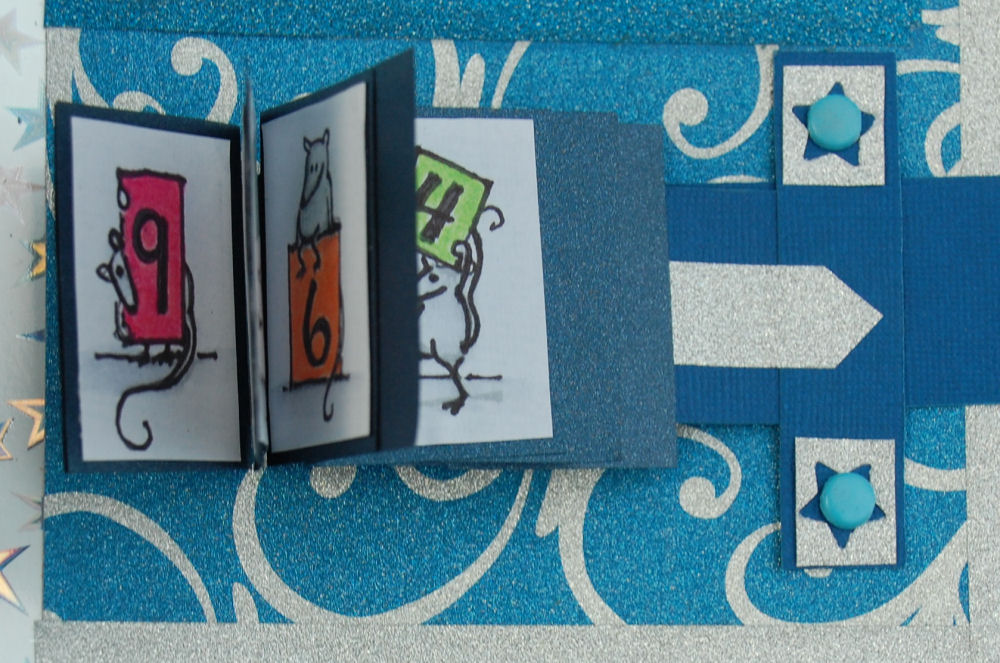
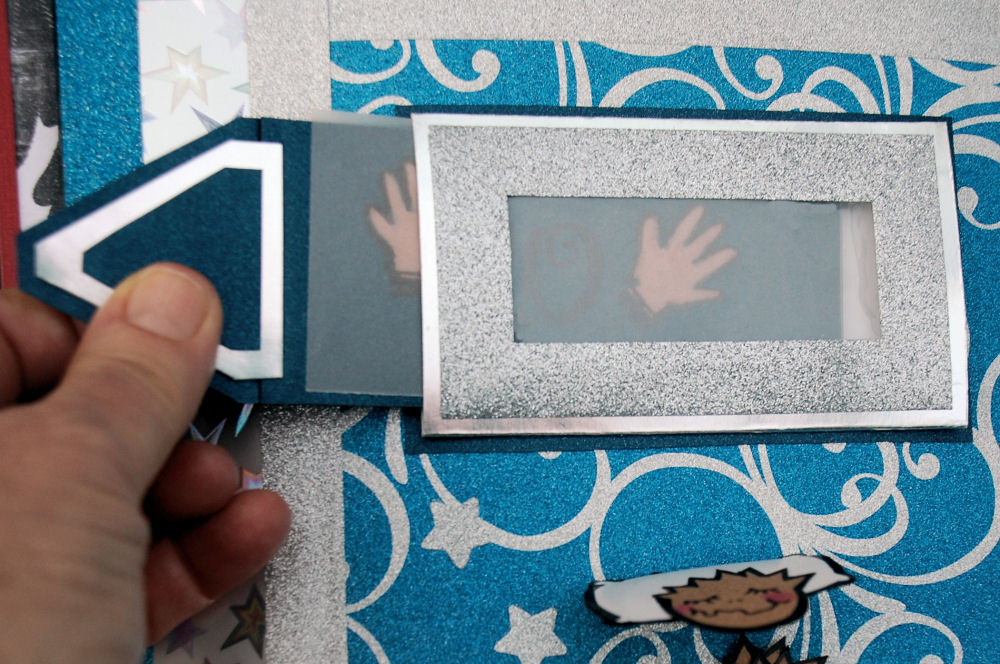
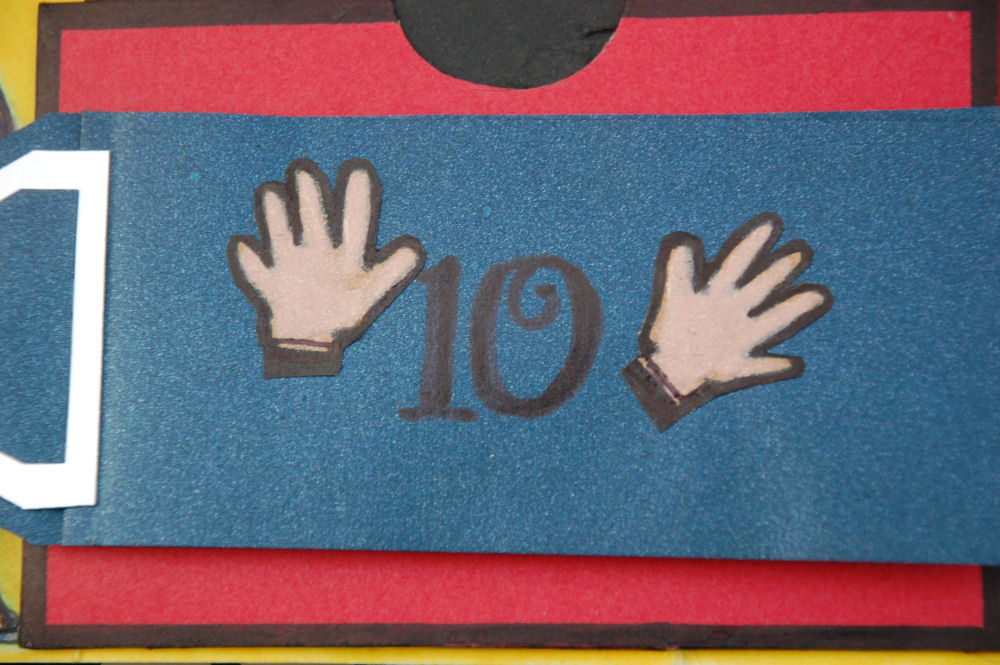
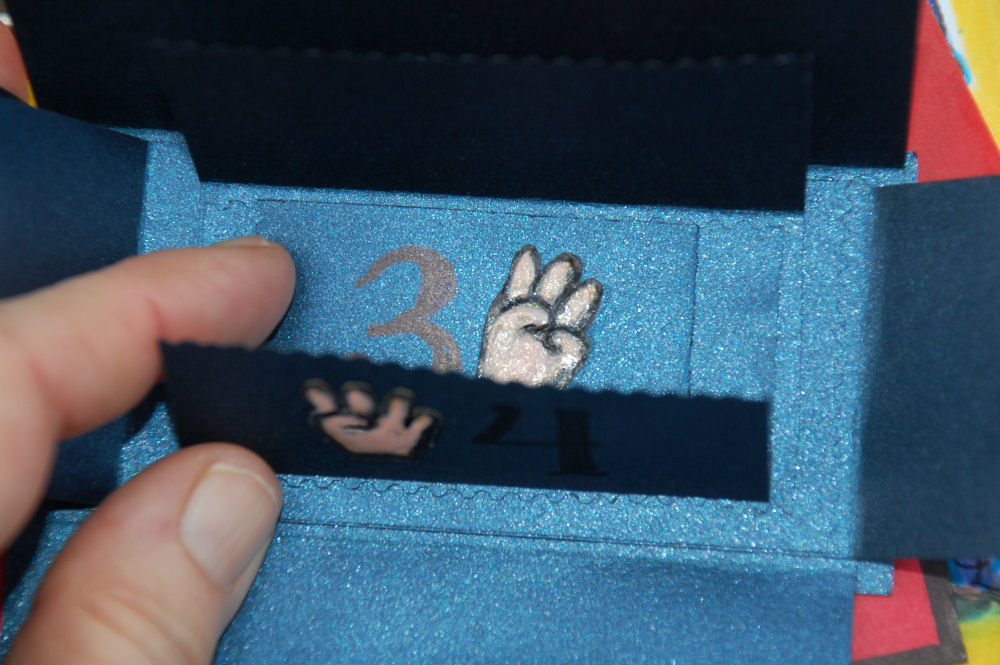
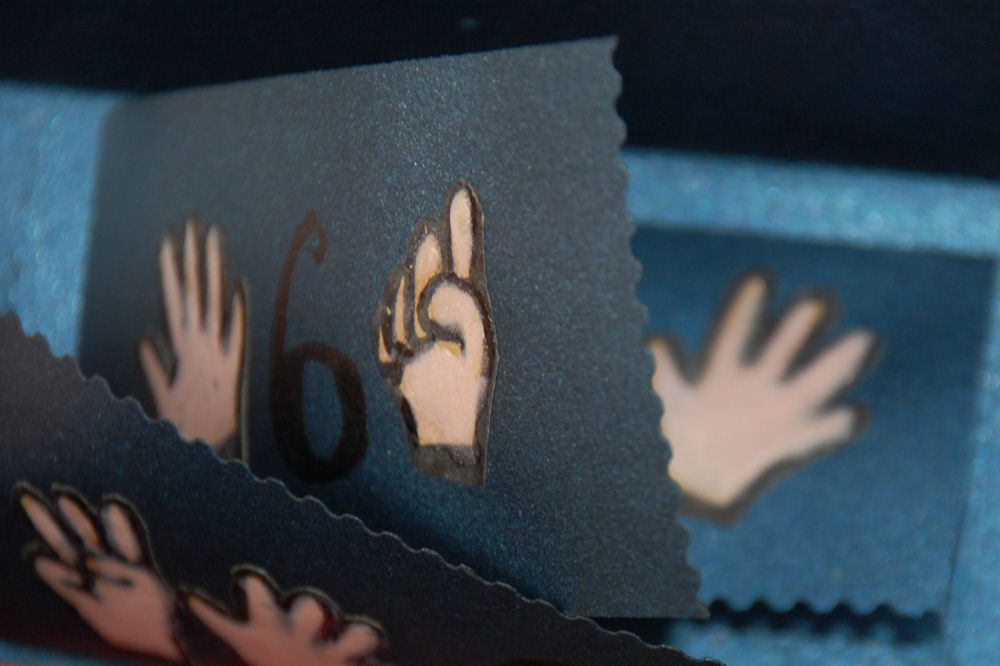
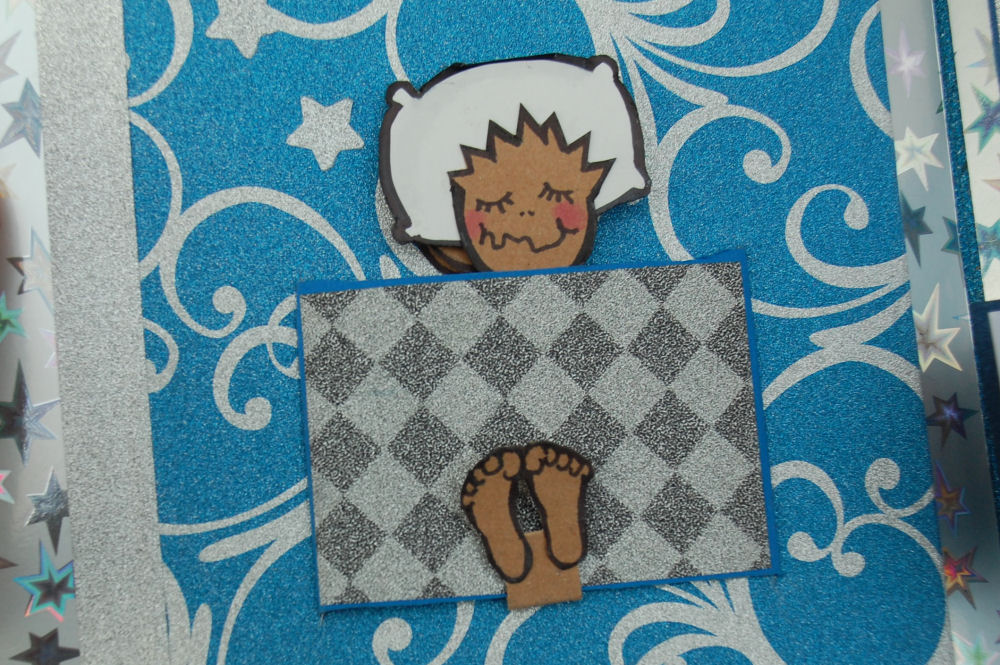
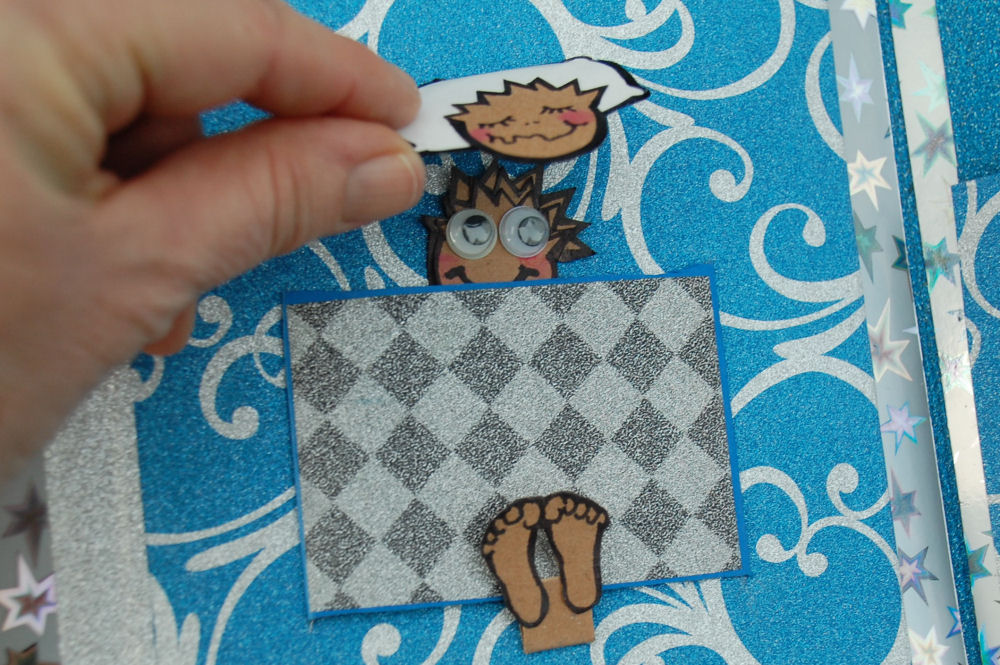
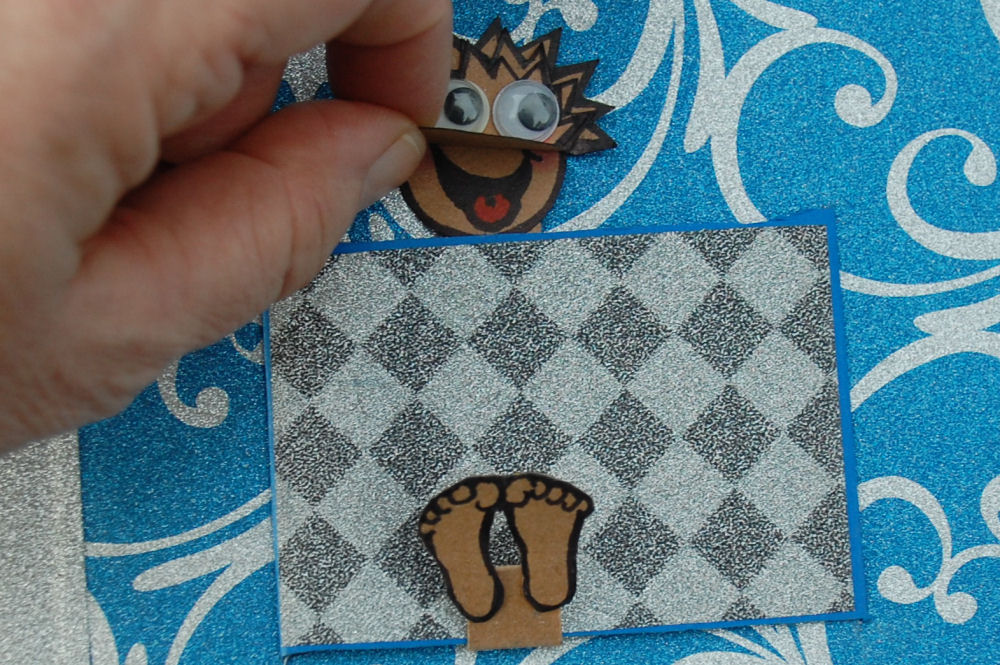
There is a title cover page, then a page is made for each separate word in the title, ‘Cameron’, Can’, and ‘Count Backwards’… three extra pages because I absolutely had to make that can! Throughout there are interactive components, and on each page a mouse is hidden somewhere. It took so long to perfect each page, by the time the last pages were under construction the first ones already seemed amateur and needed to be re-done, either by disassembling parts or completely starting over. A person could forever be perfecting one book, but it’s time to finish this one and start the next for Cameron’s fourth birthday.
 |
 |
 |
 |
 |
|
 |
 |
 |
 |
 |
|
 |
 |
 |
 |
 |
|
 |
 |
 |
 |
 |
|
 |
 |
 |
 |
 |
|
 |
 |
 |
 |
 |
Cameron Can Count
Saturday, April 19th, 2014
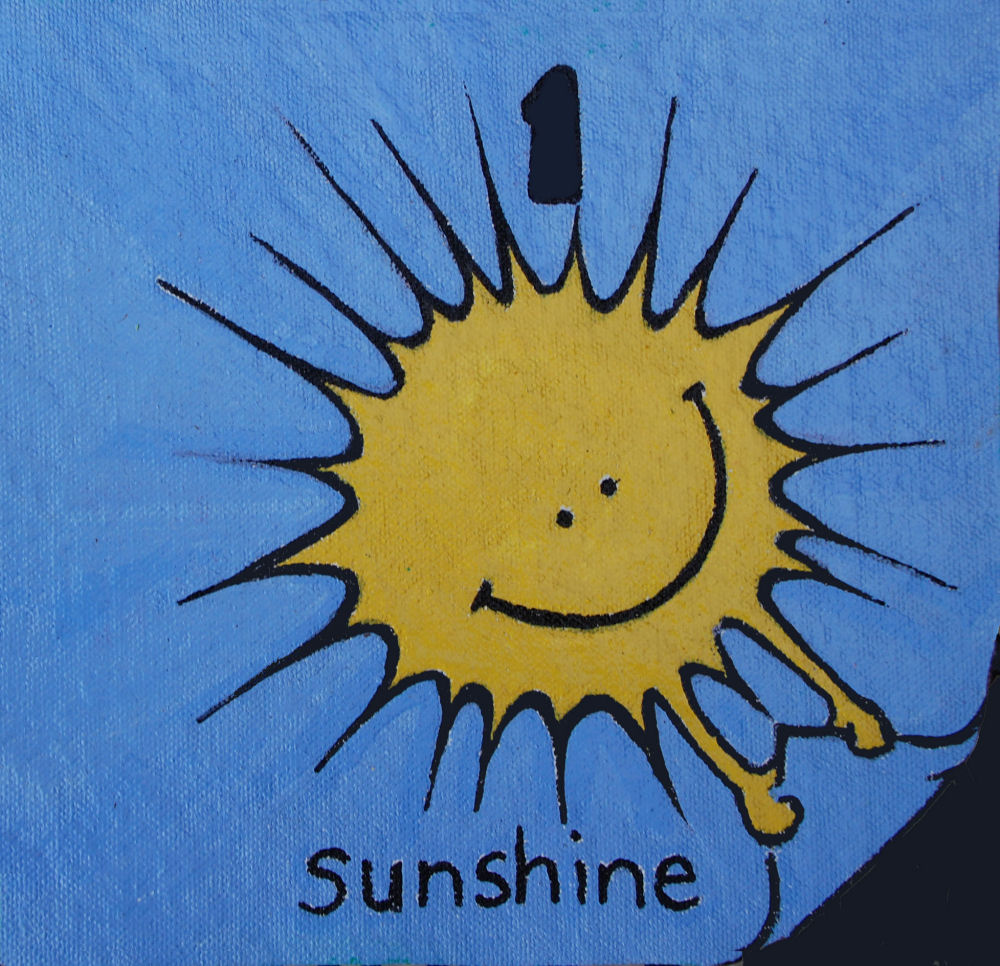
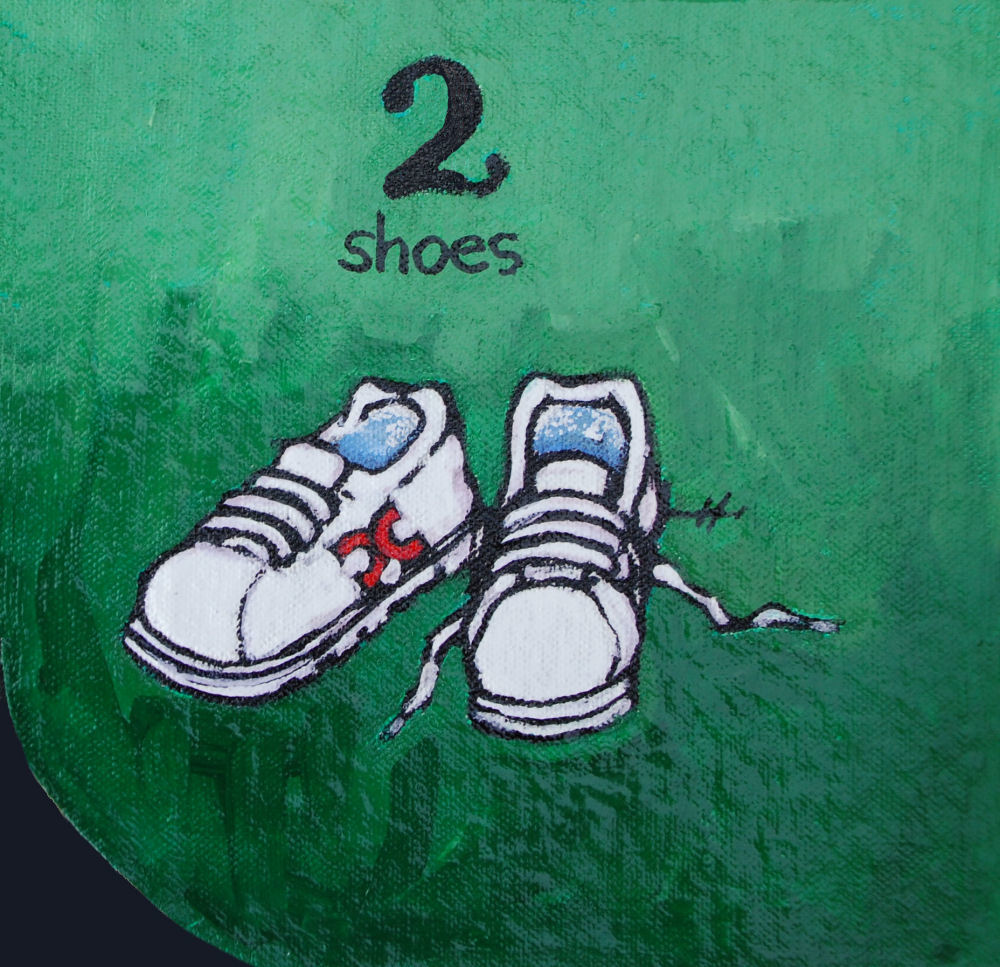
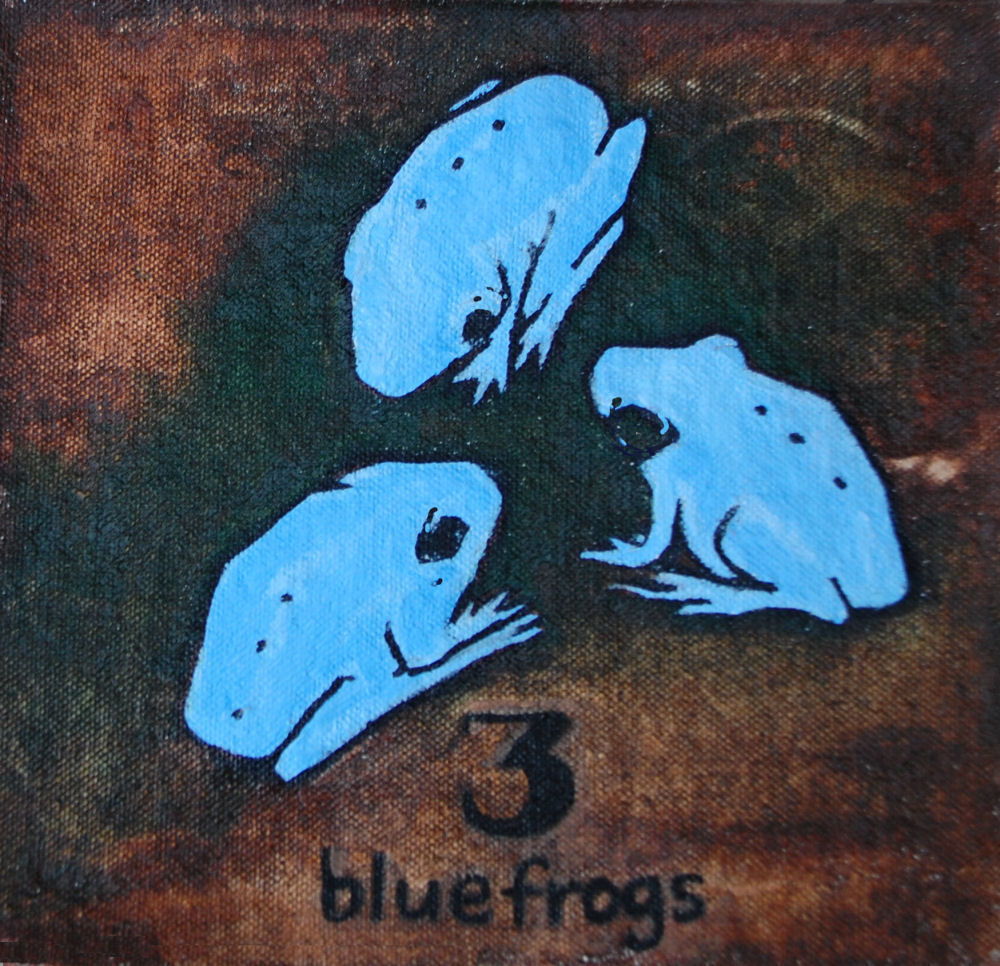
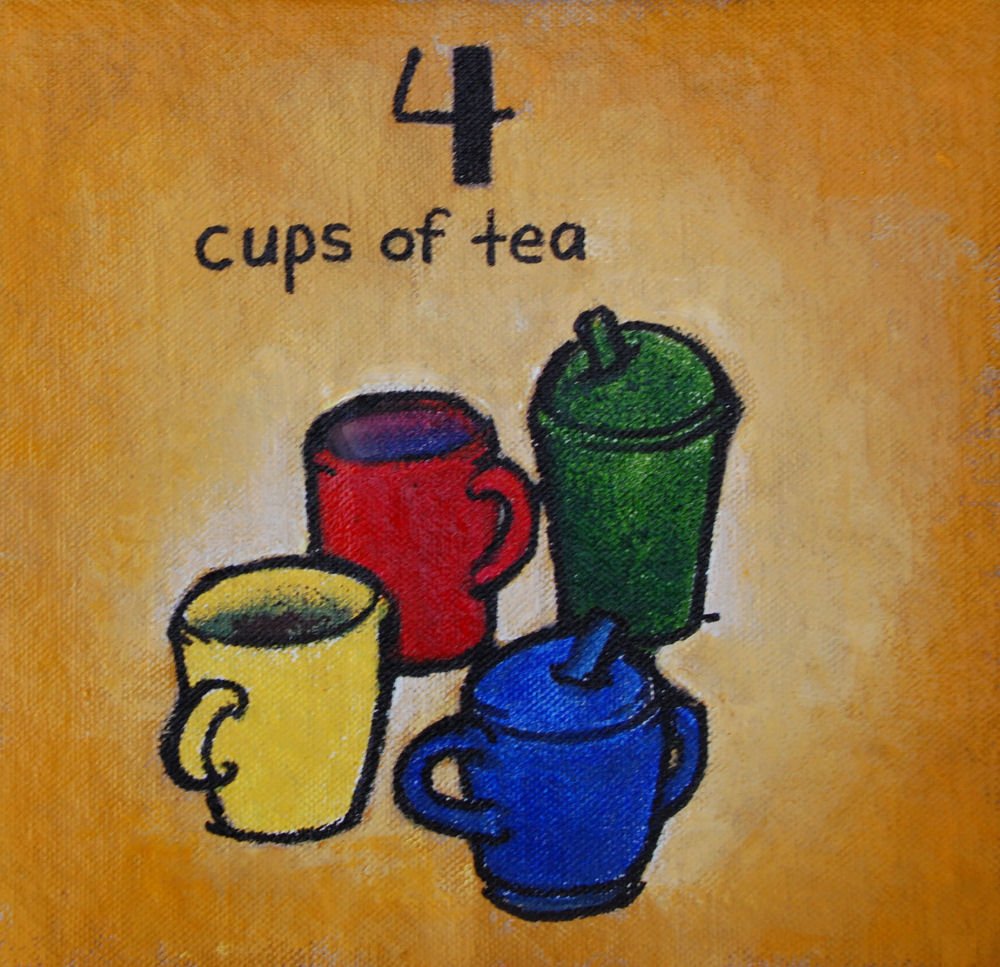
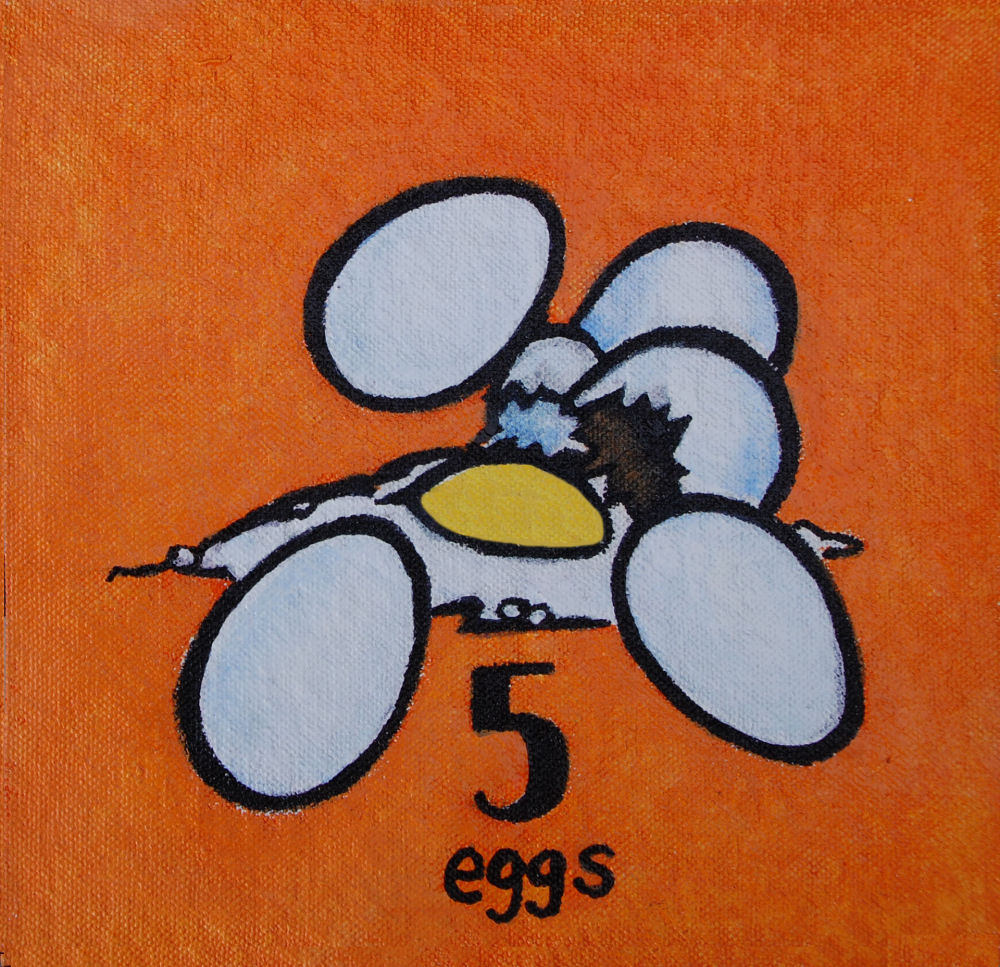
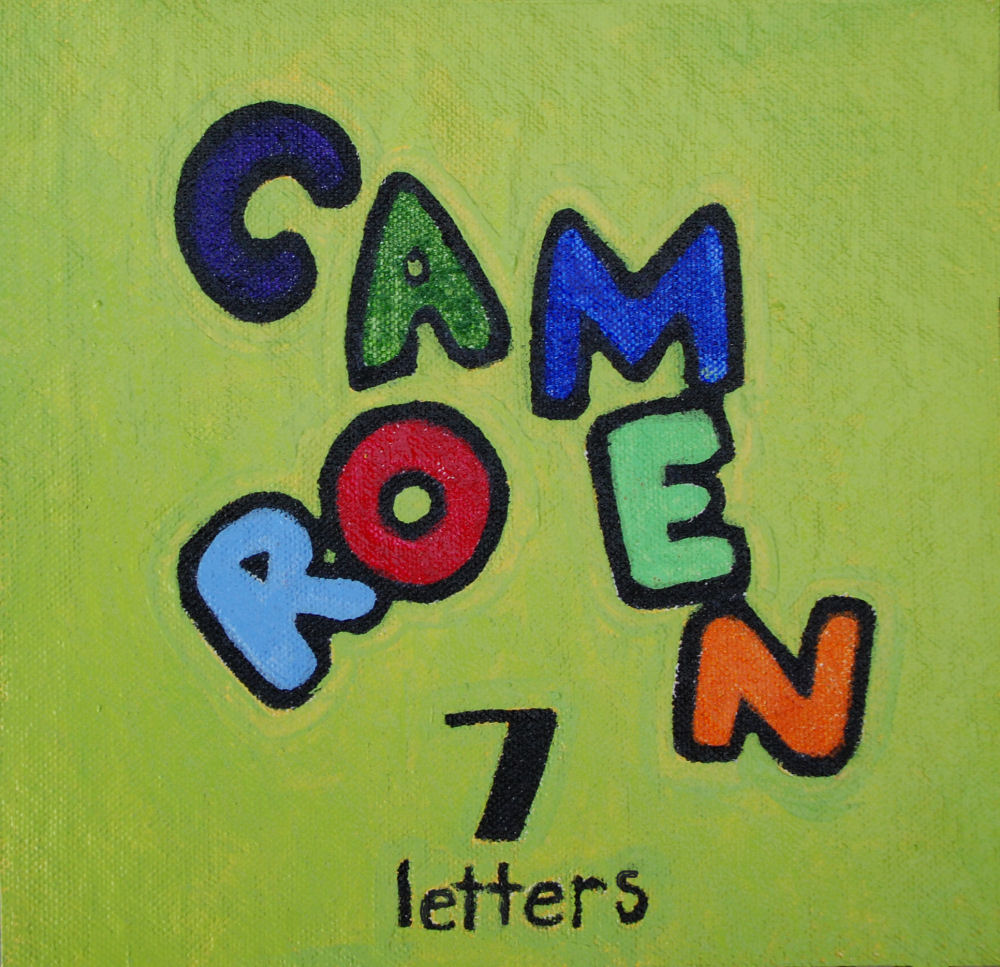
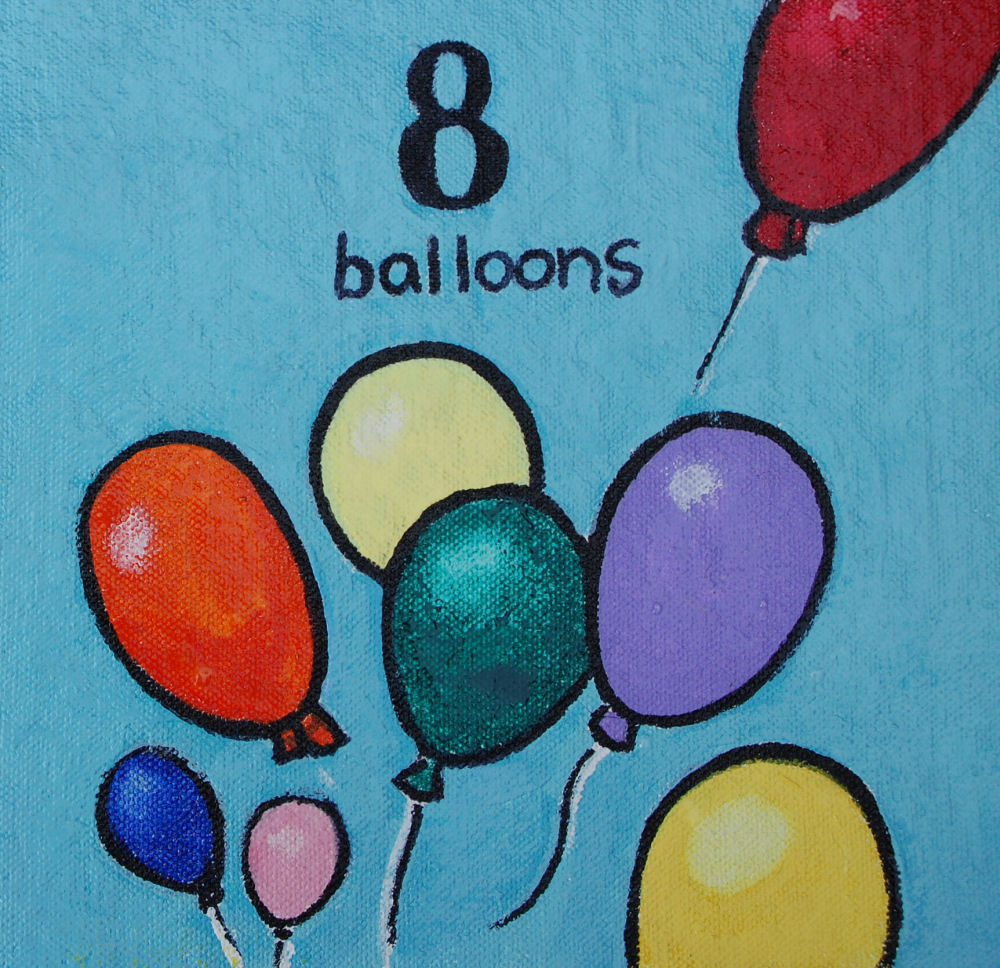
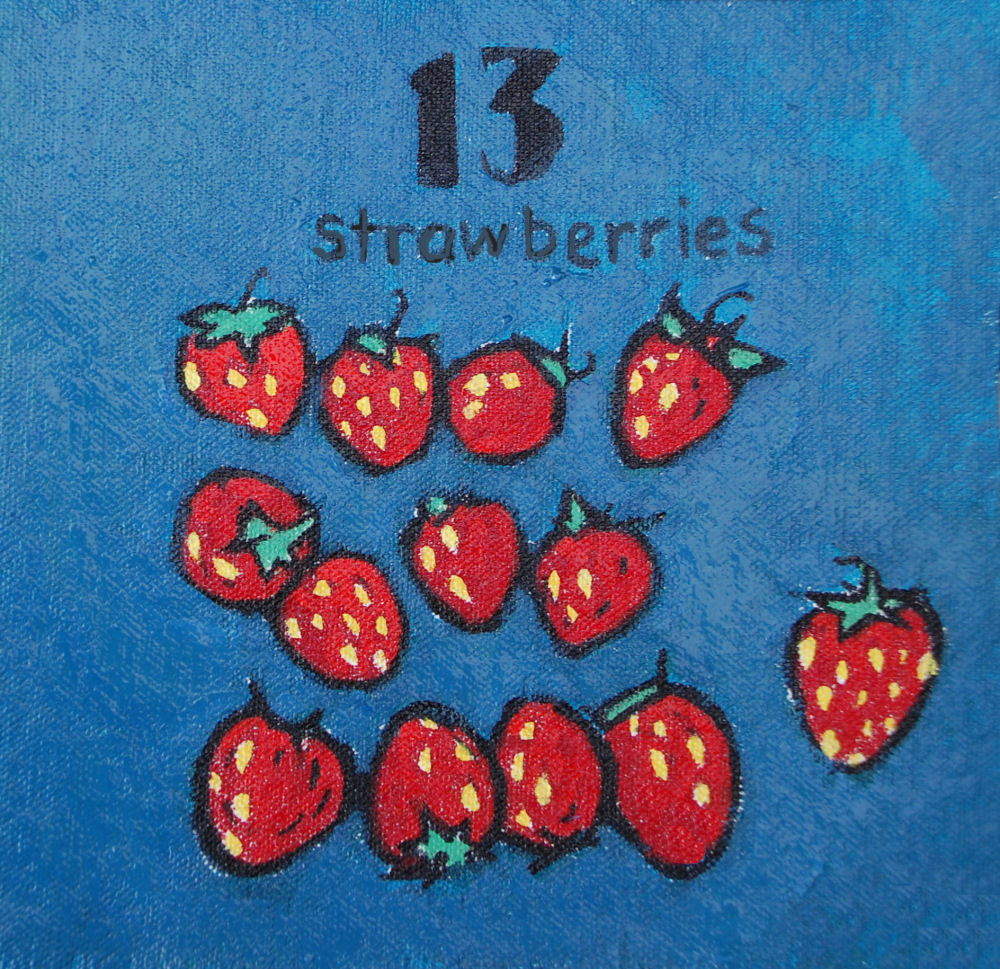
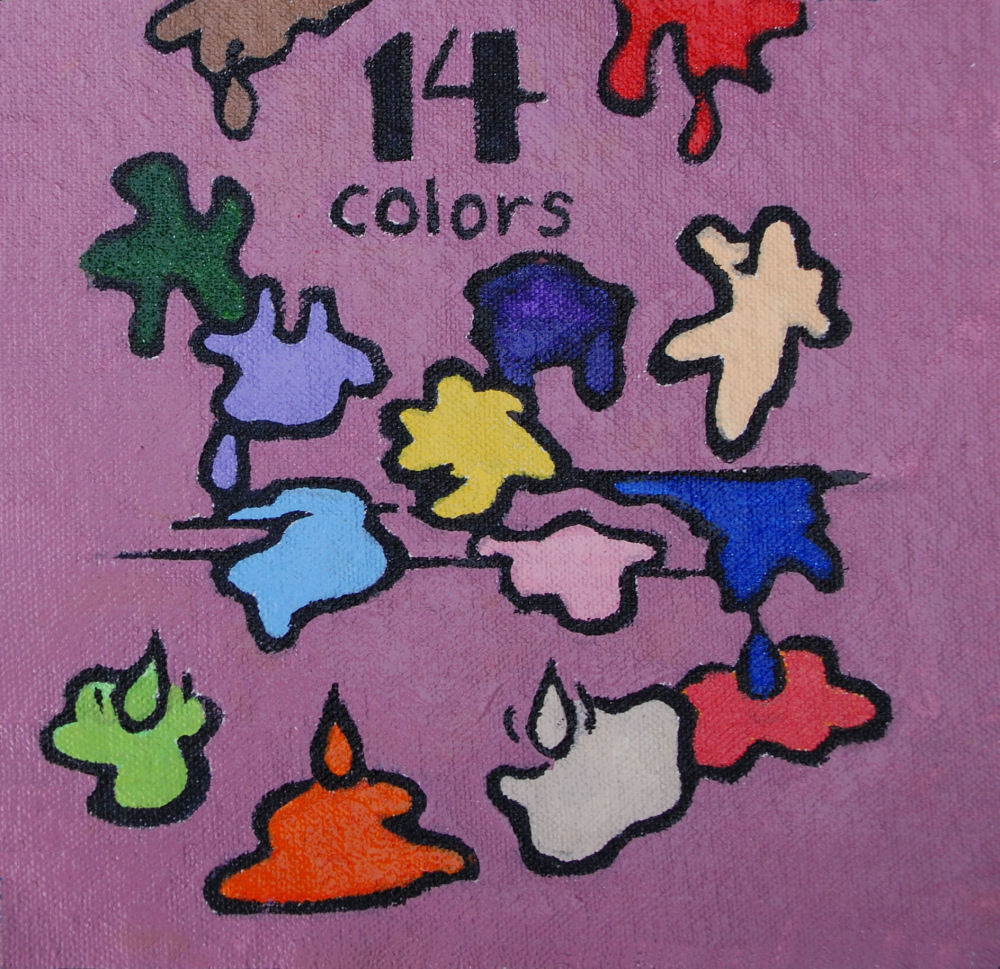
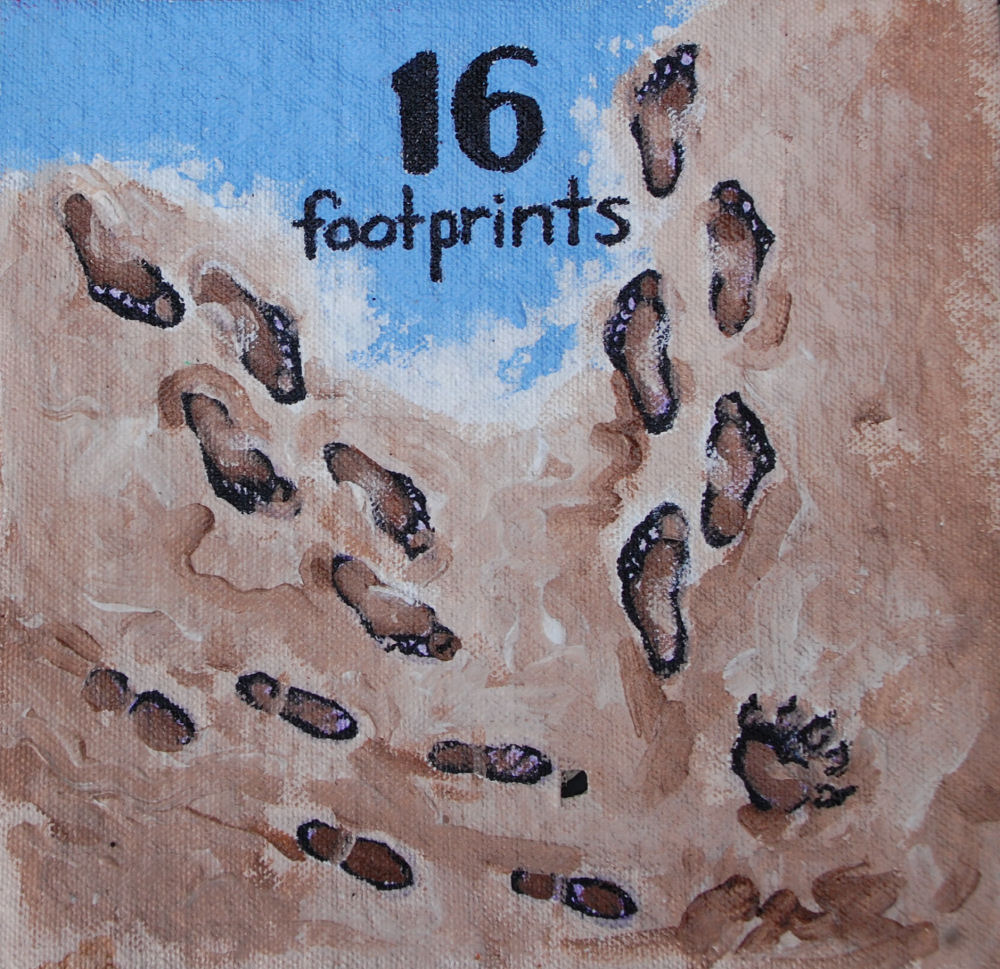
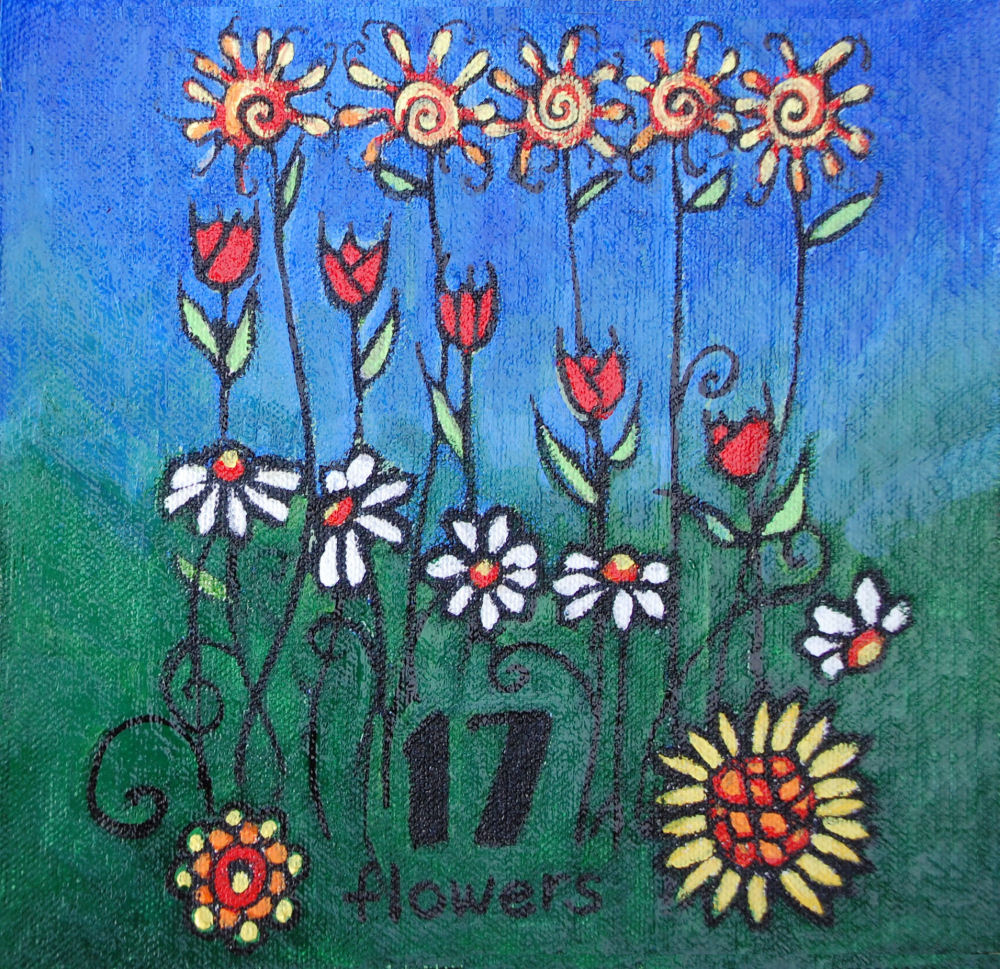
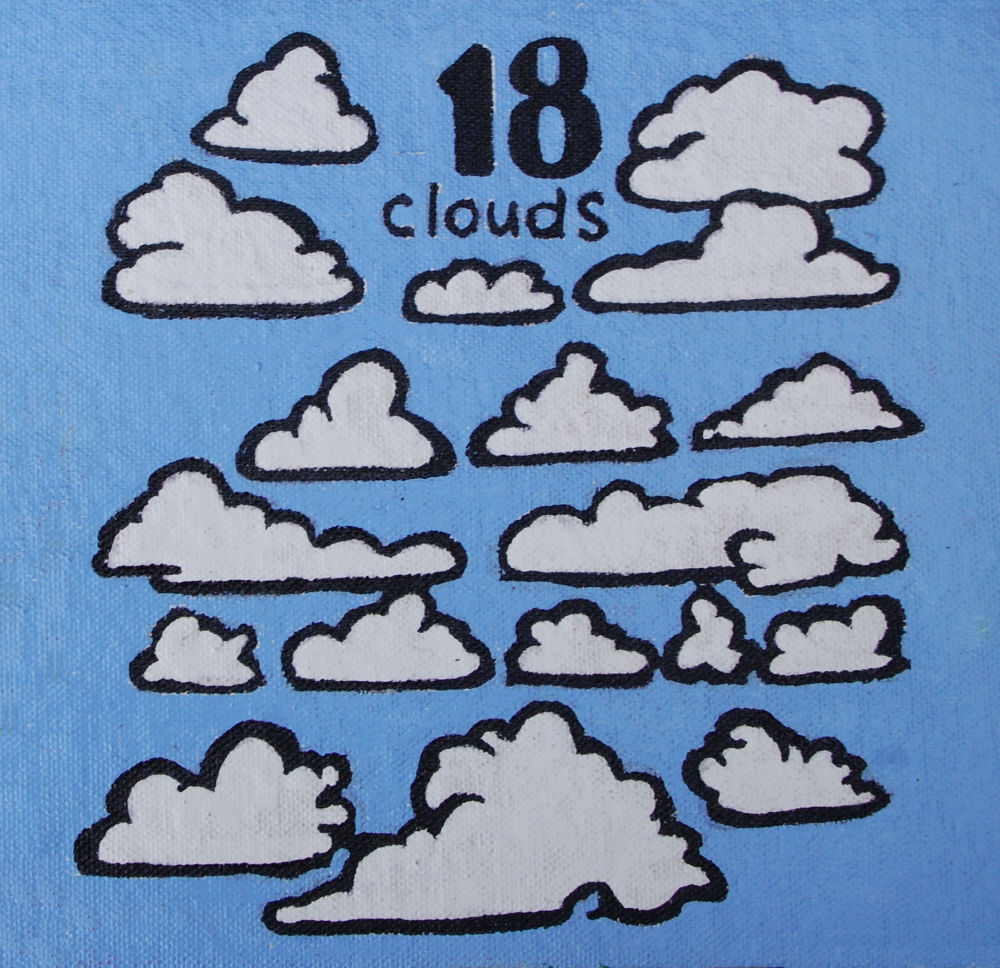
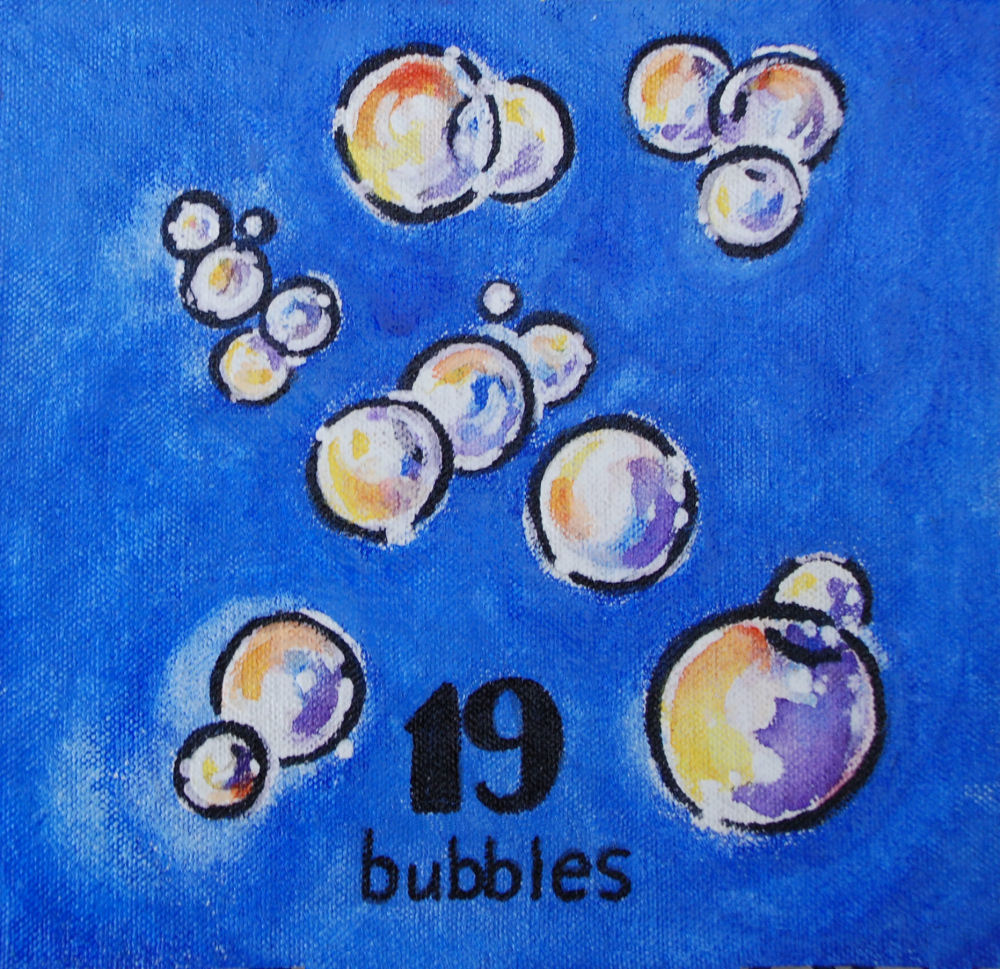
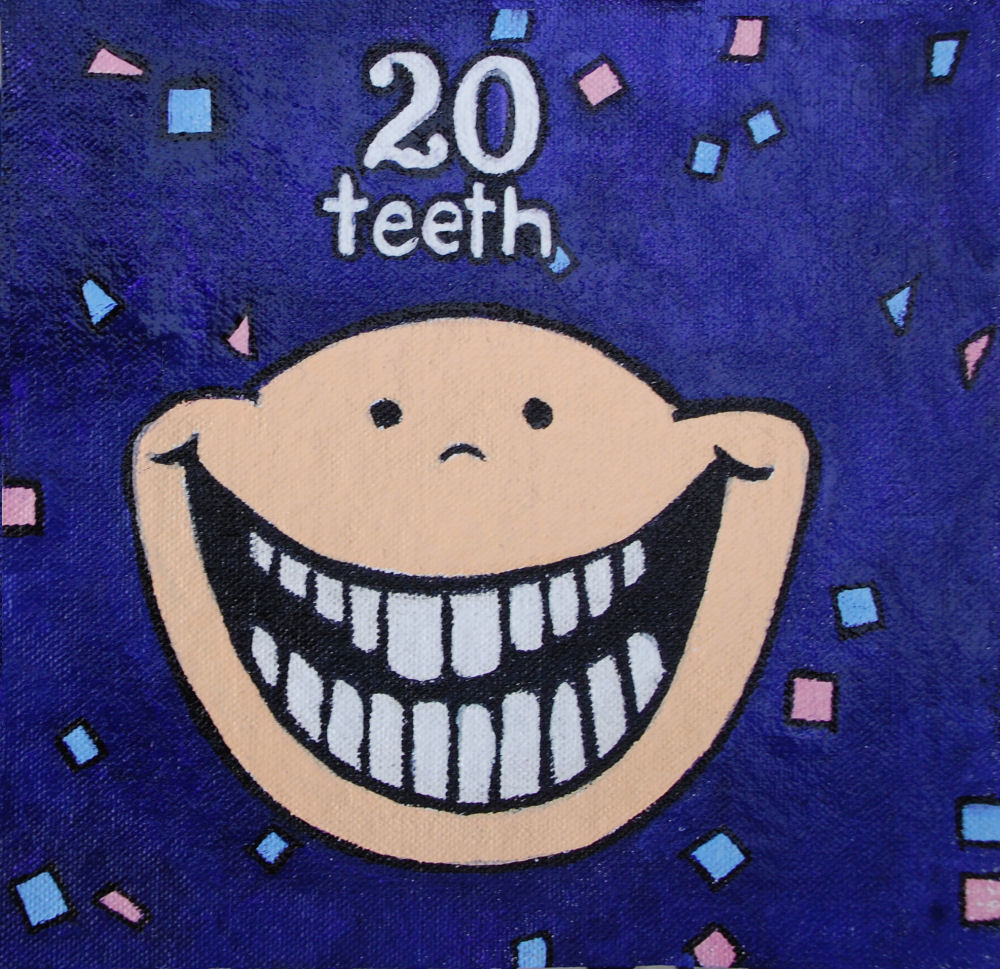
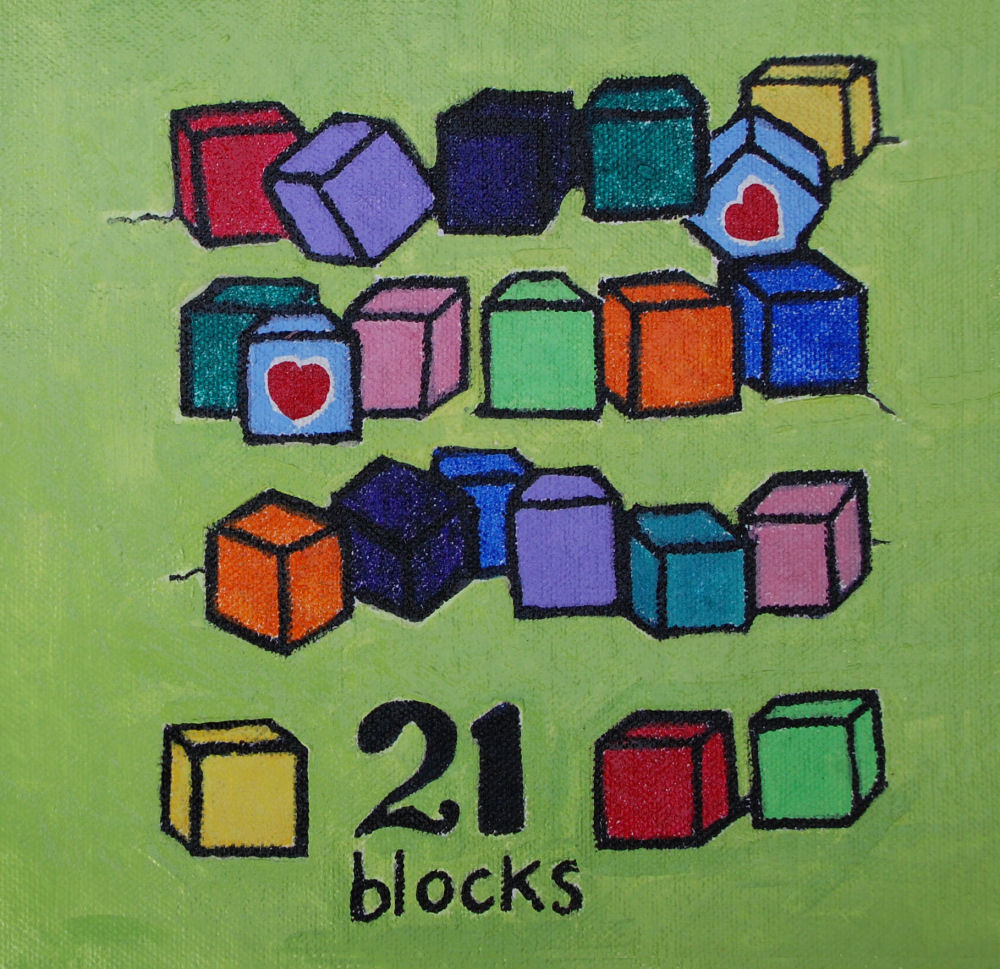
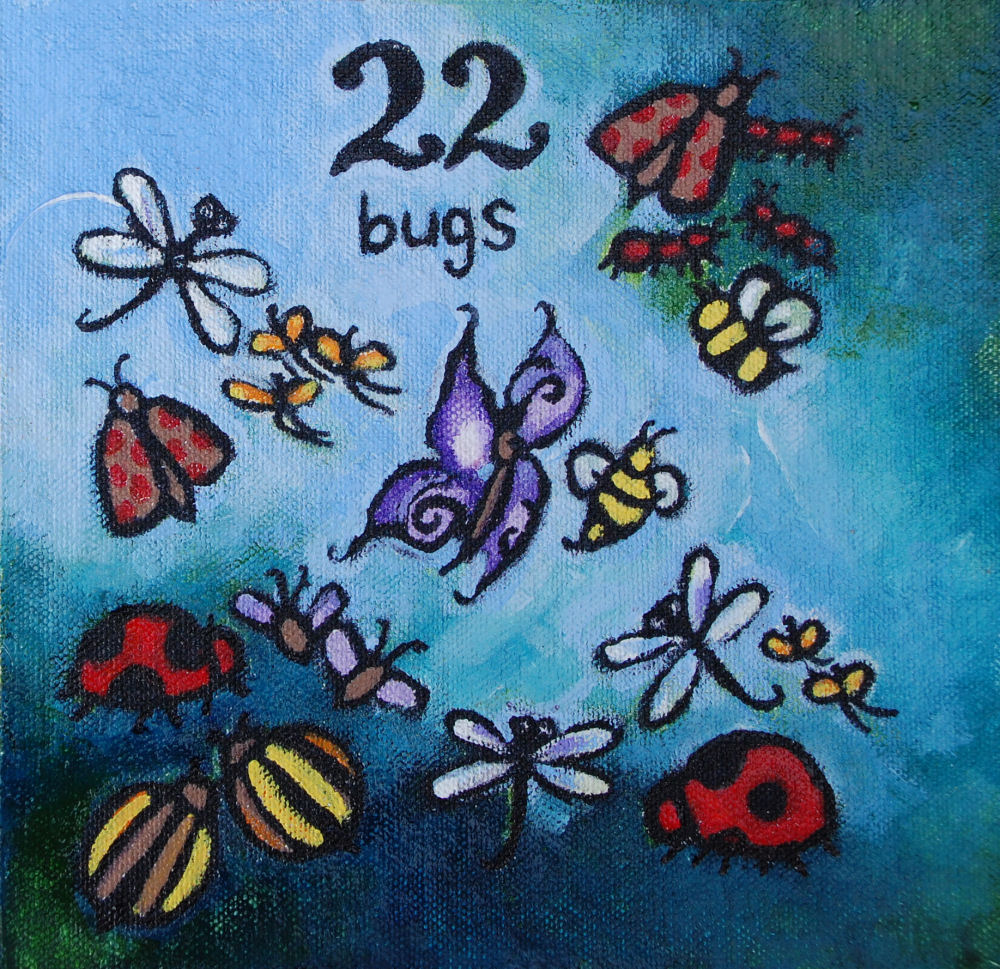
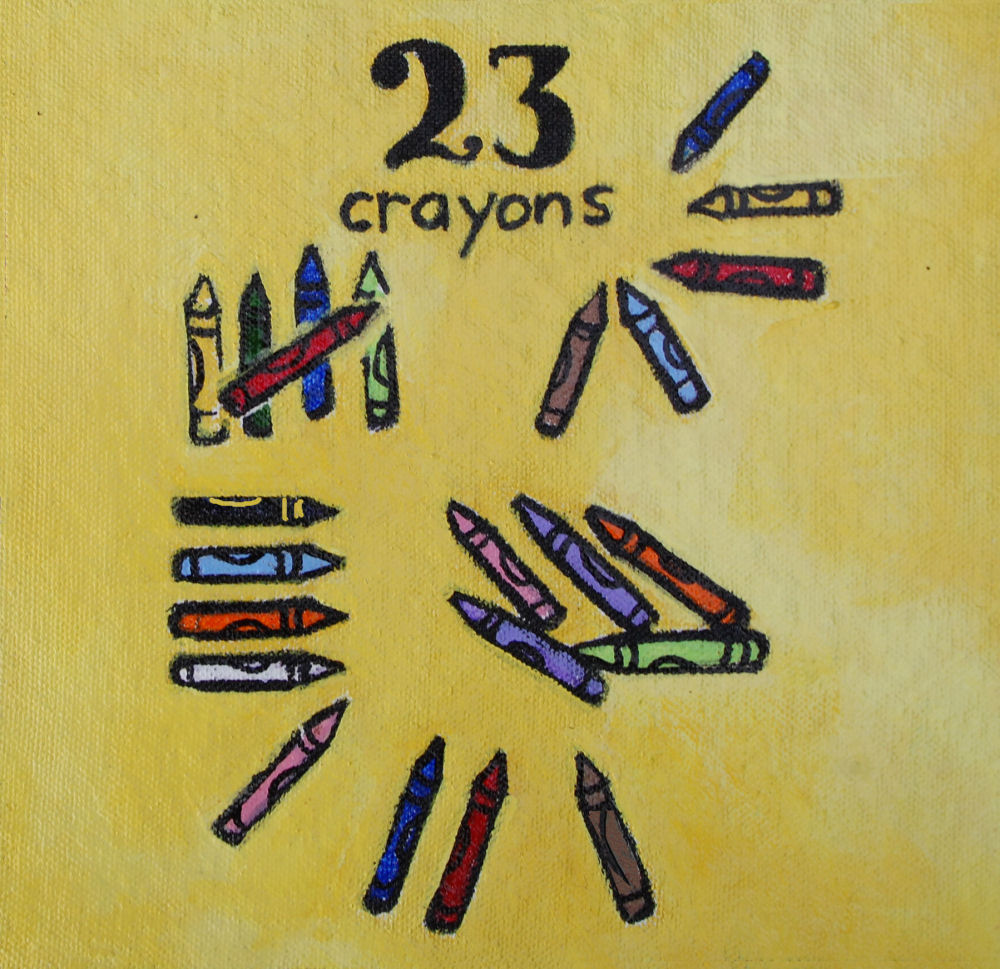
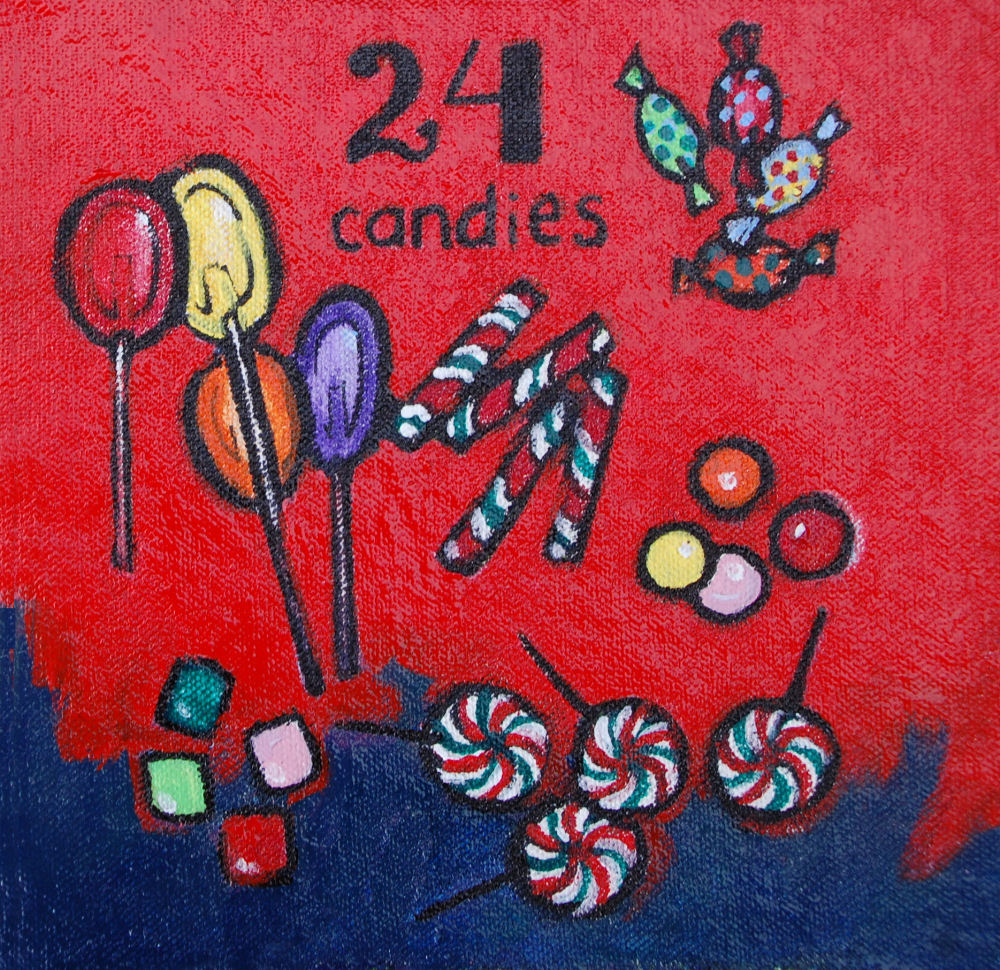
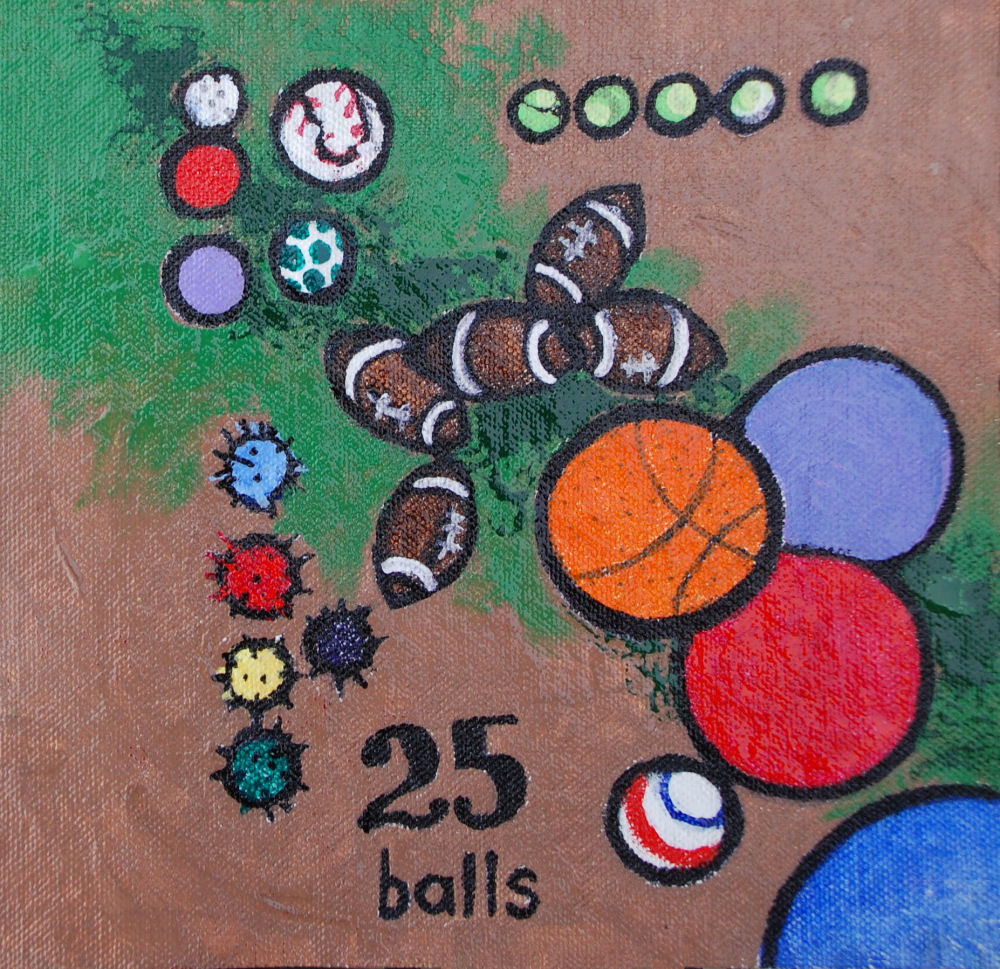
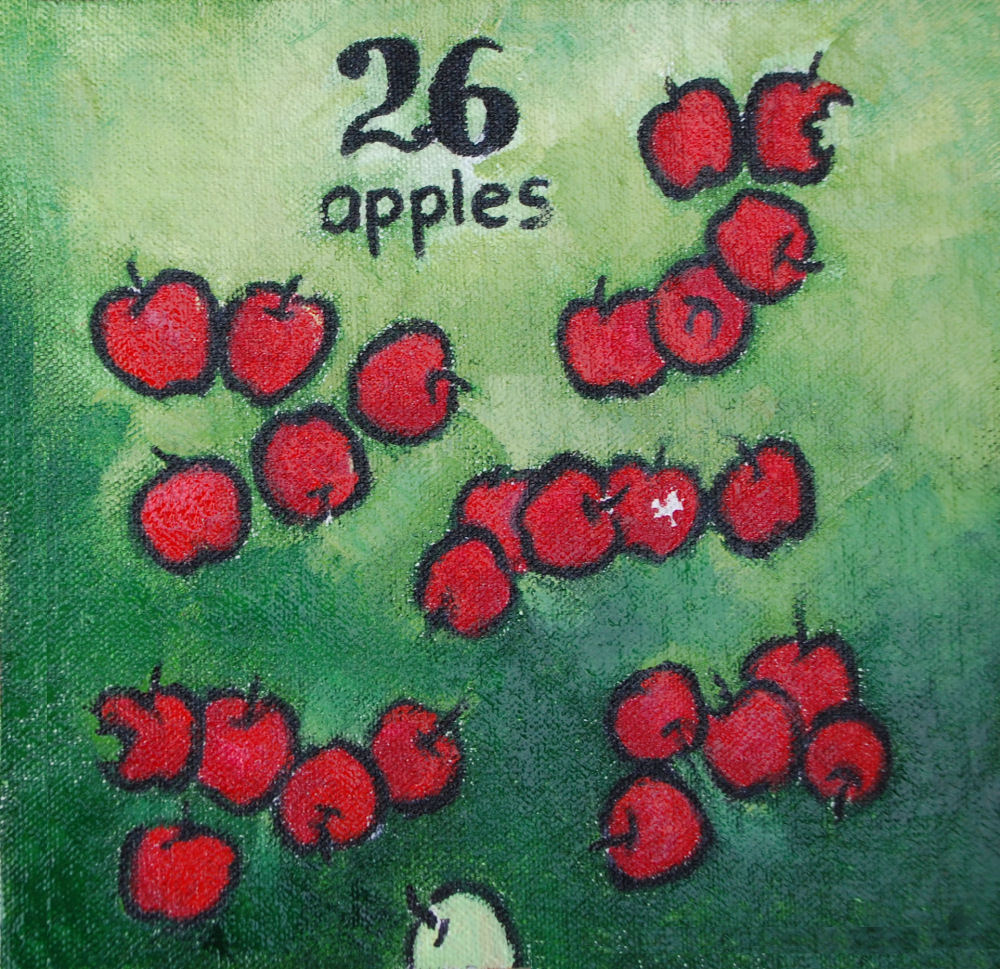
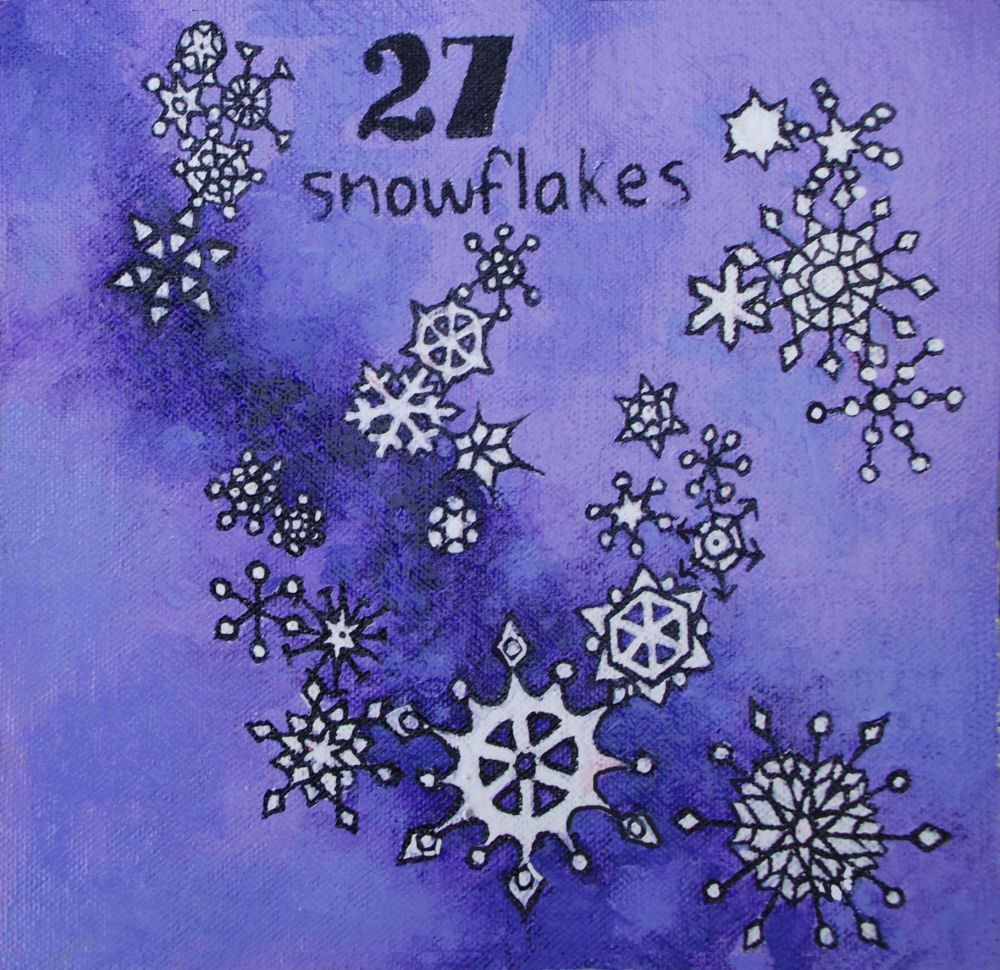
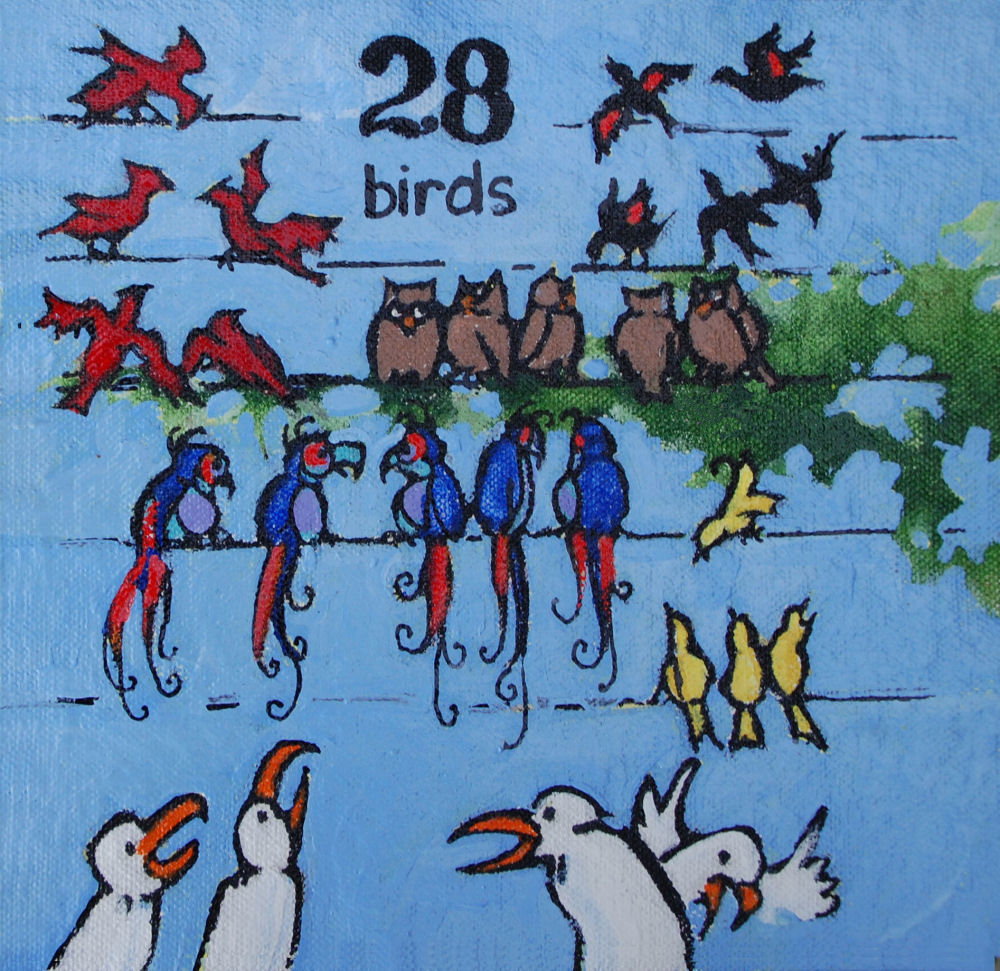
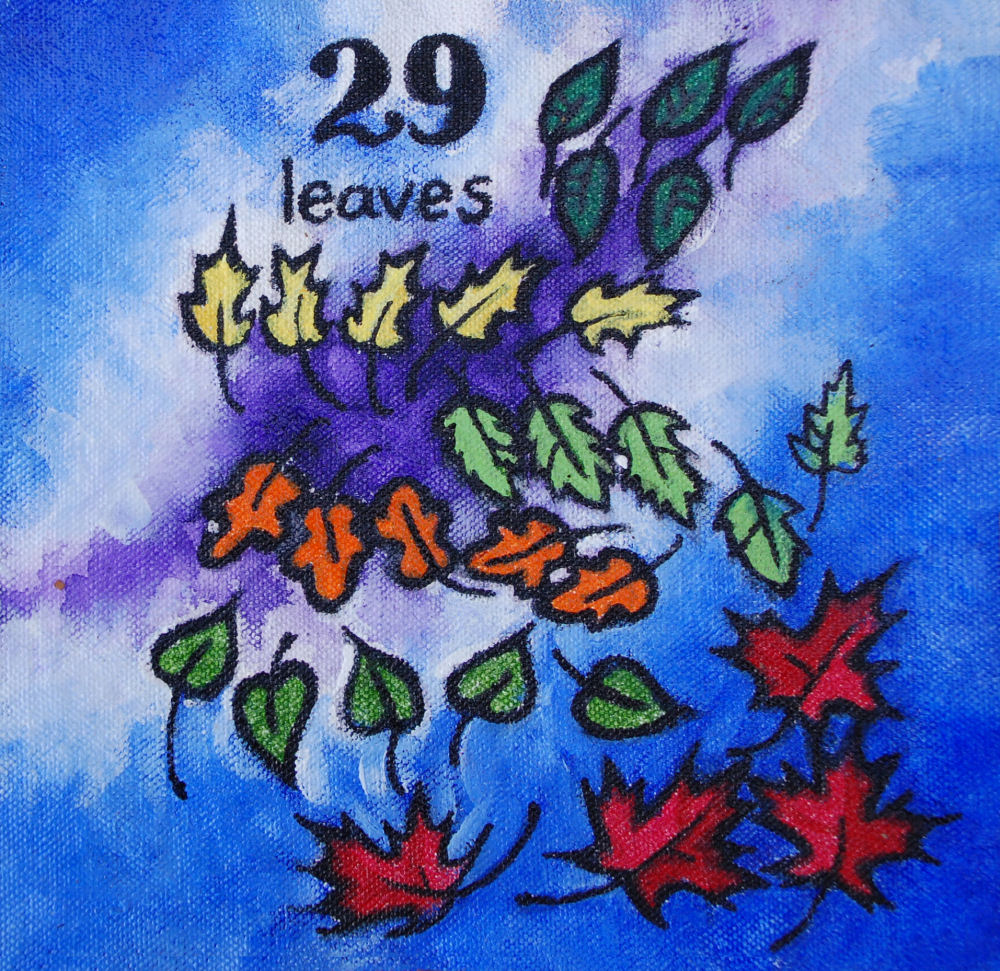
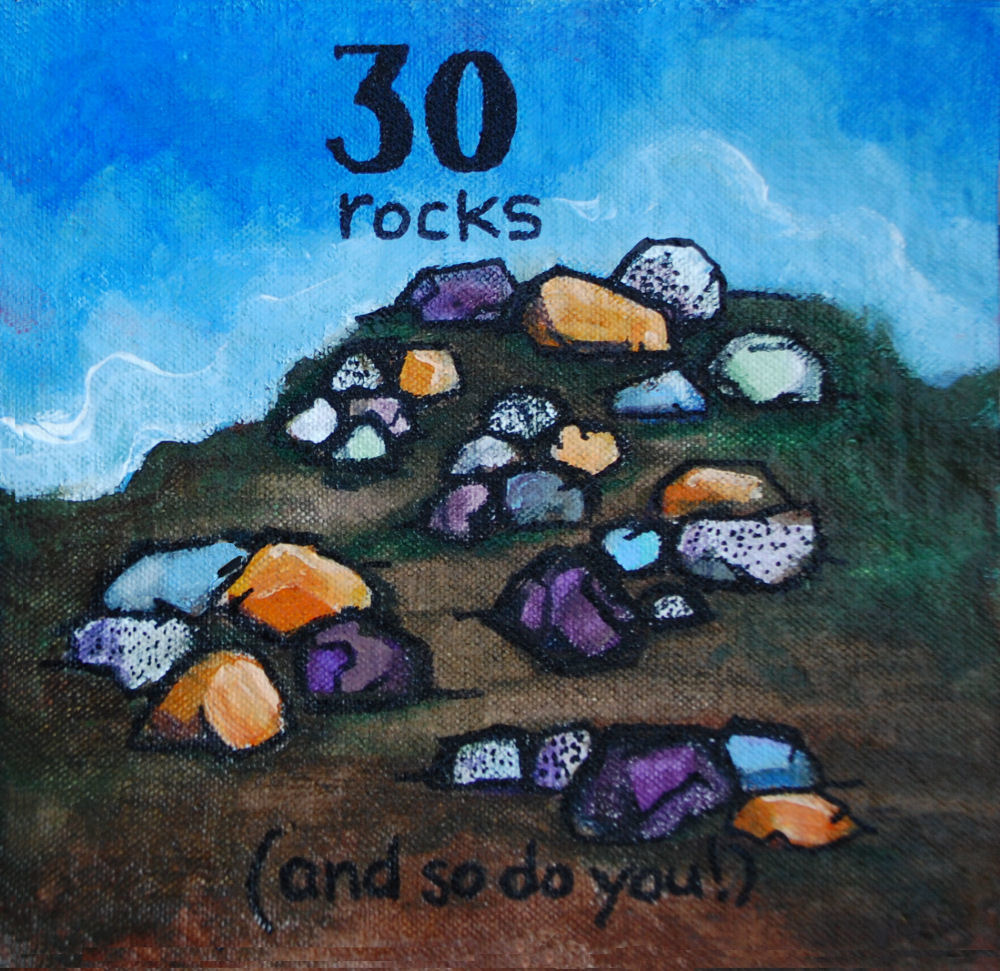
April 2014: Cameron Can Count to 30
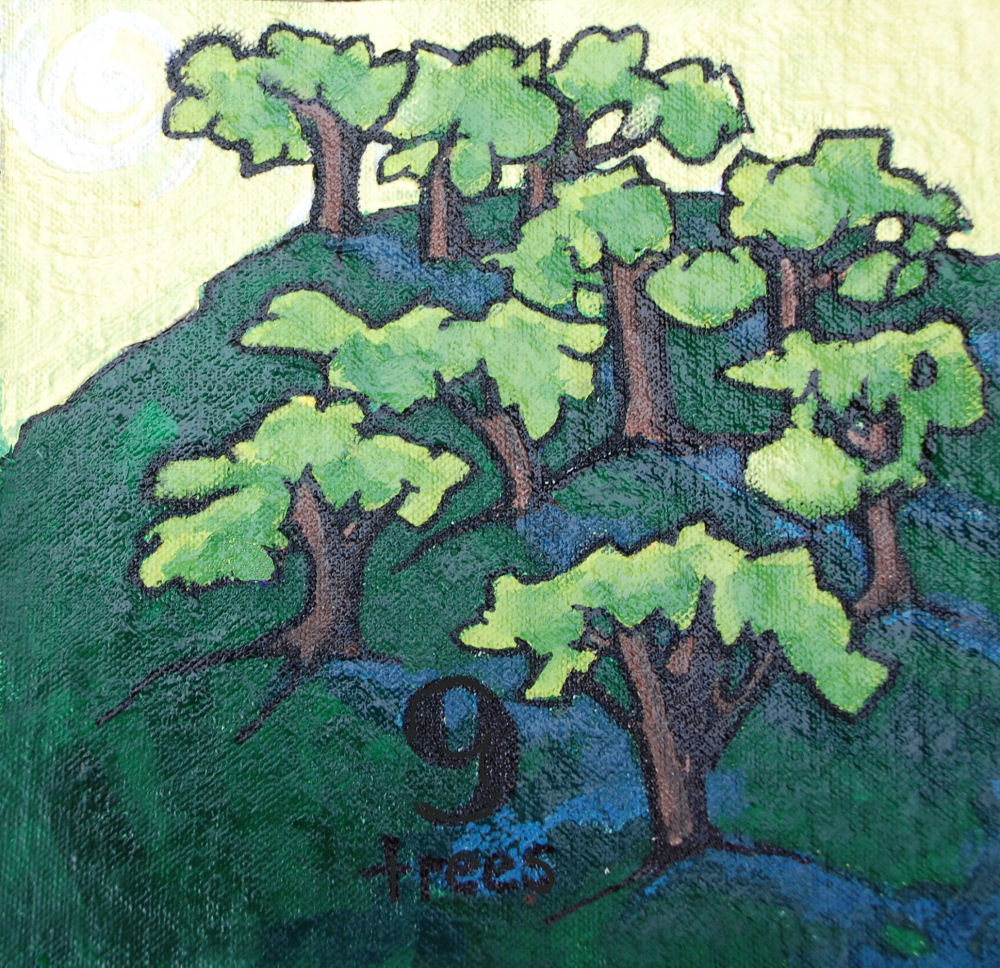
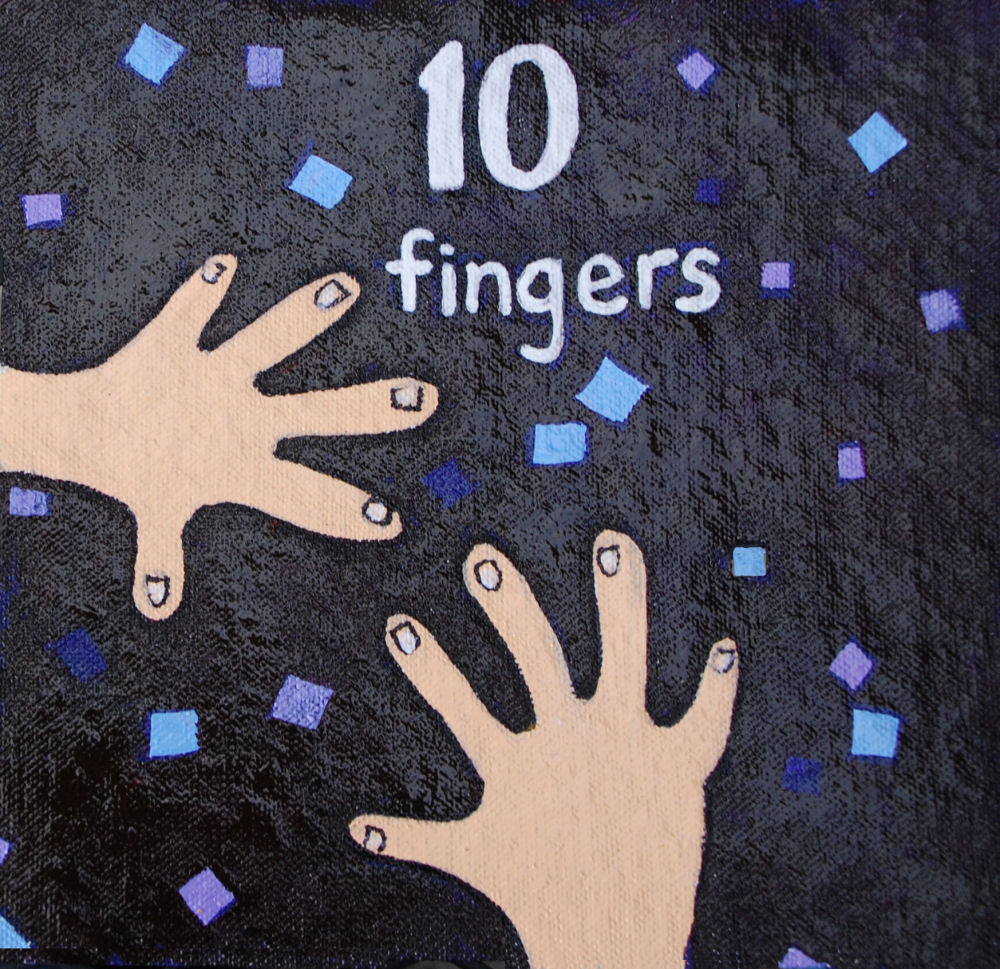
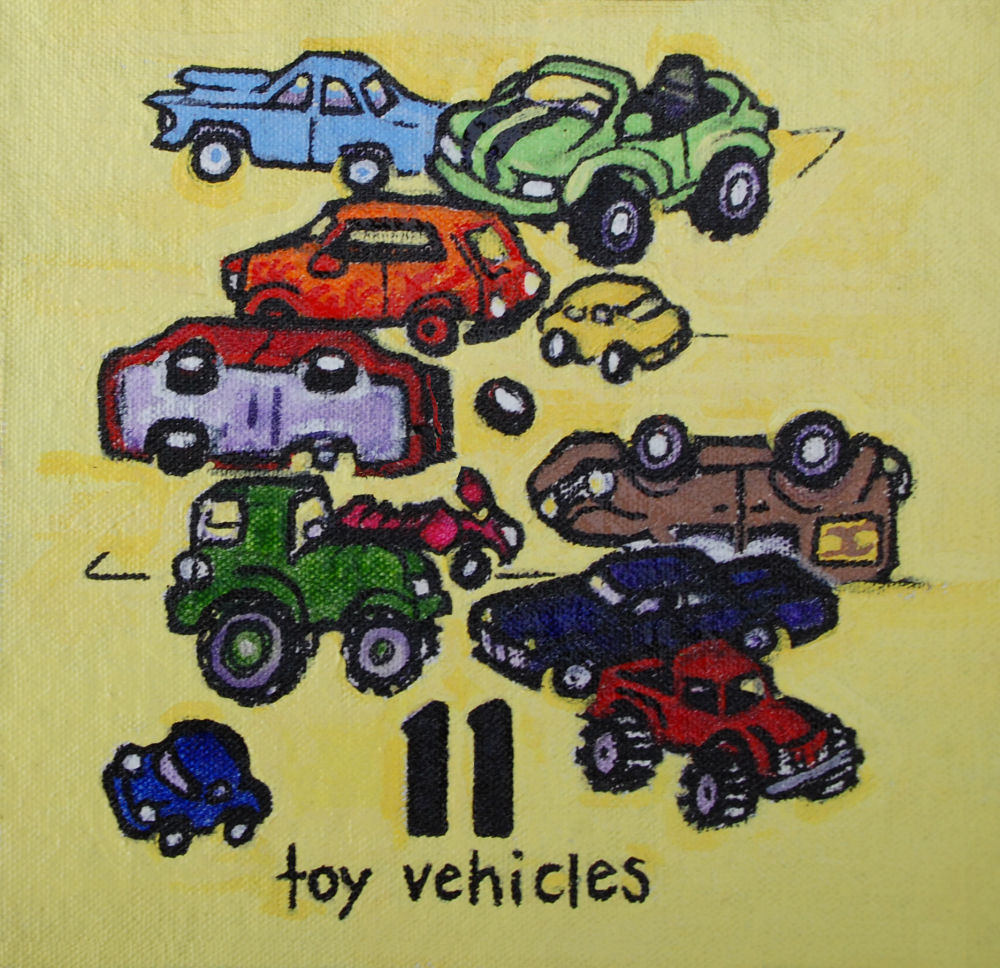
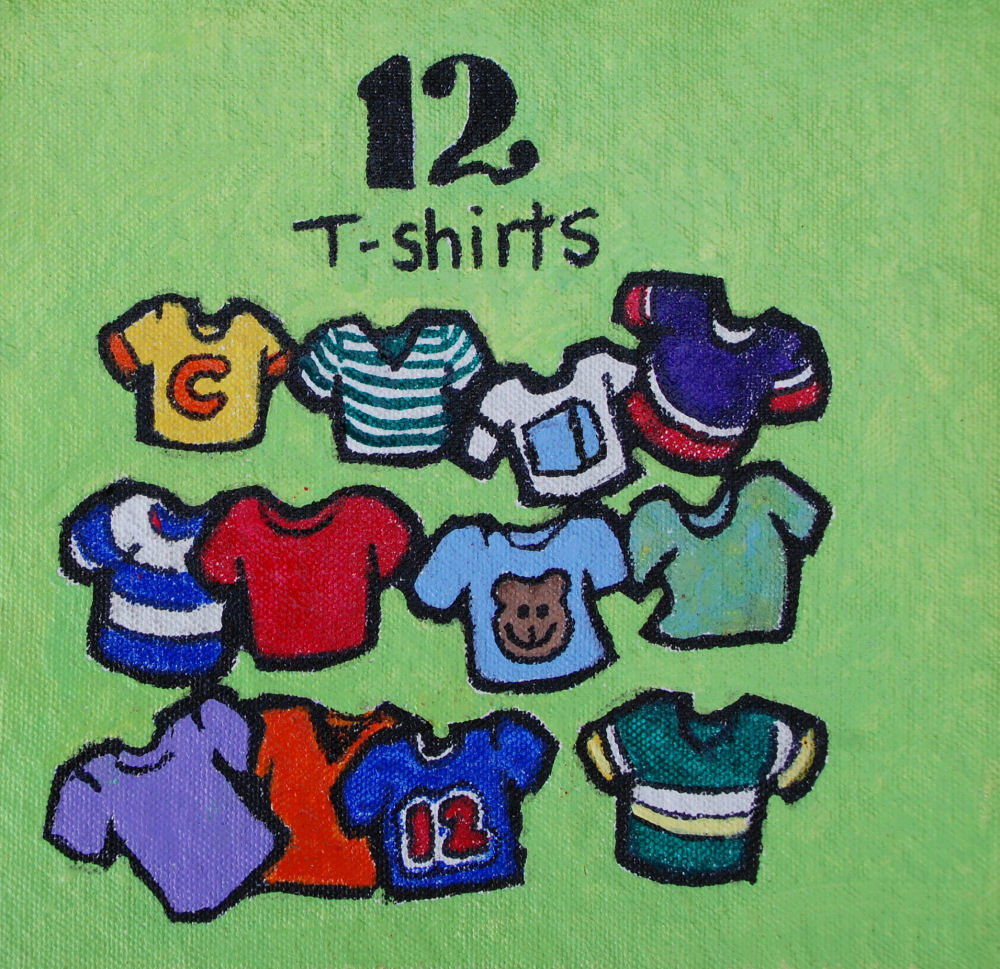
8 x 8 inches markers, watercolors and fixative on canvas. Thinking that acrylics paint would make pages stick together even when dry, I chose watercolors on primed canvas instead, barely diluting the paint so the colors are dense. Krylon workable fixative works best to protect the work, as it brings out the colors very nicely and it doesn’t hold the caustic smell that regular varnish does.
 |
 |
 |
 |
 |
|
 |
 |
 |
 |
 |
|
 |
 |
 |
 |
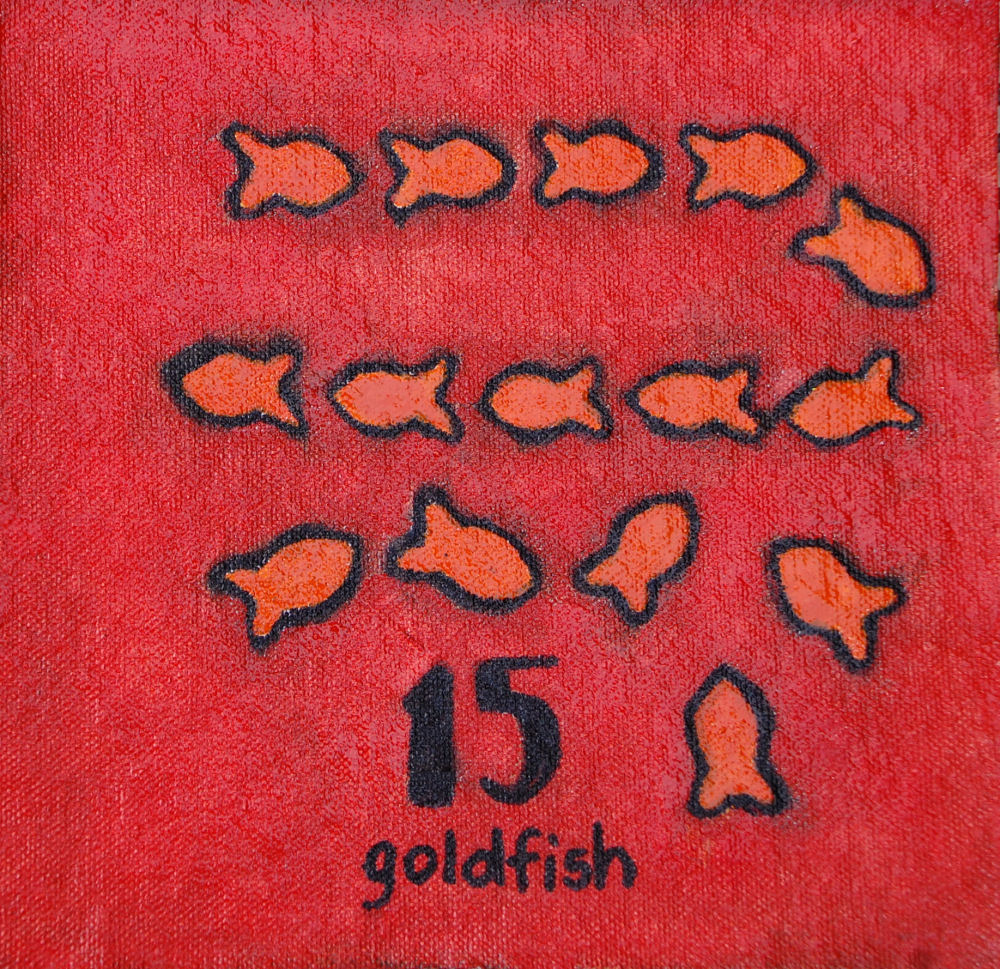 |
Each page has a hole peeking through to the next page and the one before, where colors match up in such a way that the hole may only be noticed when the page is turned. The holes were filled in for the sake of aesthetics in the images shown here. This peek-hole detail was an afterthought, and since I had already painted most of the pages I was committed to using certain colors, which made the process take longer than it had to. When using this idea next time, the peek-holes will be larger and be the main focus of the book. Large binder rings through grommets on each page hold the book together, so the pages are fairly easy to turn and the book can start anywhere.
 |
 |
 |
 |
 |
|
 |
 |
 |
 |
 |
|
 |
 |
 |
 |
 |
BlossoMania
Thursday, April 25th, 2013
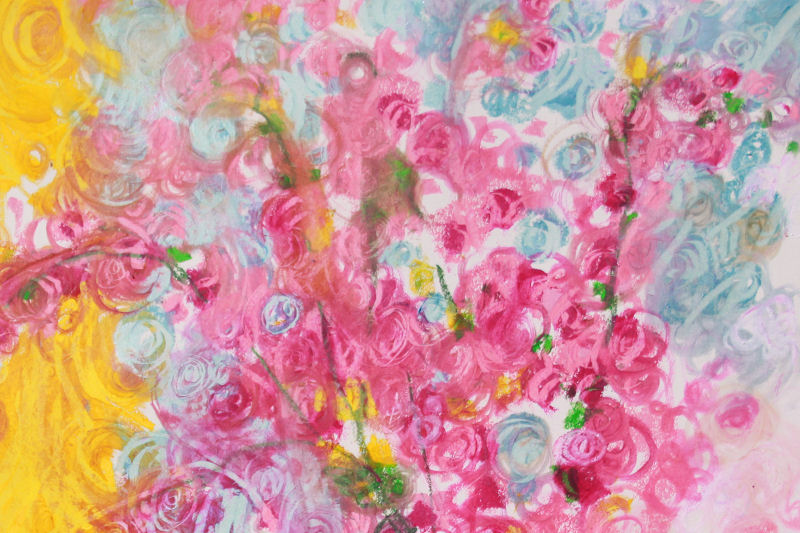
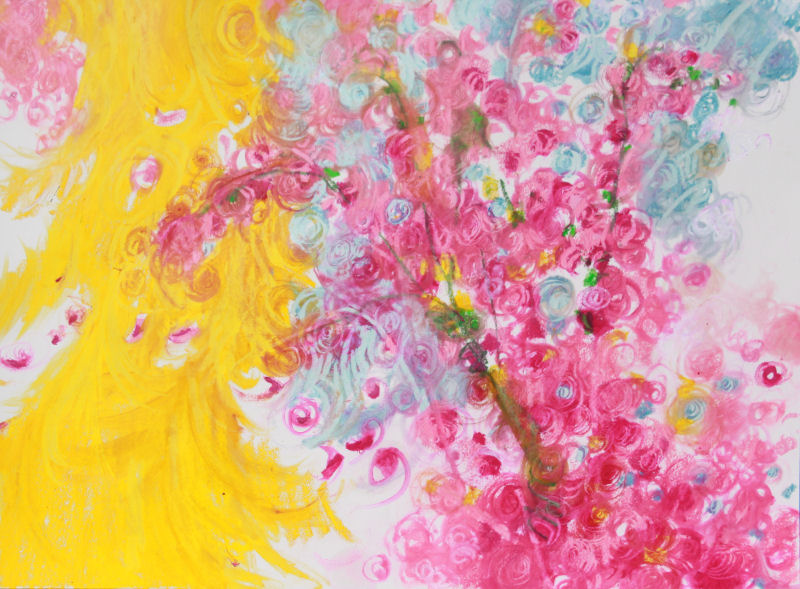
Blossomania, 12H x 16W inches oil pastels painted with oil blending and glazing medium on 80 lb acid free premium, white mat
I’ve been admiring the round masses clumped on the Plum tree branches in our neighbor’s back yard for a week or so now. Yesterday and today, pink swirls in the wind inspired this kooky poem
 Petals are falling, the sky is blue
They cover everything, old and new
If I sit too long, I’ll be covered too!
Larger image shows the finished piece, 12H x 16W inches, which was cropped from the original size, left thumbnail, 18H x 24 inches. Blogging always reveals a different perspective. If I had not re-sized the original in order to post, I might never have recognized that the cropped portion has a more balanced composition…benefits of blogging!
Celosia – work in progress
Thursday, April 18th, 2013
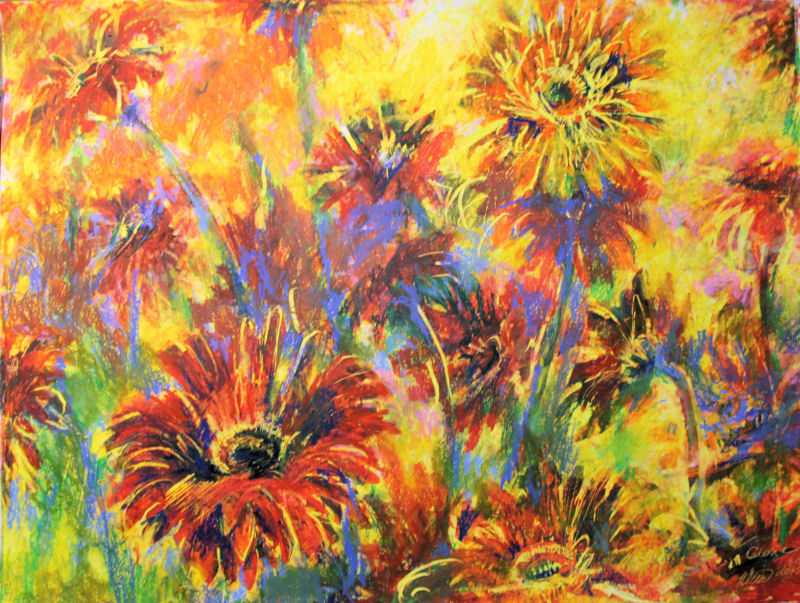
Celosia, work still in progress, 18H x 24W inches 0il pastels on 100% cotton paper
This piece was tucked away a month ago, planning to continue work in future with new eyes, so with nothing to lose, I jumped back in today and threw more color around. I splurged today and bought about 40 new oil sticks, the “Sennelier” brand. Wow, they are so intensely colorful and creamy-beautiful to work with! There is no contest as far as quality compared to any of the other brands I’ve been using, but they do have a lot of oil content which makes them muddy easily. Looks like it needs to be stored away again to re-work and refineanother day. I don’t like giving up on a piece until it feels absolutely done, or without a doubt done to death!
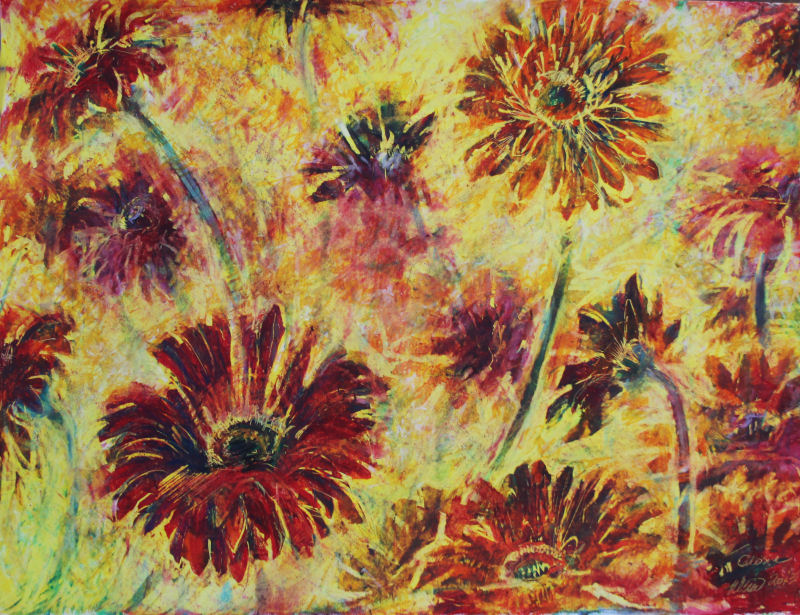
Left, March 22nd, 2013, Day 4 in progress
Reminiscent of retro sofa fabric, now that I see it on-screen! Usually leaving page space showing through to create light and brightness, this time I colored the entire page yellow before starting. Adding white did not help brighten areas much, but did muddle colors, helping some flowers recede. Much of the pure color as seen in the early versions has been covered up or removed, but will be re-added cautiously. The style has also gradually changed to more of a Representational/Impressionistic one. To finish, there will be more scrutiny, and fewer emotional responses before adding or removing anything else.
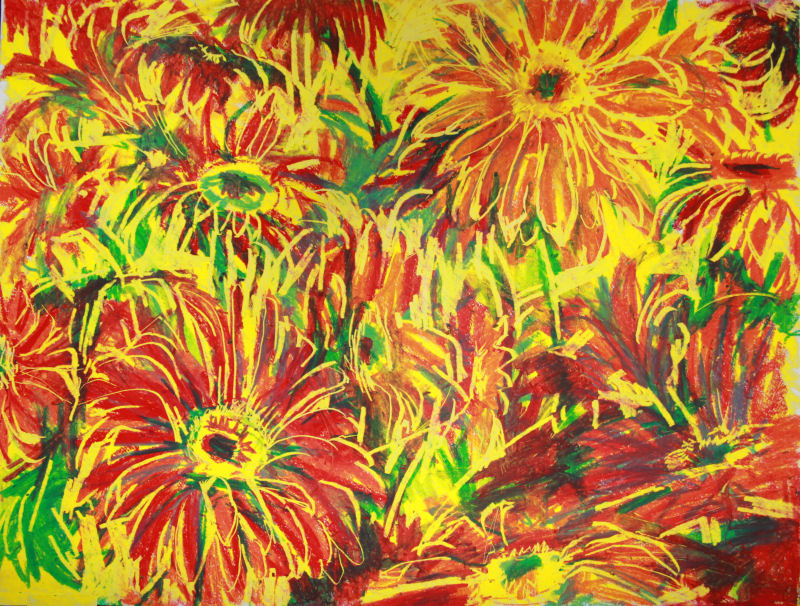
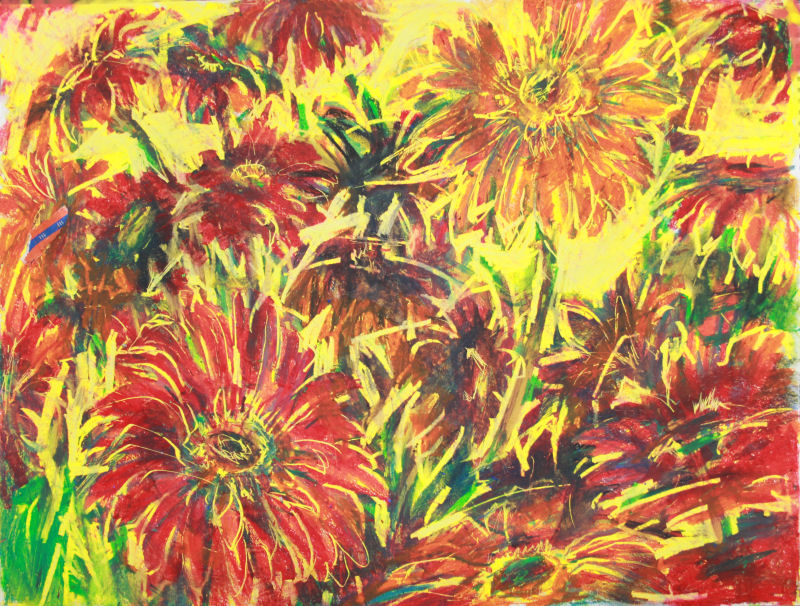
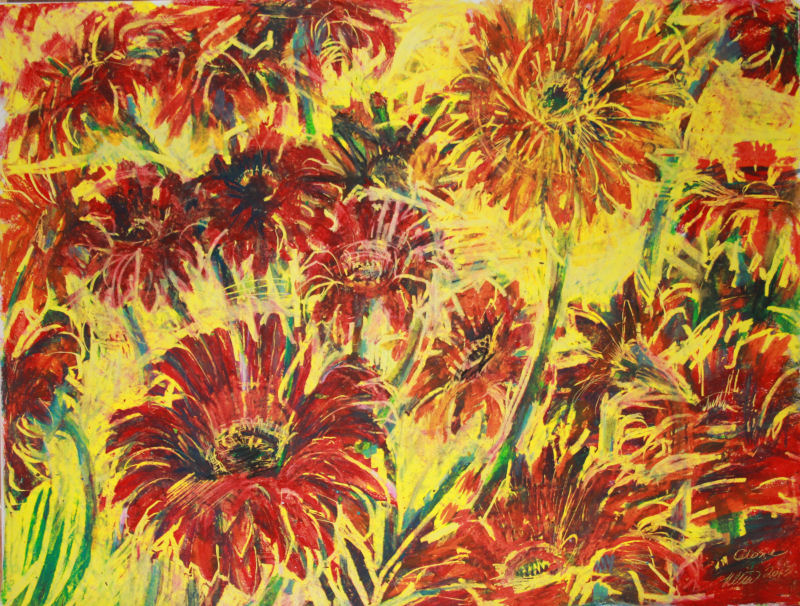
March 20th through 22nd; Days 1, 2, and 3
Colours For Cameron
Friday, October 12th, 2012
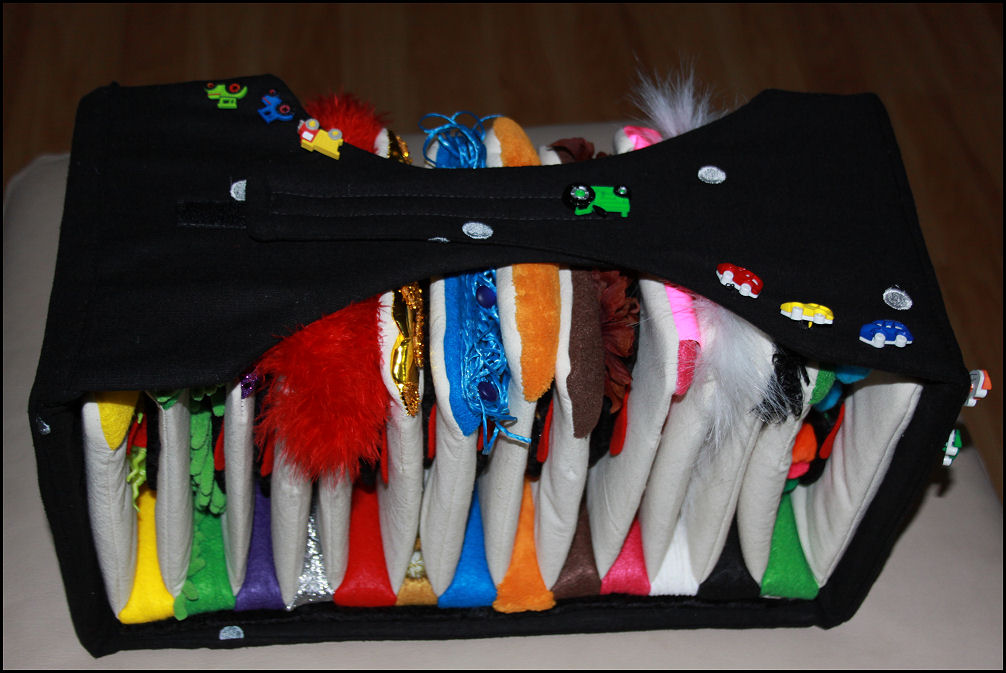
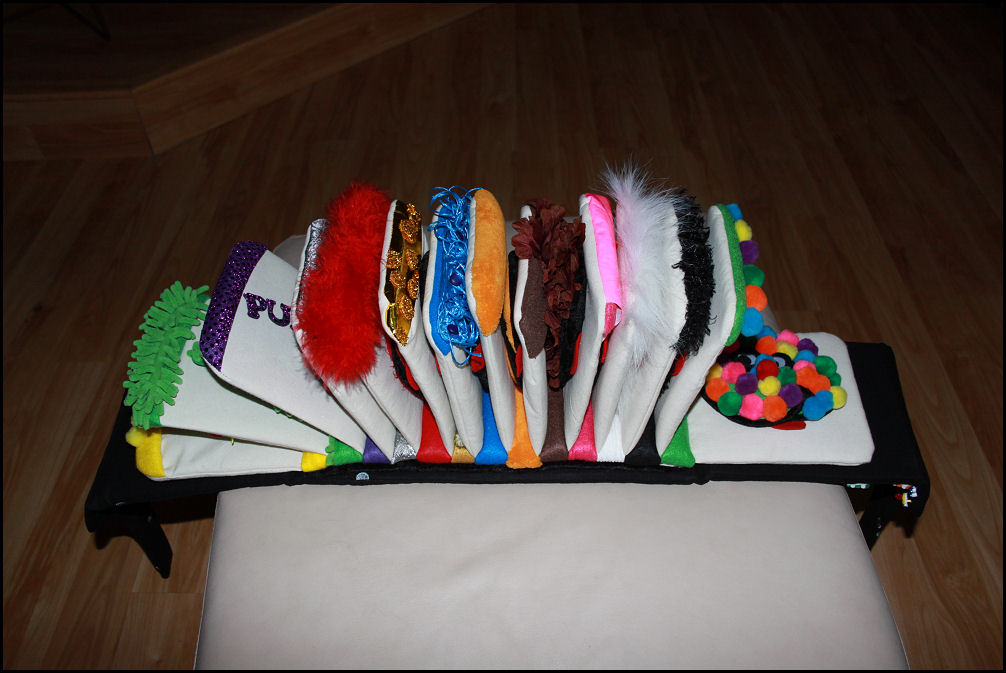
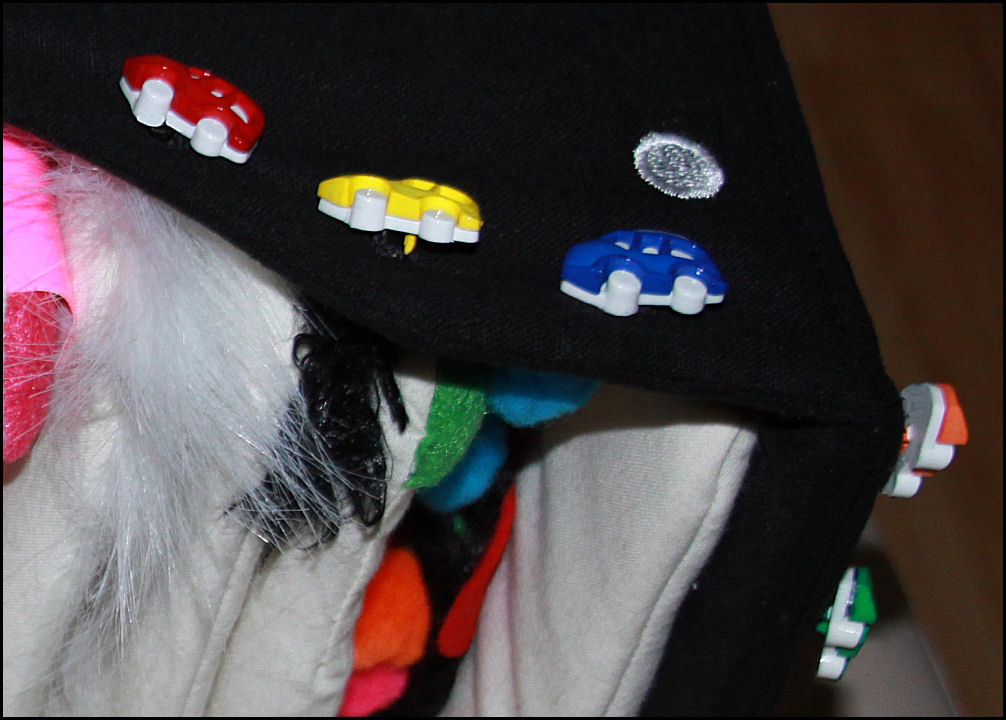
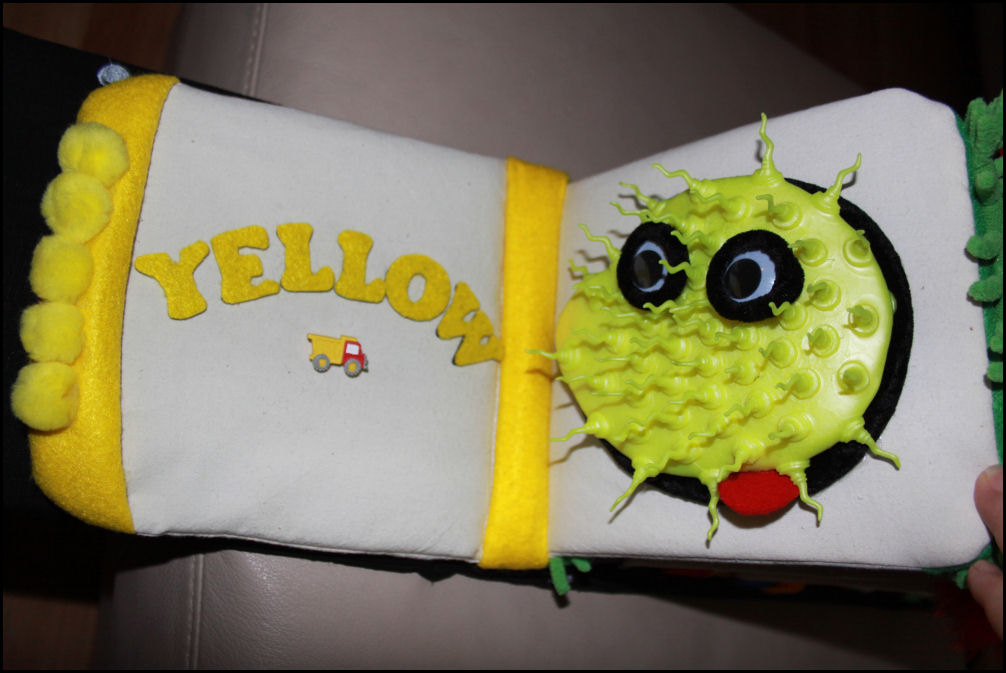
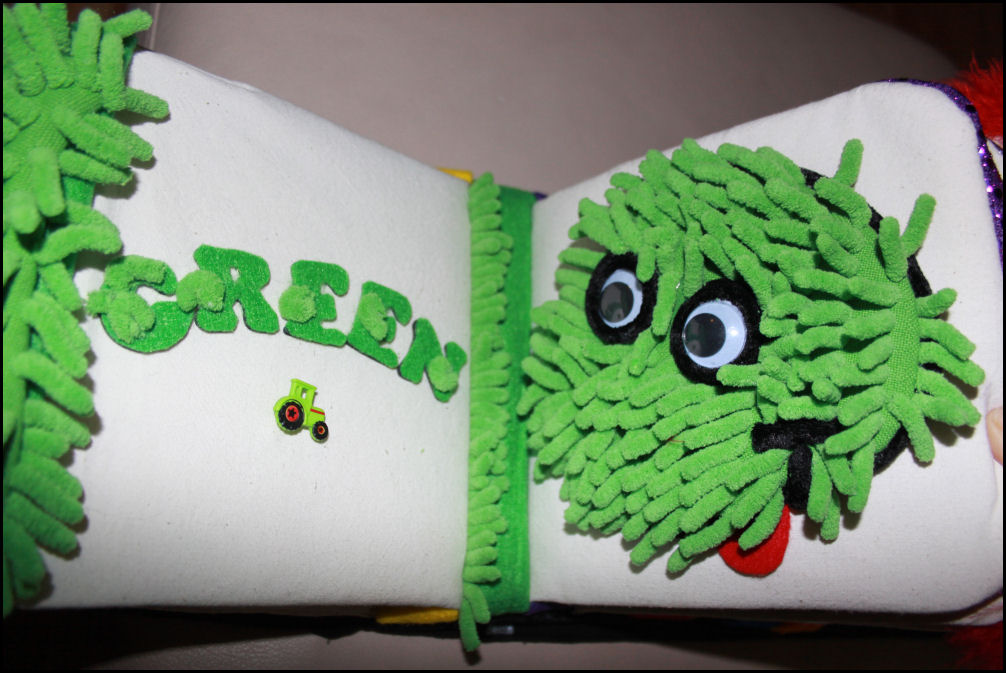
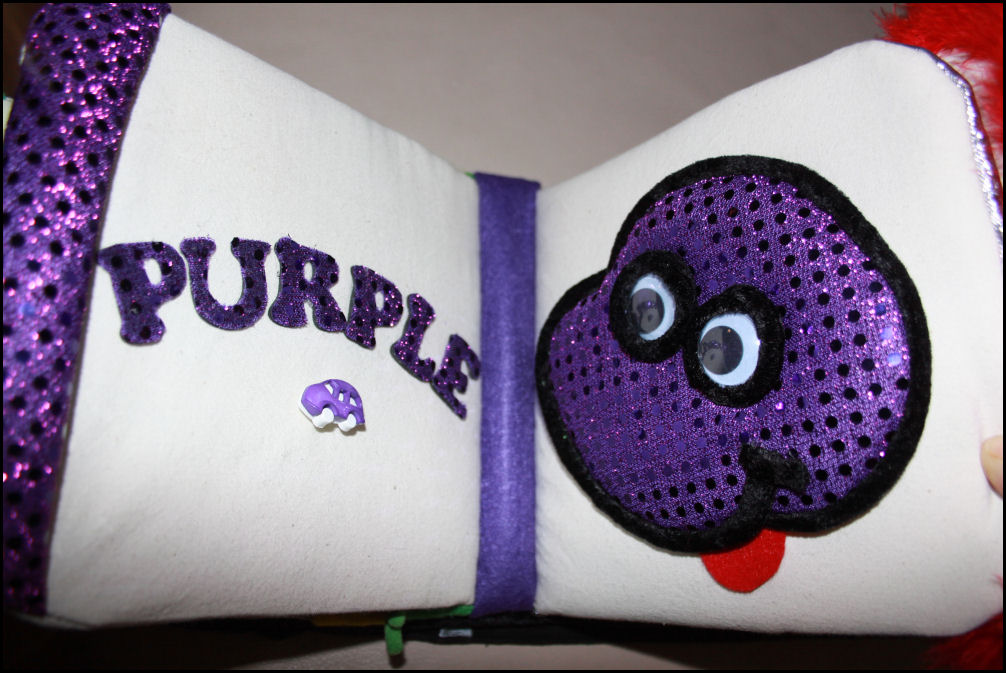
Colours For Cameron, 24L x 8H x 6D inches, mixed media on quilted muslin over cardboard pages
“Colours For Cameron” (Canadian spelling!) is composed over five deconstructed heavy-duty cardboard children’s books bought at a dollar store. The Monte head-templates were covered with inexpensive everyday items, so I splurged on unique notions like the $10 monkey button sewn on the ‘Brown’ page, and the cute little cars and tractors that Cameron loves. Some of the fabrics were fairly expensive, but there are enough remnants to make other similar-style projects in the future.
Each page is a quilted muslin sleeve pulled over the cardboard, and colored fabrics divide each page at the base, where they are all sewn and glued together. Rubber letters were covered with various fabrics, and each page has stuffed colored pockets on the outer edge, inviting chubby little fingers to open them..
Chrysanthemums
Tuesday, June 26th, 2012
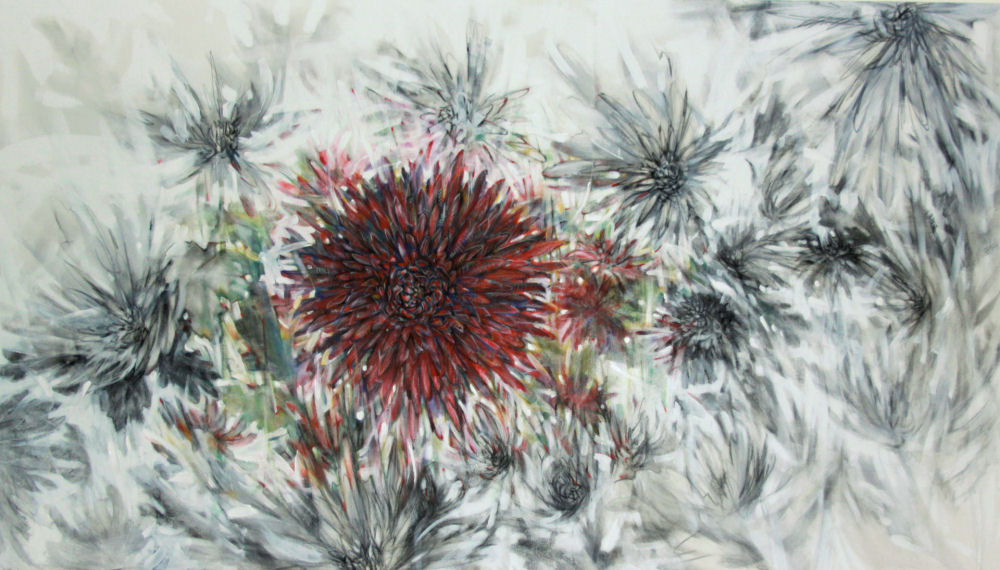
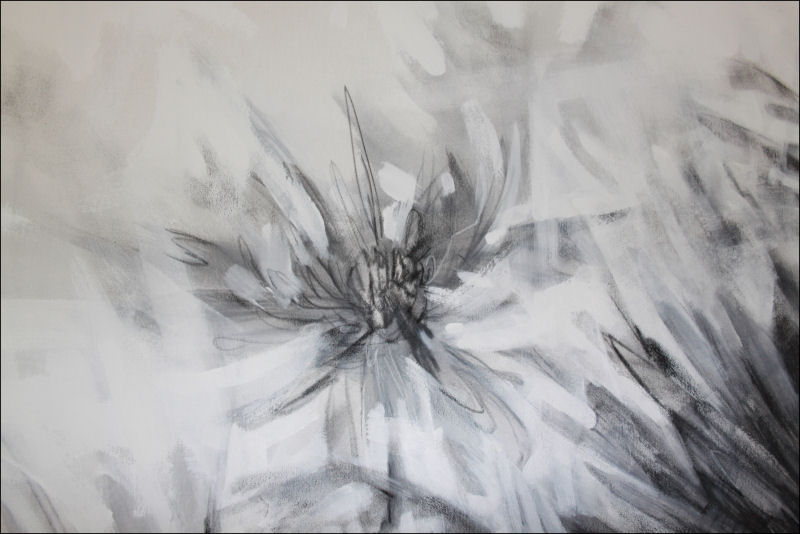
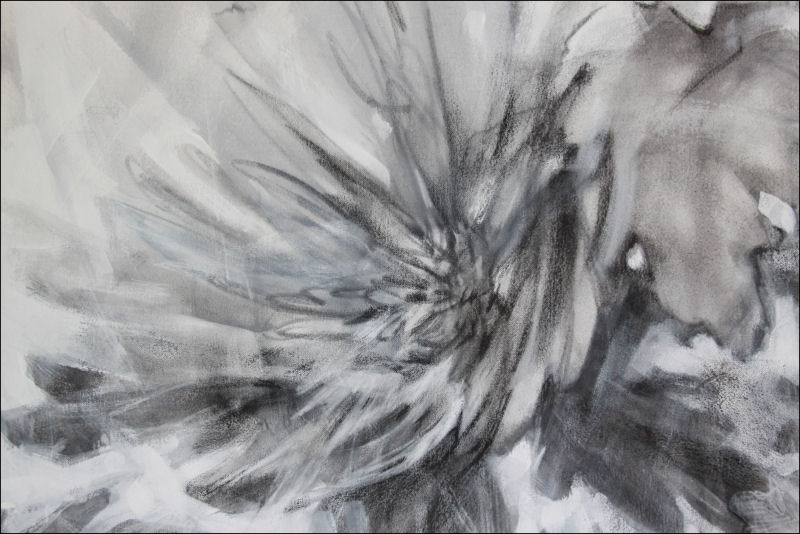
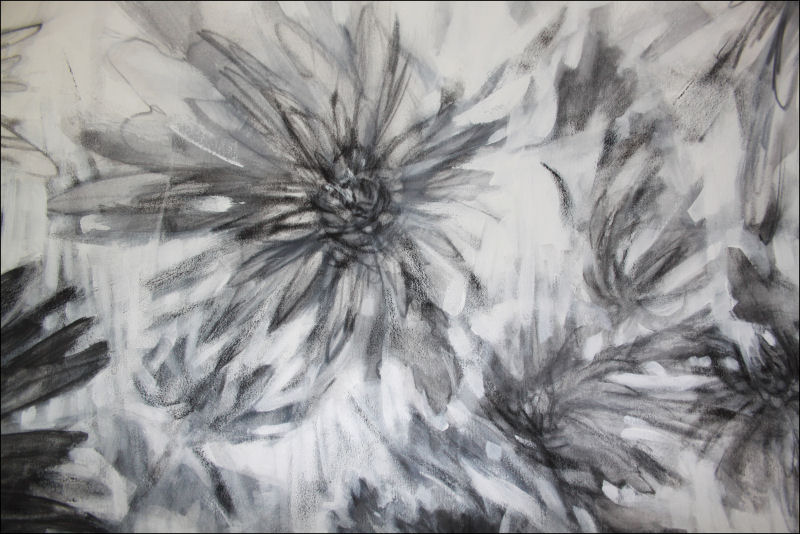
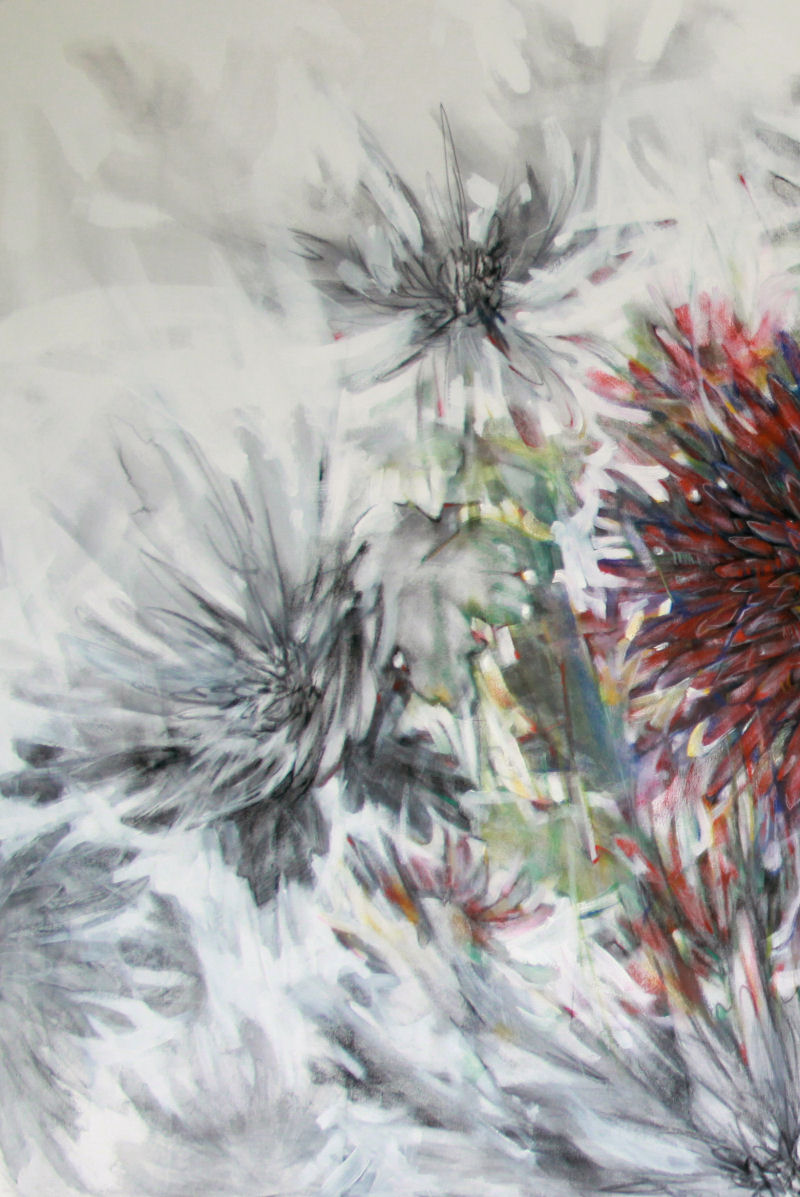
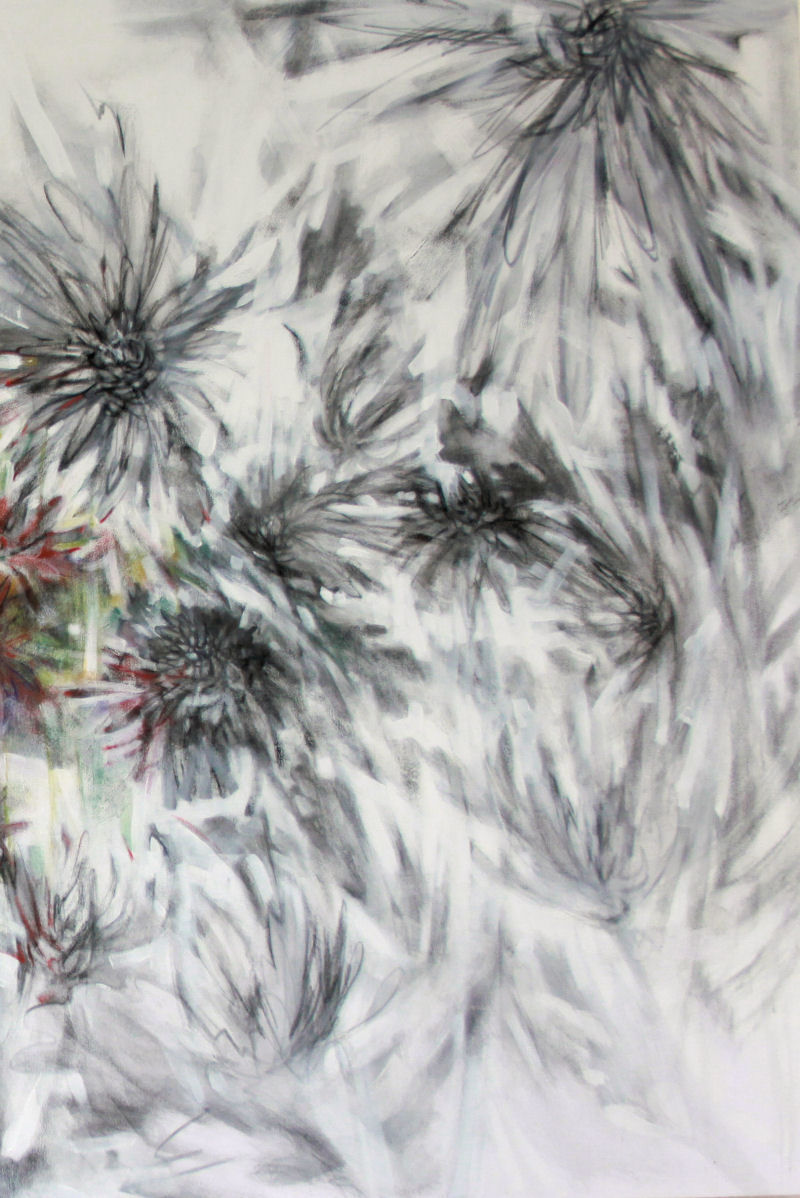
Chrysanthemums, 85W x 45H 3D inches graphite, charcoal, soft pastels, fixative with primer used as paint on white 100% cotton. Grey narrow frame. This is a beautiful painting, impressive because of its size and the expressionistic style of the flowers. The small photo doesn’t do it justice, so some detail images are provided below. It’s hanging in our family room on a grey wall beside the Chrysanthemums Chair. They do look great together!
| Detail images: | 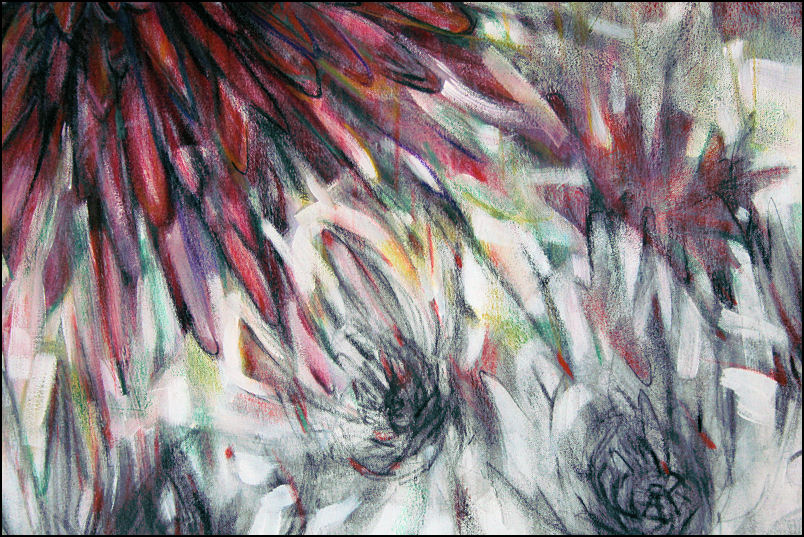 |
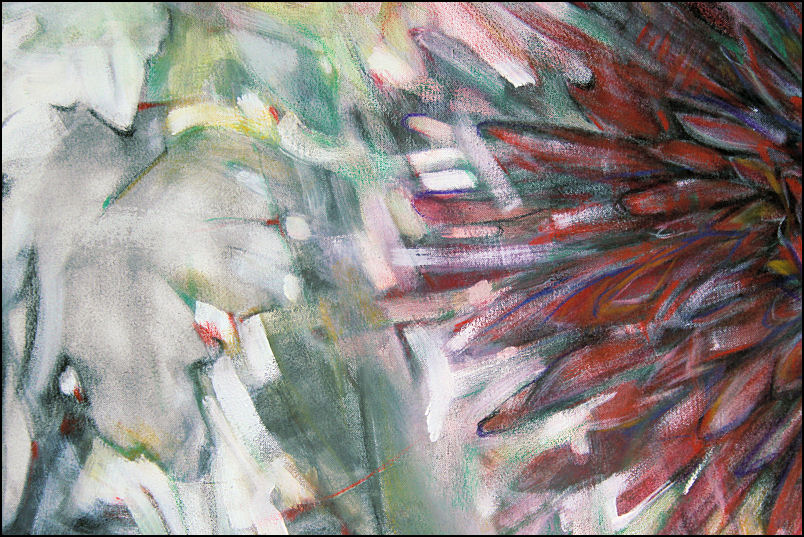 |
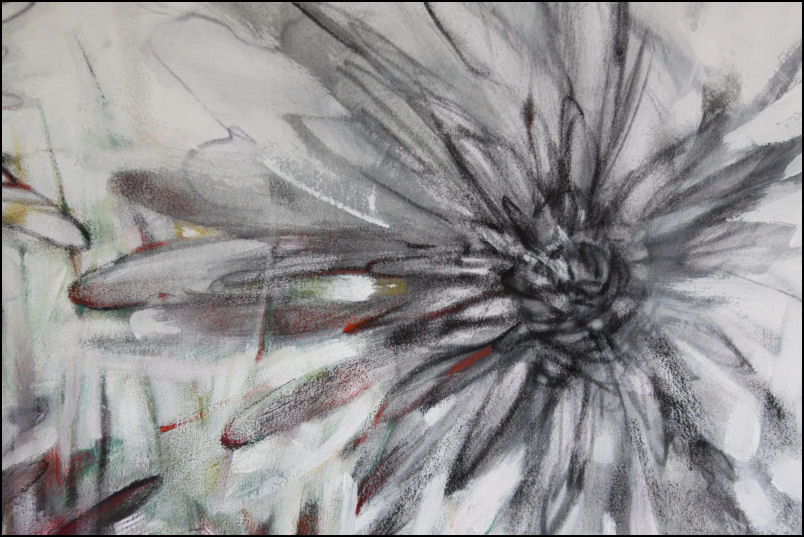 |
||
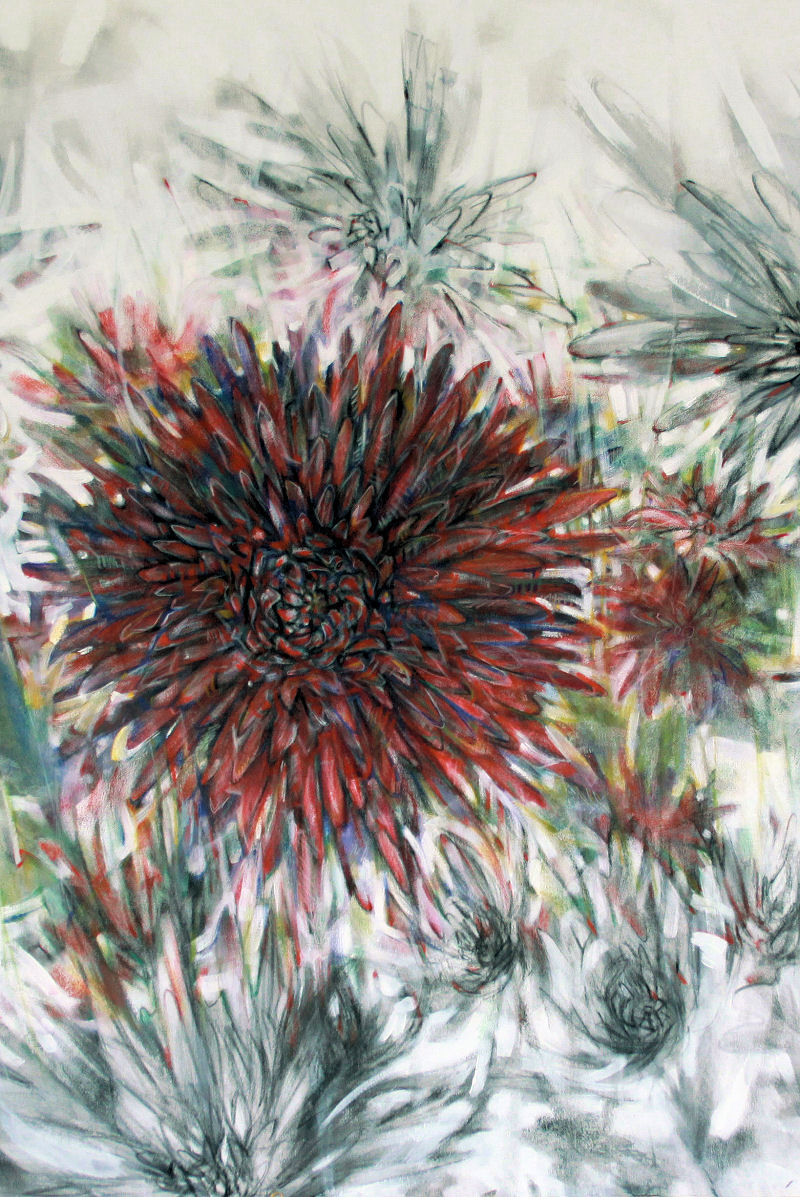 |
 |
 |
Adding Color: the point of no return
Wednesday, May 30th, 2012
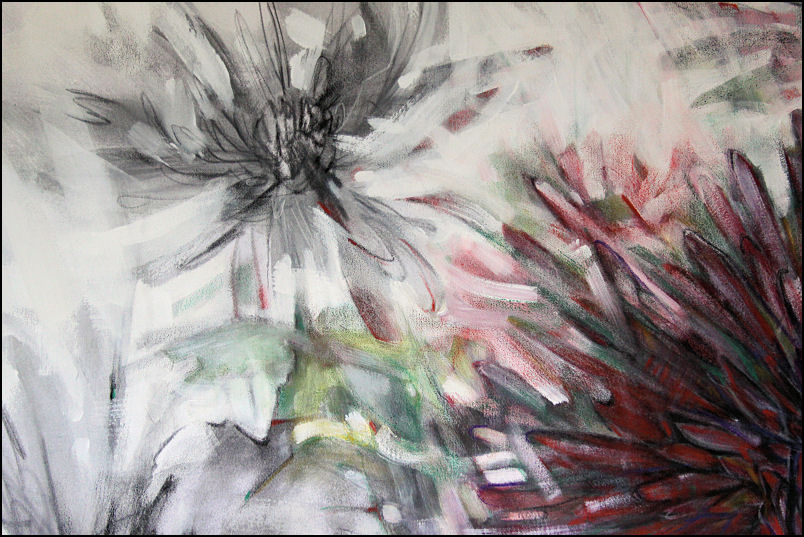
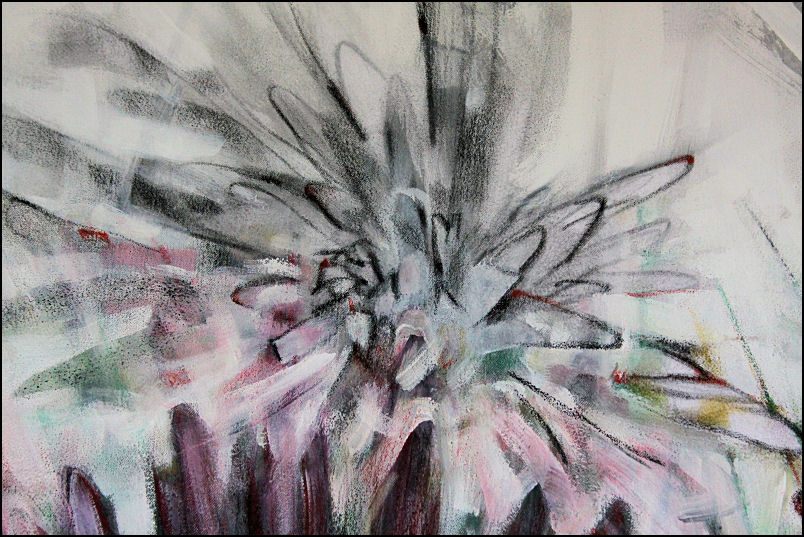
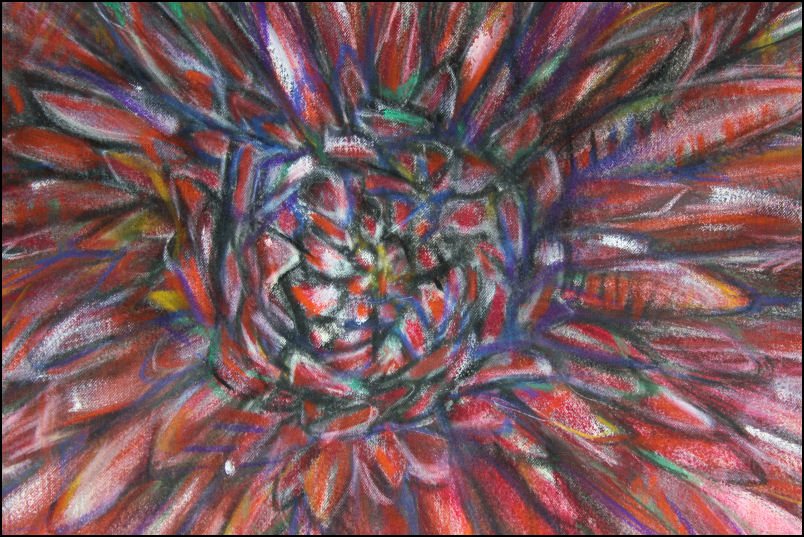
Chrysanthemums, work in progress; see previous post. Above: color details of 85W x 45L inches graphite, colored charcoal / dry pastels on white 100% cotton
When working with a large format, it’s easy to overwork the smaller areas. They’re like little compositions on their own. The trouble is, they may seem successful close up, but may not contribute to the overall balance and flow of the larger piece. Above are some examples, where I’m now reluctant to change what needs to be changed…but I will. Back to Art 101: It’s absolutely necessary to stand back often and study the entire composition from afar.
When you throw in a factor like color, there’s no turning back. I had a specific purpose for this drawing though; to fill a wall space in an otherwise fairly monotone, contemporary room. The idea was to create a look similar to a black and white photo where one color highlights the main subject only.
It’s obvious that introducing color has compromised some of the original spontaneity, so to recapture some of that energy, I carefully try not to disturb what’s left of those livelier marks, and enhance some with little sparks of color. Isolating red, and only red to the central main flower sapped all the attention, so I’ve added more colors to it and the surrounding elements than initially planned.
Chrysanthemums: work in progress
Friday, May 18th, 2012
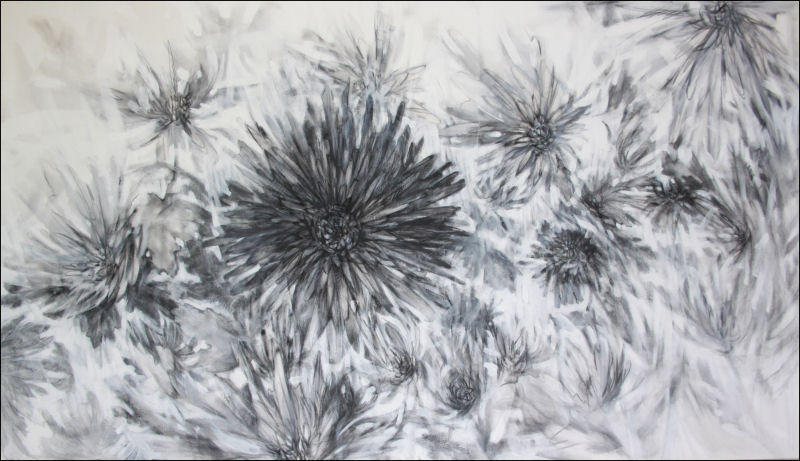
Chrysanthemums, 45L x 85W x 3D inches, graphite, charcoal and primer on 100% cotton, work in progress
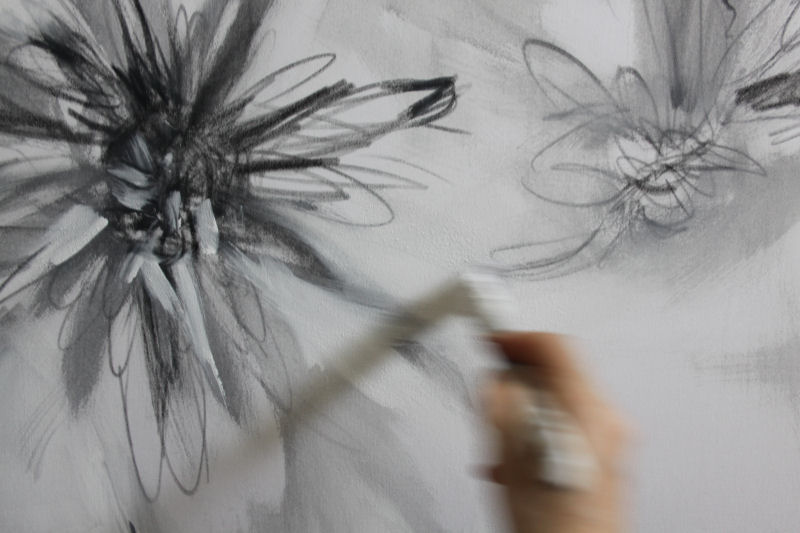 Rather than priming the fabric first as usual, water and primer are painted to enhance the graphite while the composition works itself out. It’s been all about getting lost in the improvisation and surprise! Grass blades are implied by the buildup of thin streaks throughout, which also serve to balance and energize the work, plus add slight cubist effects.
This is will hang in a contemporary-style room. If color is used at all it will be limited to red, yellow and green areas near the large main flower. Parts of the surface may be left raw, so to set the finished piece, the entire back will be primed and the front will be sprayed with fixative.
~
The chaos of this past year, moving to Oregon from Texas, has truly put my artsy artist’s statement to the test; that ‘creativity is an attitude toward life’. I’m accustomed to creating chaos in my artwork, then resolving it. With too many move-related priorities and unfinished renovations, no wonder I’ve felt increasingly disoriented. The good thing is that observations never stop, even if the focus on art-work has to.